
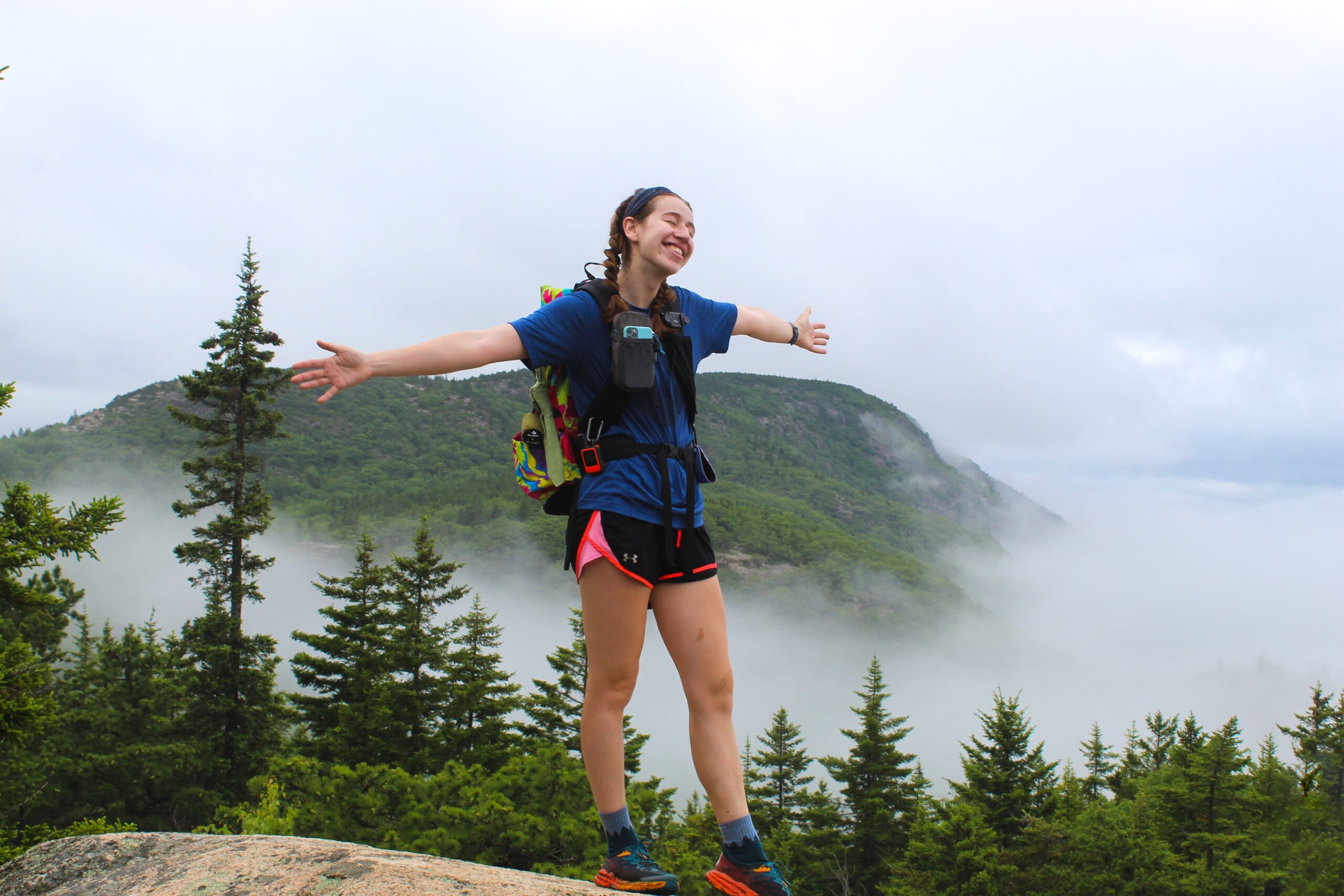
 ">


10 Things I Learned on Vermont’s Long Trail
Okay, I held off from making this blog for as long as I possibly could (two days) to delay feeling the inevitable ending of a thru-hike.
Considering the fact that yesterday’s blog left us 7 miles from the Canadian border, it should come as no surprise that, today, I finished my thru-hike of Vermont’s Long Trail. And yet, I still found myself a bit shocked.

From the very inception of the idea to thru-hike the Trail this year, I’ve been mentally preparing to not finish it. Going into the trail, I was in the worst shape I’ve been in for several years, had very little motivation to suffer through three weeks of humidity, rain, and mud, and didn’t really expect to like hiking out East. Three factors, I think we can all agree, that create the perfect recipe for packing it in early and going home.
A week before starting this hike, I told a friend that, were I to injure myself, I didn’t expect to enjoy the trail enough to grit my teeth and push through. With my current level of fitness, injury felt inevitable. I did, indeed, get injured in the form of a slightly torn quad muscle but, by then, I’d fallen in love with the trail. The final week consisted of a slow, slightly painful, very deliberate limp to the border through the before-mentioned humidity, rain, and mud. I loved it.

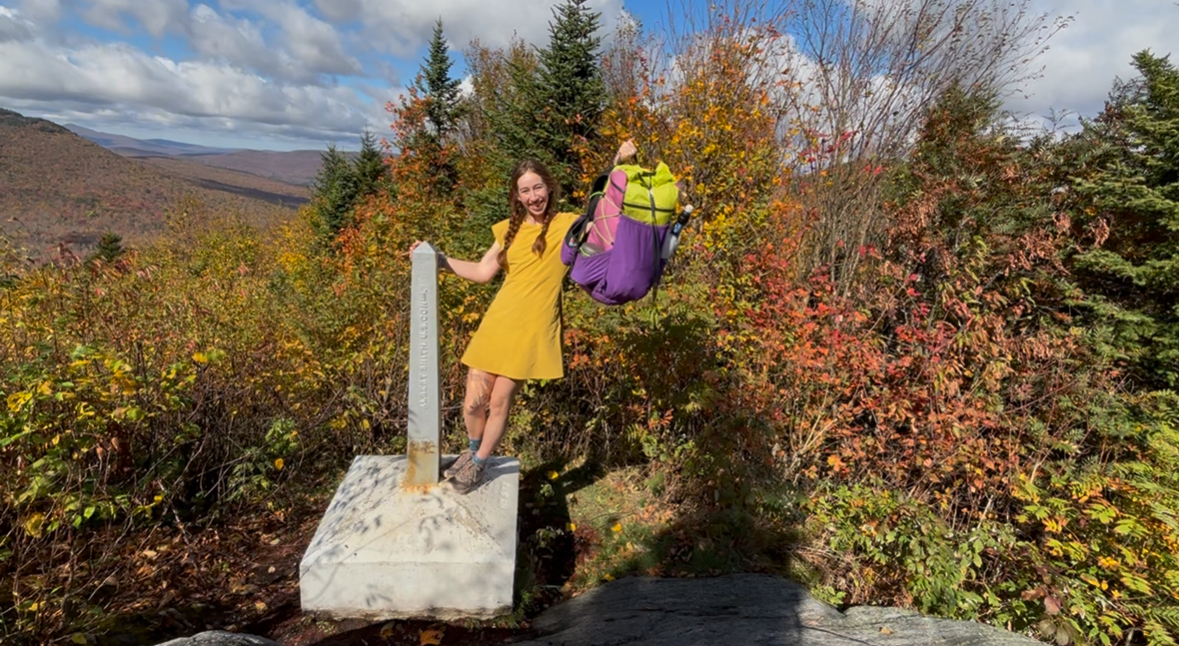
In terms of a daily blog, the final day wasn’t much to write about. The weather was perfect and the terrain pretty easy for hiking to the Canadian border. I cried at the monument, got picked up by my friend, Jeremy, had dinner at their place, and caught a bus to Boston. Meaningful to me, yes, but fairly anticlimactic and uninteresting to recount. Instead, I want to look back at some of the lessons I’m taking away from this trail as a predominately Mountain West hiker, since the Long Trail surprised me in almost every way.
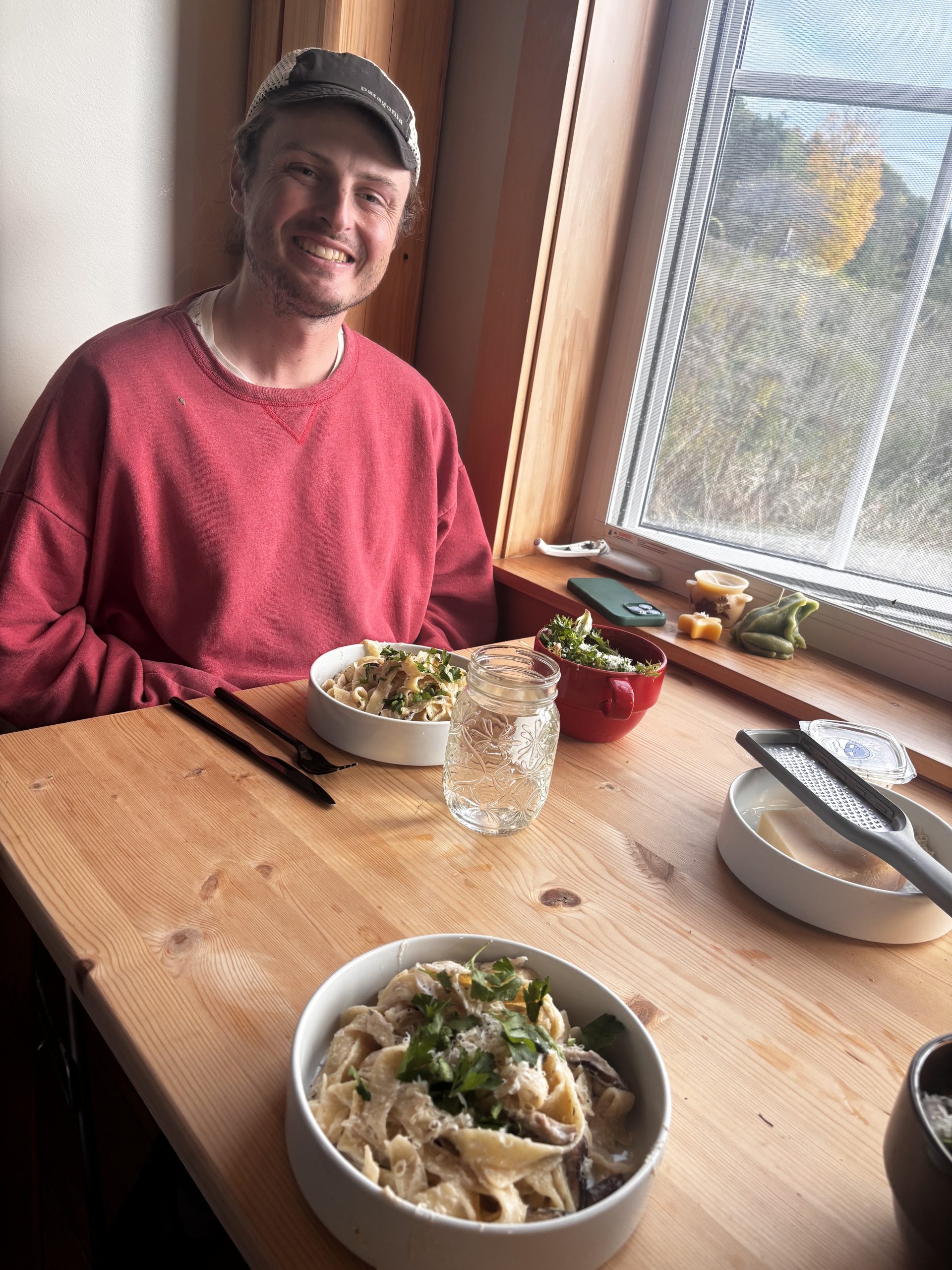
#1: Rain Here Isn’t Actually That Bad
When I think of getting caught in rain on a trail, I picture the Mountain West: hail, lightning, and freezing rain with wild gusts of wind that find their way through even the most durable of rain gear. On the Long Trail, the rain was almost a non-issue. Granted, I hiked during a drought year, and didn’t experience much rain at all, but the times I did get wet were not the anxiety-inducing, miserable ordeal that they’ve been during my other hikes.
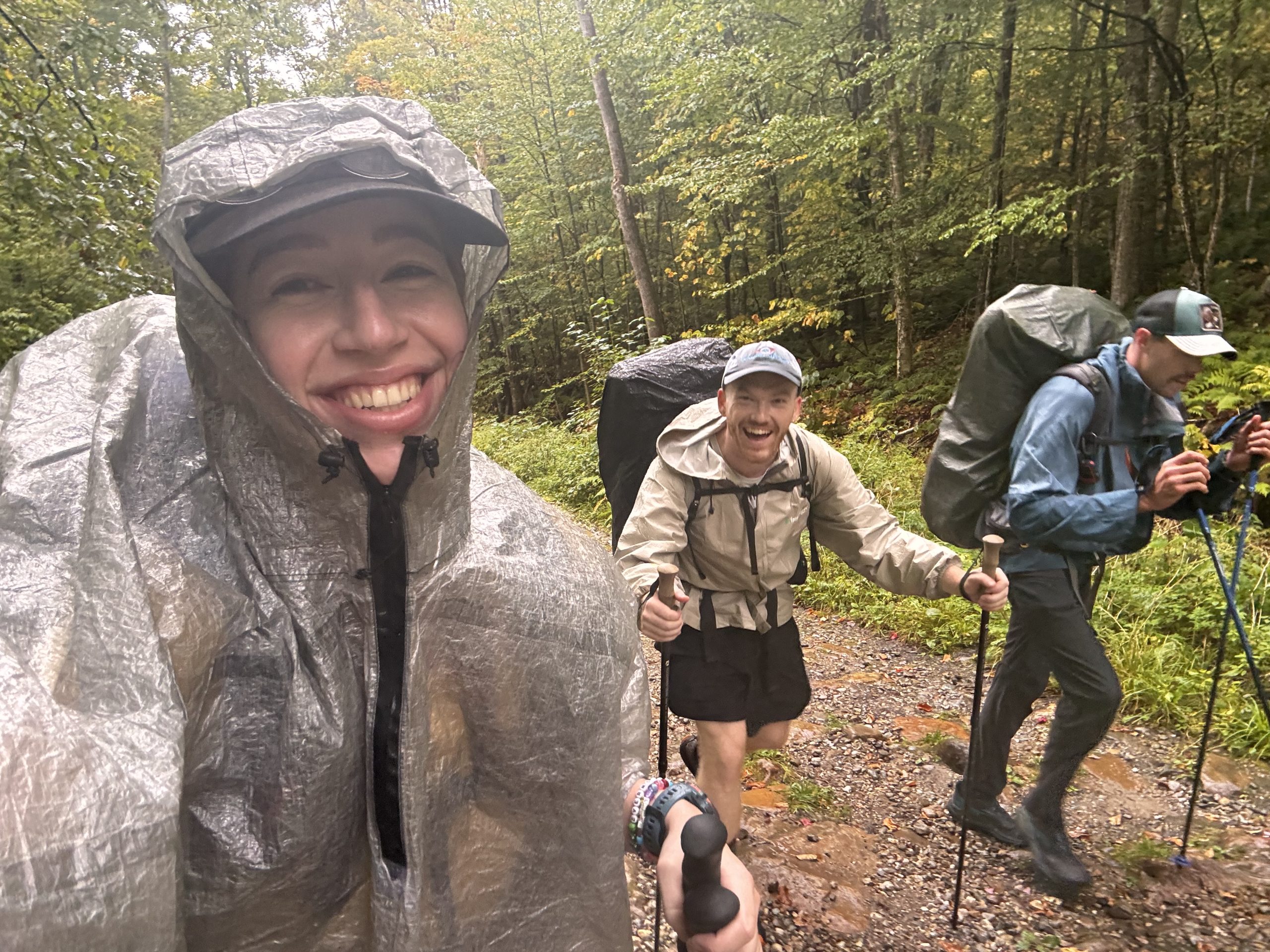
I mostly attribute this to the trees. The dense forest found on the Long Trail creates a canopy shield that fundamentally alters the nature of the rain experience compared to the open West. The thick, overlapping layers of leaves serve as a natural barrier, breaking the force of the downpour into a fine mist rather than allowing direct impact. Additionally, the sheer density of the Eastern forest severely mitigates the impact of wind, effectively eliminating the driving rain and freezing wind chill.
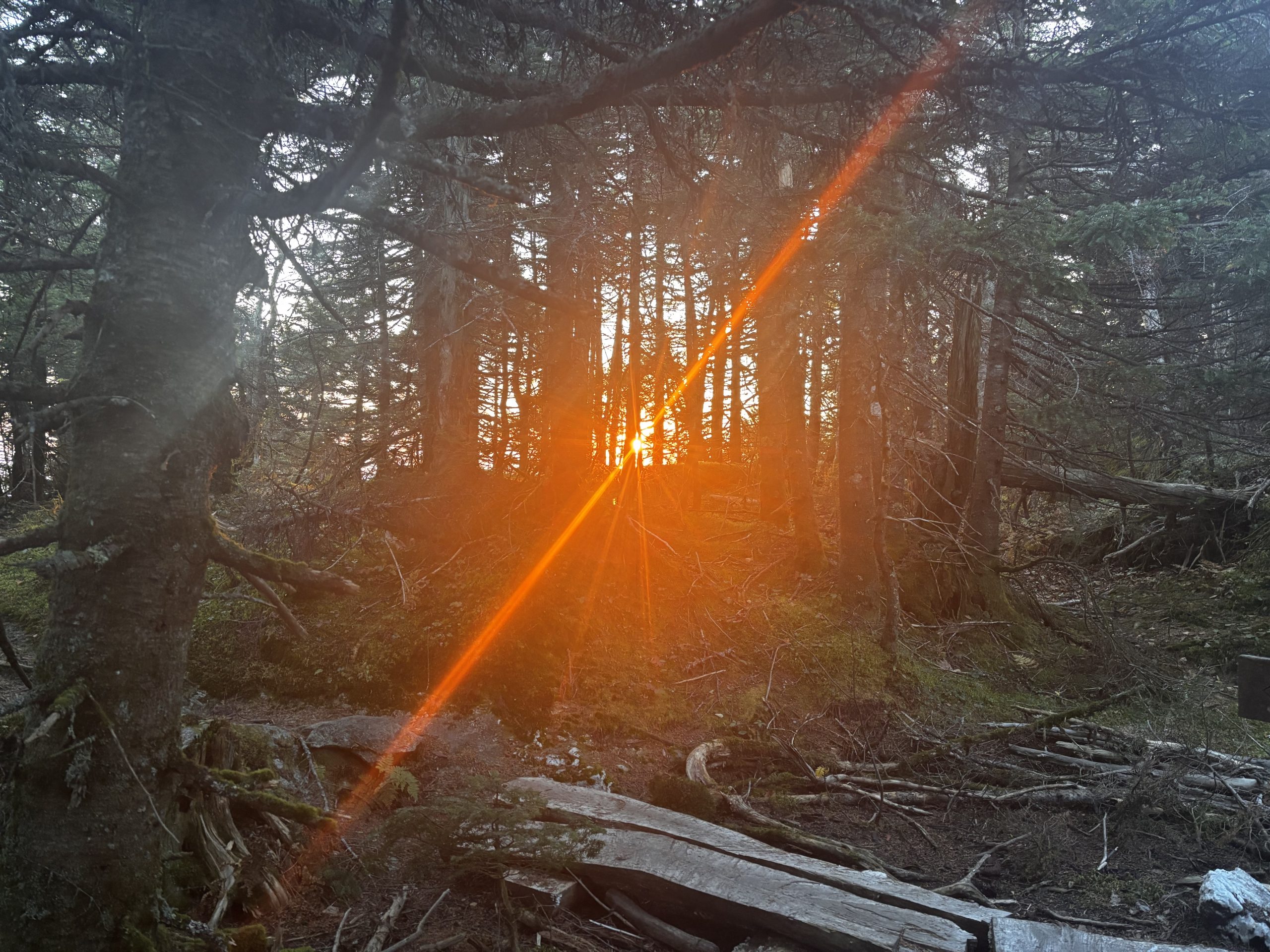
The canopy also serves as lightning protection. Western weather demands constant attention, planning, and a good bit of anxiety; Eastern rain factored into my risk calculation far differently and became more of an annoyance rather than a threat to my life. Even when crossing the highest points like Mount Mansfield, the time spent exposed and above treeline is brief.
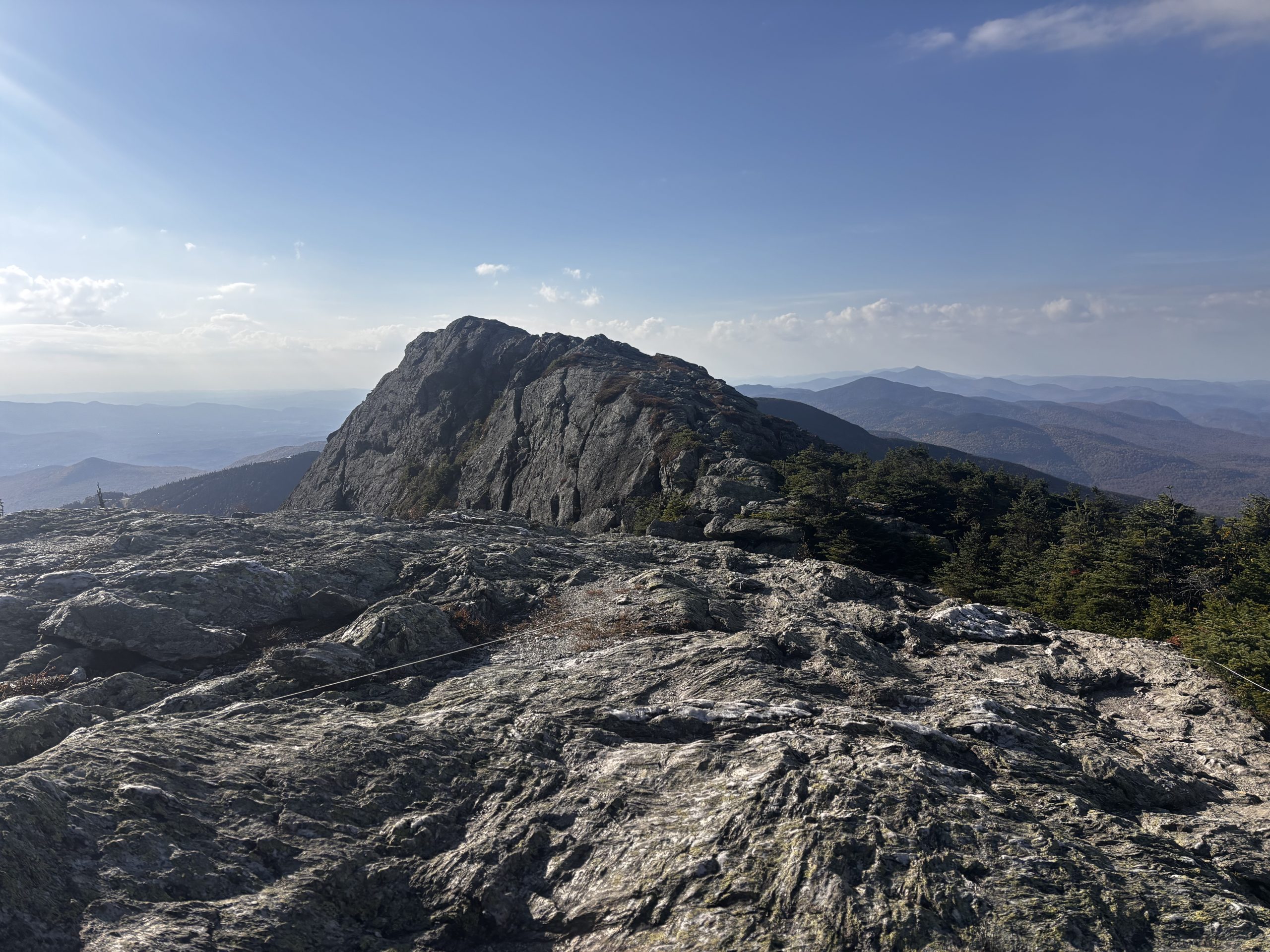
Wet feet? Annoying, always. However, I found it far easier to keep both my gear dry and mind calm during Vermont’s rain than Colorado’s.
#2: Shelters are Game Changers and I Have a Love/Hate Relationship with Them
I had never hiked a trail with any form of provided shelter before, and found the sheer convenience unbelievable. What do you mean I never need to pitch my tent? What do you mean it can rain literally all night and I will stay perfectly dry?
I’m a lazy person by nature, and this compounds dramatically when I expend all my mental and physical energy making it from Point A to Point B on a trail; having this build-in amenity made setting up and breaking down camp so easy. On the CDT, my time from wake-up to walking out of camp hovered around 13 minutes (if I cowboy camped); on the Long Trail, I reduced that to eight minutes. Yes, that’s a brag.

The extreme convenience of these shelters is also, however, why I hate them just a little bit. They’re almost too nice; I found myself hiking inconvenient mileage and planning entire days around camping at a shelter.
Once I realized the option existed to never set up a tent, I couldn’t justify not staying at one. If I’d hiked this trail on a tighter deadline, it would be hard to force myself to stick to my predetermined mileage instead of reaching a really nice shelter and deciding to just call it for the afternoon because I couldn’t drag myself off the clean, flat, elevated floor.
Another fault of mine is my inability to fall asleep around anyone making any amount of noise. I stand by the idea that the scariest wildlife to find in your camp is a human who snores. With the shelters offering so much convenience, it’s inevitable that you’ll often end up sharing the space with at least one other person, and you have no control over the noises they make in their sleep.
I don’t have great advice to offer for this problem. Pack earbuds you can sleep in, hope that those who know they snore choose to tent camp, and bring a sleep aid to force your body to relax. At the end of the day, though, if you really can’t fall asleep with the sound of snores, you need to be willing to pitch your tent. I never was, so I suffered through a few restless nights just to be able to stay in these beautiful, glorious shelters.
#3: Moose and Bears Still Exist
Wildlife doesn’t just disappear when you cross the Mississippi River. Maybe that’s an obvious statement, but I do think that’s how I viewed the world just a little bit.
Obviously, Appalachia is home to many black bears and, obviously, little critters exist almost everywhere. Still, the trail surprised me with how many large wildlife encounters— bears, moose, porcupine— I experienced.
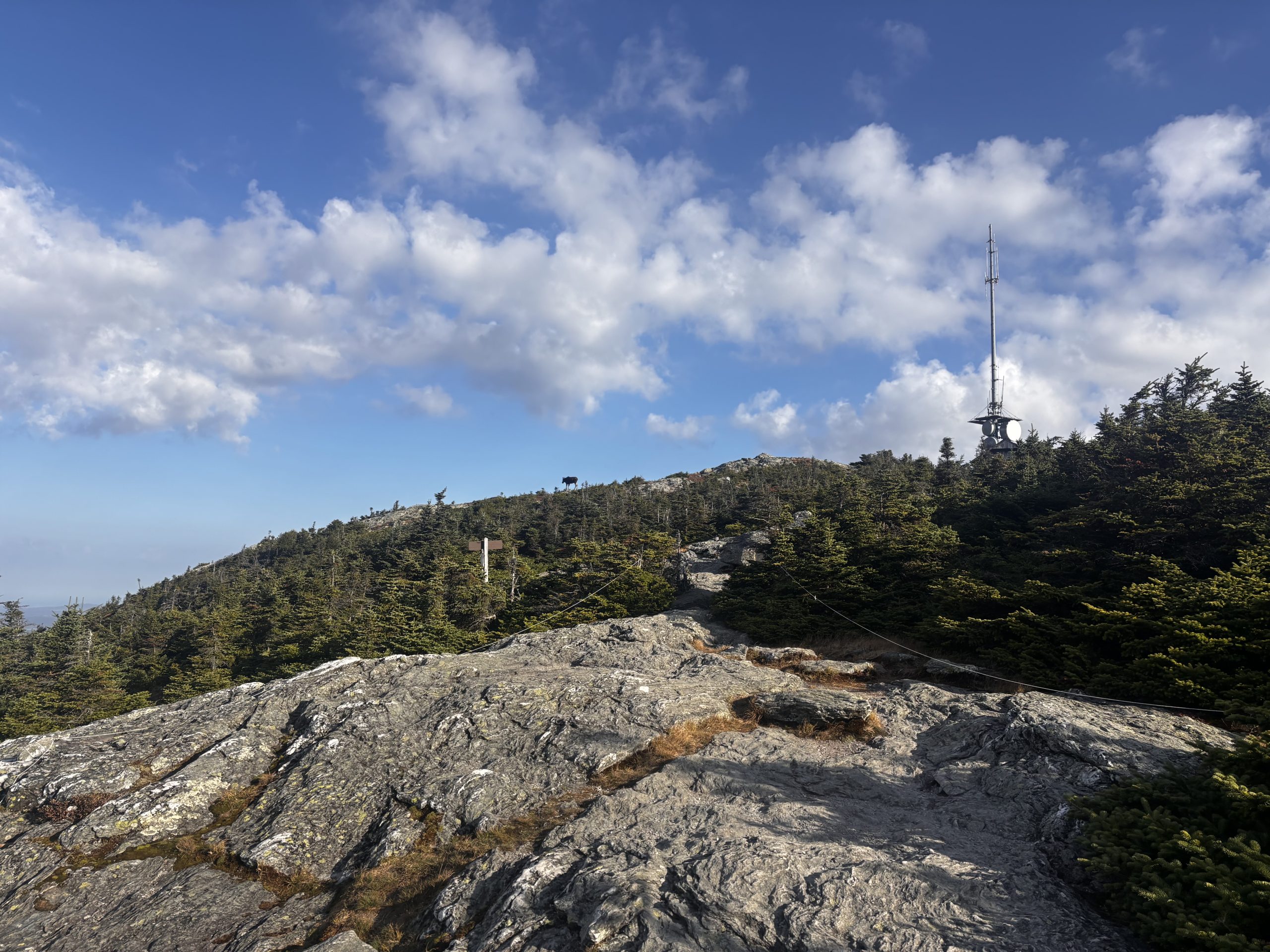
Unlike the Mountain West where the landscape is open and big animals are visible from a distance, Vermont’s dense forest led to far more startling close-range encounters with wildlife. My sense of space was so constrained by the thick woods that I was often on top of an animal before realizing it.
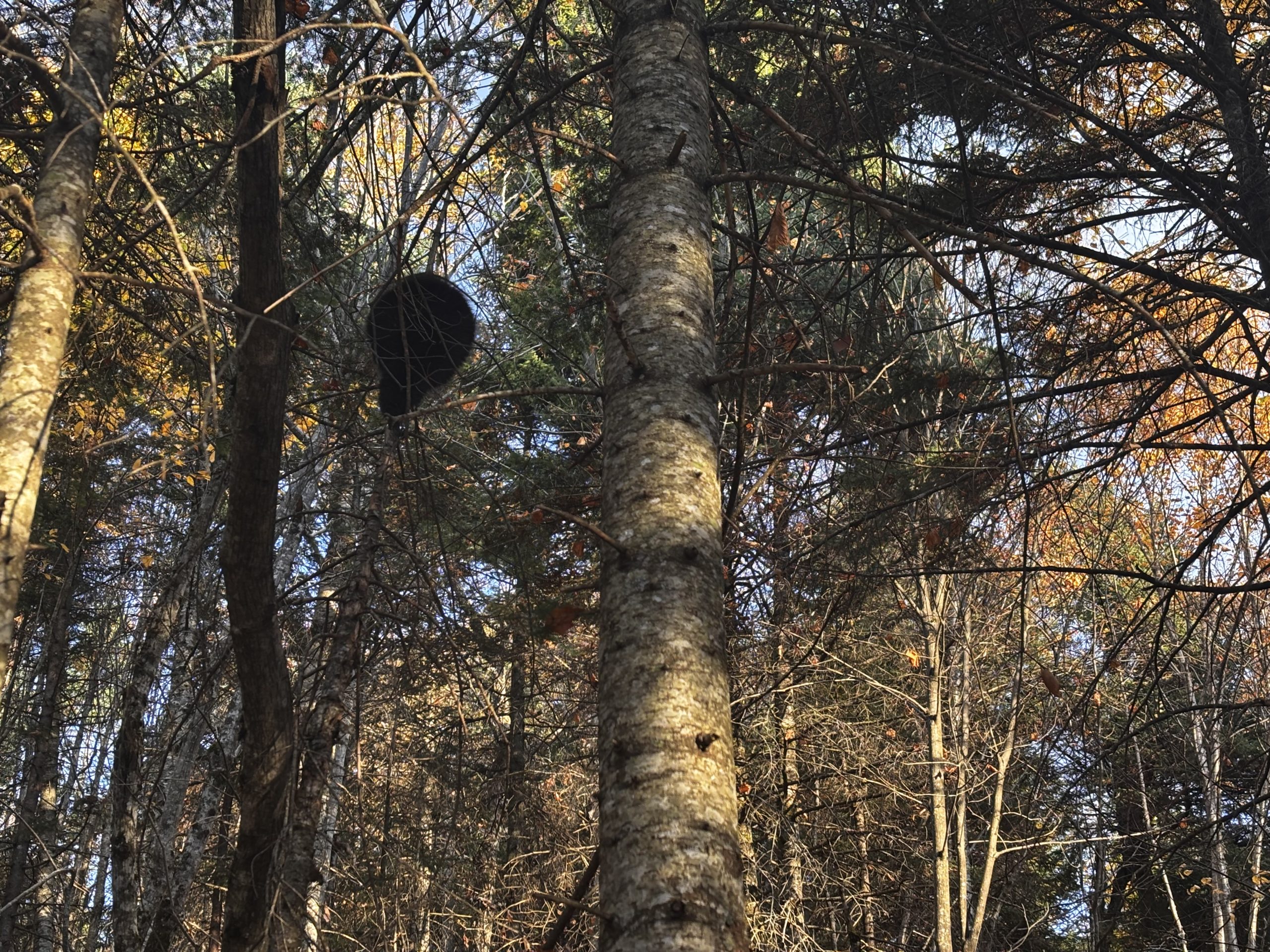
I watched a moose amble across the summit of Mt. Mansfield, a porcupine fall out of a tree, and had many, many mice run directly over my face in the night. One of those things is less fun than the others, but I’ll let you choose which one.
#4: Terrain Dictates Difficulty More Than Altitude or Elevation Change
This, at least, didn’t catch me totally unprepared. I’ve done enough hiking in the White Mountains of New Hampshire to know that hiking out East is often far more challenging than hiking out West, despite the people who love to minimize the difficulty by pointing to the lower altitude of the peaks. Still, it put me in a pretty bad mood to check my FarOut, see a flat elevation profile, and still move through it at a two miles an hour pace.
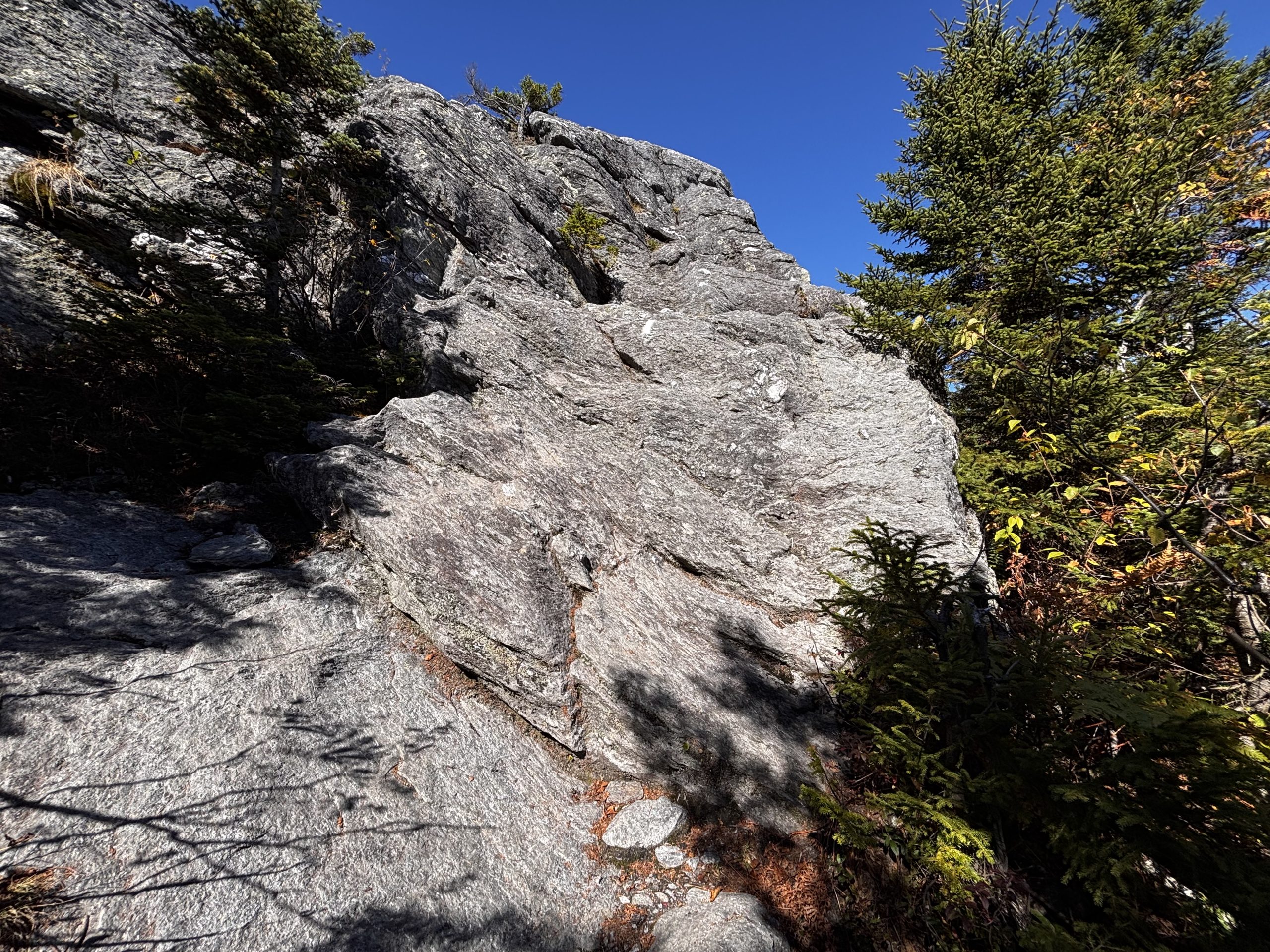
Look for the white blaze. Climb straight up.
The primary difficulty comes from the trail’s relentless foundation of exposed roots and slick, moss-covered rocks. Unlike the switchbacking trails of the West that use long, graded slopes, the Long Trail is characterized by short, steep ascents that are often nothing more than natural staircases of high rocks.
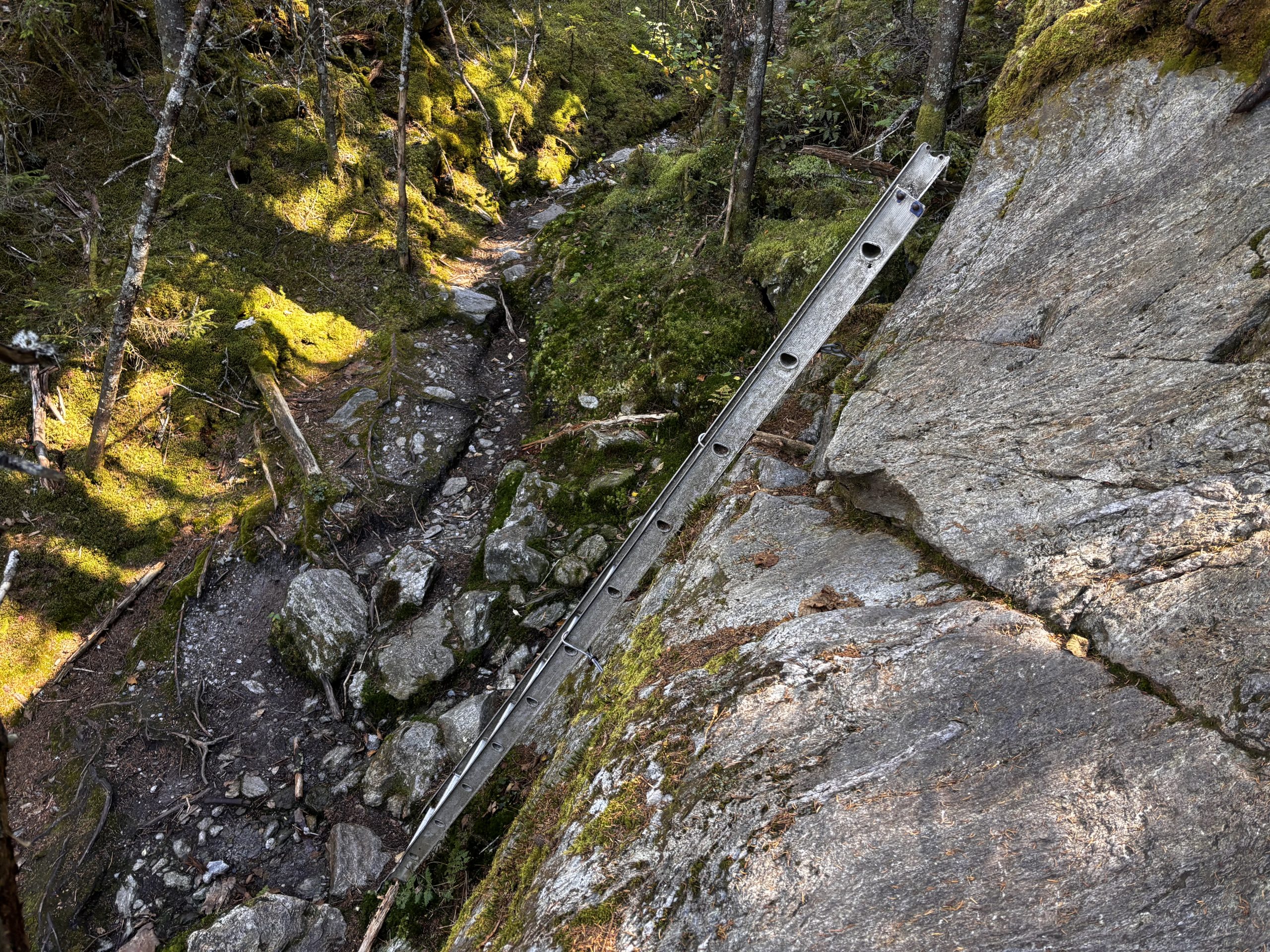
The constant humidity and poor drainage create sections of deep, unavoidable mud and slippery footing. Every step must be deliberately placed to avoid a fall or an ankle roll. This requires continuous, high-impact stepping-up and dropping-down, which places enormous strain on the knees, ankles, and stabilizers, as my quad could tell you.
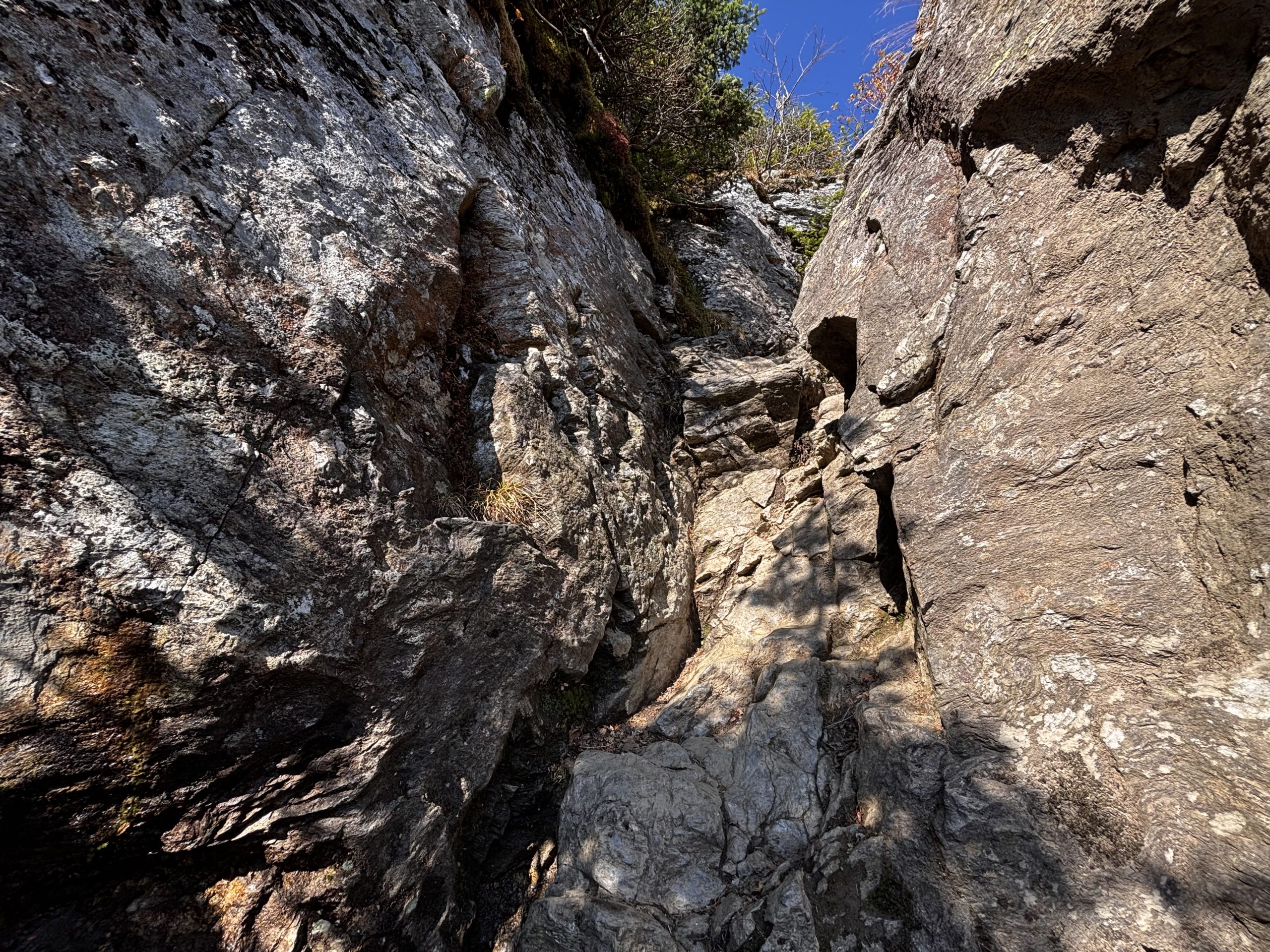
Essentially, you trade the struggle against thin air for a sustained, grinding battle against slick, uneven obstacles, proving that 1,000 feet of gain in Vermont often is harder than 4,000 feet in Colorado.
#5: The Green Tunnel Isn’t Monotonous
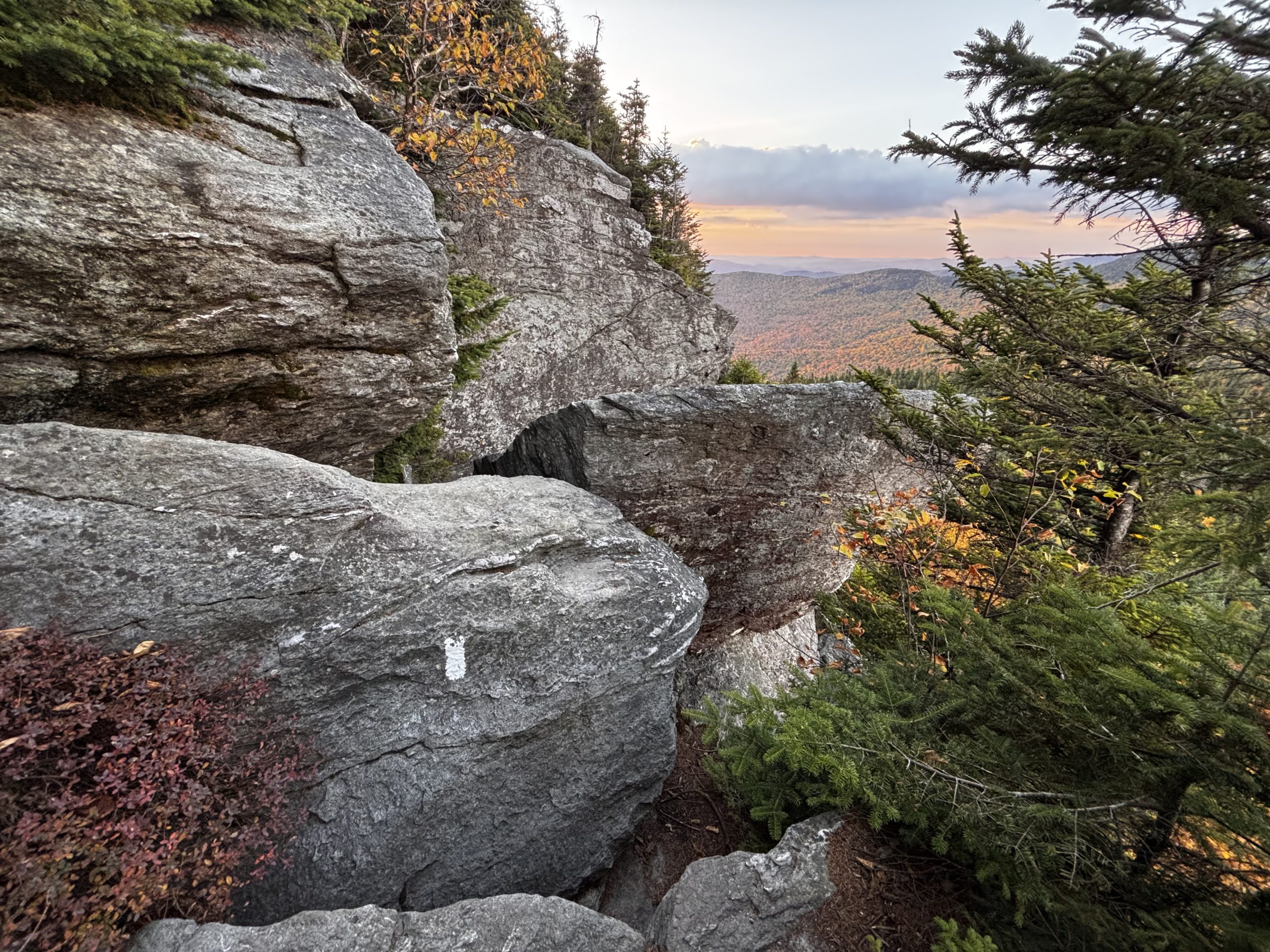
I am not going to sit here and pretend that the Long Trail is prettier than the CDT. If we are being honest with ourselves, that’s just a fundamentally untrue statement to make. But, I did actually find so much more beauty in the scenery than I’d expected, and think the criticism of the trail being a boring “Green Tunnel” is a little misinformed.
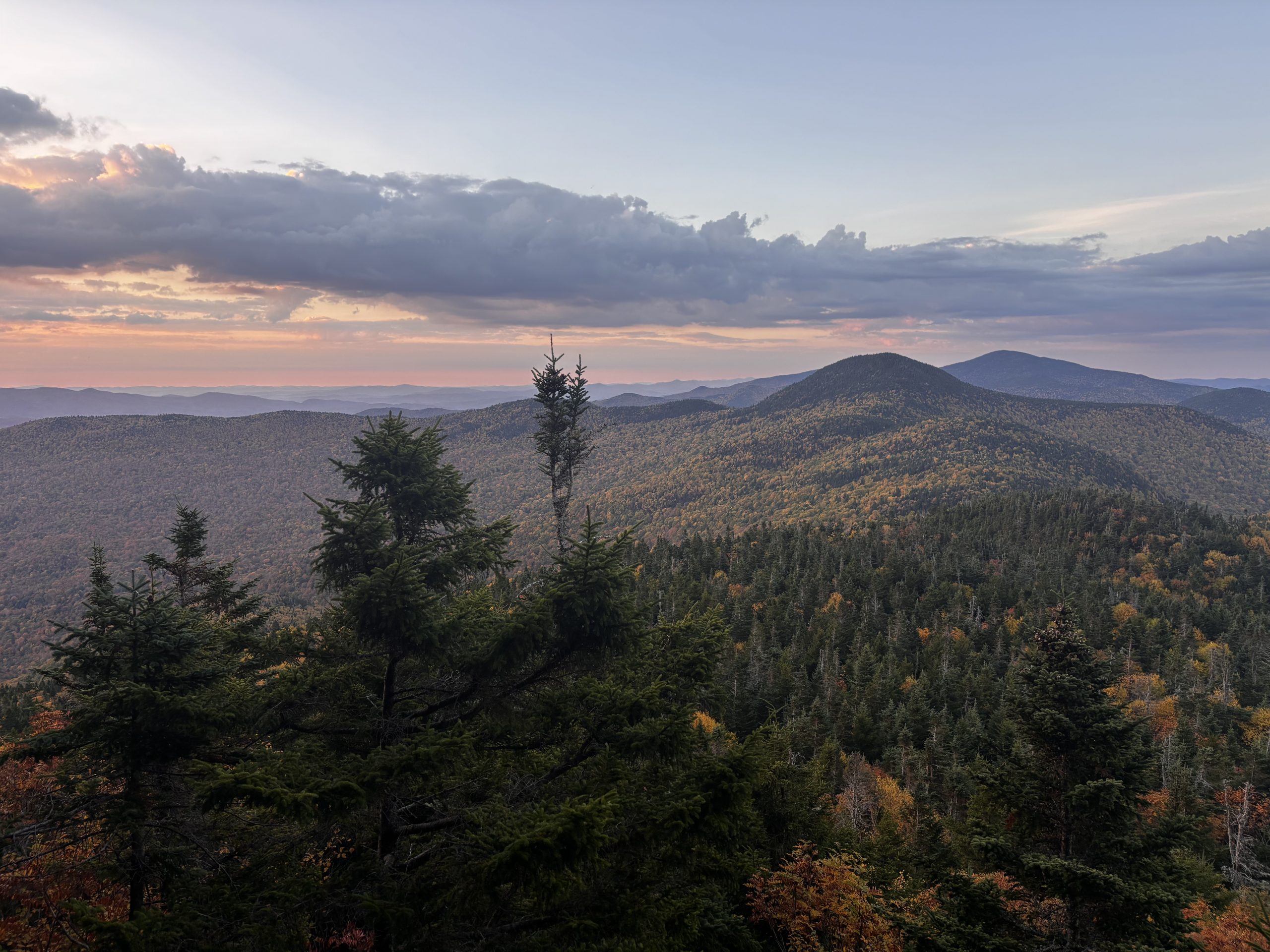
While, yes, there were not many exposed vistas with dramatic views, it was fascinating to watch the forest change by vertical layers. The lower slopes are dominated by humid, dense deciduous trees that provide deep shade and cover, which transition unexpectedly to cooler, darker balsam fir and spruce thickets near the summits. The sheer diversity in the moss covering the rocks kept me entertained and, if you hike out East, I’d wholeheartedly recommend listening to Robin Wall Kimmerer’s audiobook “Gathering Moss” as you walk.

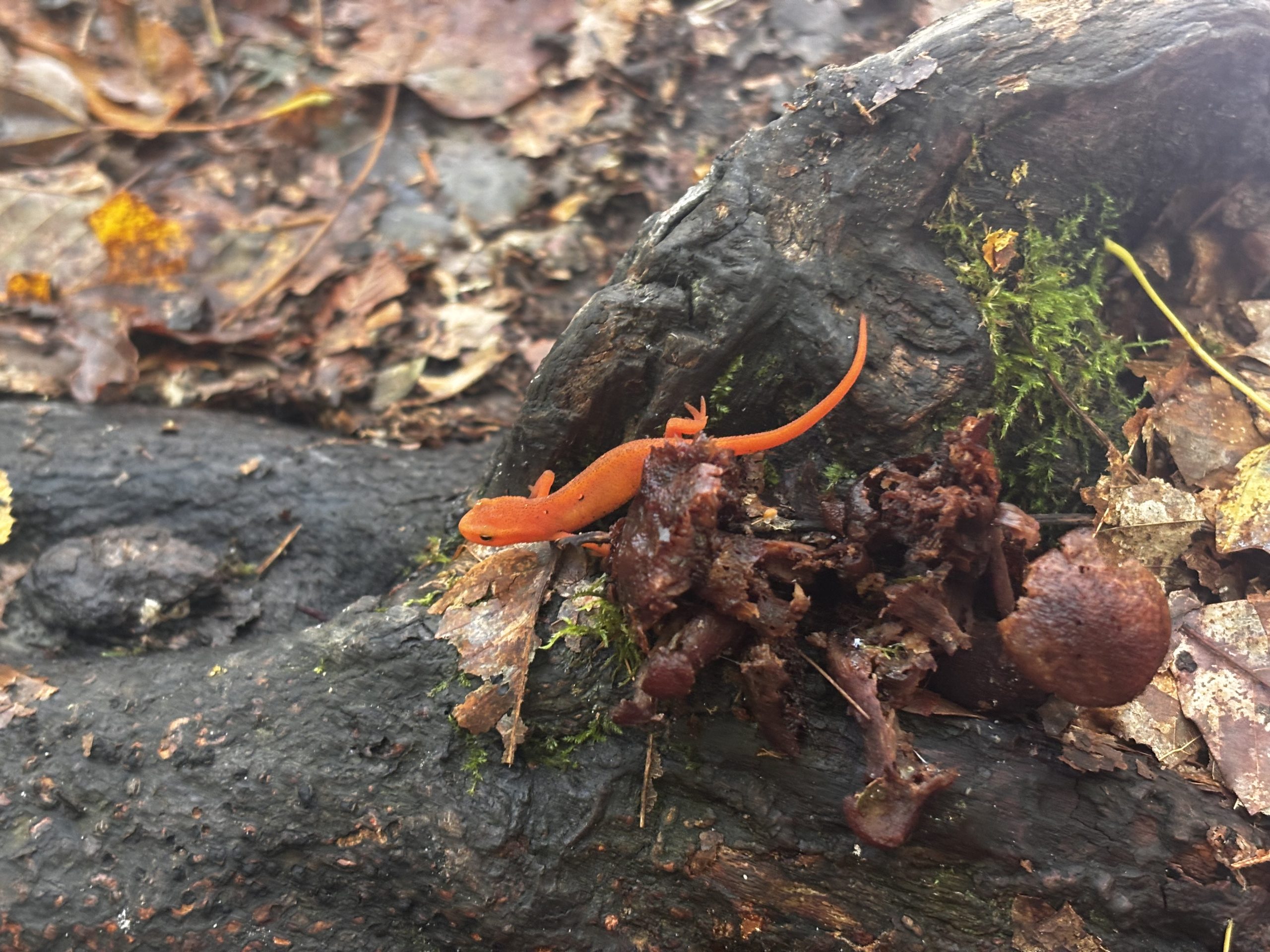
The trail forced me to focus on the micro-ecology and (yes, I know this sounds overdone and vague, but I mean it!) find beauty in the small things, like the little newts, beautiful curls in ferns, and tiny toads hiding in jewel-colored leaves. I’m not a good enough photographer to make this look as beautiful as the CDT (and, it isn’t, honestly) but I did not find myself bored with the views in the ways I’d expected to. The trail did actually have a lot of variety in what it shows you, as long as you’re willing to look smaller.
#6: Hike in Shoulder Seasons
I’ve been trying to be better about offering unsolicited advice about hikes, but please allow me this one: hike the Long Trail in the late fall!

The notorious summer heat, humidity, and constant bug pressure are gone. The vast majority of AT thru-hikers have already left Vermont, leading to far fewer crowds. Shelter spots become less competitive, and the cooler daytime temperatures leads to some downright pleasant conditions. You may have heard Vermont’s moniker “Vermud”, but you are far less likely to experience that struggle in October!
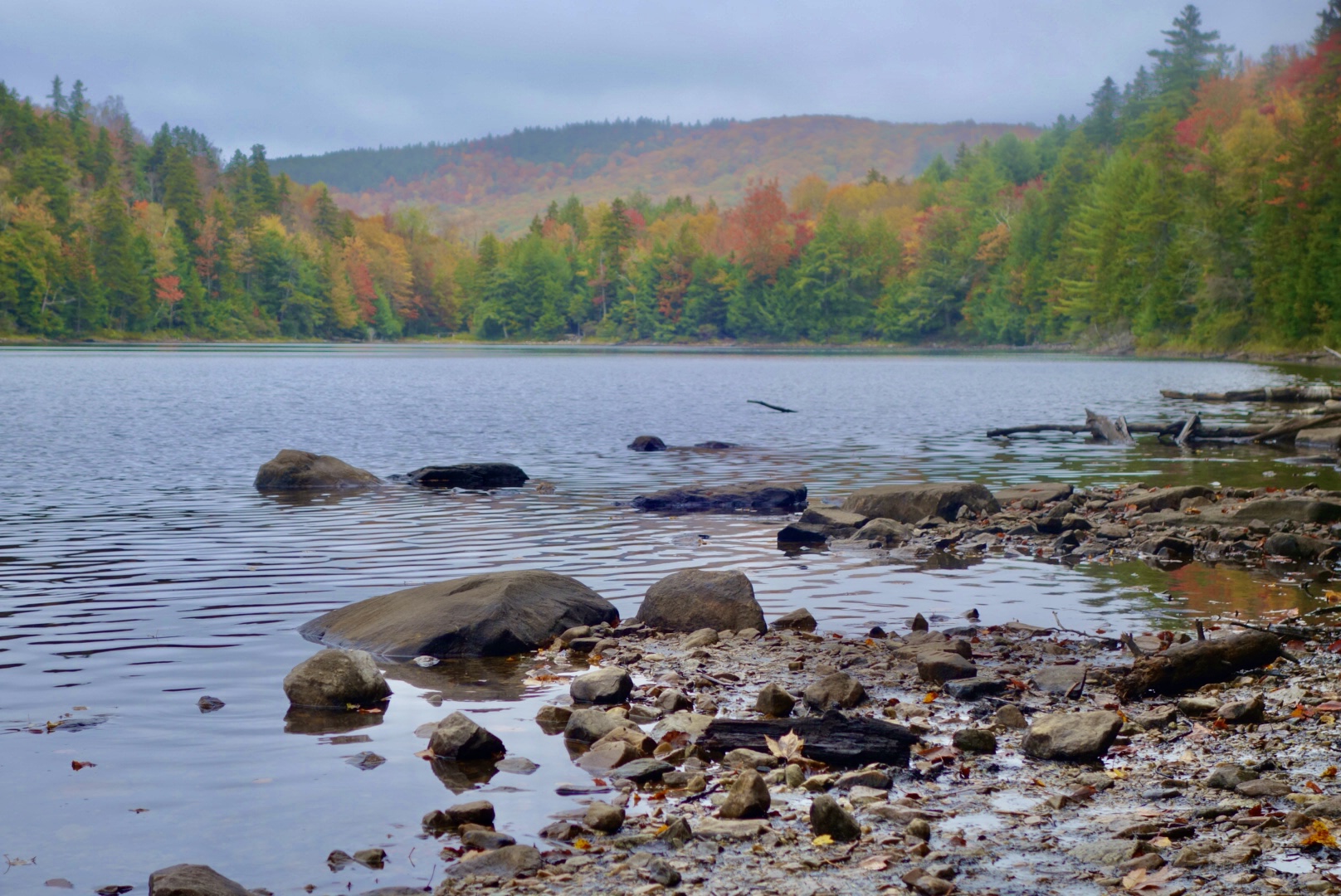
And, I haven’t even touched on the leaves! The explosion of fall color is the main reward for hiking outside of the main season. The tree canopy, which usually traps all your views, loses some density, letting you grab some incredible overlooks that are typically fully blocked during the summer. And, even when your view is blocked, the insane yellows, oranges, and reds are enough of a view in and of itself.
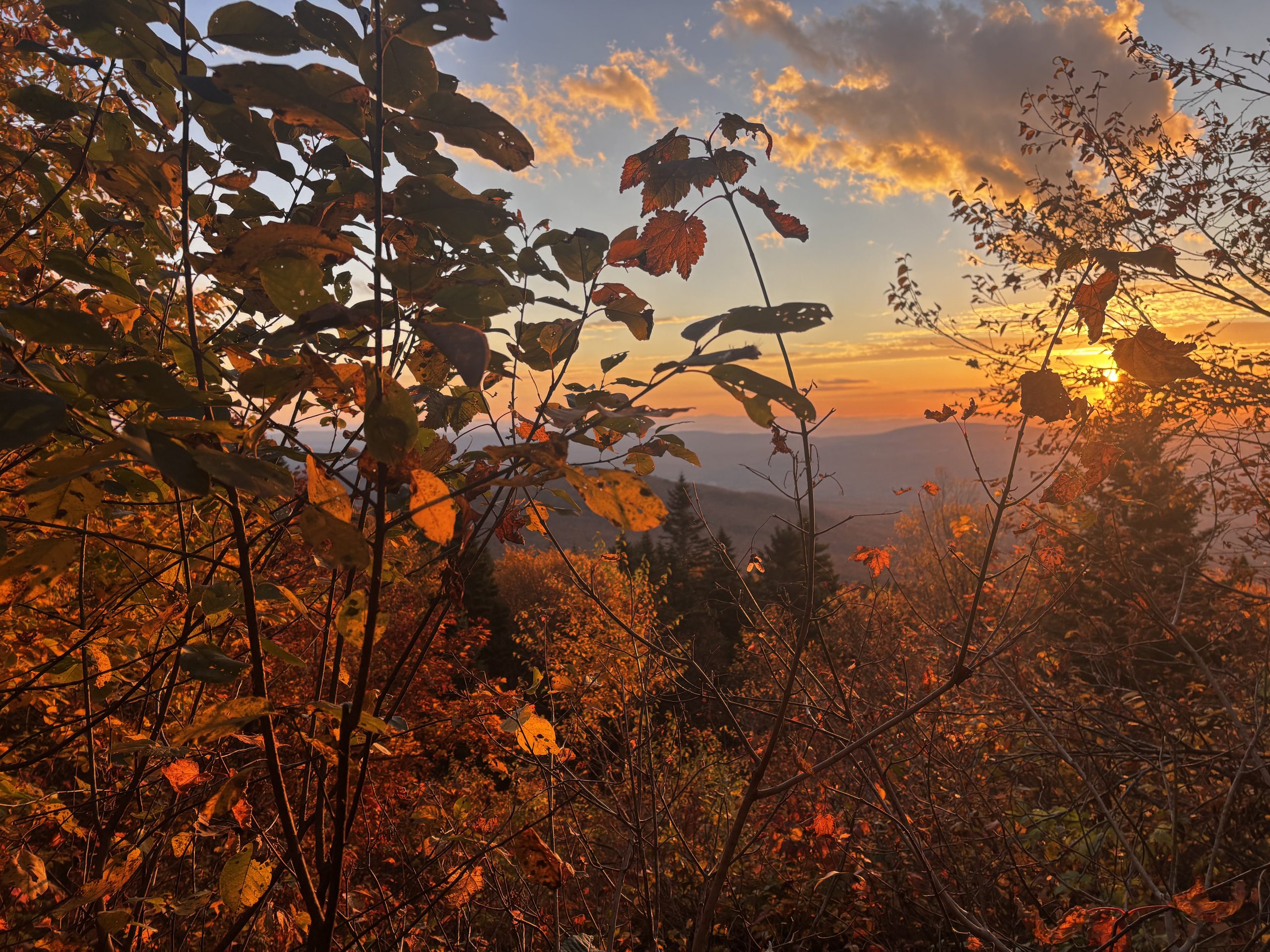
You might be cold at night; just bring a warm quilt or sleeping bag. It’s a no-brainer of a trade-off.
#7: Wet Doesn’t Mean Cold (But Still Sucks)
Before hiking the Long Trail, a friend warned me that I’d be perpetually damp all the time. As someone used to hiking out West, and as someone who is perpetually cold, I worried this meant I’d find myself freezing and uncomfortable all day long. This mostly did not happen, but the constant humidity did wear on my very soul.
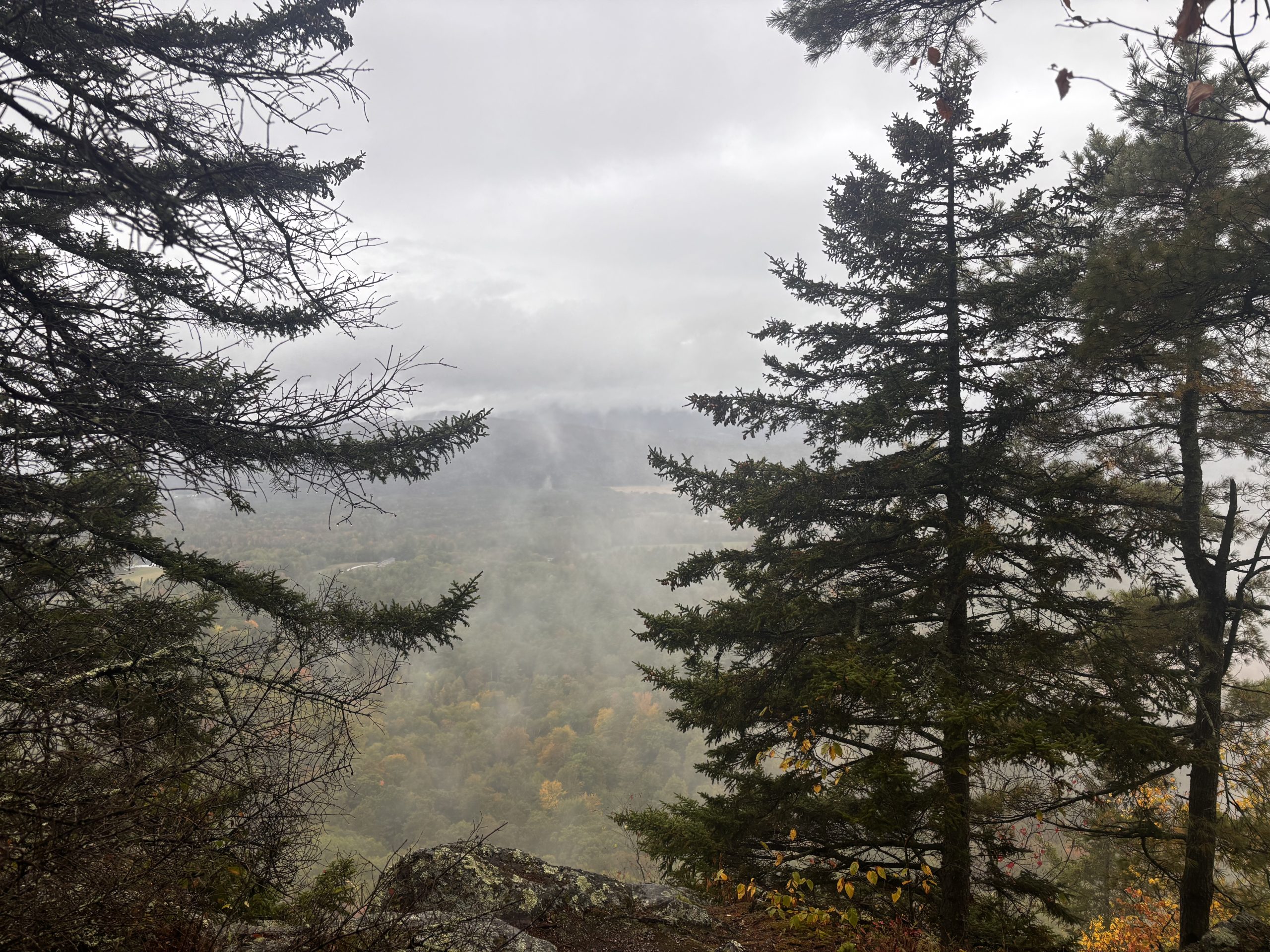
The key distinction is the climate: the moisture on the Long Trail is a function of high ambient humidity and saturated ground, not freezing alpine temperatures.
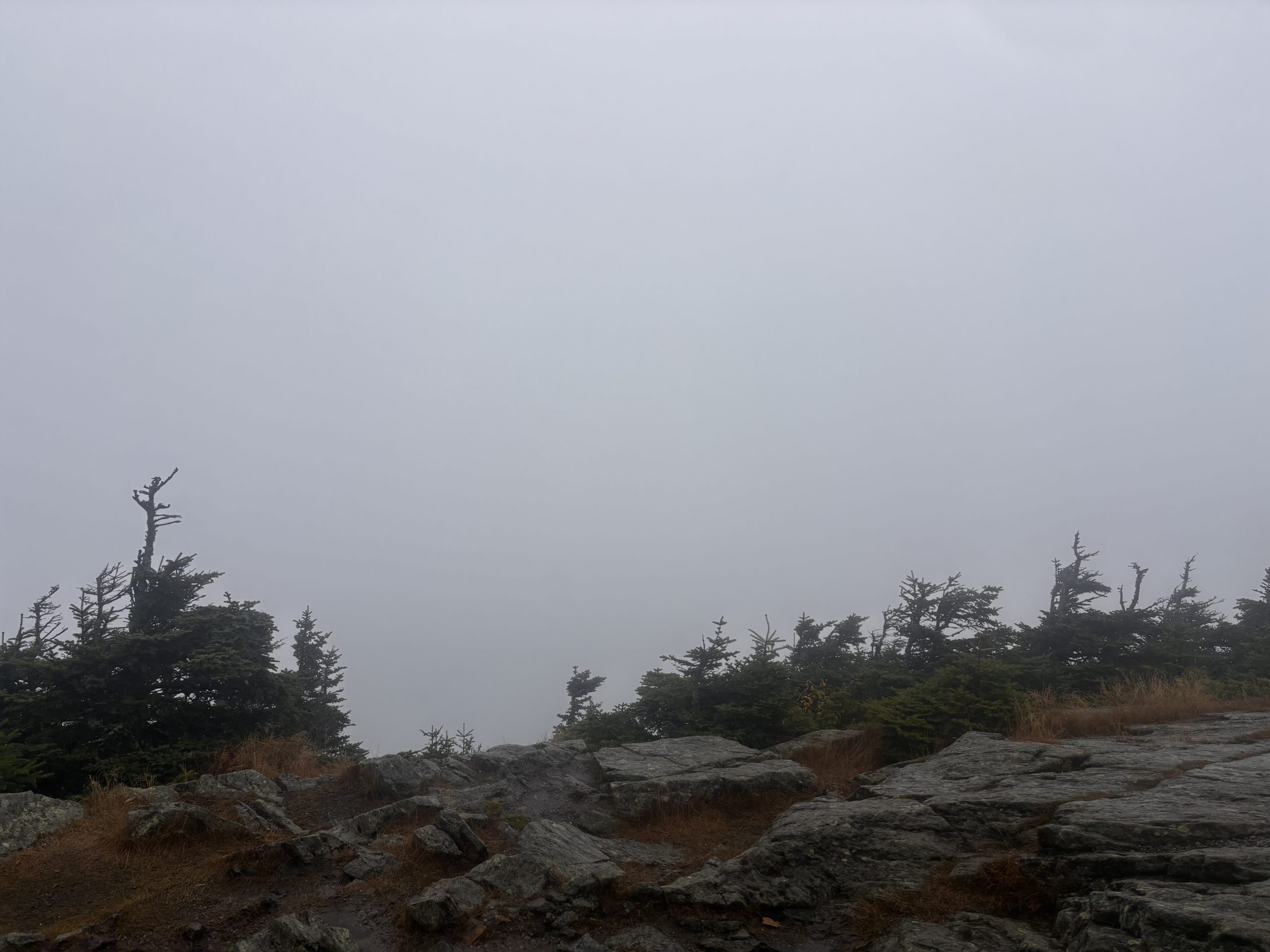
Unlike the Mountain West, where getting wet means immediate evaporative cooling (and often hypothermia and feeling super cold), the higher relative warmth of the Eastern environment means your body can usually maintain its core temperature. This leads to the peculiar, uncomfortable state of “warm dampness”: you are not freezing, but you are constantly sticky, and nothing—least of all your tent, pack, or socks—ever feels truly dry.
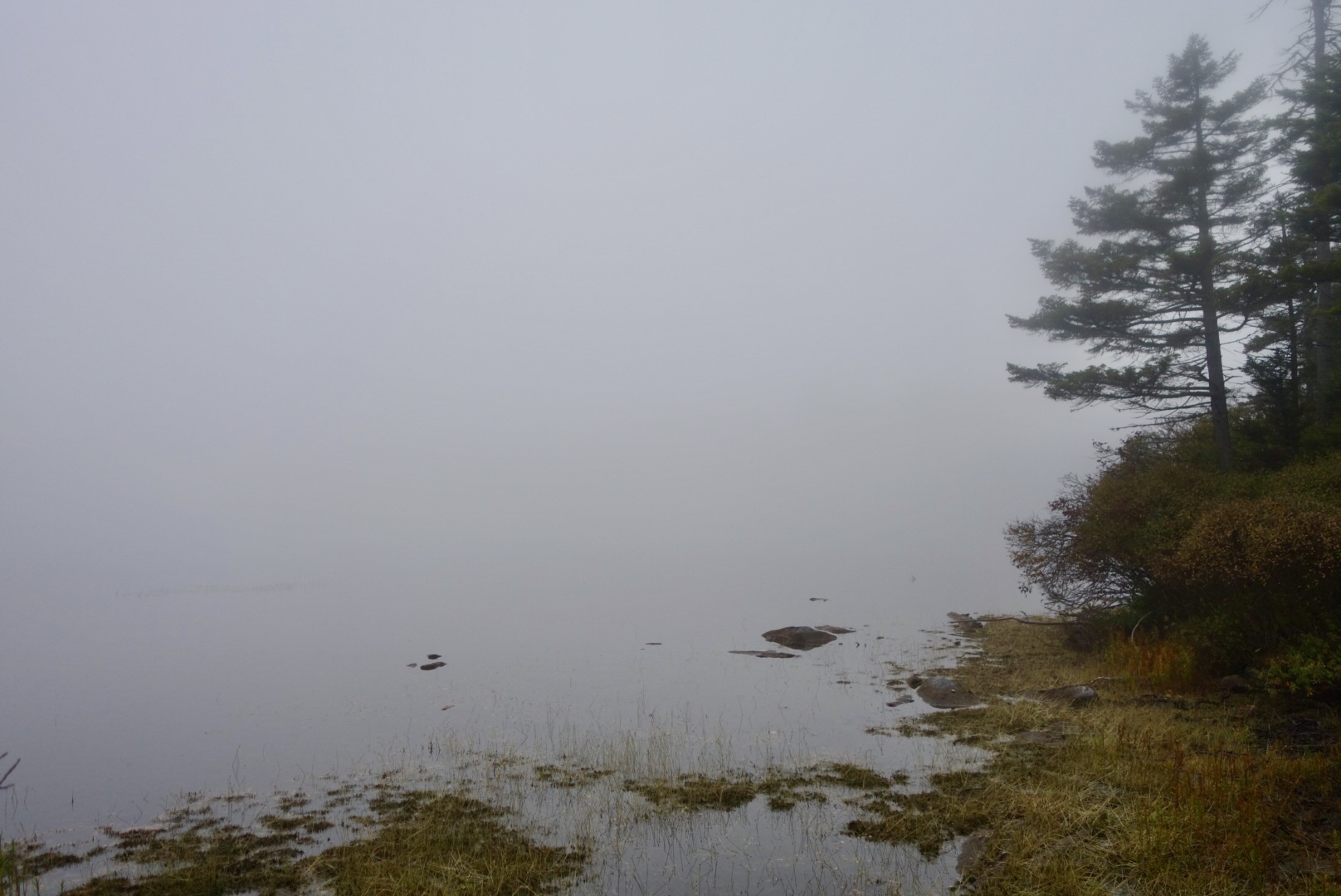
It’s a persistent, low-grade misery, but not as terrible as I’d envisioned. I was still perfectly fine with my two pairs of socks for this trail, but if you really hate wet feet, consider packing three.
#8: It’s Easy to Spend Both More and Less Time in Towns
The proximity of the Long Trail to civilization completely changes the nature of a town visit compared to the Mountain West. On the CDT, hitting a town often meant an hour-long, complicated hitchhike followed by another hour of logistics in towns not laid out in a hiker-friendly way, essentially requiring you to forfeit the entire day. Walking two miles from your hotel to a laundromat just to turn around and walk two miles in a different direction to a grocery store doesn’t leave you much time for trying to hitchhike 45 minutes up a dirt road back to a trailhead.

The Long Trail, however, frequently allows you to pop in and out of towns quickly, often walking just a half-mile down a road spur. This easy access means resupply is incredibly efficient; you can grab what you need, eat a hot meal, and be back on trail in just a few hours.

The downside? Because towns are so accessible, and because the hiking can be so physically and mentally taxing, the convenience creates the temptation to spend more time than necessary. It’s far too easy to justify taking a spontaneous zero or lingering for an extra night, disrupting your schedule and budget entirely just because a dry bed and a hot meal are immediately available.

It’s a double edged sword, really. I certainly never found myself complaining about my easy access to pastries and iced lattes, but those with a tight budget or schedule might find the temptation tricky.
#9: “Route Finding” is Not Needed (And Takes a Surprisingly Large Mental Load Away!)
On the CDT (sorry to keep bringing up the CDT, I’m obsessed with her), at a fork in the trail, the best bet for staying on trail was usually to pick the faint, unmarked, less traveled option. Not only was this flipped for the Long Trail, but the amount of white blazes, frankly, was ridiculous.
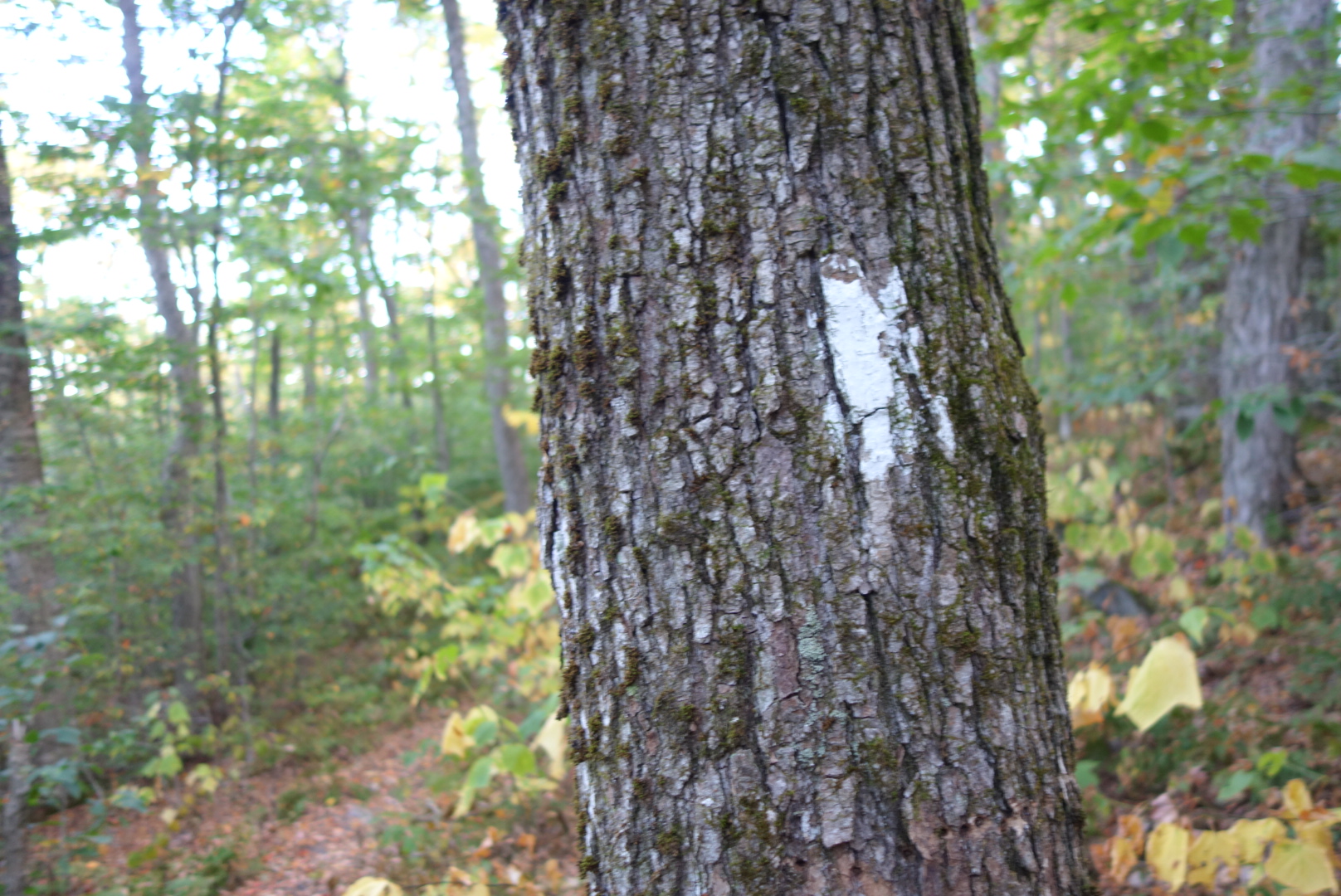
The sheer clarity of the path removed an enormous, unconscious mental load I never knew I’d been carrying. I didn’t realize how much energy I spend out West constantly verifying my direction until I spent two weeks on a trail where I could simply switch my brain off and walk. The Long Trail does not require “route finding” and, quite honestly, I never looked at my map other than to scout the next water source.
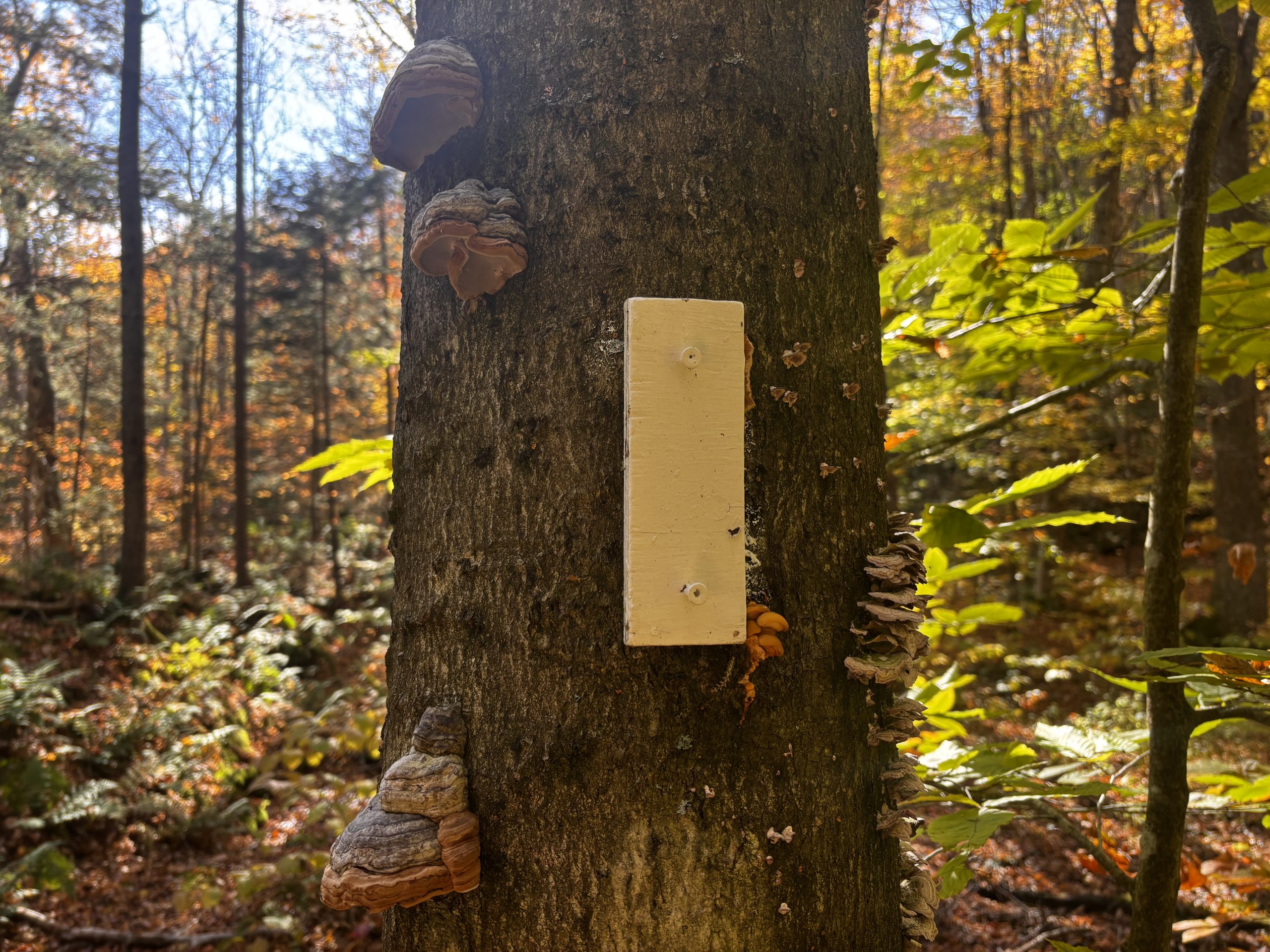
Wonderful. No notes.
#10: Shower More Yet Feel Dirtier
This is the ultimate paradox of the Long Trail. Out West, you might go ten days without a shower, but you’re so dusty and dry that the grime feels inert. On the Long Trail, the pervasive dampness and humidity creates an environment of active, biological funk, which is the only way I can think to describe this feeling. The close quarters of the shelters and privies amplified this feeling; I couldn’t stop thinking about norovirus and just how much skin-to-surface contact was happening everywhere.
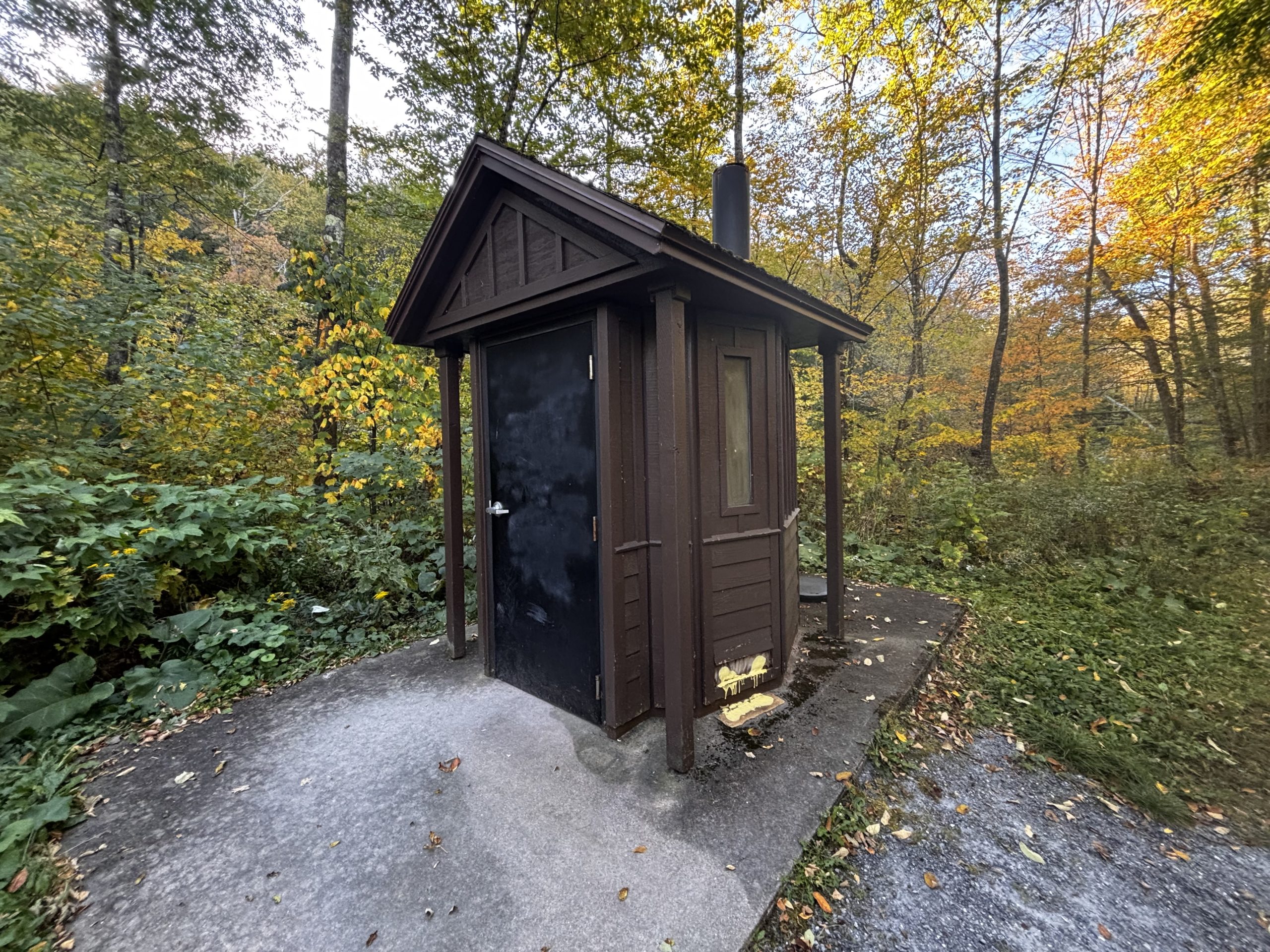
I felt perpetually grimy in a way the arid West never allows. This low-level panic was only manageable because the constant proximity to town meant I could grab a shower every few days. However, even with more frequent access to soap and hot water, I felt less clean in Vermont than I ever did after weeks of dusty cowboy camping on the CDT. Unconsciously, I only used two privies on the entire trail. Exposing myself to fewer “human germs” felt actively more sanitary than avoiding pooping in a hole in the ground.
Biologists, weigh in.
What’s Next After the Long Trail?
Short answer: I don’t know!
I have some hike planning in the works, and am currently trying to decide between the logistically easy Appalachian Trail or the grand views of the Hexatrek. Either way, if you enjoyed following along on this hike, head over to my profile to subscribe to my updates and articles! Alternatively, you can find me on Instagram for photos and videos from my times outside.
Happy Trails!

This website contains affiliate links, which means The Trek may receive a percentage of any product or service you purchase using the links in the articles or advertisements. The buyer pays the same price as they would otherwise, and your purchase helps to support The Trek's ongoing goal to serve you quality backpacking advice and information. Thanks for your support!
To learn more, please visit the About This Site page.

Comments 9
cool, but the porcupine likely fell out of the tree because you approached it for your photo. They can injure themselves with their own quills falling out of trees Best to leave them be as much as possible.
Cheers
Congratulations. I loved following your journey and look forward to your next one. I hope your quadricep heals quickly.
Thanks for documenting your journey! I’ve read all your posts and enjoyed them. I live in Vermont and have section hiked the entire LT, and it’s fun to see trails that are so familiar to me through the eyes of a western hiker. What you described is a little bit how I felt hiking out West last year re: the disorientation of a new landscape. Thanks for trying out a new ecosystem and I’m glad the trail grew on you.
“I am not going to sit here and pretend that the Long Trail is prettier than the CDT. If we are being honest with ourselves, that’s just a fundamentally untrue statement to make”. I guess thats a wrap on opinions and personal preferences huh? enjoyed your blog like always outside of that strange false declaration… which is itself, by nature, fundamentally untrue. Would be just as untrue if you swapped the trails in your sentence.
Hey Jingle- I agree! I meant nothing more to that than what I said- I don’t want to act like the Long Trail is fundamentally more beautiful than the CDT. It was not intended as a statement to the opposite at all 🙂
“pervasive dampness and humidity creates an environment of active, biological funk”
That had me laughing.
Thats why i like long distance canoeing/portaging in Minnesota and Canada. You can get clean every day, it’s glorious.
From an ex-Vermonter congrats on an amazing accomplishment. We love the Green Mountain Club for their amazing work on the shelters. Maybe the Florida Trail next? Rocks to Swamps.
Congrats on finishing! Sending healing thoughts!!
I’ve been to 43 countries and every state, but as a Vernonter there is a more intimate feeling on the land and in the community. Generally, our state motto, Freedom and Unity holds true.