
 ">


13 Skills That Separate Experienced Thru-Hikers From Beginners
We’ve often said that the most important ingredient in a successful thru-hike is a large dose of grit and determination, rather than a lot of backcountry experience or a certain fitness level. Yet even so, thru-hiking does actually require you to have some skills. The good news is, even if you have zero backpacking experience, most of these skills can be learned as you go.
What things do you need to be able to do to thrive on the trail? Here are some of the skills that set experienced thru-hikers apart from beginners.
1. Navigation

Photo: Rachel Shoemaker
Most thru-hikers on major trails these days use FarOut rather than navigating with a traditional map and compass, or even a GPS device.
Yet even when that’s the case, there’s a skill to using FarOut intelligently rather than just blindly following the red line. It can be a powerful tool when used properly, which includes taking into account crowd-sourced comments and downloading topographic base maps to give you more data about the surrounding terrain. (Having at least a basic understanding of how to read a topo map is still a skill I recommend every backpacker develop).
Beyond FarOut, you should know how to read trail markings (blazes or otherwise), be in the habit of occasionally checking in on your surroundings (including what the trail behind you looks like), and be able to tell when you’ve gotten off trail.
As your navigation skills become more advanced, you might want to play around with mapping tools like CalTopo to build your own custom routes, too. While not necessary on something like the Appalachian Trail, this opens up a whole world of possibilities, including off-trail adventures.
2. Staying Hydrated
“I know how to drink water” isn’t a skill most of us list on our resumes, but it’s fairly important when backpacking. Heavy exertion on trail increases your water needs, and taking in enough water (and electrolytes) is crucial to your health and to keeping your injury risk low.
At the same time, water is heavy. While it’s better to carry more than you’ll need, time and experience will help you judge how long it will take you to get to the next water source, how much you’ll need to drink during that time based on conditions, and the likelihood that that source will actually be flowing when you get there.
How much to carry and drink will vary by trail, by day, and by each hiker’s individual preference. Optimizing your water routine is one of those things that gets easier with more experience.
3. Resupplying

Organized chaos. Photo: Anna McKinney Smith
I used to get so overwhelmed when resupplying in the early days. I always spent way too long in the grocery store and often ended up spending too much money, buying foods I later didn’t want to eat, and buying either too much or too little.
Now I have a mental list of foods I’m confident will work for me and that I can find in most grocery stores (plus parallel lists for gas station resupply). I’m better at judging how much food and fuel to buy, and I now know to check for the existence of a hiker box before buying a completely new fuel when I just need a tiny bit extra (or buying a fresh box of ziplocks when I just need two or three).
I haven’t even mentioned the travails of resupplying via mail, which is a whole other beast and requires some organizational and logistics skills, plus a good understanding of the postal system.
Starting a long-distance hike before earning your PhD in Resupply is fine; you might end up spending more time or money at the grocery store than you’d like to at first, and you’ll probably make some significant contributions to the hiker box economy as you learn how your food preferences on trail differ from regular life. The more hiking you do, the easier this process will get.
4. Pacing Yourself
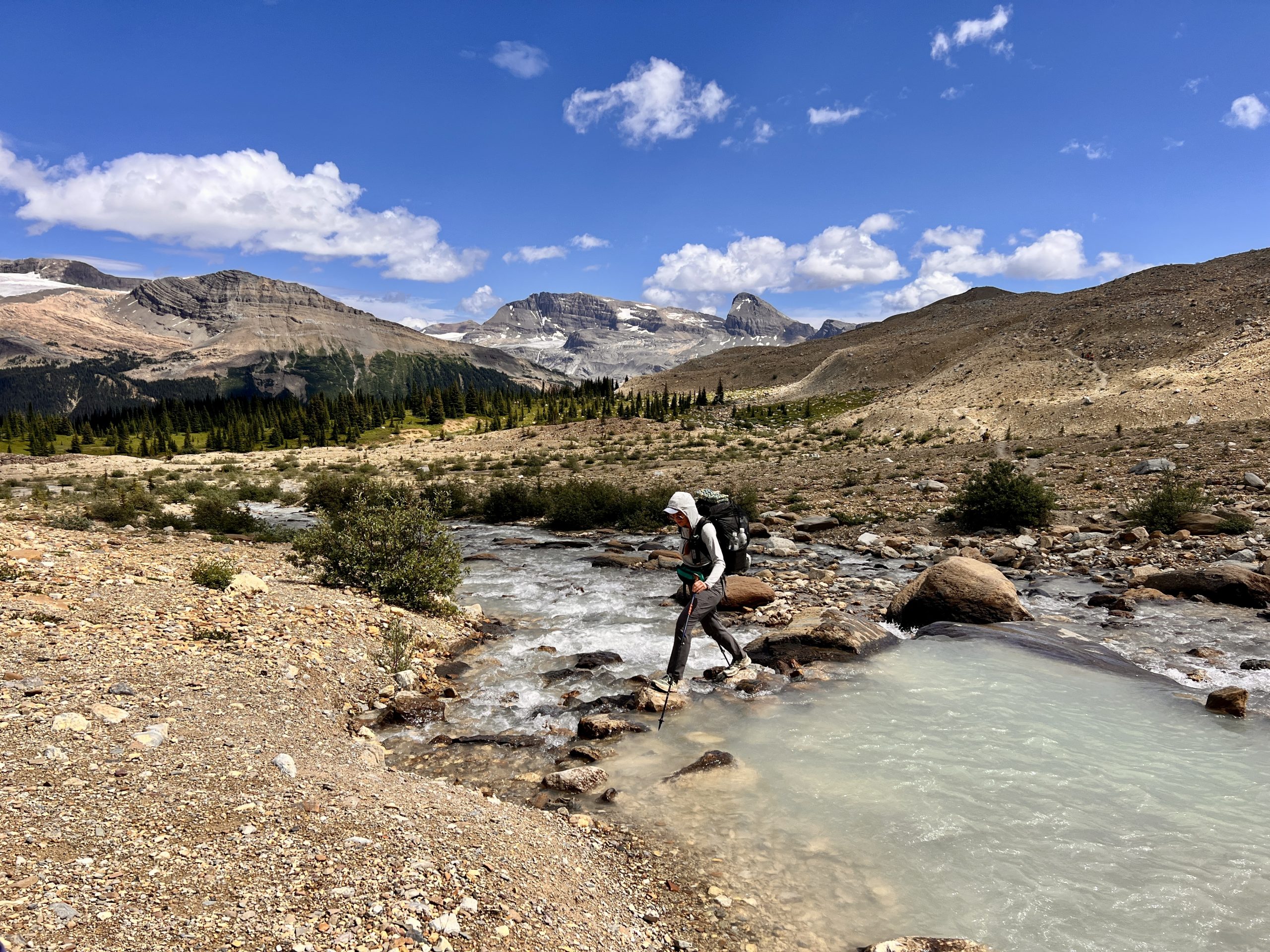
It’s good to map out a broad strategy for the progression of your hike so that you can pace yourself appropriately without overplanning. Being too casual could leave you rushing to reach the terminus later in the season. On the flip side, pushing too hard early on derails many a thru-hike by causing overuse injuries before a hiker’s muscles and joints have had time to adapt to the rigors of long-distance hiking.
When I started the AT, I made myself commit to not hiking more than 10 miles a day for at least the first 10 days (knowing myself and that I would want to start pushing hard early on).
Having a pacing strategy also applies on a day-to-day basis. I always used to get tired and have to stop for multiple breaks on long, steep climbs. Nowadays, I’m more attuned to the rhythm of my heart and can adjust my pace to keep my heart rate steady, so I usually can get up even long climbs without pausing.
I also have a strategy for big-mile days to ensure I reach my target goal, hopefully without rushing too much. That means sometimes getting up stupid-early, eating breakfast while I’m walking or on my morning break, budgeting for higher food and water consumption, and being mindful of breaks (not too many, not too few, not too long, and maybe air out my feet or do some stretching while I rest).
5. Preventing and Treating Blisters
Blisters and chafing are some of the most mundane, yet challenging, of thru-hiking problems. Yet it’s possible to finish even a multi-thousand mile hike largely unafflicted by either.
This requires choosing the right shoes (something that already requires a lot of trial and error), having appropriate clothing layers (and caring for them properly), and knowing which products work for you. Every hiker has their own rituals and go-to products for this purpose.
I was never a huge fan of toe socks for blister prevention even though many hikers swear by them. I carried plenty of pairs of normal socks so I could often change into a dry pair, though, and I wasn’t shy about applying Leukotape to my hotspots before they could develop into something worse. I was careful to rinse dirty socks to get some of the grit out of them and to let my feet air out on breaks.
The only chafing I personally have ever experienced while hiking is, randomly, under my armpits, and I found that wearing deodorant solved the issue. Many hikers swear by Body Glide.
6. Layering for the Elements
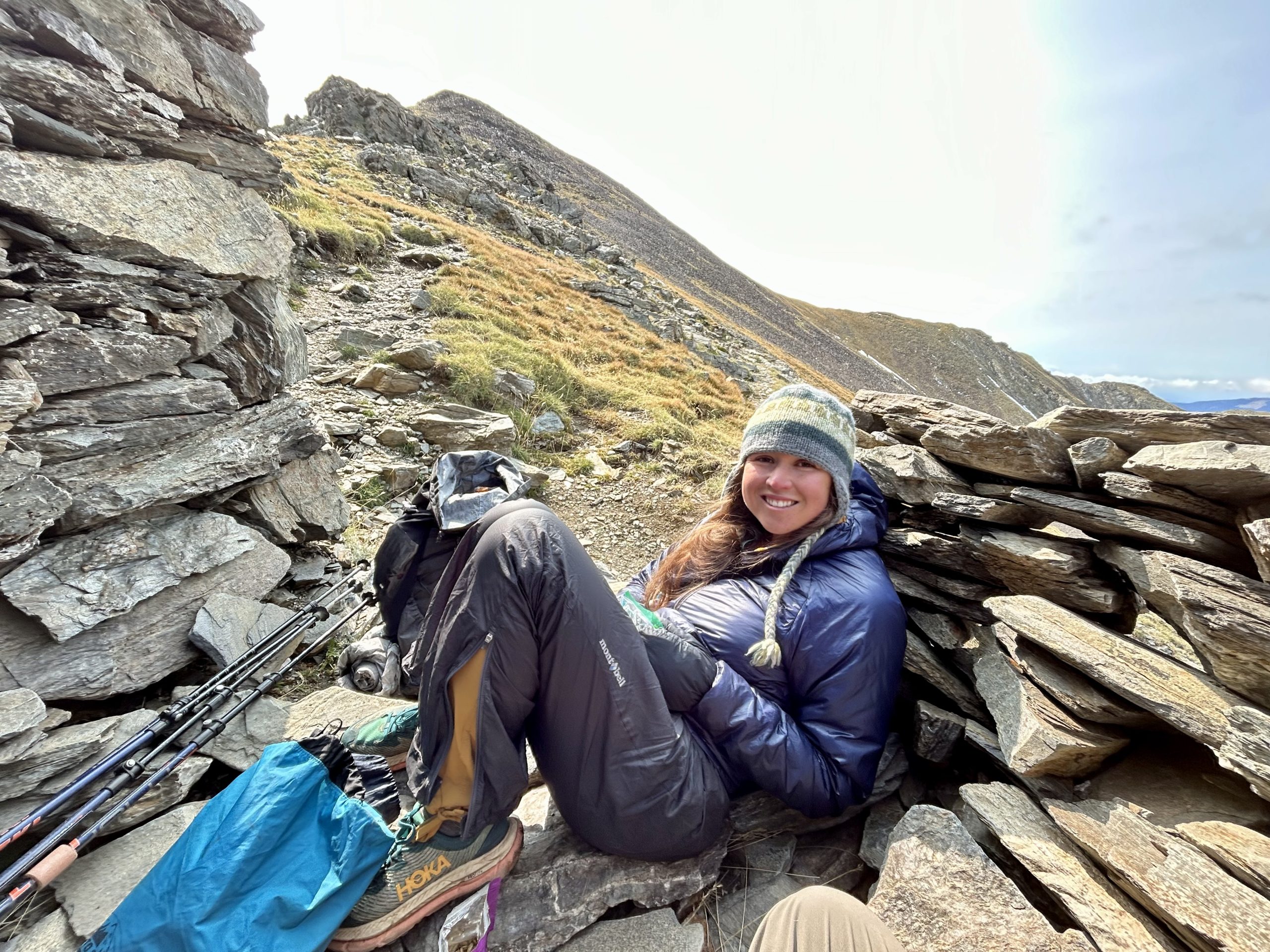
It’s not always obvious which layers to pack (or when to actually put them on and take them off), but you’ll get more comfortable with it in time. The key considerations are to avoid sweating in your clothes (as much as possible) and to avoid getting incinerated by the sun while simultaneously not getting hypothermia.
Basically: Make sure you’re packing base layers, midlayers, and a rain shell that are appropriate for backpacking (we have a lot of articles about this so I won’t rehash the whole strategy here), add and remove layers throughout the day as needed to stay at a comfortable temperature, and always carry a set of dry clothes that you can change into in case you get soaked and the temperature drops.
Over time, you’ll determine your own thresholds for when to don/take off various layers. I used to stop and put on rain gear as soon as the first drop fell, for instance. Now I almost always wait to see if it will develop into a full-on storm before donning my Frogg Toggs.
READ NEXT
- Best Backpacking Rain Jackets
- Best Down Jackets for Backpacking
- The Desert Hiker’s Clothing Guide
- How To Layer for Cold Weather Hiking
- Appalachian Trail Gear List (check out the clothing recommendations)
- Wind Shirt + Alpha Direct: The Next Layering Revolution?
7. Snow Travel, River Crossings
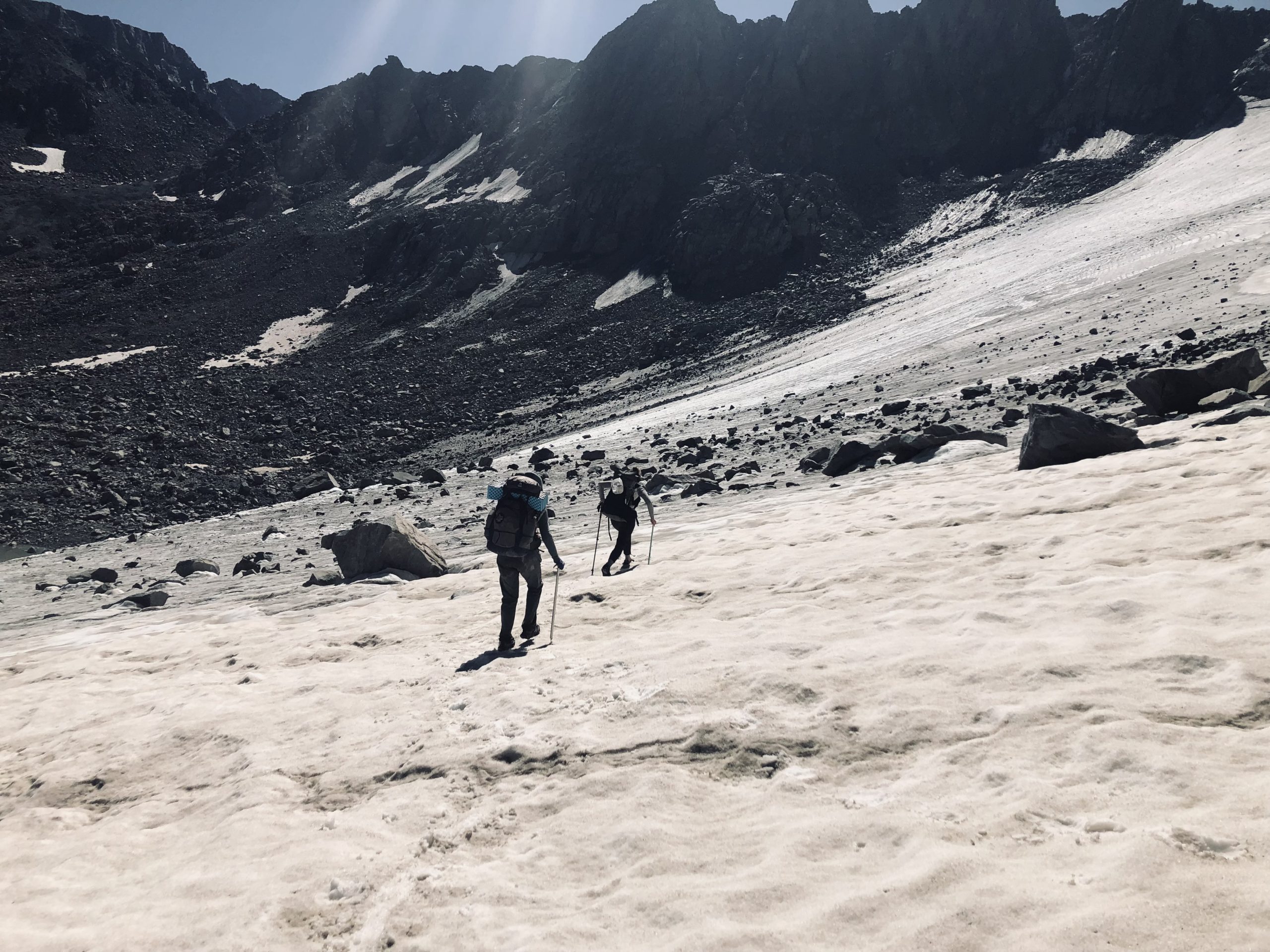
Snow travel is a big topic that merits its own article. Broadly, this includes knowing how to navigate on snow-covered trails, how to use microspikes, crampons and/or snowshoes to comfortably travel, and understanding landscape hazards like snow bridges, tree wells, cornices, and avalanche terrain. It means knowing how to use an ice axe for daily use and self-arrest. And it can mean (among other things) knowing how to make camp in snow and how to get water, care for your gear, and stay warm in sub-freezing temperatures.
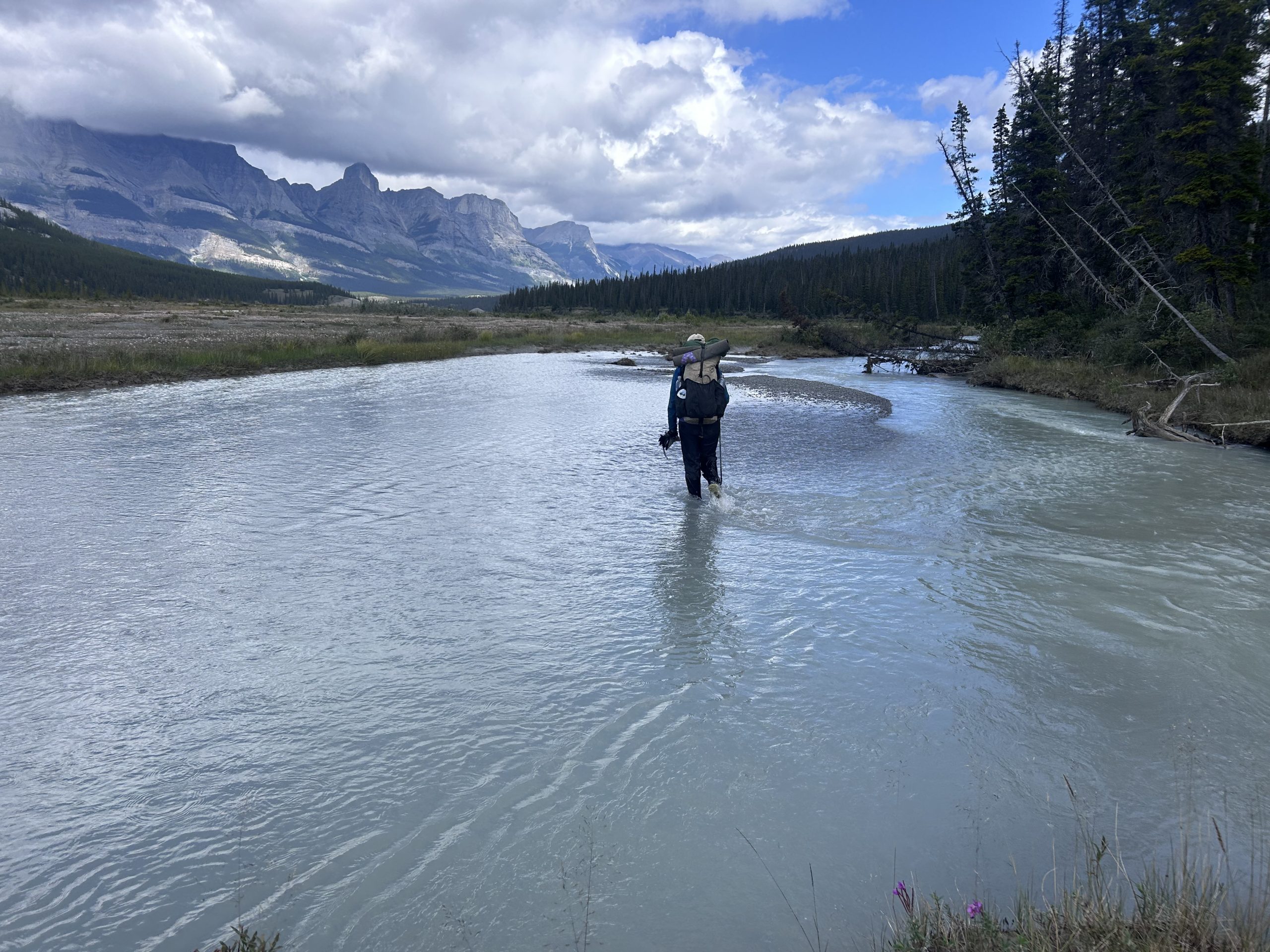
Fording a swift, deep river is also a skill, and I wouldn’t recommend attempting it by yourself, at least the first few times. Judging the safest place to cross and getting familiar with the startling strength of flowing water and the uncertain terrain of a river bed require practice and experience.
8. Dealing with Wildlife and Problem Plants
Can you identify poison ivy? Different trails have different plant-related hazards, and knowing how to recognize at least the most common and most dangerous ones can save you from future pain and suffering.
Same goes for animals. Knowing how to deal with wildlife means storing your food properly to avoid attracting them to your camp, respecting their space if you encounter them on trail, and knowing what to do if you do come face to face with bear, mountain goat, moose, etc. while hiking. Animals are not something to fear on a thru-hike, but they should be respected; you’re in their house, after all.
On a related note, bugs are going to be a hallmark of almost every thru-hike in three-season conditions. Knowing how to deter mosquitoes, ticks, sandflies, etc. is a skill you’ll develop by painful trial and error. This involves careful campsite selection, clothing choices, and preventive measures like wearing bug spray and treating clothes with permethrin.
9. Understanding Your Gear

Photo: A gear genius who knows everything about how tarps work.
You might start the trail with a basic understanding of how to use your gear, but you can believe you’ll be one of the world’s foremost authorities on pitching the Big Agnes Tiger Wall 2 after doing it 180 times in a row on your way to Katahdin. Making and breaking camp took me much longer when I first started long-distance hiking than they do now.
Packing everything in the most comfortable, logical, and space-efficient way was also a skill I had to develop. It’s not just about making everything fit in your pack, but keeping high-use items more accessible and making sure the weight is balanced. To this I will add the skill of adjusting your backpack itself to ensure it fits correctly.
10. Hitchhiking
Hitchhiking is part of the adventure on most thru-hikes. I was really nervous about this when I first started and didn’t really know how to do it. Fortunately, a few more experienced hitchhikers showed me the ropes.
There’s more to it than just sticking your thumb out. You’ve got to know which roads are best for catching rides, which part of the road to stand on, how to not look like a serial killer so your driver feels safe, how to take precautions and, if necessary, turn down a ride so that you feel safe, and how to be a courteous guest. I wrote a post about it back in the bygone days of my youth, which you can peruse if this subject interests you.
11. Being Comfortable With Being Uncomfortable
Living outside and stumping around in the mountains with weight on your back for months on end is, unsurprisingly, not always comfortable. “Embrace the suck” is one of the most famous thru-hiker sayings. To put it another way, if you’re going to have a successful and enjoyable long hike, you’ll need to accept that a significant amount of physical and psychological discomfort is going to be part of that experience.
The Trek’s founder literally wrote the book on dealing with the mental challenges of thru-hiking. Some of the key strategies Zach recommends are to have a very clear understanding of your motives for thru-hiking and to never quit on a bad day. It’s a good idea to always be ready with a special treat, some music you love, or another similar comfort that you can carry with you to help lift your mood when things get tough.
12. Reading Mountain Conditions
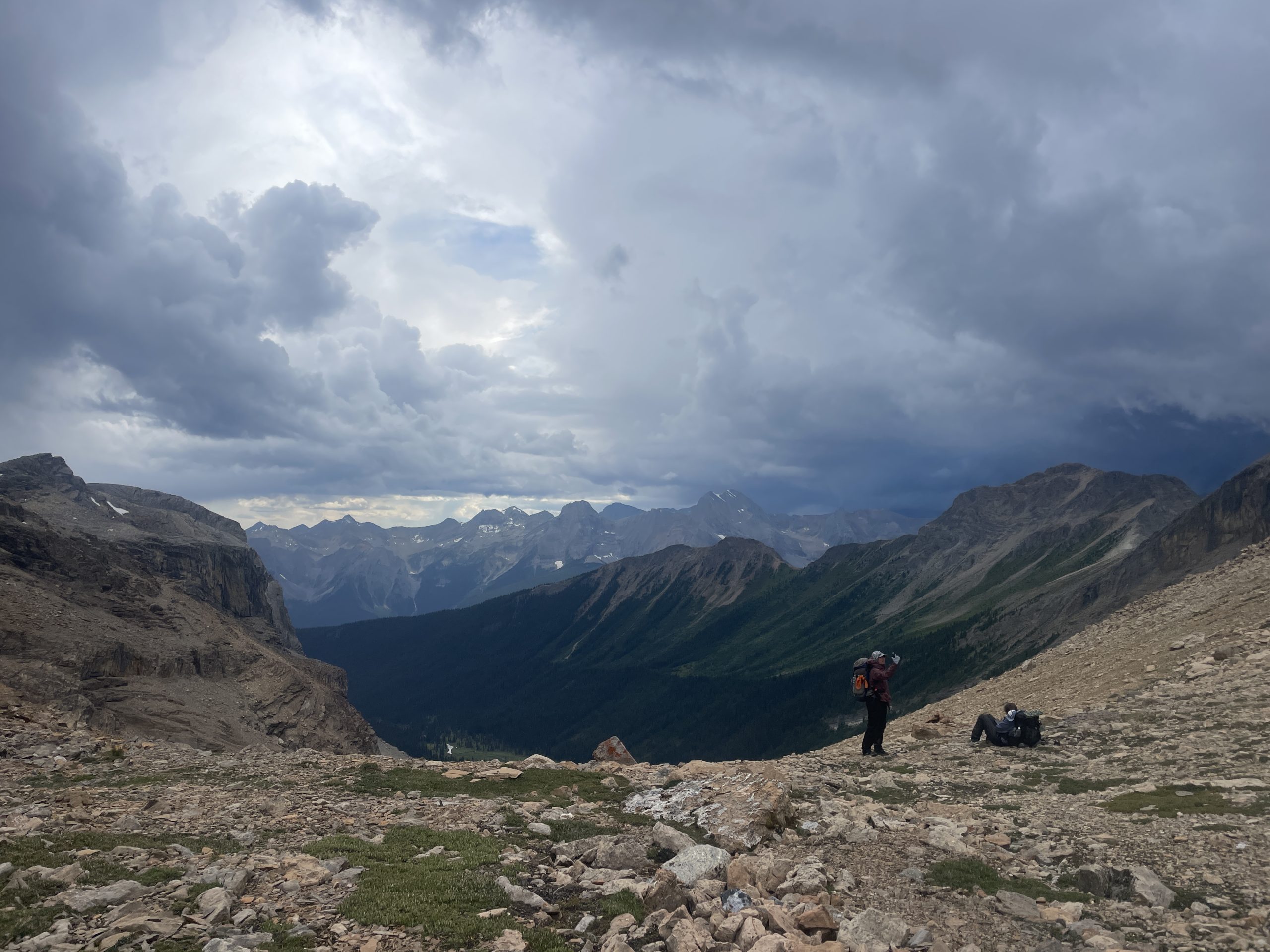
“It’s fine. We’re fine. Everything’s fine.” (It was literally sunny and fine 30 minutes before this photo was taken.)
Understanding the behavior of mountains is an important thru-hiking skillset that can impact your safety. This is another topic that could easily be the subject of several dedicated articles.
While this will become more second-nature over time, it’s good to do some research before your first thru-hike and understand basics of mountain safety.
Examples:
- Temperature generally decreases as you gain elevation. Cold rain in town could be snow on the pass. At the same time, cold air tends to sink and settle in valleys.
- High mountains are prone to afternoon thunderstorms in the summer, and bad weather can develop shockingly fast.
- Streams tend to be smaller and safer to cross in the morning when more water is still frozen.
- Altitude sickness can present in several different ways, and you’re most at risk of it above 8000 feet, especially if you ascend more than 1500 feet in a single day.
- UV is more intense at high elevations and you can sunburn much more quickly than you would lower down. If you’re hiking on snow, the reflection can also cause sunburn in some rather unexpected places, like your eyeballs and the inside of your nostrils.
All of these things are manageable if you know about them. If you’ve never been in a high mountain environment before and you’re preparing to enter, say, the High Sierra or something, it might be a good idea to spend at least the first few days with another hiker.
13. Knowing When To Turn Back

Don’t be like me and go into the mountains during a literal hurricane because you don’t want to mess up your carefully drawn schedule.
Sometimes you have to have the maturity and humility to recognize when something is beyond your skill level, fitness level, or current gear setup to do safely. Maybe it’s a particularly technical section of trail, an unexpected steep-angle snowfield, or again, a literal entire hurricane descending on the Smoky Mountains just when you wanted to hike through them.
A small delay in your thru-hike is not worth your safety. Sometimes you have to slow down, shelter in place, or turn around. Recognizing that is not a weakness.
This isn’t an exhaustive list of every possible skill that could come in handy on your thru-hike. I could add Leave No Trace, campsite selection, first aid, and many other things to the list as well.
Many of these skills can be honed in other walks of life, so even if you have zero backpacking experience, you may still come into the trail with a solid baseline in some of these areas. As thru-hiking is a unique (and uniquely intensive) activity, chances are even experienced hikers will continue to fine-tune their skillset over the miles.
Featured image: Graphic design by Chris Helm.

This website contains affiliate links, which means The Trek may receive a percentage of any product or service you purchase using the links in the articles or advertisements. The buyer pays the same price as they would otherwise, and your purchase helps to support The Trek's ongoing goal to serve you quality backpacking advice and information. Thanks for your support!
To learn more, please visit the About This Site page.

Comments 3
Great article, thank you.
Thank you, Ibex. A great article on thruhiking reality. I enjoyed it immensely!
No offense to the author—In a stunning display of avant-garde conformity, the digital landscape has achieved true harmony. Scholars note that today’s Trek commentary has evolved past the need for individual thought, successfully streamlining the creative process so that a single template can effortlessly generate infinite identical paragraphs year after year. Analysts compare the phenomenon to an advanced eco-system where articles naturally reproduce via copy-paste mitosis, ensuring readers are safely insulated from the terrifying wilderness of an original idea. GET NEW MATERIAL!!!