
 ">


Andrew Skurka’s 5 Rules for Leading a Great Backpacking Trip
The below is a transcription. Minor edits have been made for clarity and readability, while preserving the original message and intent. This video is part of a new series on The Trek’s Youtube. Check out the full video and subscribe to our YouTube channel.
If you’re interested in joining a guided wilderness expedition lead by Andrew Skurka, go to andrewskurka.com/guided-trips to learn more.
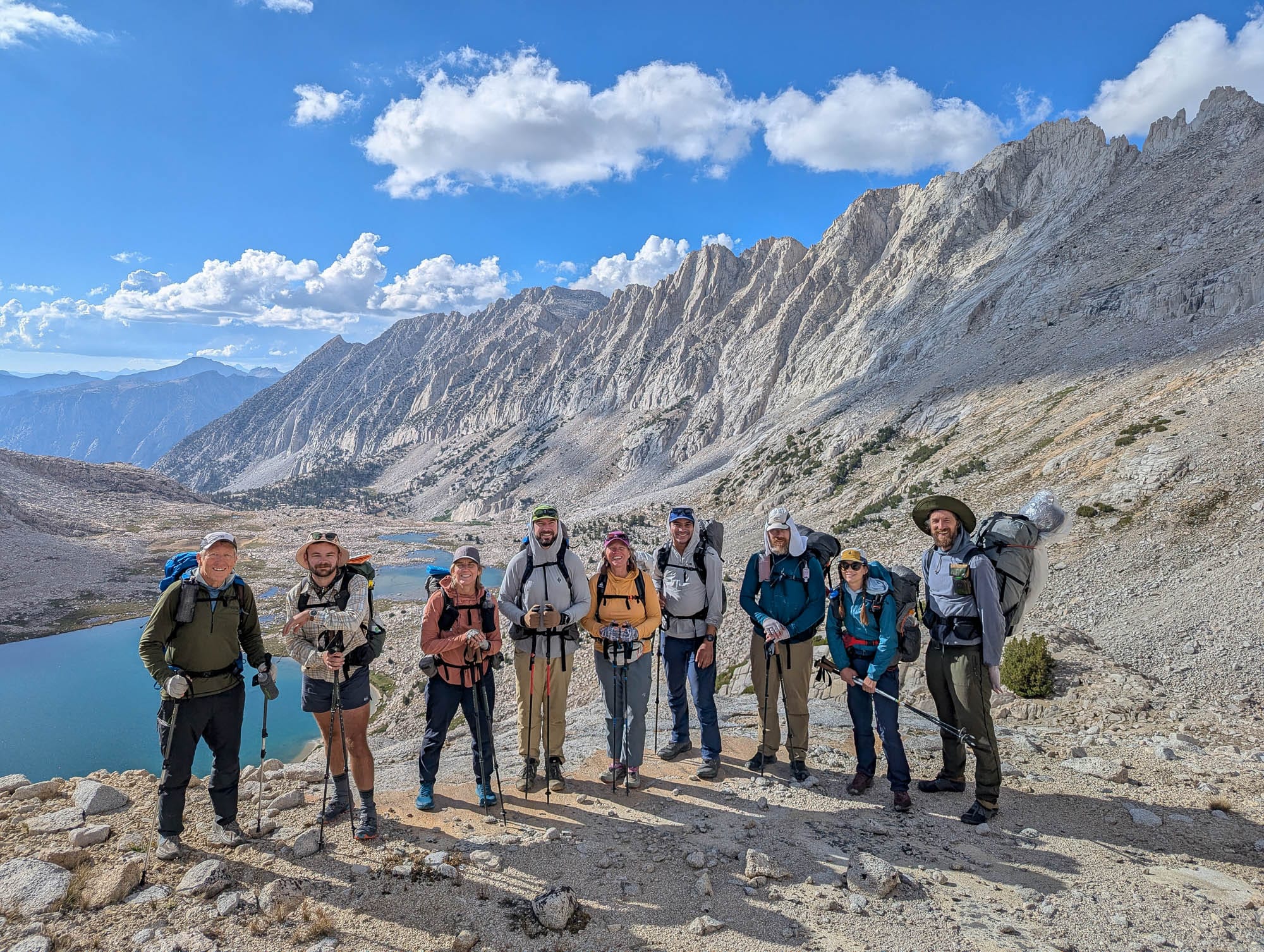
This article is for you if you’re a friend who wants to take other friends backpacking, if you’re a parent or spouse who wants to take members of your family—your children or your spouse—backpacking, or if you’re a thru-hiker or very seasoned backpacker who wants to try your hand at becoming a guide or instructor. It could also be for a Scout mom or dad, or a hiking club member or leader who wants to take other people backpacking.
In all of these cases, you’re taking on the role of trip leader. And I want to share five rules that I’ve found really helpful in running my own trips.
Hi, I’m Andrew Skurka. I used to be a thru-hiker. I was the first person to hike the Sea-to-Sea Route and the Great Western Loop, and I completed the Alaska-Yukon Expedition. I wrote a book called The Ultimate Hiker’s Gear Guide, published by National Geographic.
For the last 15 or 16 years, the thing I’ve been doing most is guiding backpacking trips in places like southern Utah, Alaska, the High Sierra, and Yellowstone.
This is a weekly video series that I do with The Trek. We drop a new video every Monday at noon.
If you enjoy today’s video—and definitely make sure to look at some of the older ones—there’s a like button and a subscribe button right underneath this video. Please do us a favor and click those as well.
If you have questions about this video, maybe some additional rules for trip leading, or other topics you’d like me to cover in a future video, make sure to leave a comment below.
What Does a Backpacking Trip Leader Actually Do?
Since 2011, I’ve guided about 130 trips. I’ve had over 1,000 clients on those trips and spent about 650 days in the field. In addition to my personal guiding experience, my company has run about 430 trips in total with over 2,400 clients.
These aren’t the only five rules to becoming a good trip leader, but they’re five that keep coming up time after time. If you follow them, they’ll definitely help you run successful trips, whether that’s in a professional setting like mine or just casually with friends or family.
I think you can break the responsibilities of a trip leader into two phases.
Before the Trip
The first phase is everything the trip leader needs to do before the trip actually starts.
The trip leader is going to be very formative in:
- Creating a route
- Securing permits
- Figuring out travel plans and logistics
- Planning lodging, airfare, and rental cars
- Planning meals
- Offering gear assistance
- Doing emergency planning
- Knowing bailout points
- Making sure the satellite messenger is set up
Sometimes, as the trip leader, you’re being paid to do those things, and that’s fine. But if you’re doing this in a more casual setting—maybe it’s a group of friends or members of your family—I’d encourage you not to take on all those responsibilities yourself.
Oversee them, for sure. Make sure the plan is good. But get other people involved.
I think doing that has two benefits.
First, when people are involved in planning the trip, they feel more engaged and more committed.
The other benefit is that if you want these people to go backpacking with you again, it’s great if they learn some trip-planning skills. That reduces the amount of time and effort you’ll have to put into the next trip.
If you can teach someone else how to do the meal planning, use CalTopo, or navigate Recreation.gov, those are things you can delegate on a second trip.
During the Trip
The other role of the trip leader happens during the trip. What you’re asked to do is going to vary with the trip and the circumstances.
Sometimes you’re an empathetic listener. Other times, you’re an executive decision-maker. Other times, you’re the energetic go-getter who is willing to retrieve water at the end of a very long day. Sometimes you’re offering emotional support, or maybe support in the form of some Trader Joe’s Sweet & Sour Scandinavian Swimmers to someone who needs a little boost. You’re also often just managing the group and maybe anticipating their needs before they even know what they need.
Overall, what I would say to a trip leader in the field is that your primary job is one of service. You are there to make sure that the trip is a success. And success is measured by what the individuals in your group actually want from it.
Rule #1: Recognize That Trip Leading Is Its Own Skill
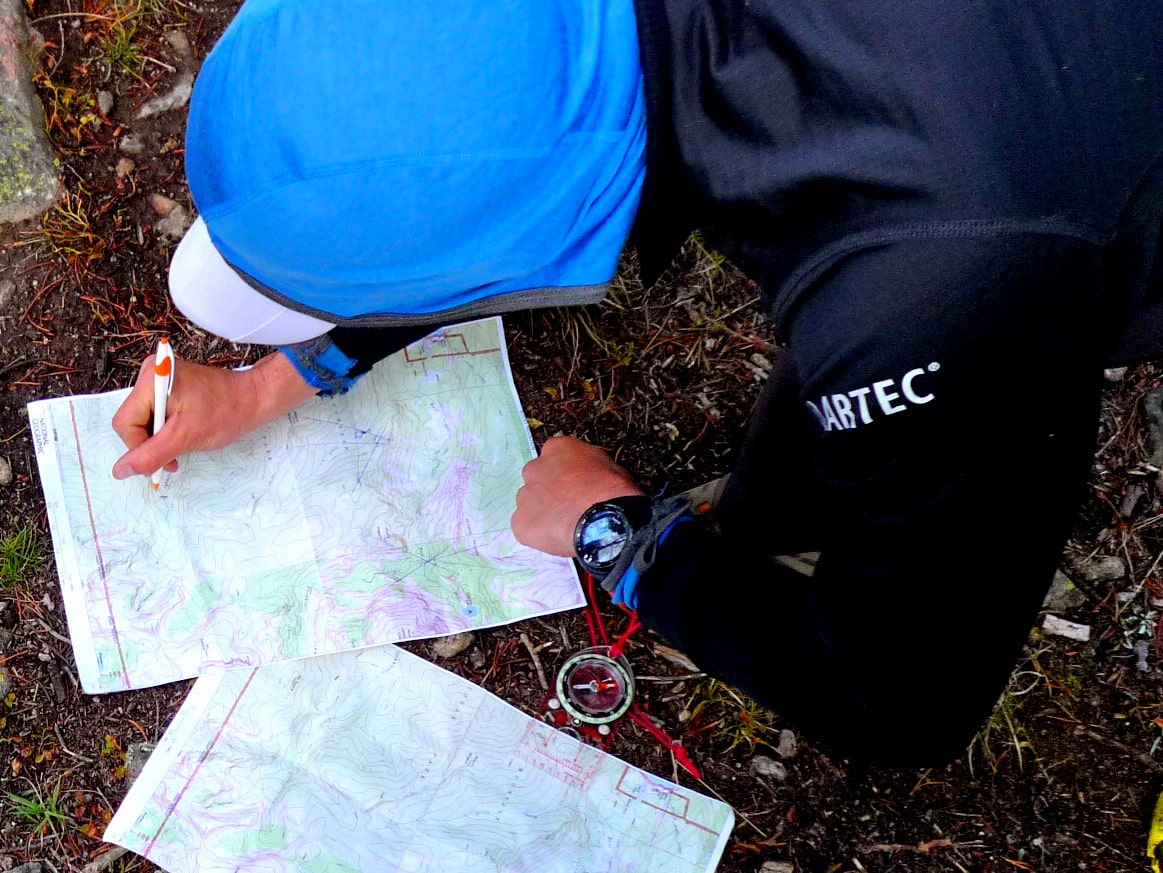
The first rule of being a trip leader is that you have to recognize that trip leading is its own skill. It’s a uniquely different skill set from backpacking. You should not assume that just because you’re a good backpacker, you’re going to be a good trip leader.
In fact, when you start trip leading, I’d encourage you to look at it as a journey. It’s the start of something. It can be this really incredible, rewarding experience of learning how to be good at another thing.
When I first started guiding trips, it was 2011. That was the first year I guided trips under my own company. I’d guided or instructed a little bit before that point, maybe fewer than 20 days, and I wouldn’t say I’d had any good formal instruction. It had been pretty casual without much training.
At that point, I was an excellent backpacker. The year before, I had done the Alaska-Yukon Expedition, which was a roughly 4,700-mile loop around Alaska and the Yukon by skis, foot, and packraft.
I’d done the Great Western Loop, which was 6,875 miles in 208 days.
I’d done the Sea-to-Sea Route.
I’d hiked the Appalachian Trail.
The Colorado Trail.
I’d walked across Iceland.
I’d done the Hayduke Trail.
I’d done the Sierra High Route.
I was really good at backpacking. But I did not know how to be a trip leader.
Hard Skills
I think you can break trip-leading skills into two parts.
There are the hard skills.
For example:
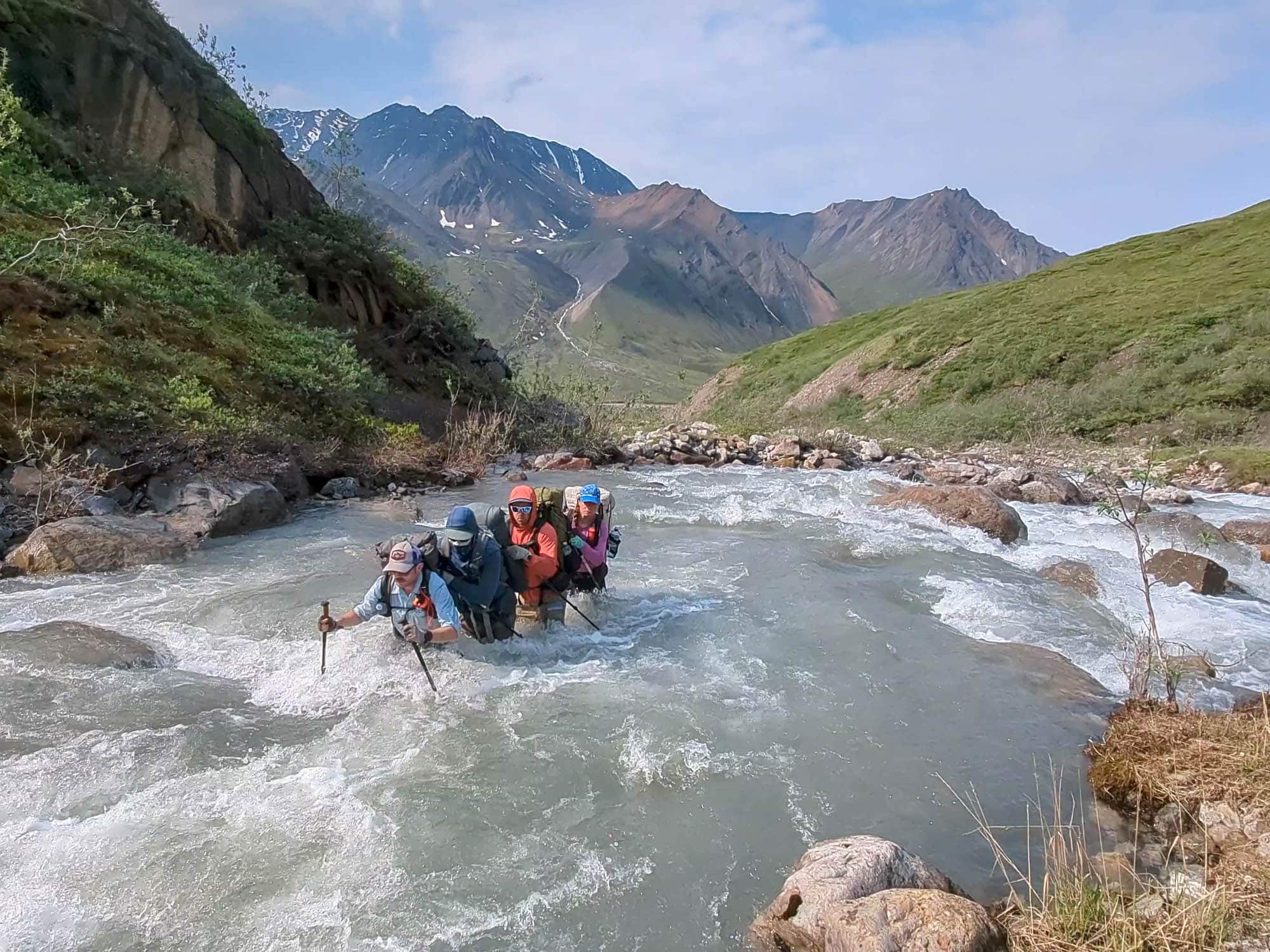
Do you know how to get a group across a swiftly flowing river? Not yourself. Do you know how to get a group across?
Do you know how to get a group through technically challenging terrain like talus or loose scree?
Do you have the technical skills to keep your entire group safe in grizzly bear habitat?
Do you have the skill set to teach other people how to properly poop in the woods?
Those are your technical skills.
Soft Skills
Then there are the soft skills.
Maybe not more important, but equally important—and probably harder to develop.
Are you a good communicator?
Can you be empathetic and compassionate?
Do you have the wisdom to offer people advice when they need it?
Can you look at your group and anticipate what they need before they even know they need it?
Those are the soft skills of being a trip leader.
If you want to summarize it, you could say: Do you know how to be a really good person?
Are you a good person to be with in the backcountry under potentially stressful situations?
Look at this as a process. It will take years and many, many trips to develop. But it can be incredibly rewarding and give you some really exceptional experiences with people you love or care about deep in the backcountry.
Rule #2: Meet Your Group Where They Are
The second rule is to meet your group where they are.
The trip is not about you. It’s about them.
It’s not fair, as the most experienced, most skilled, or perhaps most fit person in the group, to expect that your friends, family members, or less experienced companions are going to be able to do the same things in the backcountry that you can do with the same amount of comfort and effort.
When you’re taking people out for the first or second time—basically anytime in that early backpacking phase—you want their experience to be good. They are trusting you to take them out and show them a good time. They’re trusting you to show them how glorious backpacking can be.
Do not overdo it on those first couple of hikes and betray their trust.
Instead of seeing you as a good trip leader who is looking out for everyone and understands their needs, they’ll see you as someone who pushes them too much and doesn’t understand their limits.
That’s not the situation you want to be in.
I’ve Made This Mistake Myself
I’ve definitely failed to meet groups where they were.
I remember some early trips with my wife, Amanda. I was like, “Cool, I’ve got a new adventure buddy.” I thought she was going to want to do wild, crazy things in the backcountry like I did. That just wasn’t her vibe. And frankly, it was wrong of me to have taken her on some of the trips that I did. She wasn’t ready for them. It wasn’t what she wanted. That’s not where she was.
Early in my guiding career, I also pushed groups too much. I used to think all the groups were like me. That they wanted to hike from sunrise to sunset. That they didn’t want to take breaks longer than five or 10 minutes. That one more pass or a couple of extra miles every day would ultimately make the trip a much better experience. That’s just not where most people are.
Most people are more like:
Leave camp at eight.
Arrive at camp at 4:30 or five.
Go swimming during the day.
See some cool things.
Maybe have the attitude that just being outdoors is a win.
You don’t have to do crazy stuff to have a good time. Meet your group where they are.
Use DGAF to Understand What People Want
One really good exercise you can do as a trip leader on the first night is something called DGAF.
Most people know that acronym as “don’t give a fuck.”
But in this case, you go around the circle and ask everyone to share:
- A dream for the trip
- A goal for the trip
- An ask
- A fear
As an example, I took my 17-year-old niece on her first backpacking trip last week.
If we had sat around that evening and gone through this exercise, I might have said: “My dream for this—”
… I’m actually a crier. And when I think about even what my dream was for this trip — YouTube’s gonna love this.
Cries on camera.
Cries during Lars and the Real Girl.
Cries during The Biggest Loser.
A crier. A crier. A crier.
My Dream for the trip was that my niece, Anne Marie, would have this be the first of many really fun backpacking trips for her. She’s 17 years old. She’s going to college next year. She’s got a whole life ahead of her. It’d be cool if backpacking was part of it.
My Goal for the trip would have been that I wanted her to develop some skills she could use on trips of her own and that she would see some things that inspired her to do it again. It was only a one-night trip because that’s all we had time for. But we hiked up to the Continental Divide in the Indian Peaks Wilderness, and just over the other side of the ridge there was a herd of about 50 elk. That is such a cool experience for a 17-year-old coming from Boston, Massachusetts.
My Ask of Anne Marie would have been: “If you’re ever uncomfortable at any time, you need to let me know. If there’s something you don’t know, if something is bothering you, you need to be transparent with me. I’ll do my best to fix it, address it, or maybe stop doing it.”
And my Fear for that particular trip was that something would go wrong and it would burn her forever on backpacking. That she would stop trusting me as a potential backpacking partner.
That’s a good example of DGAF.
You can go around the circle on the first night and hear everyone’s dreams, goals, asks, and fears. It helps create a community of transparency, openness, and vulnerability—like I’ve just been with you.
And as the trip leader, you now know where to meet your group and what they actually want out of the experience.
Rule #3: Be Realistic and Be Ready to Adjust
Rule number three—and I’ll try not to cry during this one—is that you need to be realistic when planning the trip.
You also need to be realistic in the field and be ready to dial it up or dial it down based on what is actually happening.
Every member of your group is going to come in with a certain experience level.
You could think about that as:
- Beginner
- Intermediate
- Advanced
They’re also going to come in with a certain fitness level.
In our program, we divide fitness into five categories:
- Basic
- Moderate
- Medium
- High
- Ultra
With each of those fitness levels, there’s an expectation about how many miles or how much vertical gain and loss someone can sustainably do each day.
Your group is also going to come in with a certain amount of technical comfort.
How comfortable are they with:
- Talus
- Scrambling
- Off-trail travel
- Tussocks
- Bushwhacking
It’s important to understand that experience, fitness, and technical comfort are correlated, but not perfectly.
I’ve seen extremely strong on-trail hikers who aren’t very good off-trail. They’re clumsy.
I’ve seen very fit people, like ultrarunners, with almost no backpacking experience.
The inverse is true too.
I’ve seen people with basic or moderate fitness who are extremely skilled.
I’ll get them out there and think, “Dude, you just want my job? Because you’re that good.”
The point is that these things are not perfectly correlated. You need to understand your group in terms of all three criteria and create a route that is appropriate for them.
Understand the Three Types of Fun
When you’re creating a route, it helps to think about the three types of fun.
Type 1 fun is fun while you’re doing it and fun to talk about later.
Type 2 fun is not particularly fun while you’re doing it, but it’s fun to talk about later.
Type 3 fun is not fun to do and not fun to talk about later.
As a trip leader, you want to keep your group in the Type 1 and Type 2 categories.
Some groups prefer more Type 1.
Other groups prefer more Type 2.
The groups that tend to like Type 2 fun are often the ones talking about their Strava profiles and recording everything on their Garmin watches.
The Type 1 fun people tend to be—I’ll generalize here—older, maybe less fit, maybe people with busy lives at home.
For them, just being somewhere cool, not looking at their phones, not working, and being free from day-to-day responsibilities is already a win. They’re happy to be there. They can keep things in the Type 1 category.
I do think, though, that the most successful trips I’ve ever had are the ones where every group gets pushed at least a little bit into Type 2 fun. I think it’s important to expand comfort zones and encourage learning.
Plan for Flexibility
As the trip leader, you want to plan a trip that, on paper, looks like Type 1 or Type 2 fun. Then, once you’re actually in the field, you need to be a realist.
Look at the group.
Are they at capacity?
Under capacity?
Over capacity?
Then dial it up, dial it back, or stay on the itinerary.
Hopefully, when planning the trip, you built in some cushion or flexibility. Sometimes itineraries don’t allow that.
For example, in Yellowstone National Park, your first-night campsite may have to be here, your second-night campsite exactly there, and your third-night campsite exactly somewhere else. It’s like getting rooms at an Airbnb.
Other places, like the High Sierra, may use more of a trailhead quota system.
You’re permitted to leave from a certain trailhead and might have to get a certain distance away from the road on the first night.
For example, from Tuolumne Meadows you may have to hike at least as far as Cathedral Lakes, if not farther.
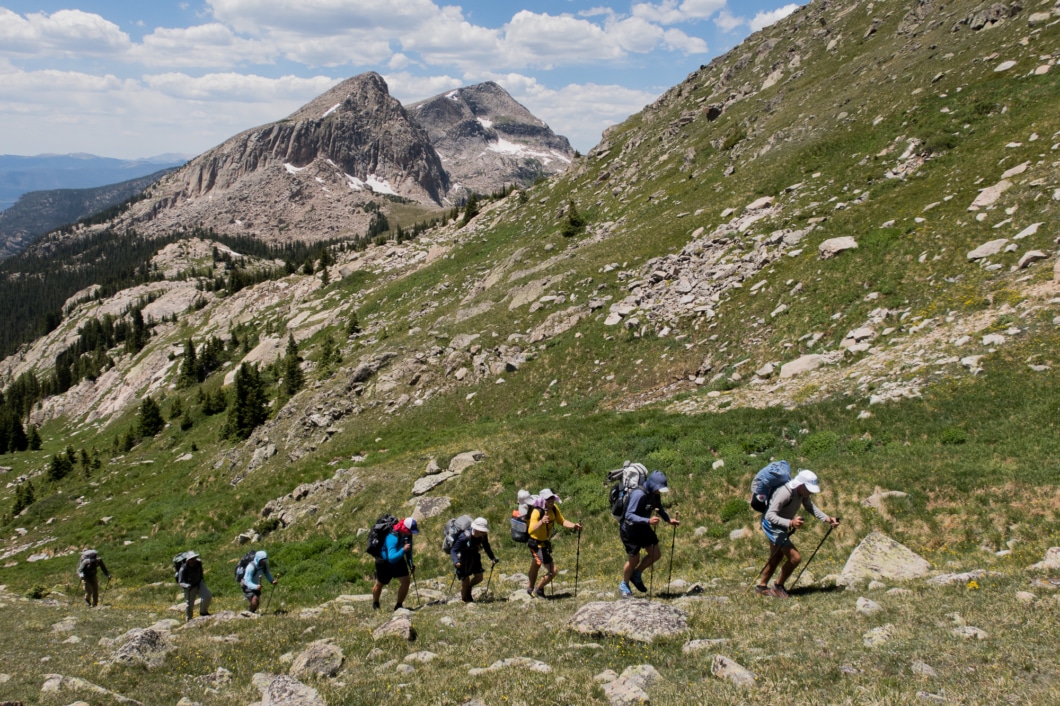
If you’re somewhere like Yellowstone or Rocky Mountain National Park with designated campsites, I would encourage you to keep each day a little bit under capacity. That way, you can always do something extra. You can find a side peak. You can take a side trip. You can use some of that extra time and energy.
If you have a flexible itinerary, have an idea of where you want to end each day and make sure the overall mileage and vertical seem appropriate. But build in options to extend or shortcut the route.
And I want to emphasize what I said earlier about being realistic.
You might feel like you could do another pass.
You might feel like you could go another couple of miles.
But someone in your group may have never done anything this physically taxing before. Their needs are different from yours.
When you’re in the trip-leader role, you need to orient the trip around your weakest link: Your least fit or least experienced person.
It’s not fair to expect them to keep up with people who have much more ability. Hopefully those expectations were shared ahead of time.
This isn’t necessarily a rule, but everyone needs to understand: You’re on a group trip. You depend on each other. You’re all in this together.
Everyone should buy into that knowing there may be a range of ability levels.
Then you can make the trip a good experience not just for the fittest people, but for the least fit people too.
Rule #4: Over-communicate the Plan
Rule number four is to over-communicate the plan.
There are multiple things you want to be communicating.
Suppose you’re at camp on the first night.
That evening, there needs to be a conversation about:
- What time everyone is waking up
- What time breakfast is
- When you’re leaving
- At least generally where you’re going
Maybe you even give an overview of the day.
I typically don’t go into enormous detail the night before. I’m not saying: “Okay, we’re going to hike this trail, go over this pass, yada yada.” I like to let the trip unfold a little bit. But people should have some sense of what’s coming.
Maybe tomorrow starts with a climb.
Maybe tomorrow is going to be a really hard day because today was easy.
Whatever it is, people should know the basic plan before they go to sleep.
Be Specific About Timing
In the morning, people start doing their things.
At some point, you need to say: “Hey everybody, I see the progress that’s being made. I think everyone can leave here around 8:30. Does that not work for anyone?”
Notice that I said: “Does that not work for anyone?”
If you simply ask, “Does that work for everybody?” the person who it doesn’t work for may not speak up.
Ask the question in the negative.
Then you hike for a while. You get to the first break spot.
As the trip leader, you should say: “All right, everybody. This is a 15-minute break. I’d like everyone to eat some food and drink some water. Please keep your shoes on. We are leaving here at 10:45.”
There may be other breaks where you say:
“All right, everybody. It’s 12:30. This is lunch. We’re going to be here for 45 minutes. Have your lunch. Drink some water. If you have any self-care things you need to do—wash your underwear, wash your shirt, go for a swim, take a nap—you have 45 minutes.”
The key thing is that you are constantly communicating the plan.
Nobody Should Feel Like They’re in the Dark
The whole idea behind constantly communicating is that no one feels like they’re in the dark. People know what’s going on.
If you’re an anxious person, one of the worst things someone can do is withhold the plan.
Some people want certainty. They want predictability.
Other people in your group may not care at all.
But you need to cater to the person who does care.
The amount of information you share depends on how engaged your group is in the process. If your group has very low skills and you’re more of a tour guide—maybe you’re a parent with six- and eight-year-old children—you can show them the map and where they’re going. You probably should.
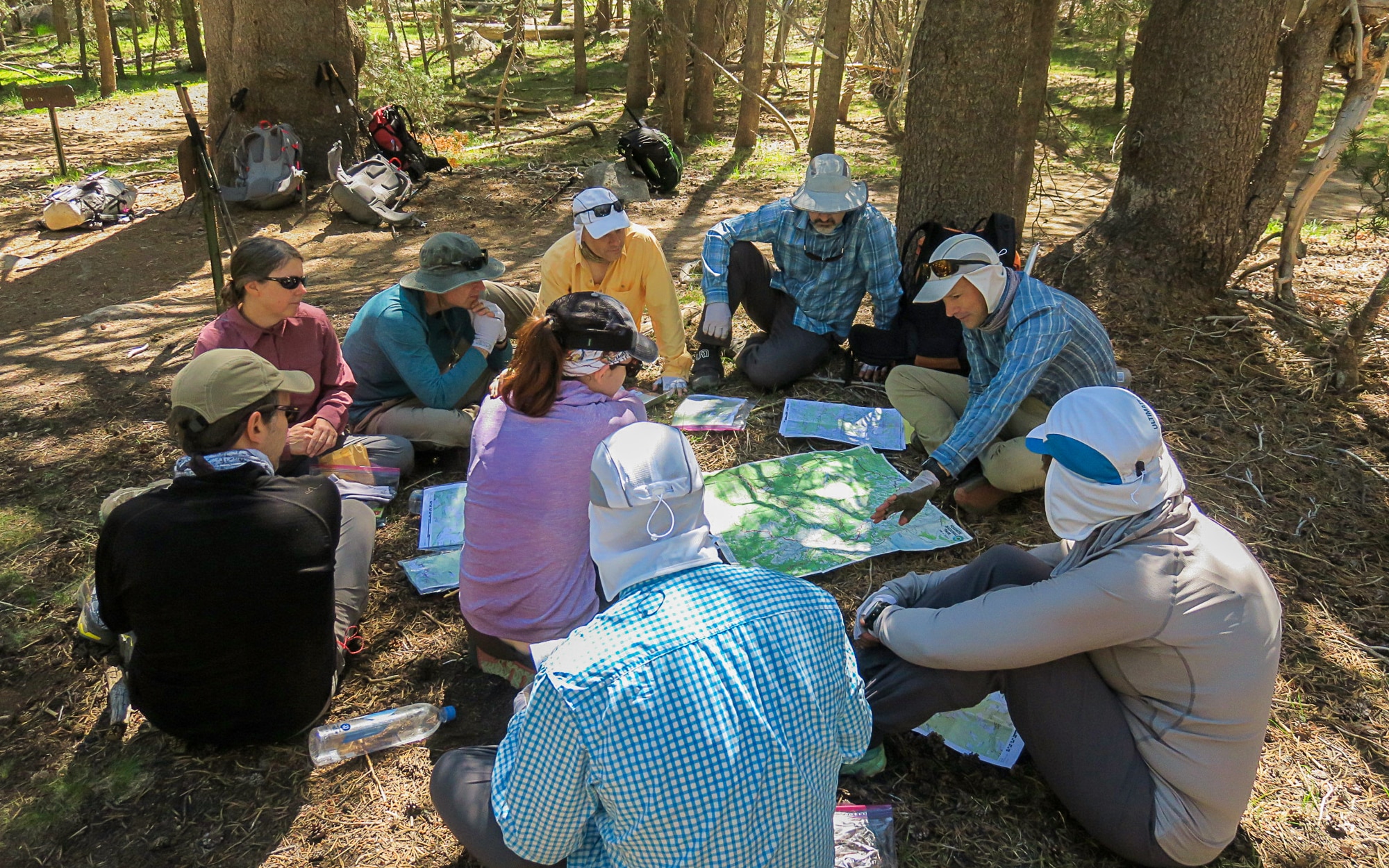
It helps them get in the habit of knowing there’s a map, that you can read it, and that you can use it to figure out how far something is, how much climbing there is, or where there might be a lake. It doesn’t need to be incredibly in-depth.
On the trips that I guide, though, we’re extremely transparent with the plan.
In fact, what we prefer is to teach the group enough map-reading skills that eventually they can tell us what the plan is.
They can look at the map as a group and say:
“Right now, we’re here. We want to camp over here. This section is off-trail from Point A to Point B. We’ll start by drawing a straight line because that’s the shortest distance and, all things being equal, the most efficient.”
“But if we follow that straight line, we hit a nasty contour.”
“So let’s bend the line around that contour.”
“And if we stay on this line, we’re going to lose and gain a bunch of unnecessary elevation.”
“So let’s go around that.”
That’s the kind of conversation I want to hear from my group.
The way you handle it with your own group will vary.
But if people want more information, give it to them. If they want to learn how to read a map or calculate how much water they’ll need for the next stretch, even better.
What you might ultimately be looking for as a trip leader is a hiking group made up of equally skilled and equally experienced people. The best way to get there is to teach them how to do it themselves.
Rule #5: Make Pressureless Decisions
The final rule, for now, is that you should have a process for taking pressureless temperature checks and making pressureless decisions.
When I say pressureless, imagine this situation:
You have a group of people who may or may not know each other.
When they need to tell you how they’re feeling, how much farther they want to hike, where they want to camp, or what they want to do tomorrow, they’re going to be influenced by what they think the rest of the group wants.
That doesn’t actually help you make a good decision.
They may not tell you how they really feel.
Or everybody just reinforces what appears to be the group consensus.
What you actually want as the trip leader is to know how each individual person feels and what each individual person wants.
The Eyes-Closed Voting System
Here’s my preferred system.
It’s three or four in the afternoon. It’s been a good day. You can feel that people are getting tired.
There are three possible camps.
- The first option is to go up and over a pass. You’re going to have to cross the pass either today or tomorrow. If you do it today, maybe you pull into camp around six, but it’s a fantastic pass. Maybe you catch some soft evening light. And the best campsite is on the other side.
- The second option is to camp at the base of the pass and tackle it fresh in the morning.
- The third option is to camp right where you are.
I’ll present the options.
Then I’ll take questions.
Someone might ask: “What makes the farther campsite so good?”
Someone else might ask: “If we go over the pass tonight, does that mean we can do something tomorrow that we wouldn’t otherwise have time for?”
Someone else asks: “Is there water at the second camp?”
I field the questions, but I don’t really allow opinions to be expressed.
Once all the questions have been answered and everyone understands the options, I say: “All right. Everyone close your eyes. Show me one finger, two fingers, or three fingers.”
One finger means you want the farthest option over the pass.
Two fingers means the camp at the base of the pass.
Three fingers means: “I’m exhausted. I want to camp here. My day is over.”
Everyone closes their eyes and shows me their fingers. Now I can see if Johnny or Meredith is much more tired than I realized and really needs the nearby camp. It avoids peer pressure.
Why Group Voting Doesn’t Always Work
In my early days, I used to just ask everyone openly: “All right, guys. Here are the three options. Do you want to go over the pass and hike to the farthest camp? Do you want to camp at the base? Or do you want to camp right here?”
Especially on some of those early trips, there were a lot of men. So imagine an all-male group with two male guides.
What do you think everybody says?
“Let’s go to the farthest camp.”
By letting peer pressure influence the decision, I think some trips weren’t as good as they could have been. People weren’t hiking within their limits. They weren’t making the best choices for themselves.
The eyes-closed voting system is designed to prevent that.
It gives you good information from each individual so you can make a better decision as the trip leader.
Ask People How They’re Doing When They’re Alone
Another thing I like to do is get people alone. Usually this happens in camp.
I’ll walk over to someone’s camp and ask: “What’s the thing that’s bothering you the most tonight?”
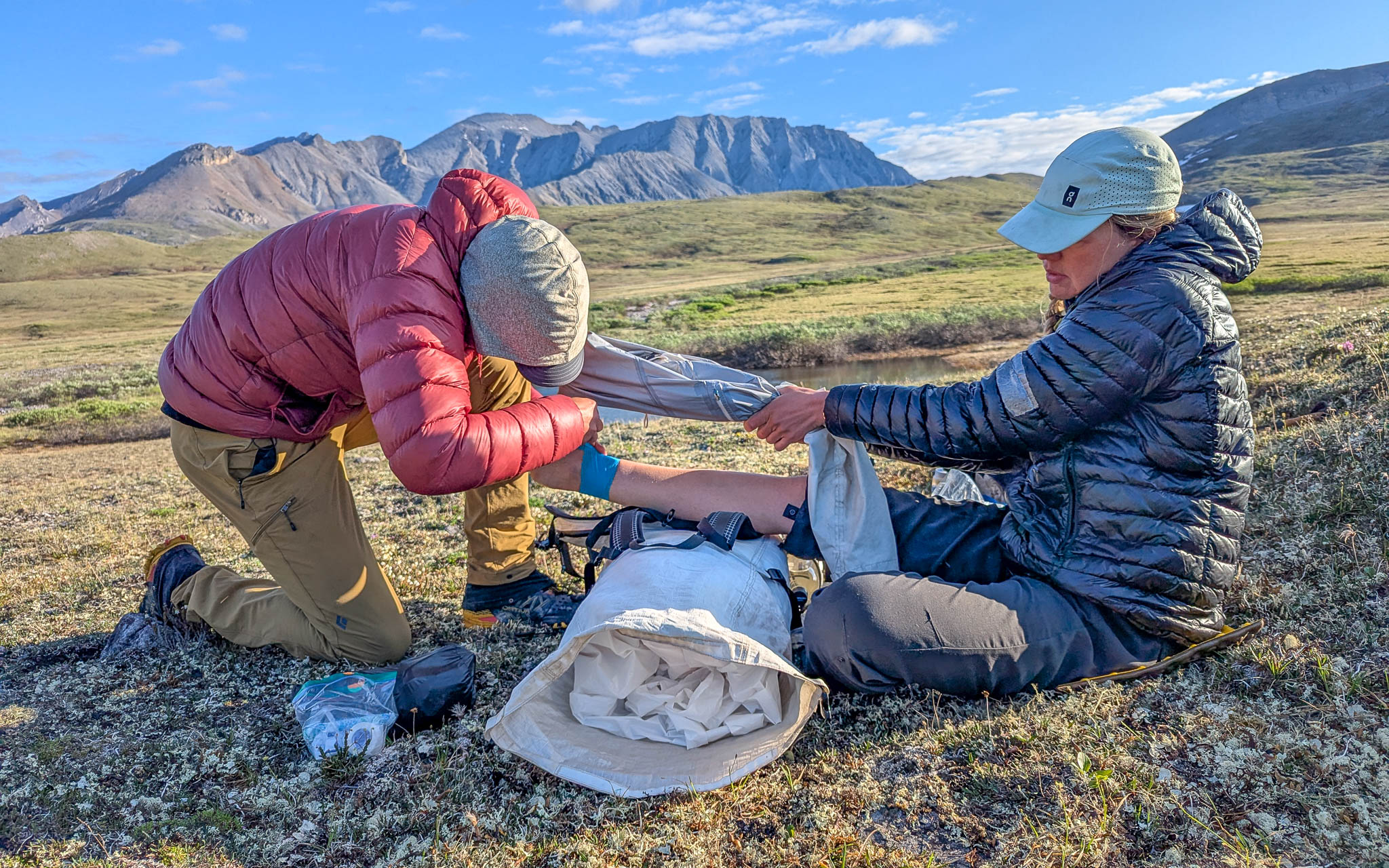
That’s where you hear: “I’ve got a blister on my big toe that’s driving me crazy.” “My IT band is acting up.” “I haven’t spent five days away from my family since my kids were born, and I’m really missing them.”
Or:
“This has been a fantastic day. I haven’t thought about home once during the trip. But now I’m sitting alone in my tent thinking about my aging parents, who are struggling right now. I feel a little selfish for being out here while my siblings are home taking care of them.”
That’s another good way to get information that’s independent of peer pressure. And that allows you to make better decisions as the trip leader.
Becoming a Better Trip Leader Is a Long Process
If you’re hoping to become a trip leader, or if you already are one and want to become better, I hope this gave you some good ideas.
Becoming a good trip leader is a long journey.
Look at it as a process. Look at it as something you can always get better at.
But you have to start somewhere.
Maybe this is a start for you.
If you liked the video, please like and subscribe.
If you have other suggestions for trip leaders—things that have worked for you, things that haven’t worked for you, or maybe something I said that really resonated with your own experiences—please leave a comment.
We’ll see you next week on Monday at noon when we drop our next video.
And if you want to see some of this trip leading in action in 2027 and you’re interested in one of our guided trips, we’ll launch the calendar and schedule in November 2026 and open registration in December 2026.
The first trips typically start in April.
Thank you very much.
We’ll see you next week.

This website contains affiliate links, which means The Trek may receive a percentage of any product or service you purchase using the links in the articles or advertisements. The buyer pays the same price as they would otherwise, and your purchase helps to support The Trek's ongoing goal to serve you quality backpacking advice and information. Thanks for your support!
To learn more, please visit the About This Site page.

Comments 2
“If you’re interested in joining a guided wilderness expedition lead by…”
Should be “led by” like the video title, which I note you’ve corrected since its initial posting. Continued subject-verb grammar errors like this make The Trek look amateurish. Your website’s purpose is communication, which involves the skillful use of language. You should set the example and do better if you’re truly going to be professionals.
Hello,
Hiker, backpacker (seem to enjoy the thought more than the actual backpacking sometimes), ski patroller. I enjoy a variety of blog posts from various hikers on the Trek during the summer, especially living almost directly on the PCT. Read this article right before beginning the TMB with my girlfriend. I was the one who did all the planning so became the TL kinda by default even though her experience, fitness and technical comfort are equal to or exceed my own.
One question has now come up at the beginning of this trip. What happens with DGAF when the fear event happens and threatens to derail the goal, if not potentially the dream?
Making decisions in the field, changing logistics are one thing. That’s easy enough. Flipping the mental game completely on its head is a whole different animal.
Thanks,
Tom