
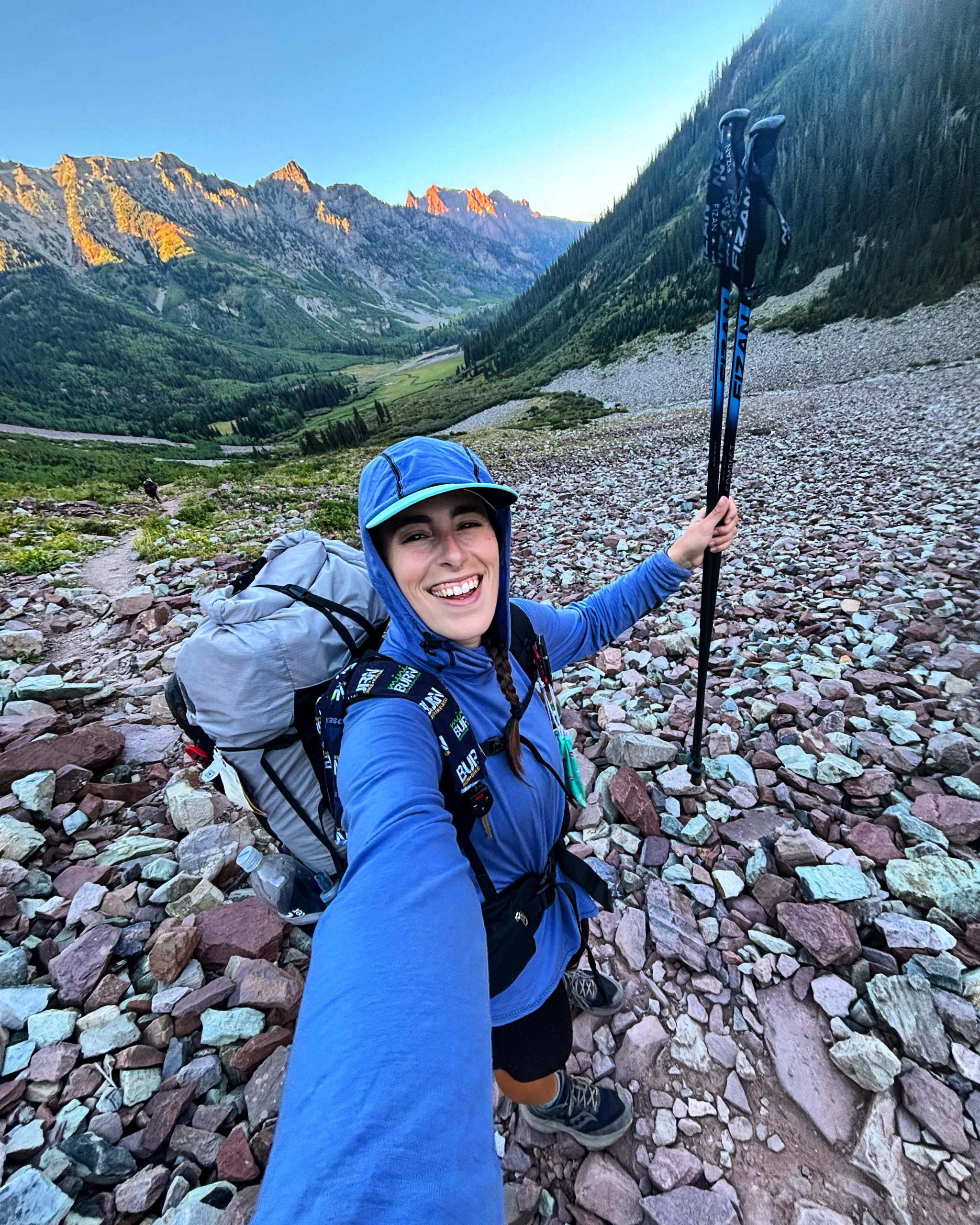
 ">
The End of the Journey for Now: Heat Stroke on Trail
A medical emergency isn’t something anyone wishes to experience on trail. But it’s something that anyone recreating in the backcountry should be prepared to deal with. This isn’t the blog post I was planning to write when I began this adventure. This is a post about recognizing when the trail has asked for more than you can safely give. This is about making the hardest decision a thru hiker can make.
A Zero Day in Daleville
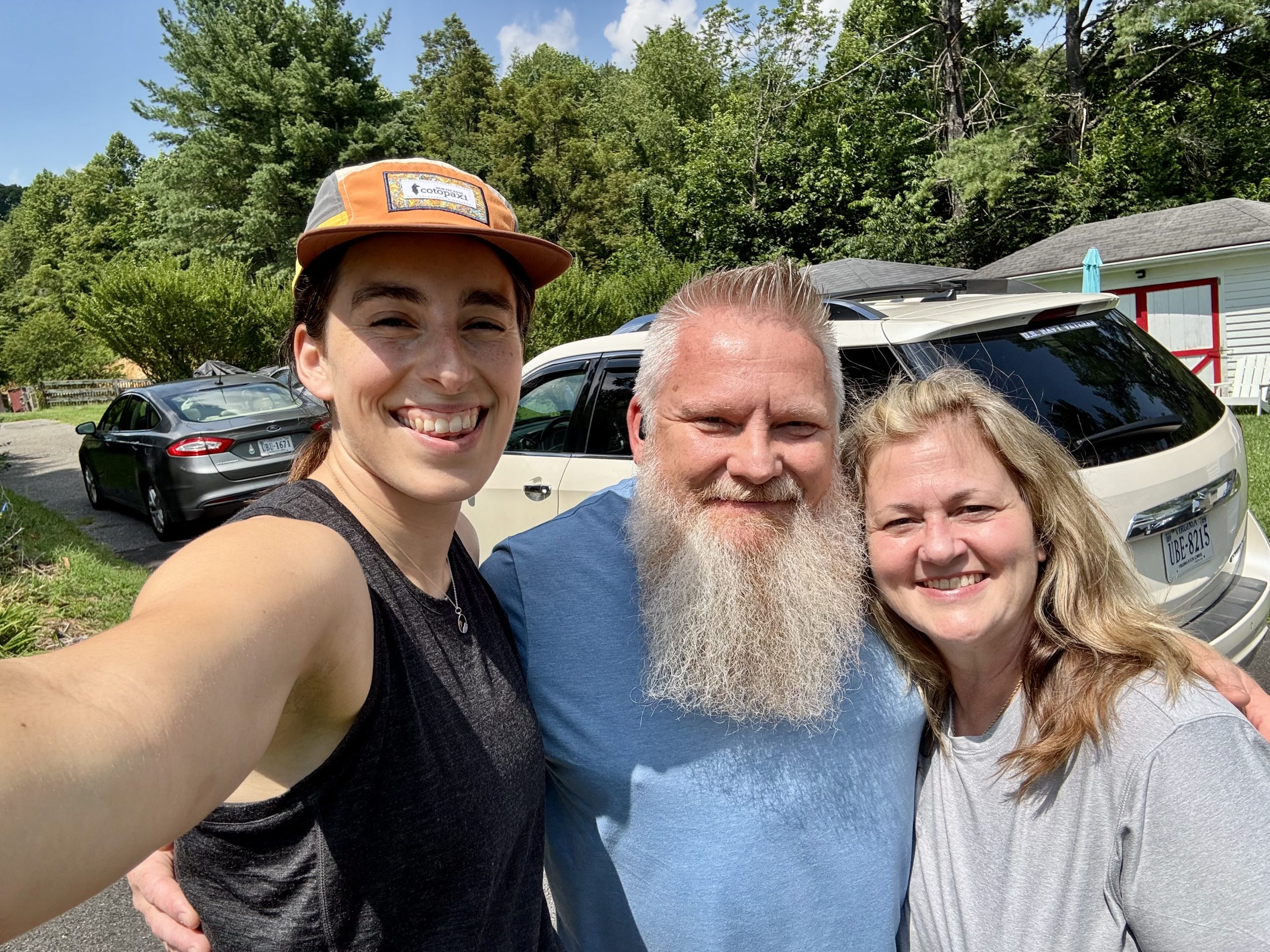
After completing Virginia’s Triple Crown, I decided to take a day off. We were in week 3 of back-to-back heat waves, and I had quite a few town chores I knew I needed to get done. Trail angel Dale had reached out to me a few weeks prior about meeting up in Daleville for some trail magic. He and his girlfriend picked me up for what I thought was just a standard resupply day.
We went to lunch first (priorities). Then we stopped by the local outdoor store where I picked up a package from a friend as well as a new set of trekking poles. One of my poles had bit the dust in that last section, and trekking poles are essential gear for me by this point. Afterwards, we made a Kroger run to fill in the gaps of my resupply – the package from my friend had taken care of most of my needs for the next section of trail.
It was one of those perfectly ordinary trail town days (made extra special by trail angels) that you don’t really think about too much until later when you realize it might have been your last. Dale and Teresa treated me like family, driving me around town with the kind of patience and generosity that makes the trail community so special. When they dropped me off at the hostel that evening with a box of a dozen donuts to “share with the other hikers,” I felt grateful but also ready to get back on trail the next morning.
Hitting the 1/3 Way Marker
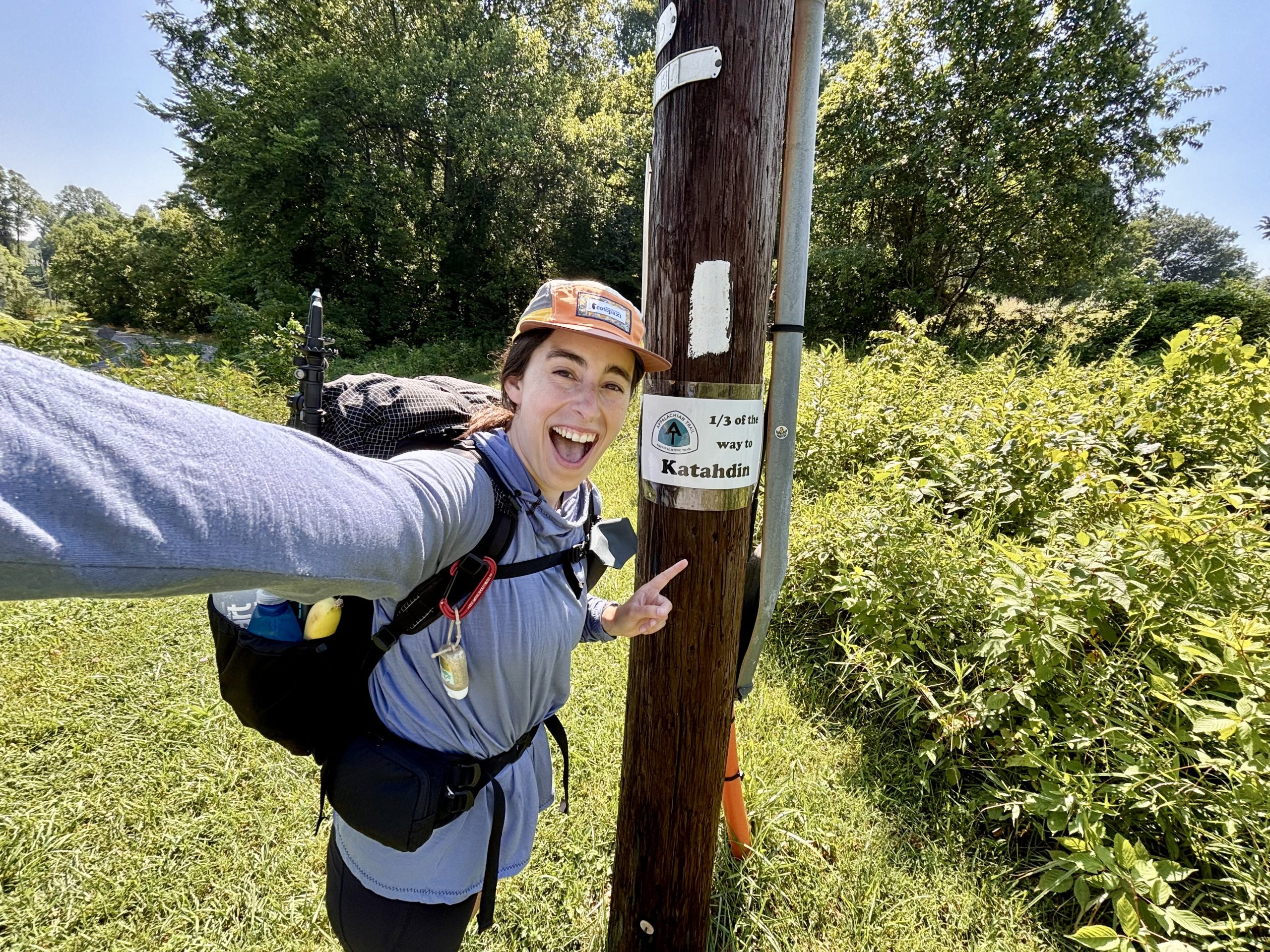
Any mile marker on the Appalachian Trail feels good, but especially the ones that proclaim significant progress! Hitting the 1/3 of the way marker that morning felt amazing! I was excited to be back on trail after my zero day, but I was also a bit nervous. The hostel I had been staying at lost power (and water) the evening prior. I was already starting off the day pretty sweaty and dehydrated, but more on that later.
I’m convinced milestones like these are so special because they take the abstract concept of walking to Maine and turn it into something tangible. You can’t help but think, “I’m doing it! I’ve walked over 700 miles to get to this point right here!” It’s proof that this crazy dream of a thru hike is actually in progress. I could feel the weight of all those days and miles behind me, each physical pain and each beautiful sunrise building up to something significant. My daily routine had become second nature and I’d developed a particular level of comfort with life in the woods. Each time leaving town, I was happy to be back home.
I took my obligatory photo, and I did what any other thru hiker who has come to this point has done. I kept walking north. If only I’d known at that moment that sometimes no amount of determination can overcome what your body is trying to tell you.
Something is Wrong
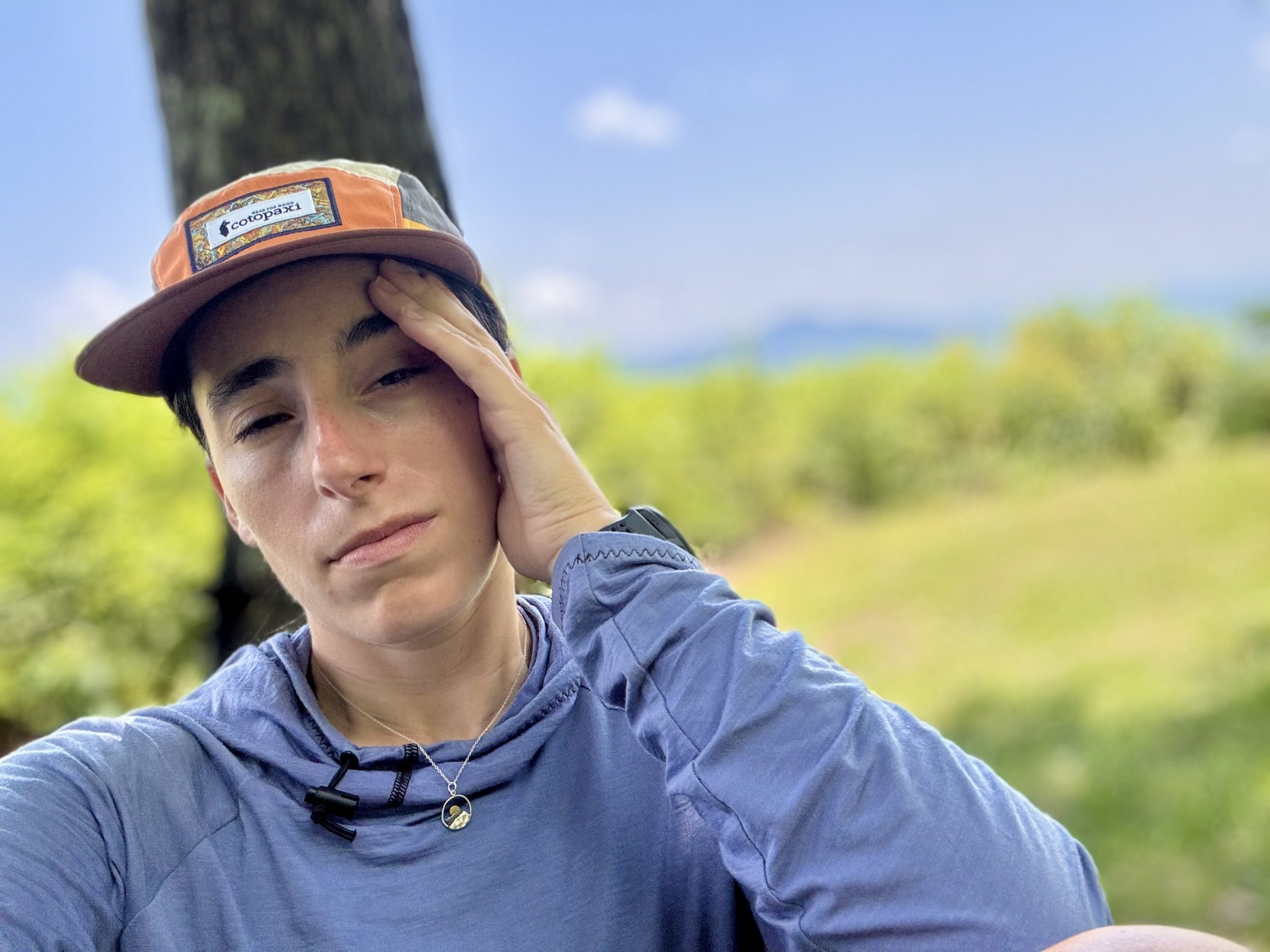
Looking back, things probably began that night at the hostel, though I didn’t recognize the warning signs for what they were. I didn’t drink enough water, the room was incredibly hot, and I was starting out the next day already running on reserves rather than feeling properly rested and hydrated. By the time I made it 7 miles to the first water crossing of the day, something felt fundamentally off. I wan’t just tired or sore, but I was genuinely not feeling like myself. I dunked my arms and legs and face in the water, hoping the refreshing (though definitely not cold) stream would reset whatever was happening to my system.
But instead of feeling better, I found myself plopped down by that stream for about three hours, watching my condition deteriorate rather than improve. Every instinct told me to keep moving because I knew if I needed to bail, my closest exit was forward, not back. When I finally made it to the next stream, I set up camp early, but by then I was throwing up any fluid I tried to consume and feeling dizzy and nauseous in a way that was starting to concern me. I had to stop every 15 minutes just to rest and try to remember what I was supposed to do next. Basic tasks like filming the evening, filtering water, or setting up my tent became monumental challenges that required multiple thoughts.
To be honest, I thought I was going to have to call SAR. I knew there were other thru hikers camped up at the shelter nearby, but I was terrified to move away from a water source when I could barely function. The question of how I was going to muster the energy to get to the road crossing the next morning felt almost impossible to answer, but I knew from my Wilderness First Responder training that self-rescue, if possible, is always the best kind of rescue. I spent most of that night awake, alternating between sweating and shivering, knowing I hadn’t had much food that day and was dangerously low on fluids.
It took me three excruciating hours to break down camp the next morning, a task that usually takes me about an hour at this point on trail. Thankfully, I made it out to the road, and even more thankfully, the Blue Ridge Parkway was open sooner than I’d expected. The second that cooler air from the car’s air con hit me, I started feeling slightly more human, but all my muscles felt like they had 10 lb weights attached to them. That sensation lasted for days, even after I made it to the local clinic and spent several days in a hotel bed. I survived on chicken and dumplings from the Cracker Barrel down the street and tried to come to terms with what had happened. This is not a fun blog post to write, but sometimes the trail teaches you lessons that have nothing to do with perseverance and everything to do with knowing when to listen to your body before it’s too late.
The doctor from the clinic said I had likely experienced borderline heat stroke. He explained my body was still in a very vulnerable state, and I needed to rest and rehydrate for a few days. But ultimately, it could take my organs several weeks to fully recover from this experience. And if I were to have heat exhaustion again soon, it could lead to a more serious medical emergency. I took his words into consideration and talked to several close friends.
I came to the conclusion that it’s ok to press pause on an adventure when it no longer feels safe. I quit my 2025 thru hike attempt. But I’m not quitting the trail. As of now, my plan is to return back to the Glasgow, VA area in the fall when the temps are a bit cooler to hike up towards Harper’s Ferry until I need to come back home for work. My dream of hiking the entire trail hasn’t died; it’s just needed some adjusting.
It’s not ideal. And it’s not what I thought it would be. And in the past 3 weeks since coming off trail, I’ve been dealing with a lot of emotions. I keep seeing posts and receiving messages from my friends on trail who are making progress. I’m so happy for them, but it makes me sad because, put simply, I want to be there too. I’m working hard to reframe my mindset from one of “I failed to accomplish this goal” to “How amazing it is that I got to spend almost 800 wonderful miles on the Appalachian Trail this year!” I’m grateful for the miles I got on trail this year. But I can’t wait to heal up and get back out there!

This website contains affiliate links, which means The Trek may receive a percentage of any product or service you purchase using the links in the articles or advertisements. The buyer pays the same price as they would otherwise, and your purchase helps to support The Trek's ongoing goal to serve you quality backpacking advice and information. Thanks for your support!
To learn more, please visit the About This Site page.

Comments 14
I’m sorry to hear this. I’m glad you got yourself out and to a clinic before more serious damage. Good luck in the fall…it will be stunning!
Me too ❤️🩹 thank you!
You’re awesome!
Thank you for the support!
I know it sucks but you’re making a great call. I got heat sick in the grand canyon about 10ish years ago, and it was a total nightmare. Way to go on the self rescue and thanks for sharing your experience. Hope you get back to 100% soon!
Oh, wow! Glad you were able to make it out. Thank you 🙏🏽
You should be feeling better soon. Start out with some day hiking wherever you are and then add a pack. When you feel back to normal, and if you feel like wanting to hike, flip and walk South. The temps in the North will be much more tolerable over the next month. I pulled off for a week plus, when my Potassium went low, and I took pills to help for the rest of the trip. If you want, your dream isn’t dead yet.
Unfortunately I experienced heat stroke, so recovery isn’t as quick as just hopping back in trail. As mentioned, my time in the fall is limited as I will be returning to work. So this is the end of my thru hike for the year. Believe me, it wasn’t an easy decision. I wish I had unlimited time off!
PS – don’t wear long sleeve shirts in the summer, unless it is at night.
For anyone reading this comment in the future – long sleeve sun shirts are great options for the summer. A good one is worth the investment. As someone who used to work at a dermatology office, you definitely want to keep the arms covered and use sun protection when spending the day outside!
Thank you for this post. For me, it was helpful to read this. I didn’t know heat stroke can = vomiting.
Thank you 🫶
Heat stroke gets worse the older one gets. I’m 64 and I had it in May ’26. Worst I’ve ever had. I became dehydrated and recognized the danger. Unfortunately I was at the halfway point of my walk. By the time I got back to the car I had the hot, flush skin, no sweating and confusion. Even tho I hydrated back at the car and house I had kidney swelling and heart pains for days. After 4 days I went to the ER. They did a bunch of tests, gave me an IV, and then a bill for 5K. It’s organ damage. My heart, liver and kidneys were affected. But it’s not like they can put a bandage on them. So after 3 months of staying indoors and out of the heat I’m doing better and ready to hike again. The key factor for me was not bringing water or liquids.
I’m glad that you are doing better!