
 ">


Summit Fever: One Stupid Decision Almost Ended My Thru-Hiking Career Before It Began
Readers, I confess I am not perfect. I have made many questionable hiking mistakes over the years, like accidentally packing three nights’ food for a five-night section, repeatedly lighting my hair on fire over a camp stove, and, once, impulsively mailing all my warm gear home just before the end of a multi-week heat wave.
But the very worst backpacking mistake I’ve ever made came near the end of my first-ever thru-hike, and it almost ended my thru-hiking career before it ever really got started.
It is kind of embarrassing to write about this because it sounds (and is) so stupid. The mistake was deliberately choosing to hike into and through a literal hurricane on the highest prolonged ridge walk on the entire Appalachian Trail.
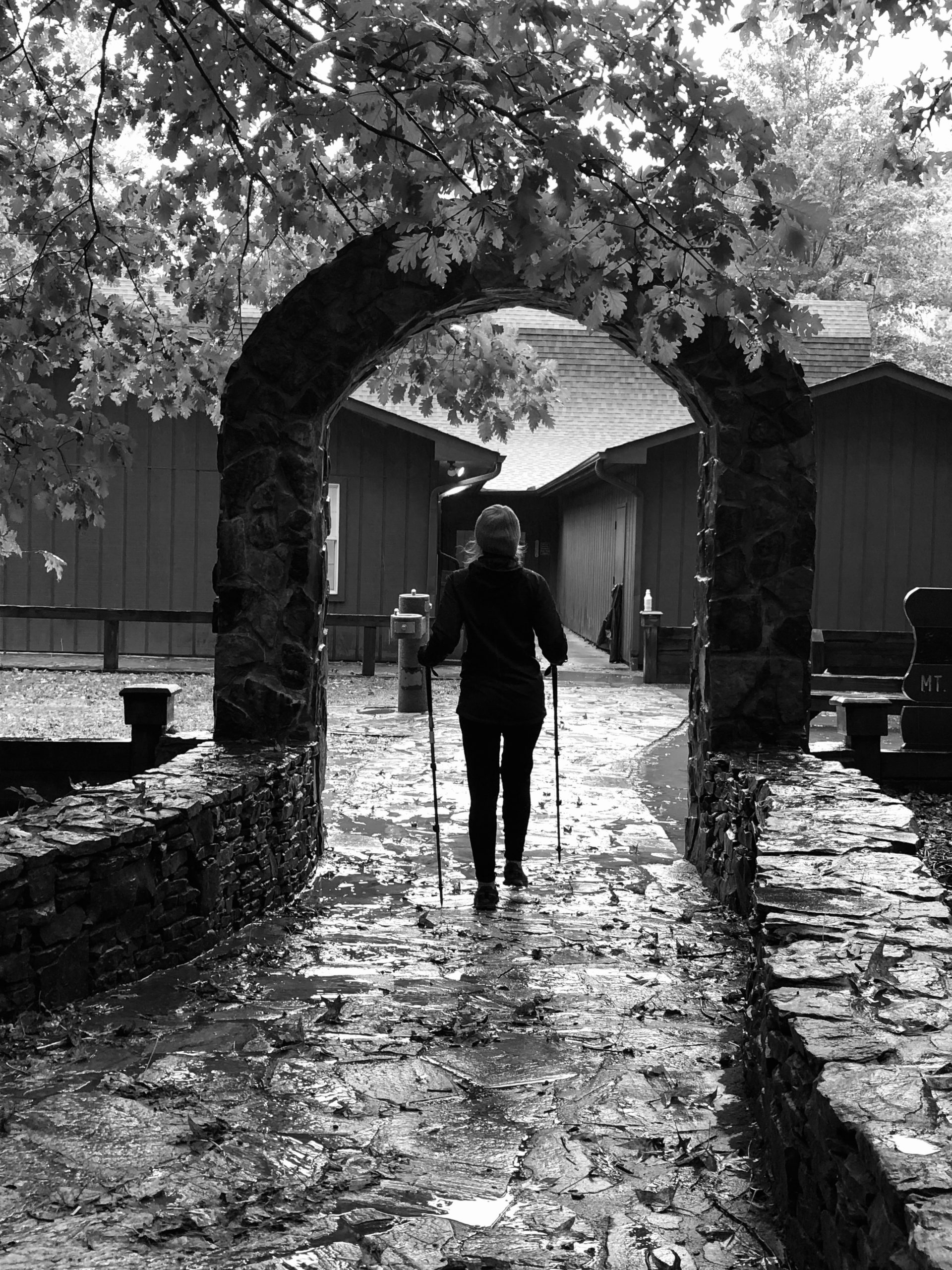
Almost didn’t make it here, all because of one stupid choice.
I did it because I was anxious about money, anxious about making miles, basically just anxious in general, and infected with a bad case of “summit fever.” And as a result of this mind-bogglingly idiotic choice, I put my health at risk, came dangerously close to hypothermia, and wasted more time and more money than I would have if I had just waited the storm out in town like a normal person.
After surviving this self-inflicted ordeal, I felt so mentally and physically defeated that I nearly quit the trail within 200 miles of the finish line.
Look, I’m not saying that this was just a silly little mistake that could happen to anyone. But I am saying that summit fever, in which hikers and mountaineers become so obsessed with reaching their objective that they keep pursuing it even in the face of overwhelming safety concerns, is a well-documented phenomenon.
So in the name of arming you with knowledge, here is the full story of my stupid hurricane adventure and how you can not be like me.
Step One: Don’t Hike Through a Hurricane. Please.
The year was 2018. The storm was Hurricane Michael. By October I was heading southbound on the AT and was about to enter Great Smoky Mountains National Park. The weather had been unseasonably hot for weeks, but that was all about to change with the storm, which was forecast to be a real doozy.
Most hikers I knew were choosing to wait out the weather in Hot Springs. Not me, though. Although I knew staying in town would be the sensible choice, I just couldn’t face it. I was obsessed with making miles, keen to avoid spending more money in town, and convinced that after 2,000 miles of tough terrain and adverse weather, I could handle anything.
So I pressed on despite the warnings of fellow thru-hikers, hostel owners, and the group of weekend backpackers I met preparing to shelter in place at Cosby Knob Shelter my first night in the park. That same night the storm hit, and the temperature plummeted into the mid-30s by morning.
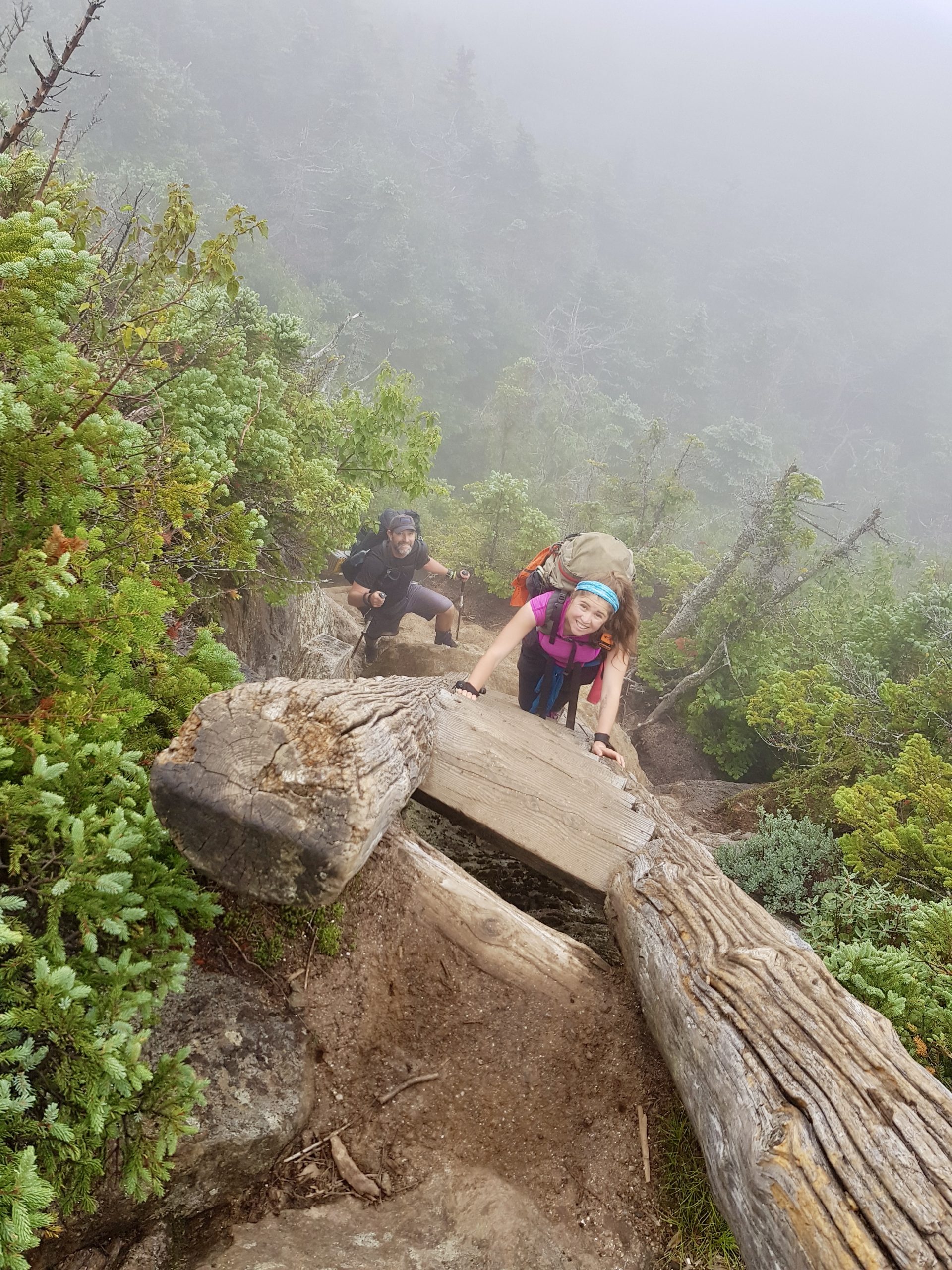
After doing plenty of hard stuff on the AT, I was convinced I could handle anything.
Well, you can probably picture how it went. Cold, wet, frighteningly windy, etc. I hiked 20 miles without stopping once, not to drink water, not to pee, not to check the guidebook, nothing. My stubbornness was such that I hiked past two more shelters on my way to my goal (Icewater Spring Shelter) and decided not to stop at either one.
I reached the shelter as the storm was ending. Half-frozen and barely functioning, I somehow managed to get food and water and get myself into my sleeping bag before having a complete, very embarrassing, tear-filled breakdown, in which I lamented my (completely self-inflicted) suffering and vowed to quit the Appalachian Trail in protest.
The next morning, I emerged from my damp sleeping bag achy, bedraggled, and feeling utterly defeated by my own stupidity and hubris. I put on every article of clothing I owned, one on top of the other, and stumbled down to Newfound Gap looking like the Michelin Man and still sobbing uncontrollably in the bright sunshine, no doubt alarming the many beautiful, well-groomed day hikers I passed along the way.
When I reached the trailhead I got a ride into Gatlinburg, where I booked a hotel room that was about 10 times the price of a bunk in Hot Springs, got some much-needed rest, and spent most of the following day being coaxed by another hiker out of my melodramatic plans to quit the trail. Life went on and I did eventually reach Springer Mountain a few weeks later.
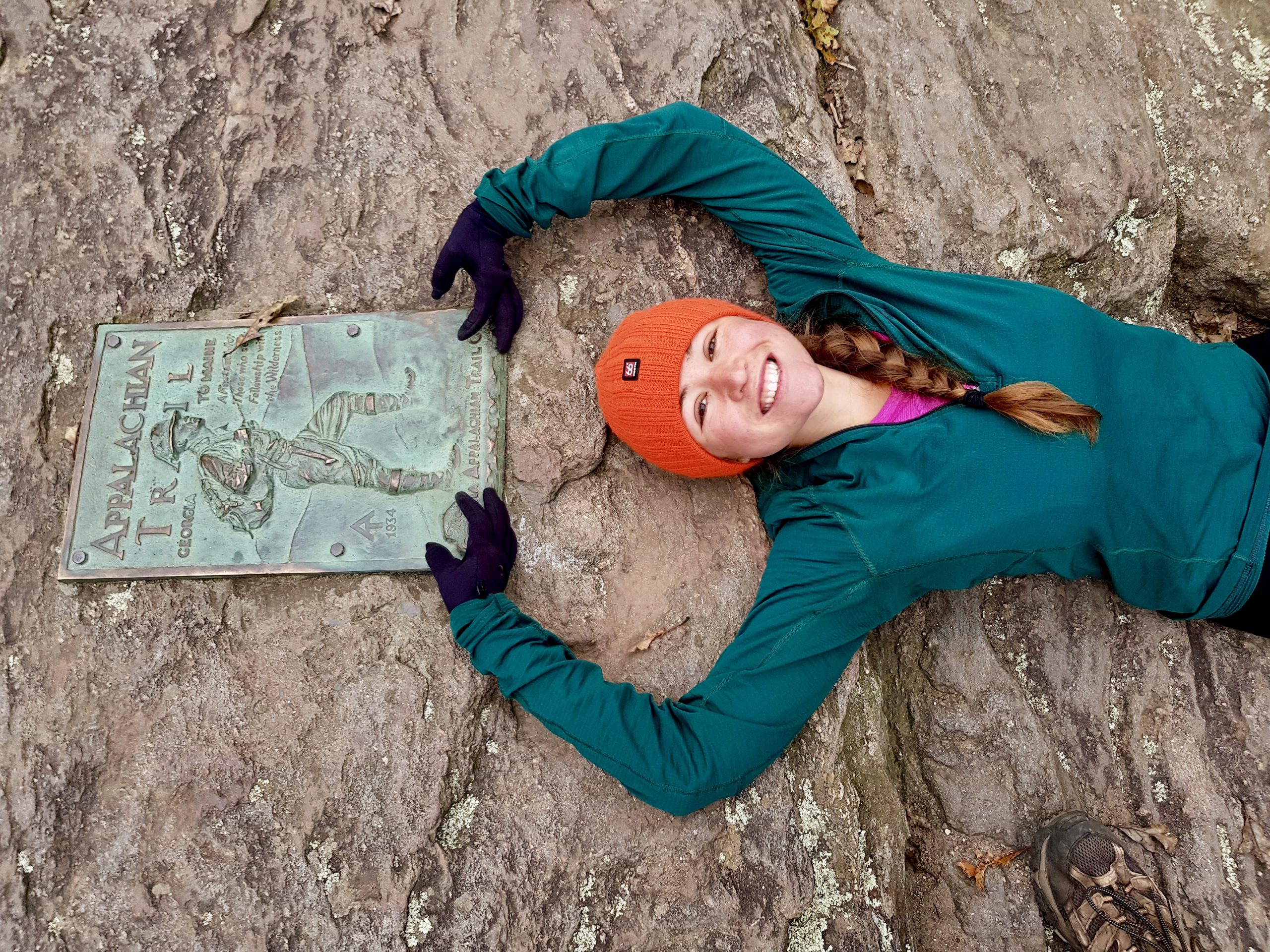
Phew!
So. Why was I such an idiot? Great question.
Yeah, I know. What a genius. I’m just lucky the outcome wasn’t much, much worse.
So. Why? Why on earth would anyone make such a reckless and egregiously bad decision? What possessed me to do this, and could it happen to you too?
1. Assorted Anxieties
Well, in the first place, like I said, I was anxious about spending more money than necessary. I have never really been comfortable with spending money, and spending continuously without earning anything for 6 months was one of the biggest internal struggles I faced on the AT. An extra night in Hot Springs absolutely would have fit the budget, but I had turned the expense into this huge thing in my head.
I was also very worried about losing momentum and “falling behind” on trail and had become hell-bent on sticking to the arbitrary schedule I had made myself. Throughout the AT, even when I had plenty of time to reach my next destination, I could never fully relax until I got there. Time spent resting was merely another source of stress. It is fair to say that by the time I reached Hot Springs, I was obsessed with making miles.
This is a particular manifestation of anxiety that I have observed in myself and many others on the trail, and back in fall 2018 I was absolutely letting it run my hike and my life. I passed up many opportunities to have fun and enjoy the trail for fear that I would fall behind, and in this case, I took it even further and put my health and safety on the line because of that same fear.

2. Stubbornness, Ego, Springer Magnetism
Also, I was very stubborn and a bit egotistical. It is funny how a person who is afraid that taking an extra zero day or a prolonged midday water break will ruin their thru-hike can simultaneously think they are immune to the effects of a literal natural disaster, but there you go. I’m full of contradictions.
I had hiked 2,000 miles and felt like I was tough enough to handle anything. I had powered through plenty of bad weather and tough stretches of trail through sheer force of will and a stubborn belief that “the only way out is through.” That mindset had served me well until that point on the AT, but I obviously took it way too far in this case.
And finally, like I said: the terminus was so tantalizingly close! I was so close to the culmination of a goal I’d been working towards for months and that I’d been dreaming and scheming about for years before that. Now, with 90% of the trail behind me and the finish line in sight, the temptation to hurry up and get there became irresistible. Springer was calling.
Summit Fever and What To Do About It
All of these things — the fear of falling behind or running out of money, the overconfidence in my own abilities/underestimation of the risk of the storm, the desire to reach my objective at all costs — converged into the worst, most logic-defying case of summit fever I’ve ever experienced.
I don’t consider myself stupid, reckless, or a maker of poor decisions in general, but this story is a pretty wild counterexample.
It may well be that no one but me would be foolish enough to do what I did. I mean, it truly does boggle the mind, looking back. But lots of backpackers and thru-hikers do fall victim to summit fever in one form or another, so it’s good to be on the lookout.
What I would say to another hiker in my scenario: so-called summit fever can come on quickly, and one bad decision can land you abruptly in a very serious situation. Mitigating this risk, in contrast, is a process of building strong habits over time — it’s not a switch you flip once but an intentional commitment to managing anxiety, managing ego, and assessing risk rationally.

Intentionally building rest time into your hike can help combat anxiety-driven urges to rush through the adventure.
We all know the magnetic pull of a big objective that we’ve put a lot of work into reaching. Getting so close to that goal and then having to contemplate stopping short is very difficult. But is it worth your safety, and potentially the safety of others?
Hikers have a saying: “the trail will always be there.” And it will. I know finding time off work, securing permits, and all that is not easy. But thru-hiking itself is not easy, and yet here you are on this thru-hiking website, presumably because you are a past, present, or future long-distance hiker yourself. If you fall short of your objective today, you can find another way to get there when it’s safe to do so. I promise.
Contemplate these things now, because in the moment, when you’re actively facing a decision about whether to turn back or press on, you probably won’t have the mental bandwidth for philosophizing. You need to decide now to prioritize safety over summits and commit to following that rule religiously on the trail, no matter what your internal monologue says.
Mistakes Are How We Learn
I always like to end these mistake/regret type posts with a reminder: thru-hiking is wonderful and despite everything, I had a great time on the AT. Mistakes are how we learn. For obvious reasons, it would be nice if you could learn from mistakes that are somewhat less calamitous in proportion than the one I’ve highlighted here.
But at the end of the day, making bad decisions, dealing with the consequences, and growing from them is also part of the thru-hiking experience. Embrace it if you can, have fun, try not to stress as much as I did, and really, really, DO NOT go into the backcountry on purpose when a hurricane is forecast.
This website contains affiliate links, which means The Trek may receive a percentage of any product or service you purchase using the links in the articles or advertisements. The buyer pays the same price as they would otherwise, and your purchase helps to support The Trek's ongoing goal to serve you quality backpacking advice and information. Thanks for your support!
To learn more, please visit the About This Site page.

Comments 1
Glad it didn’t kill you (!) and it ultimately did make you stronger (and wiser :-).