
 ">
Thru-Hiking and Mental Health: Sometimes, the Biggest Challenge Comes After the Trail Ends
Mental health is a common topic of discussion along the Appalachian Trail (AT) — arguably far more common than in the real world. Discussions about mental health seemed to be happening all up and down the trail during my 2022 thru-hike, and they ranged from casual comments about the AT as “free therapy” to intensely personal discussions about periods of mental health crisis.
I had complete strangers share incredibly personal details about past struggles, and I also developed deep relationships with folks who bared their souls while out on the trail.
I thought a lot about how to include stories about the connections between mental health and long distance hiking in Common Land, the documentary podcast that I produced about the AT. Although I touched briefly on mental health issues in a few episodes, I struggled to find the right place to take a deep dive into this topic.
I produced 12 episodes covering my attempt to thru-hike the AT from start to finish, but as more time passed, I realized something: the story of a thru-hike doesn’t necessarily end when the hike is over. For some, the biggest challenges come after the hike ends.
Ed. note: We are not mental health professionals, and the information in this article is not medical advice. If you’re struggling with your mental health, reach out to a qualified mental health professional.
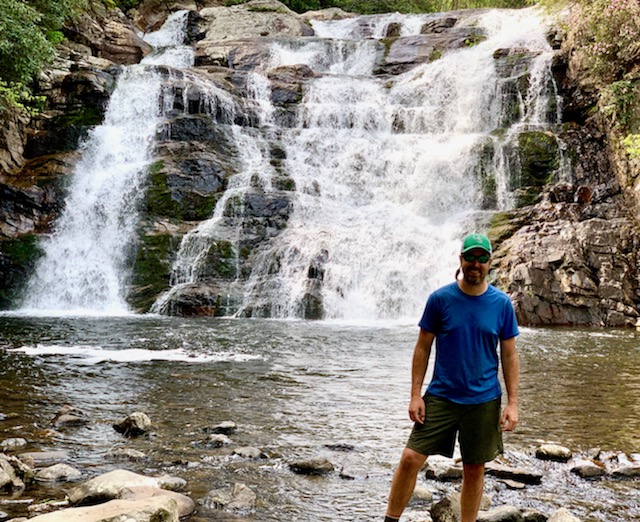
Chop Chop on the AT in Georgia.
This was certainly the case for my friend Chop Chop, who had chosen to thru-hike the AT in direct response to a crippling mental health crisis. Chop Chop and I became friends on the AT, and after our hike ended we began talking about sharing the story of his mental health journey as a documentary podcast.
Early on in these discussions, I realized that I had found the perfect epilogue to my story about the Appalachian Trail. It’s a story about what the trail can give back to those who hike its entire length, and so of course it’s called The Trail Provides.
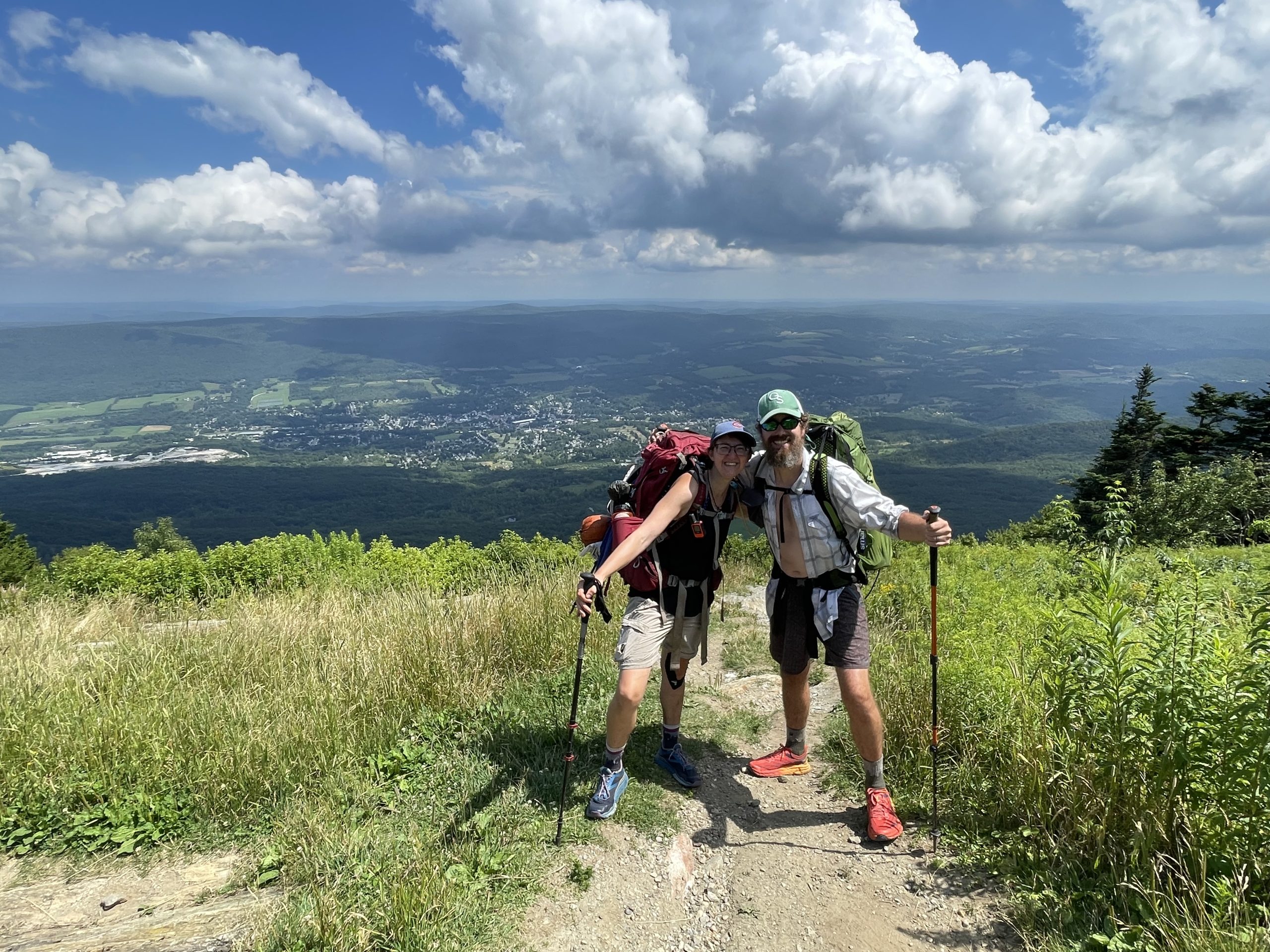
KFC and Chop Chop.
For Some, the Biggest Challenge Comes After the Trail Ends
I first met Chop Chop in Virginia. My mom and I were recovering from a bout of norovirus; we had spent the previous day in our tents with horrible stomach cramps. After a morning of slow, cautious hiking, we stopped at a shelter for lunch. Chop Chop was there with his friend Luxury Item.
We chatted for a bit over lunch, and afterward, I didn’t see Chop Chop again for several weeks.
Our paths briefly crossed a few times further north in Virginia, and we continued to run into him a handful of times over the next few months. In Massachusetts, he shared the news that he was about to become a dad.
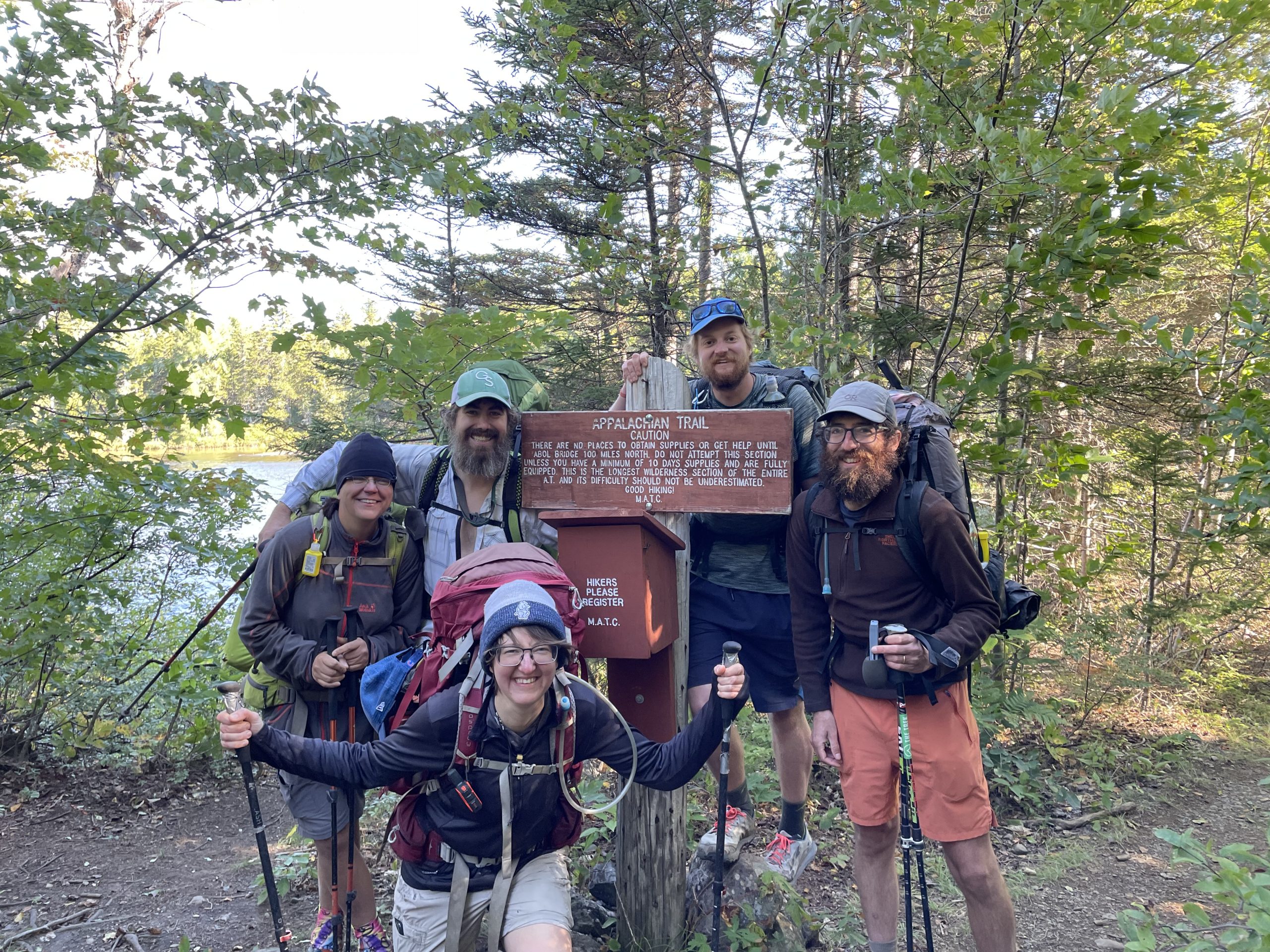
Our tramily enters the 100-mile wilderness.
During hte last 500 or so miles of the trail, our hiking schedules finally aligned, and Chop Chop and I spent a lot of time hiking together. We shared a lot of common interests, but our motivations for getting on trail were vastly different. We had a long chat while hiking up Mt. Moosilauke in New Hampshire, and Chop Chop shared with me about his mental health struggles for the first time.
I had never met anyone with a story quite like Chop Chop’s. He had never camped a night in his life before stepping onto the AT, and his decision to thru-hike had come just a month or so before he got out on the trail. His anxiety and depression had become so debilitating that he felt like he had no other option but to quit his job and do something completely different.
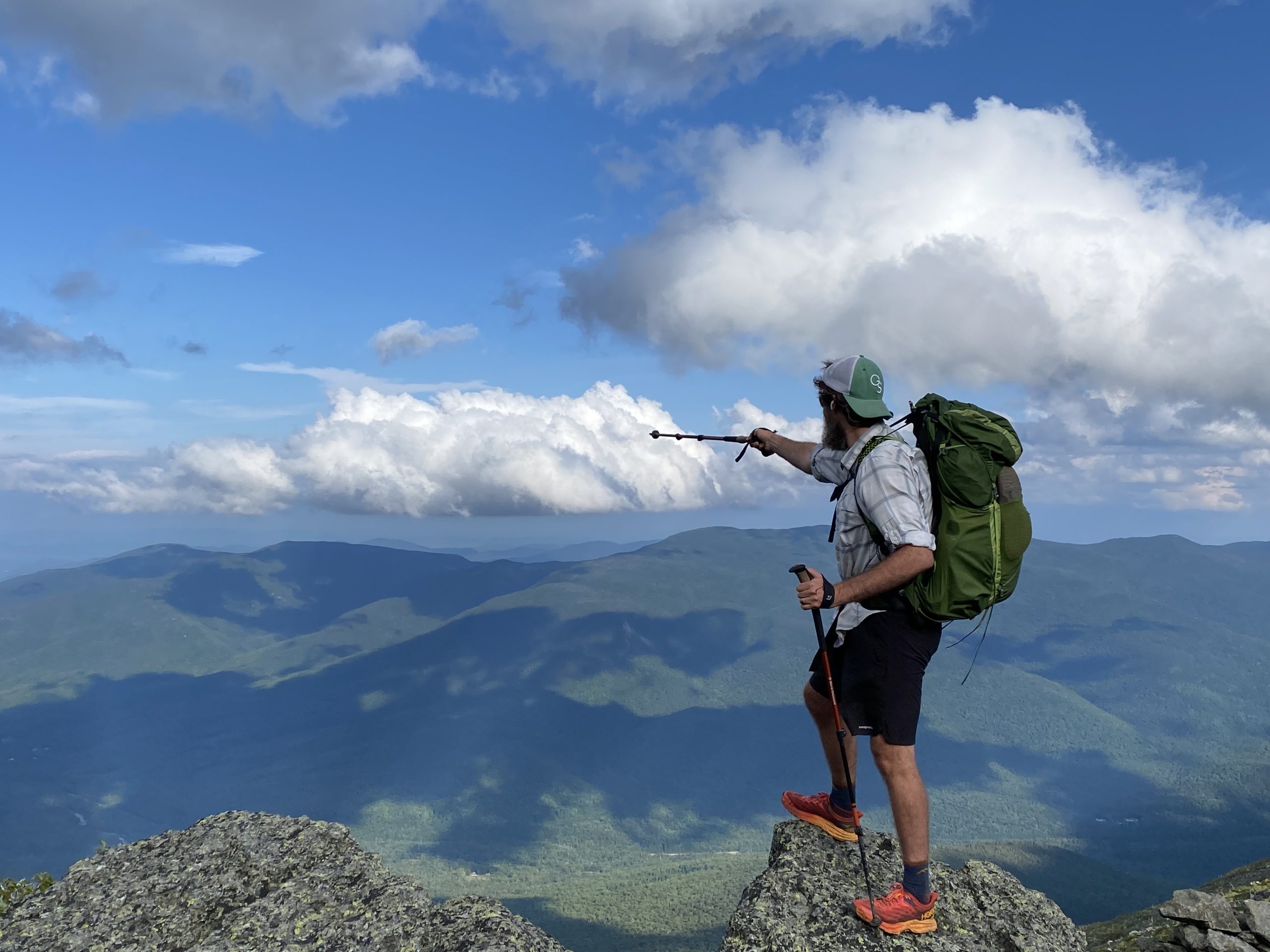
Chop Chop in the Whites.
I Had Never Met Anyone With a Story Quite Like His
As we approached the end of the trail, conversation turned to our plans for after the hike. Chop Chop was clearly conflicted. Should he go back to the job that he’d quit before hiking the trail? He was about to become a dad — how would he adjust to this new stage of his life? I offered what thoughts and advice I could, but I didn’t fully grasp the scale of his mental health challenges until months later.
Chop Chop and I kept in regular touch after completing our thru-hikes. He shared pictures of his newborn son, Walker, and we talked about the challenges of reintegrating into society post-thru-hike. At some point during one of these discussions, Chop Chop expressed his interest in putting together his own podcast focused on his mental health journey and its connection to the AT.

I had thought a lot about the connections between mental health and long-distance hiking while working on Common Land. But to really dive deep into the issue, I needed the kind of personal details that are only shared when there’s a deep bond of trust between two people — exactly the kind of bond I had developed with Chop Chop.
After much discussion, Chop Chop and I committed to the idea of telling his story in a new episode of Common Land. And when we sat down for our first interview, the floodgates opened up.
It Took Us Over a Year To Tell This Story
Chop Chop shared details that he had never previously revealed about the depths of the depression that he experienced in the years and months before his thru-hike. He also shared about his struggle with infertility. His wife, Elena, agreed to an interview as well, and the two of them told me the story of their son Walker’s conception along the AT in Shenandoah National Park.
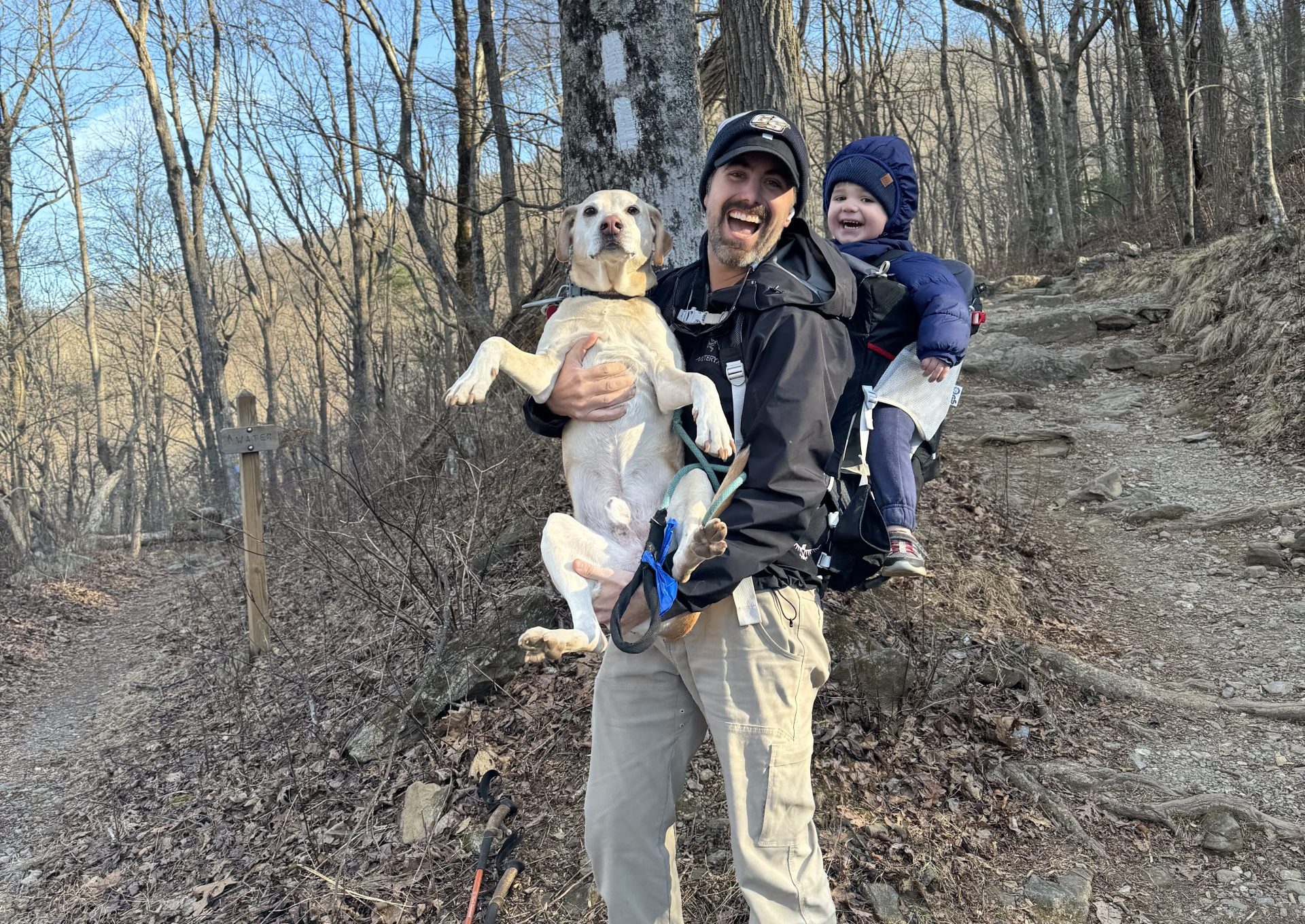
Chop Chop out on the trail with his son Walker.
It took us over a year to put together this episode, but I think the result is a story that many others can draw inspiration from. It’s the most deeply personal story that I’ve had the opportunity to tell as a part of this series, and I’m enormously grateful to Chop Chop and Elena (Hot Week) for putting their trust in me.
Neither Chop Chop nor I are mental health professionals, and we’re a bit wary of sharing advice. Everyone has a different mental health journey and what worked for Chop Chop won’t work for everyone. But there are some valuable insights that Chop Chop took away from his experience, which I’ll share here:
- It’s OK to be vulnerable: Talking openly with others about your struggles can help people better support you. In the episode, Chop Chop recalls a particularly meaningful email in which his employer congratulated him on his achievements, and assured him that his work community was a safe place to be open about his struggles with mental health.
- Get outside in nature and move your body! For Chop Chop, who’s fortunate to live just a short drive from the AT in North Georgia, a sunrise hike is often the mental reset he needs when stress and anxiety sets in.
- Find your community: Chop Chop discovered a utopia of kindness in the AT trail community, from fellow thru-hikers sharing stories to trail angels providing a meal or a ride. He quickly realized he wasn’t the only one struggling and was surrounded by positivity from people on the same mission.
- Avoid unproductive anxiety: From finding water on the trail to staying warm, there are a variety of challenges on the trail that require attention and problem solving. Chop Chop learned to identify these so-called “real problems” and developed strategies to avoid unproductive anxiety about things in everyday life that are out of his control.
- Be confident in your accomplishments. Hiking from Georgia to Maine is no easy feat. The hike restored his confidence, and this may be the most significant gift that the trail provided for him. In the episode, Chop Chop discusses how he was able to apply the confidence that he gained from his AT hike into his everyday life after returning home.
This story gives me enormous hope, something that we need a whole lot more of these days. I encourage you to listen while out on a walk through the woods.
The Trail Provides
The epilogue to Common Land, my serialized documentary podcast about the Appalachian Trail, explores the connections between mental health and long-distance hiking. Tune in via the embedded podcast player below, or check out the episode’s show notes here.
If you’re struggling with your mental health or simply need someone to talk to, help is available. In the U.S. and its territories, you can call or text 988 to reach the 988 Suicide & Crisis Lifeline, or use its online chat. The service is available 24/7 and is free and confidential.
For help finding mental health treatment and other behavioral-health services in the US, the Substance Abuse and Mental Health Services Administration (SAMSHA) has a National Helpline that is available 24/7 at 1-800-662-HELP (4357).

This website contains affiliate links, which means The Trek may receive a percentage of any product or service you purchase using the links in the articles or advertisements. The buyer pays the same price as they would otherwise, and your purchase helps to support The Trek's ongoing goal to serve you quality backpacking advice and information. Thanks for your support!
To learn more, please visit the About This Site page.
