
 ">


Why $10,000 May No Longer Be Enough to Thru-Hike the Appalachian Trail
When I first started looking into thru-hiking the Appalachian Trail, I constantly heard the rule of thumb that a backpacker can hike the trail on $1,000 a month. However, when we look at the data from thru-hikers in recent years, that adage has officially collapsed.
According to our 2025 Appalachian Trail Thru-Hiker Survey, finishing every mile of the trail now requires a level of financial commitment that makes a $10,000 savings cushion seem dangerously thin. A five-figure hike may once have seemed extravagant, but several changes to the trail and world economics in general have now made this a common price to pay.
How Much Are Backpackers Spending to Thru-Hike the Appalachian Trail?
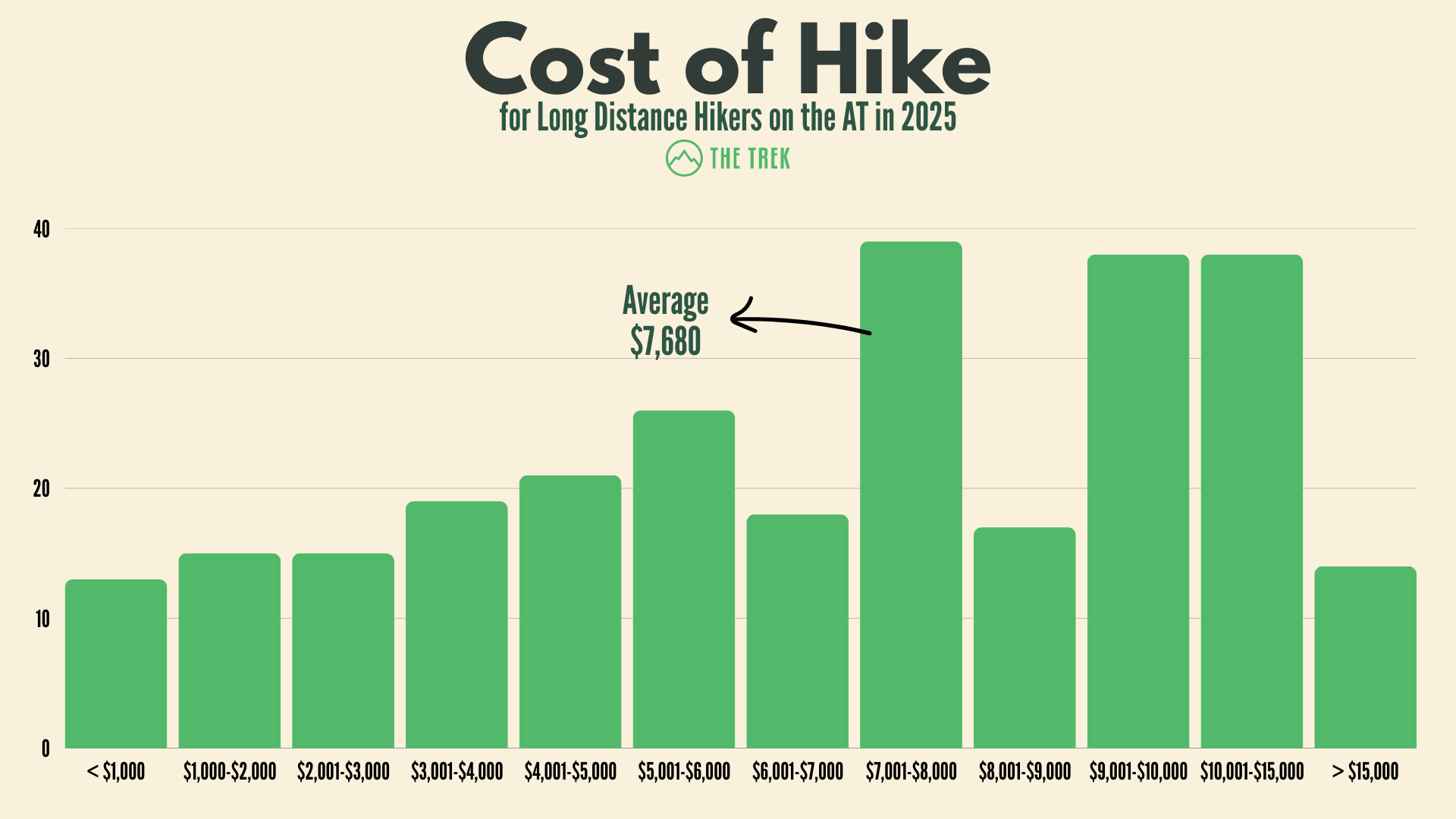
Back in 2016, when The Trek first began tracking hikers’ budgets, the average hiker spent between $4,000 and $6,000 total. Over the past decade, the cost of completing the trail has climbed by several thousand dollars. Data from the 2025 survey shows that hikers spent an average of $7,680 on an AT thru-hike, holding fairly steady with 2024’s average of $7,602.
Gear costs represent a significant portion of this. Survey respondents reported spending an average of $2,113 on gear, encompassing both their baseline setup before leaving home and the ongoing gear replacements needed along the way.
And these are just averages. A substantial number of 2025 thru-hikers reported spending between $9,000 and $15,000, and more than 10 said they spent even more. Even hikers who plan to hike thrifty can be surprised by an unexpected medical bill or gear-failure emergency.
These self-reported numbers also don’t necessarily account for ongoing real-world expenses. In addition to the price of the hike itself, many backpackers still pay health insurance premiums, cell phone service plans, car insurance, storage unit fees, and rent. Additionally, most people need a transition fund to cover their rent and groceries once they return back to their normal lives.
READ NEXT – The 2025 Appalachian Trail Thru-Hiker Survey

I can’t help how much I love a cheeky drink and rest at a hostel or shelter, but my wallet sometimes hates it. Photo via Katie Jackson
Why Has the Appalachian Trail Gotten So Expensive?
Beyond inflation and the rising cost of living, several changes to the trail’s culture and expected experience have made the AT a more expensive endeavor.
Town Vortex
Spending time in town is the single biggest financial drain on any thru-hike. Hostels that once charged $15 for a bunk a decade ago might now routinely charge upwards of $35 for the same bed. Many roadside motels now easily surpass $120 a night after taxes.
It’s surprisingly easy to burn through hundreds of dollars on a multi-night town stay, especially once you factor in additional costs for restaurant visits, beer, laundry, and showers.
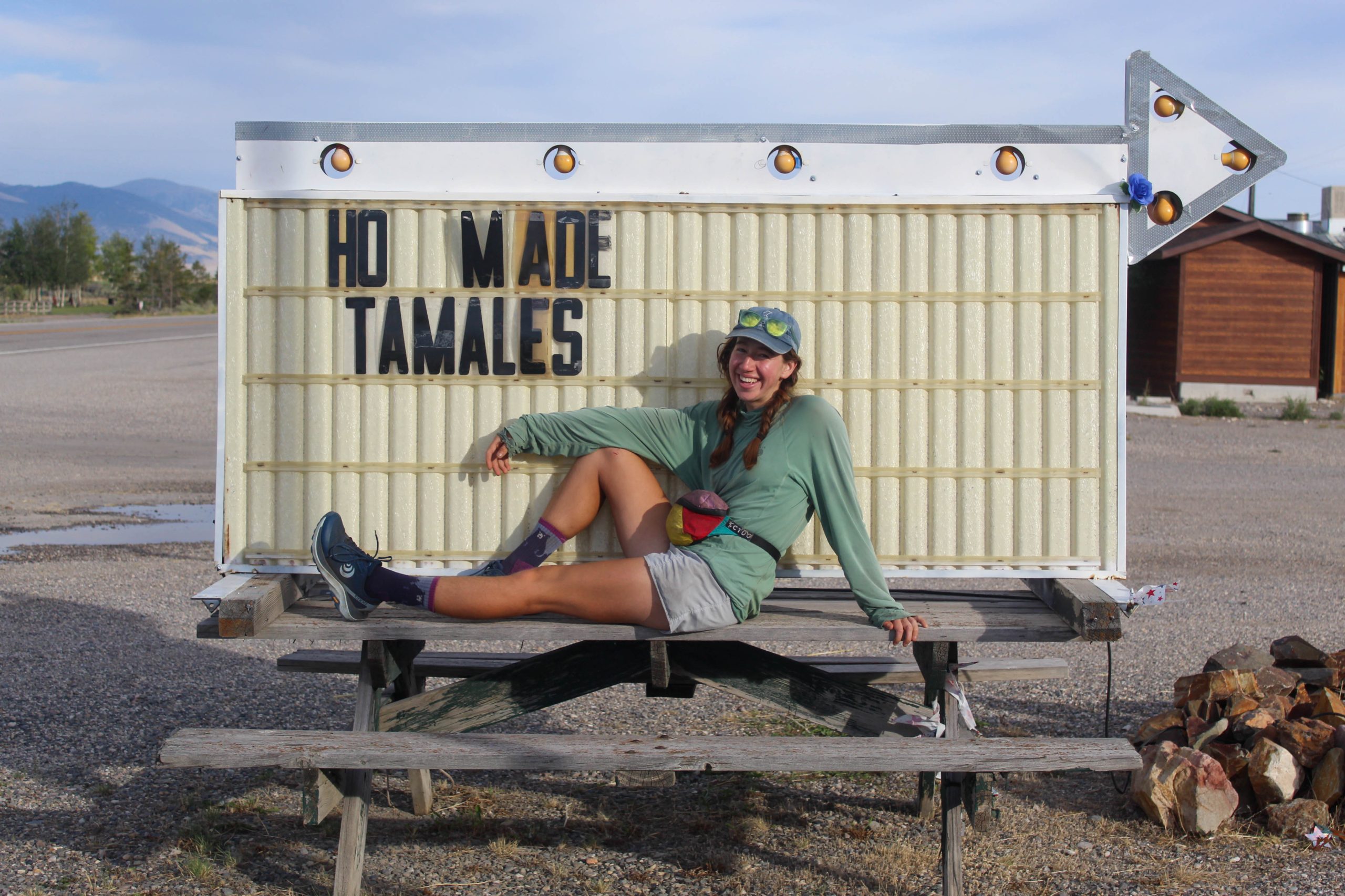
Sometimes you just need to pop into a town to do laundry, grab some tamales, and head back out. Photo via Katie Jackson
Food and Supply Price Creep
Not only has the price of staying in towns increased, but the cost of food and resupply has also surged. Hiker hunger typically demands around 4,000 to 5,000 calories per day. While food prices vary by store and region, there’s no denying that shelf-stable goods tend to cost more at remote gas stations and small-town shops than they would at home.
Geographic isolation drives much of that price surge along the Appalachian corridor. The trail frequently takes hikers into rural crossroads where the only walkable food sources are convenience marts and Dollar Generals.
Single candy bars and individual honey buns that retail for almost nothing at suburban superstores can ring up between $2.50 and $3.50 in trail towns. Tuna and chicken foil packets might push north of $2.50 each, basic peanut butter sits around $4.50, and four-ounce bags of beef jerky can climb past $10 to $14. Even traditional cheap, reliable options like Knorr Pasta Sides and instant ramen have climbed well above their historical clearance prices.
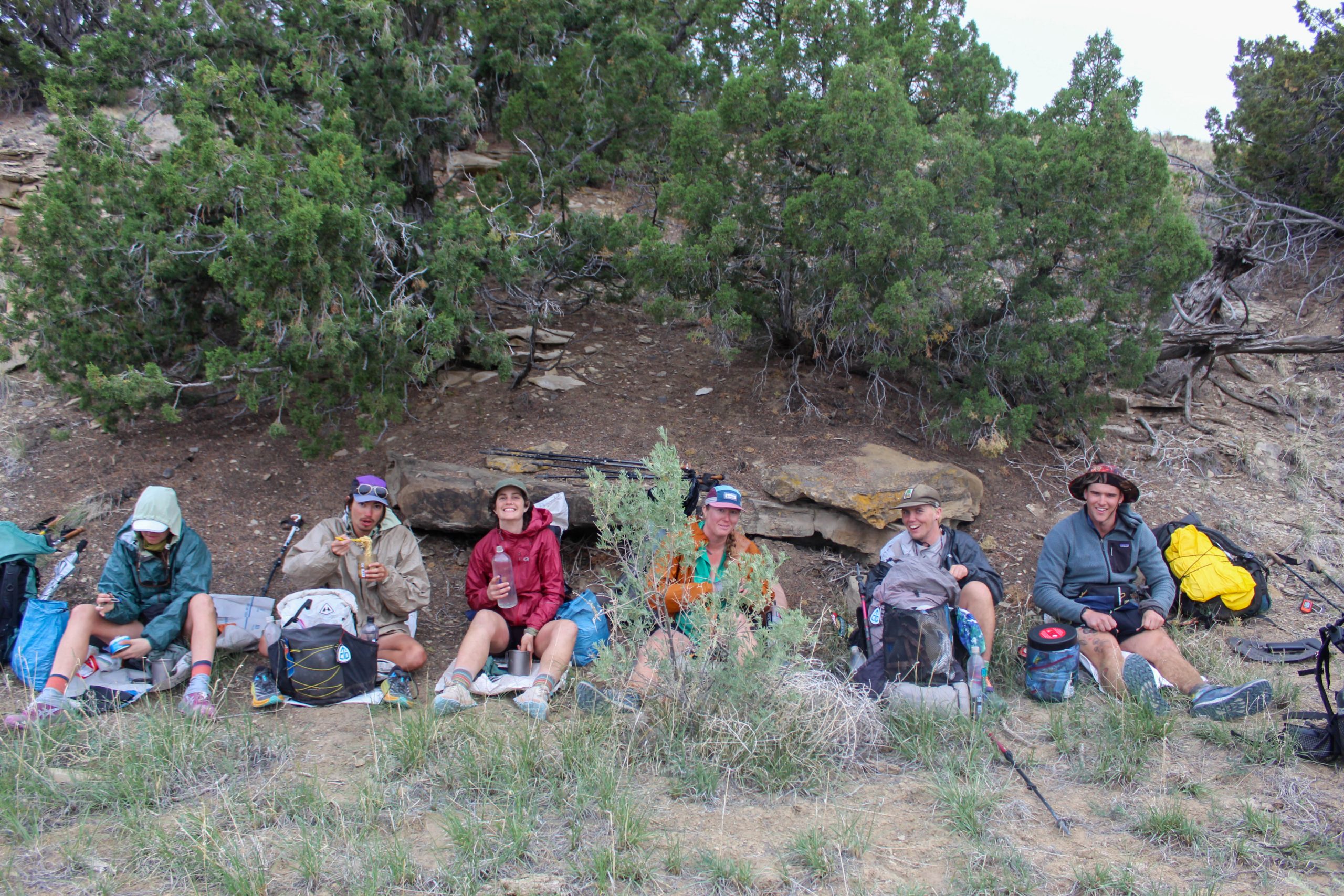
Plus, you have to remember that you’ll be eating far more calories out there than you do in regular life. Photo via Katie Jackson
High Equipment Turnover
Ultralight gear often prioritizes weight savings over longevity. Trail runners tend to wear out every 400 to 600 miles, meaning a typical hiker will cycle through four to five pairs between Georgia and Maine at $140 to $220 per pair. Socks wear through, sleeping pads pop, carbon trekking pole tips shear on rocky trailbeds, and water filters freeze or clog. Replacing worn components across five months eats hundreds of unplanned dollars.
Additionally, more hikers are chasing the Triple Crown than ever before, and most gear cannot survive more than one multi-month thru-hike. With gear prices steadily creeping higher like everything else, outfitting yourself for a trail has become an even bigger burden.
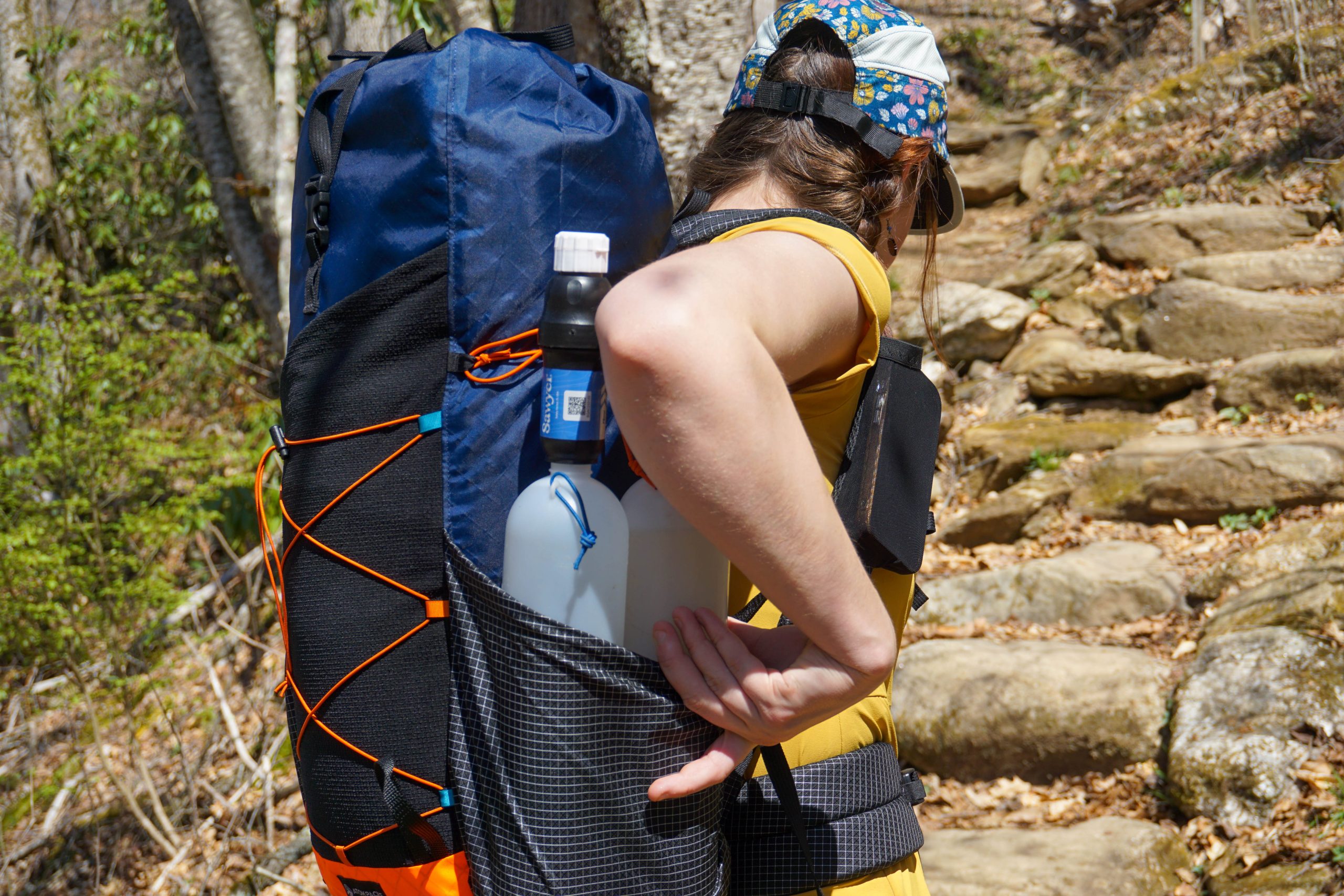
Good gear is expensive. Replacing bad gear is expensive. Everything is expensive. Photo via Katie Jackson
How To Lower Your Expenses
It’s still possible to finish the AT on a smaller budget, but it requires being honest with yourself about your circumstances and a willingness to sacrifice some comfort, even when those around you are indulging more in towns.
Hike Faster
Time is money on a long trail.
The 2025 survey recorded an average completion time of 153 days (roughly five months). Because trail living averages $1,200 to $1,500 per month, knocking 30 days off your schedule instantly removes $1,200 to $1,500 from your final balance.
To hike a little faster while still enjoying your experience, build your physical base before hitting the terminus, which will let you start with a slightly higher daily mileage. Additionally, fight the temptation to take a bunch of zeroes in towns. (I warn you: this becomes exponentially more challenging in uncomfortable weather.)

When weather gets cold, it can be hard to fight the temptation to stay in a town. Photo via Katie Jackson
Learn To Love a Nero
To reduce zero days, learn to love a good nero (“near zero”) day. Spend the night on trail close to a town, hike in early to resupply, charge your devices, eat breakfast and lunch, take a shower, and then hike a few miles back onto the trail in the early evening. Even just cutting out the lodging expenses from your stays in town can dramatically change how much you end up spending on your thru-hike.
When you do stay in town, split motel rooms with other hikers or look for donation-based community hostels.
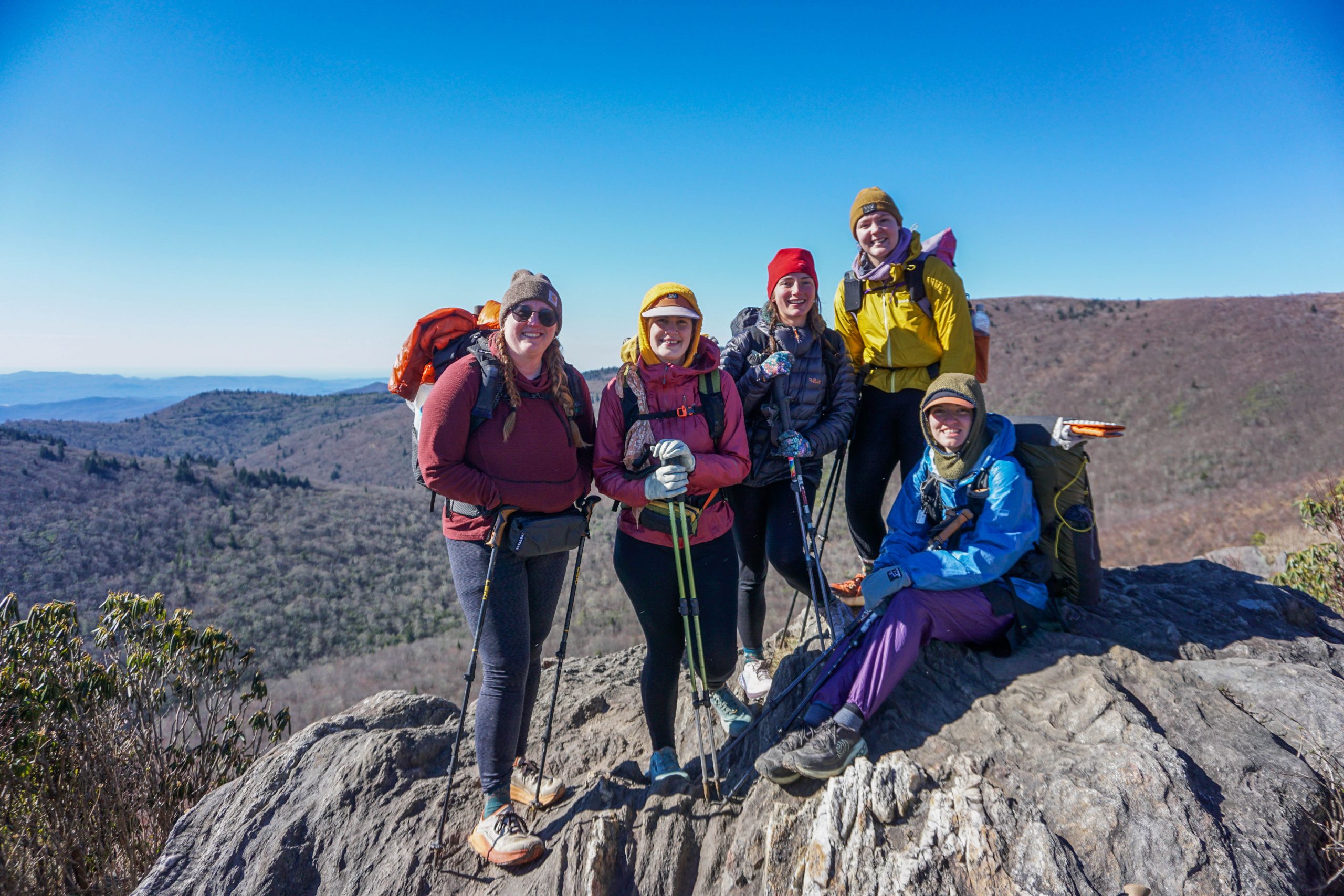
Not only is hiking with a group fun, but it also makes stays in town much cheaper. Photo via Katie Jackson
Be Thoughtful About Resupply
Food costs plummet when you change where and what you buy: Prioritize full-sized grocery stores (Walmart, Food Lion, Ingles) over gas stations and dollar stores whenever a road crossing allows access. Skip the expensive freeze-dried backpacking meals in favor of bulk staples like couscous, instant ramen, mashed potato flakes, olive oil, and shelf-stable meat pouches.
Although tempting, avoid sending routine mail-drop boxes, because shipping postage and post office holding fees generally overwhelm whatever money you saved buying food in advance. Finally, rely on hiker boxes in hostels and outfitters for free partial resupplies, fuel canisters, and surplus staples left behind by other hikers.
Better Safe Than Sorry
The changing economics of the trail and the world at large mean that financial preparation has become one of the most important parts of planning for a thru-hike. For hikers on a tighter budget, that includes mentally preparing to endure some discomfort in order to keep spending down.
Hiking the Appalachian Trail is hard enough — aggressive pre-trail saving and some on-trail sacrifices in comfort can make sure your bank account isn’t the thing that holds you back.

This website contains affiliate links, which means The Trek may receive a percentage of any product or service you purchase using the links in the articles or advertisements. The buyer pays the same price as they would otherwise, and your purchase helps to support The Trek's ongoing goal to serve you quality backpacking advice and information. Thanks for your support!
To learn more, please visit the About This Site page.

Comments 3
I don’t find dollar stores expensive. You can do an excellent resupply there.
For the grocery store’s loyalty programs use the local area code with Jenny’s number (867-5309). Combined with buying store brands I routinely saved 20-30%.
What would we do without Jenny?