
 ">


Iconic Backpacking Spot Tops Nationwide Survey for Fecal Contamination
A national survey by the US Environmental Protection Agency (EPA) has delivered concerning findings for hikers, including CDT thru-hikers, visiting Wyoming’s iconic Cirque of the Towers. Lonesome Lake, a popular alpine gem nestled below the famous cirque in the Wind River Range, was identified as the most fecally contaminated lake among 981 bodies of water surveyed nationwide.
EPA researchers collected samples from Lonesome Lake and other randomly selected water bodies around the nation in 2022 but only published their survey results last fall. Officials have since highlighted the need for more data, prompting a more thorough joint investigation of Lonesome Lake this summer by the US Forest Service and the Wyoming Department of Environmental Quality.
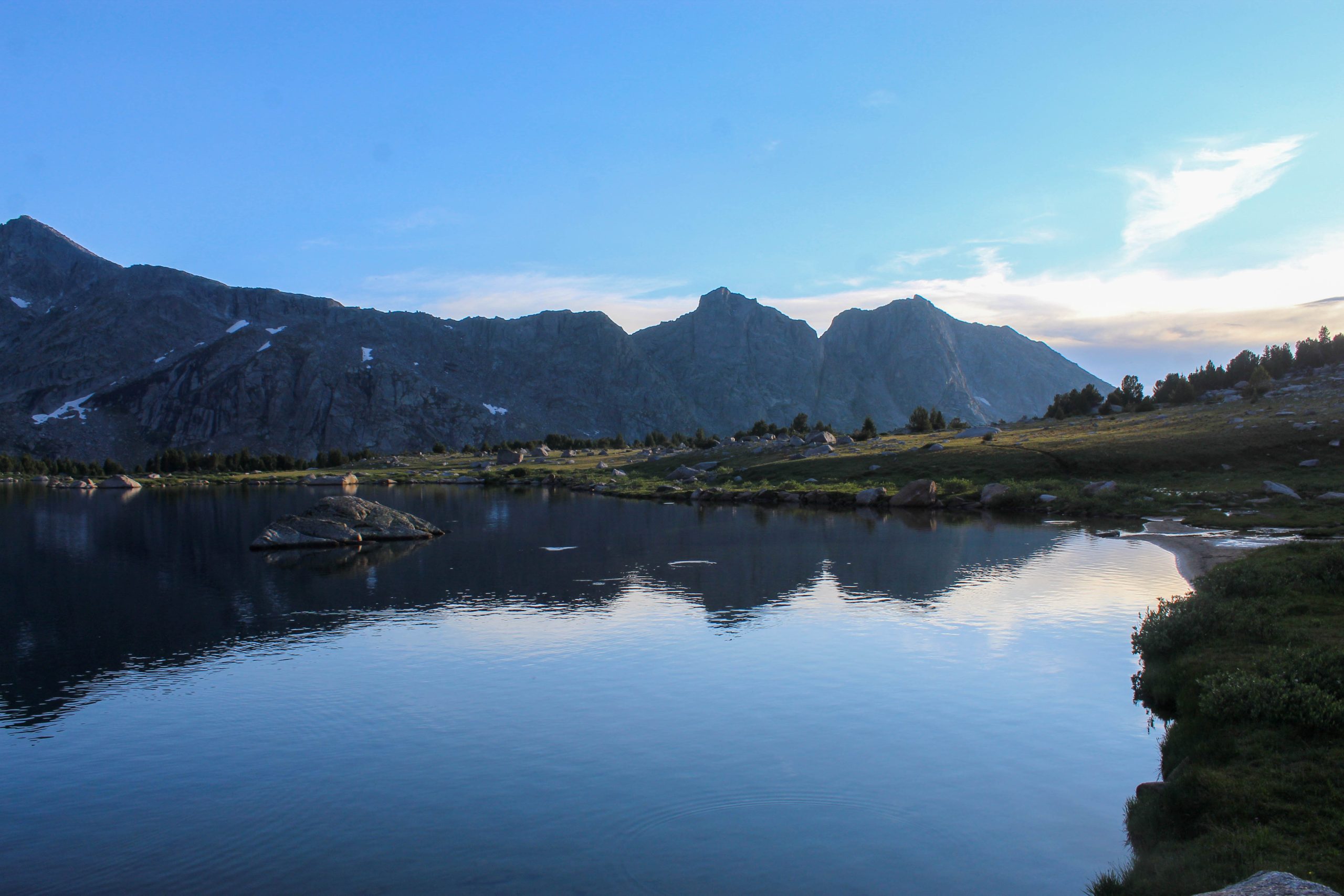
Lonesome Lake | Photo
What Was Found in the Water?
A water sample found an alarming Enterococci concentration of 490,895 calibrator cell equivalents per 100 milliliters. This figure dramatically surpasses the EPA’s safety threshold for swimming (1,280 CCE/100 mL) by 384 times, making it a point of concern for both human and environmental health.
For CDT thru-hikers, this news carries some ramifications regarding camping and water filtration. While not directly on the red line, Lonesome Lake sits just half a mile off the Continental Divide on the very popular Cirque of the Towers alternate in a region heavily trafficked by backpackers, climbers, and day-hikers.
The substantial human presence in this fragile alpine environment is believed to be the primary cause of the contamination, pointing squarely to improper human waste disposal.

Lonesome Lake is a popular campsite for thru-hikers finishing the Cirque of the Towers Alternate before rejoining the official CDT (red line). Screenshot from FarOut.
Dispose of Your Poop Properly
All backcountry visitors should follow Leave No Trace principles, whether they are thru-hiking, section hiking, or just out for the day. The collective impact of improper waste management can have devastating consequences for water sources, as shown by this water survey.
So, what can you do to prevent yourself from getting sick and minimize your footprint? First, always treat your water. No matter how clear or remote a source appears to be, contamination can still be present. Alpine lakes may seem fresh and source-fed, but you never know how much poop lurks below the surface. And, in this case, the answer is a lot of poop.
To avoid contributing to the problem, dig a proper cathole and always pack out your toilet paper. Ensure human waste is buried at least 6-8 inches deep and 200 feet (about 70 paces) from water sources, trails, and campsites. Do not bury or burn your TP; it does not decompose quickly in most environments, and the amount of traffic seen along national scenic trails far outpaces the rate of toilet paper breakdown.
What’s Next for Lonesome Lake?
Environmental regulators are continuing their investigations into the extent of the problem and potential solutions for Lonesome Lake. In the meantime, this information should motivate the thru-hiking community and all backcountry users to redouble their commitment to responsible wilderness practices.

This website contains affiliate links, which means The Trek may receive a percentage of any product or service you purchase using the links in the articles or advertisements. The buyer pays the same price as they would otherwise, and your purchase helps to support The Trek's ongoing goal to serve you quality backpacking advice and information. Thanks for your support!
To learn more, please visit the About This Site page.

Comments 1
What a SH*TTY article. Sorry, but not really🤣
I have long been an advocate of avoiding the 8.8 mile approach to the Summit of Springer Mountain, currently the Southern Terminus of the ever changing Appalachian Trail.
Forest Service Road 42 will get you one mile north and you won’t have to wade through the “Traces” left by the horde.
Research shows poop breaks down in about a year, IF properly buried. Can you imagine 5000 brown bananas in 8.8 miles (uphill) on mostly ledge rock surfaces…every year?
Like we say above treeline in the White Mountains of New Hampshire, bag it and drag it. Leave No Trace.