
 ">


The Most Dangerous Animals on the CDT
When a trail stretches 3,100 miles from Mexico to Canada along some of North America’s wildest and most rugged landscapes, hikers shouldn’t be surprised to find some potentially dangerous animals living along the way.
While true encounters are rare, knowing what you might face and how to best respond can make the difference between a fun, memorable story and a serious problem. A hiker’s safety depends not on a lack of wildlife in the backcountry, but on the ability to coexist with it respectfully.
Bears: Both Black and Grizzly
Grizzly and black bears are the most iconic — and oftentimes most feared — animals on the CDT. The biggest risk bears pose to hikers isn’t from outright aggression, but surprise encounters or food mismanagement.
Following bear-safe practices is crucial for keeping conflicts rare. This includes carrying bear spray and knowing how to use it, making noise in dense brush or low-visibility areas to avoid startling a bear, and properly storing all food and scented items. Using a bear canister or an approved bear bag hung from a tree branch is essential to prevent bears from associating hikers with a food source.
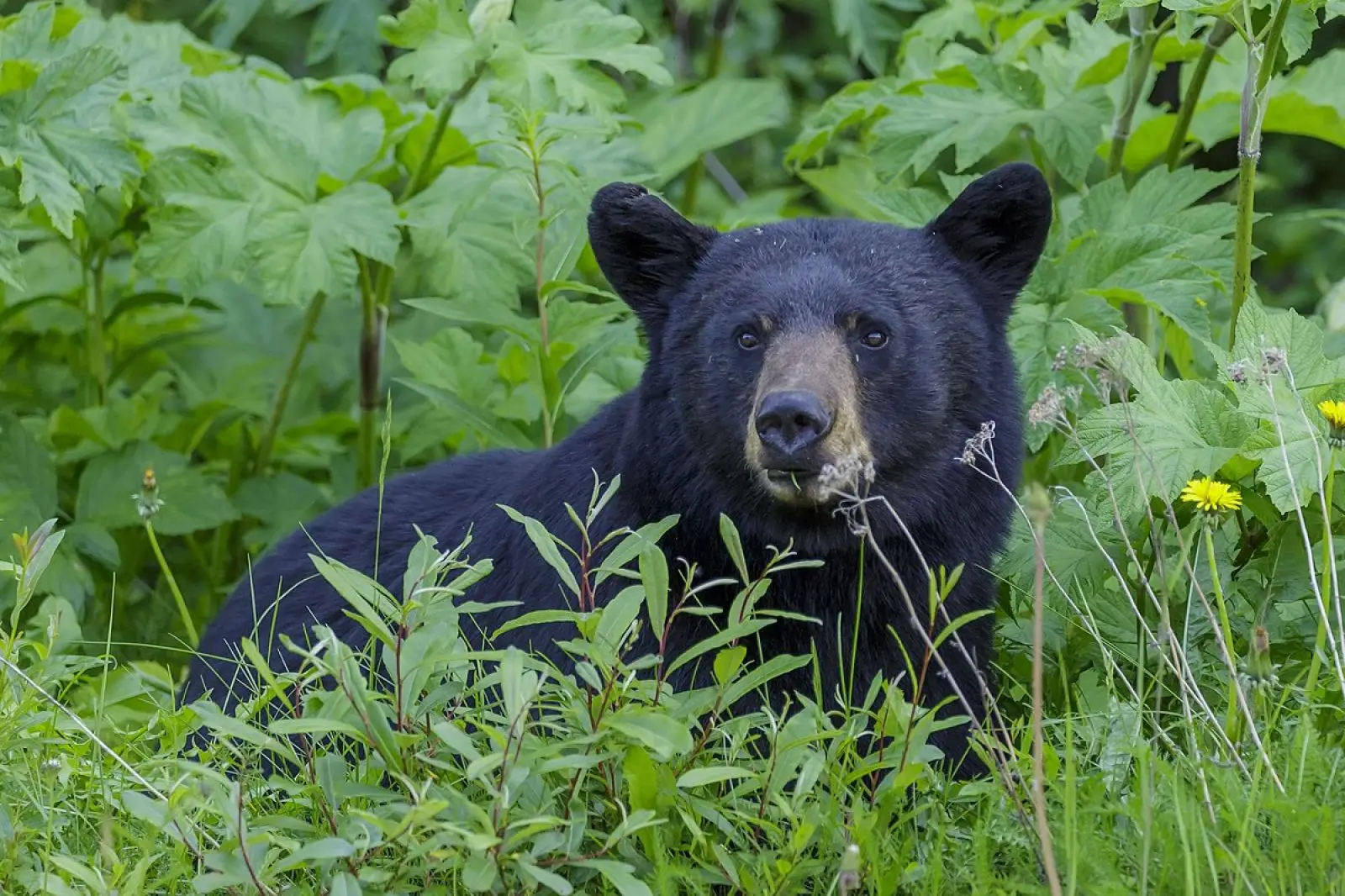
An American black bear. Photo: Thomas Fuhrmann.
Grizzlies inhabit the northern stretches in Wyoming, Montana, and Idaho, primarily within the Greater Yellowstone and Northern Continental Divide ecosystems. These states are also the only states in the contiguous United States where grizzly bears live, making the CDT the only of the Triple Crown trails to pass through grizzly territory.
Black bears, which are generally smaller and less aggressive, are found throughout the entire trail corridor.
What To Do in a Bear Encounter
While the initial steps for handling an encounter with both types of bears are the same — staying calm, not running, and slowly backing away — the appropriate response to a physical attack differs based on the bear’s likely motivation. An attack from a grizzly bear is almost always defensive, prompted by a threat to its cubs or a food source. In this case, your best strategy is to appear non-threatening: you should lie on your stomach and play dead.

Grizzly bear in Yellowstone National Park. Photo: Oregon State University
Conversely, a black bear attack is more likely to be predatory. Black bears are generally more timid; in the rear case that one actually attacks, it might mean the bear sees you as a potential meal. For this reason, you should never play dead during a black bear attack; instead, your best chance of survival is to fight back with all your strength.
Knowing the physical differences between the species, such as the grizzly’s prominent shoulder hump and dish-shaped face, can help you make a decision in the vastly unlikely event of a bear attack.
Mountain Lions
Mountain lions, or cougars, roam much of the CDT corridor, and prefer rocky, forested, or chaparral landscapes where they can stalk their prey unseen. They are elusive and secretive animals, and sightings are uncommon.
While attacks are exceedingly rare, they have occurred in the Rockies. A hiker who encounters a mountain lion should avoid running, as this can trigger the cat’s predatory instinct. Instead, you should maintain eye contact, make yourself look as large as possible by raising your arms and opening your jacket, and speak in a loud, firm voice.
Do not turn your back on the animal. If it approaches, throw rocks or sticks and fight back if attacked.

Just because you can’t see one, doesn’t mean it’s not there. As the adage goes, “you may not have seen a mountain lion while hiking, but a mountain lion has definitely seen you.” Can you spot the lion in this photo? Photo via
Moose
In the Rockies, more people are injured by moose than by bears. On the CDT, they are common in Colorado, Wyoming, and Montana, particularly in wetland areas and at higher elevations.
A moose may charge if it feels cornered, startled, or if hikers get too close, especially during calving season in the spring or the rut in the fall. Unlike bears, a moose that feels threatened will often signal its aggression by laying its ears back, raising the hair on its hump, and stomping the ground.
The safest move is to give them a very wide berth and back away calmly. Never get between a cow and her calf. A charging or chasing moose is not trying to kill you for food; it is trying to neutralize a perceived threat.
Moose are incredibly fast and can easily outrun a human, so remain calm and, if you are too close, back away slowly and calmly. If you can, get behind a large object like a tree, a car, or a rock.

Two moose near Mount Bierstadt in Colorado. Photo via
Rattlesnakes
In New Mexico and Wyoming especially, CDT hikers may cross paths with rattlesnakes, including western diamondbacks and prairie rattlesnakes. Most rattlesnake bites occur when people accidentally step too close or try to handle them.
Hikers can stay safe by watching their step, especially near rocks, downed logs, and thick brush, and listening for the distinct rattle sound. If a rattlesnake buzzes a warning, it is signaling that you are too close. Give it space and back away.
If a bite occurs, stay calm and call for help or trigger your SOS button immediately. Do not try to suck out the venom, apply a tourniquet, or cut the wound, as these actions can cause more harm.

Western Diamondback Rattlesnake in New Mexico. Photo: White Sands National Monument
Bison
In Wyoming’s Wind River Range and especially in Yellowstone National Park, hikers may encounter free-ranging bison. Despite their seemingly calm and slow appearance, bison can be incredibly dangerous. They can sprint at speeds of up to 35 mph and gore or trample people who approach too closely.
The number one rule is to maintain at least 25 yards of distance. Bison can be unpredictable, especially if they have calves, and what seems like a safe distance may not be. Never try to pet, feed, or take a selfie with a bison.

Photo: Tom Fournier
Smaller Threats: Insects and Rodents
Not all hazards are large. Mosquitoes, ticks, and rodents can spread disease or contaminate food supplies.
Mosquitoes, especially in marshy areas, can be a constant annoyance and may carry diseases. While Lyme disease risk is lower in CDT states compared to the East, tick-borne illnesses like Rocky Mountain spotted fever and tularemia do exist. Keeping repellent and a bug net handy and wearing long pants and sleeves, especially if treated with permethrin, can help.
Rodents like mice and squirrels can spread those same ticks, as well as diseases like hantavirus, so it’s important to store all food and scented items securely in a sealed bag or canister to avoid attracting them.

A bear can protects your food from bears, and it also rodent-proofs your food from any other critters. Photo via
Humans
While most of your fellow hikers on the CDT will be friendly and part of a supportive community, it is important to remember that human-related safety concerns can arise. Unlike wildlife, a negative human encounter is often the result of intent. While rare, theft or other incidents can occur, particularly at trailheads, road crossings, or in nearby towns.
Always trust your instincts. If a person or situation makes you uncomfortable, take steps to create distance and ensure your safety. It is also a good practice to share your itinerary with a friend or family member and check in regularly.

Hiking with a group is another way to stay safer if you’re nervous about dangerous encounters with other humans. Photo via
The CDT runs through prime wildlife habitat, and that’s part of its appeal. Most “dangerous” animals on the CDT prefer to avoid people, and serious incidents are rare. Respecting their space, practicing good food hygiene, and knowing how to respond if you meet them are the keys to staying safe.
For hikers, the real risk is often underestimating these animals’ power — or forgetting that on the CDT, you’re the visitor in their home.
Featured image: Graphic design by Chris Helm

This website contains affiliate links, which means The Trek may receive a percentage of any product or service you purchase using the links in the articles or advertisements. The buyer pays the same price as they would otherwise, and your purchase helps to support The Trek's ongoing goal to serve you quality backpacking advice and information. Thanks for your support!
To learn more, please visit the About This Site page.

Comments 1
I just finished 2/3 of the CDT, and I only saw one bear – crossed the trail way ahead of me in the high section of Rocky Mountain NP. The animal on this articles list that I saw a lot of was moose in Colorado. This state actually takes care of their moose, whereas for elk and deer the males are hunted mercilessly. Obviously, I encountered swarms of mosquitos in July up north, but I stay covered up, including netting.