
 ">


Everything I Eat in a Day on Trail as a Thru-Hiker
I’m tackling a long section hike of the Great Divide Trail this summer, and due to its remoteness, I need to mail myself all my food ahead of time.
I generally prefer to just shop along the way and almost never use resupply boxes, but it can’t be helped this time. As a result, I already know pretty much exactly what I’ll be eating every day during my month on trail.
Resupply Rules
I’ll try to build some variety into my boxes so my diet doesn’t get too monotonous, and I’m embracing the mail-drop lifestyle by including some specialty items I can’t normally find in stores, like freeze-dried vegetables, refried bean flakes (most delicious trail food ever invented), single-serve olive oil packets, and high-protein black bean pasta with freeze-dried pasta sauce.
All of my food needs to fit in a single Ursack, which seems ambitious, so I’m prioritizing dense, compact foods that don’t take up too much space — so I probably won’t be mailing myself bulky items like chips.

Photo: Laura Garcia
The last major limitation I’m working with is that I need to fly from the US into Canada with my entire hike’s worth of food in a checked bag. To increase my chances of Canada allowing me and my food into the country, I’ll stick with prepackaged, store-bought items in their original sealed containers. That means no home-dehydrated meals and no repackaging ingredients from #10 cans into smaller ziplocks, at least until after I clear Customs.
When I do food-related posts, I typically organize them by meal type (breakfast, morning snack, etc.). In reality, I might have lunch for breakfast and breakfast for morning snack, etc. etc. But for organizational purposes, I find it easiest to categorize my food items in this way.
Anyway, enough chit-chat. Here’s everything I’ll be eating in a typical day on trail this summer.
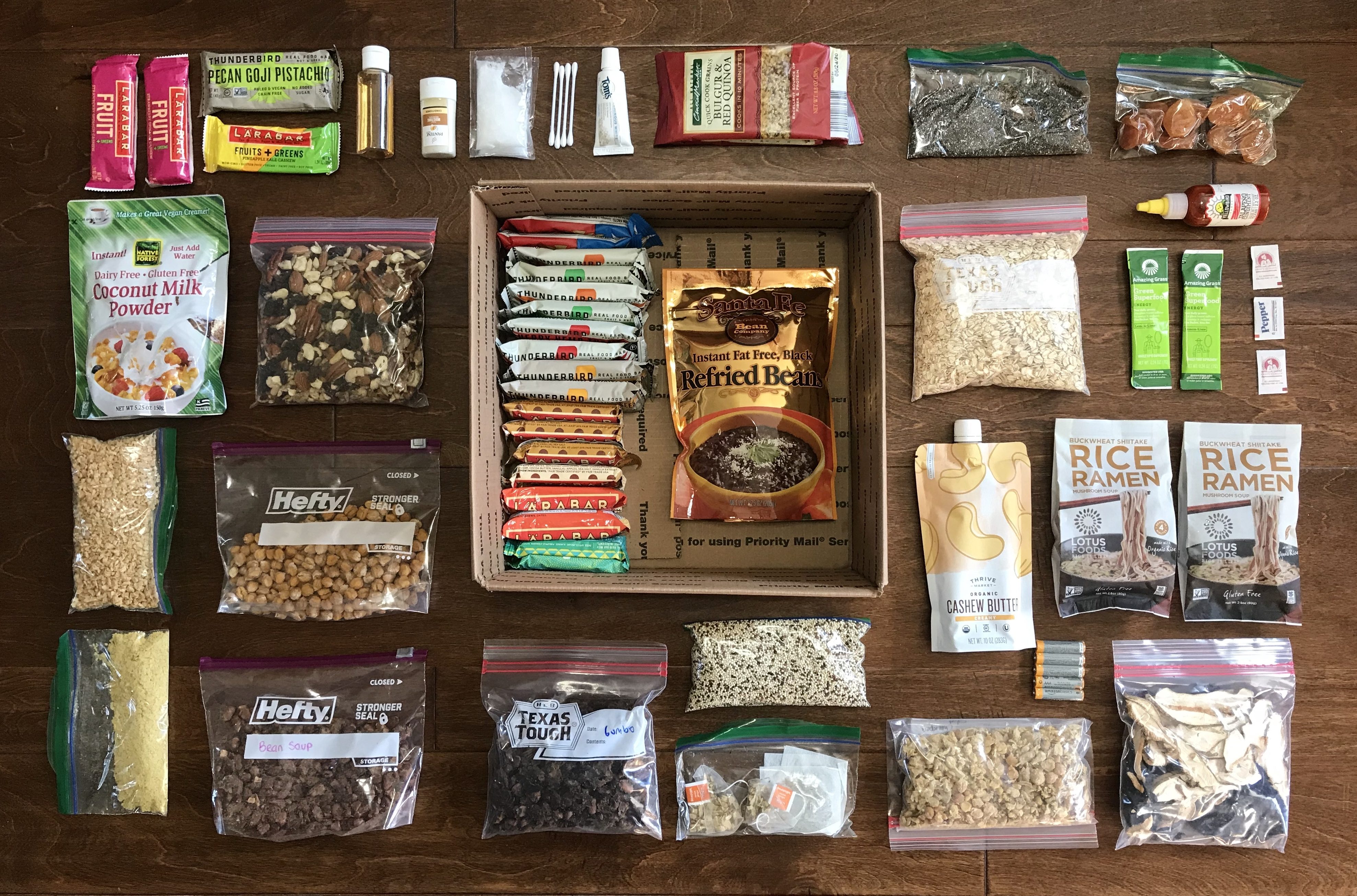
Photo: Laura Garcia
Breakfast
- Grape Nuts + coconut milk powder (tastier and more calories than whole milk powder)
- Trader Joe’s instant coffee (you need 2-3 to make a decent single serving, I’ll probably only pack enough to have occasional morning coffee as a treat)
Morning Snack
- Bar (Kind Bar or Nature Valley mostly)
- Nuts / Trail Mix
Lunch
- Tortilla + Peanut Butter (packing one small jar per resupply)
- Cheese (I’m counting on being able to supplement my mail boxes with cheese along the way)
Afternoon Snack(s)
- Nuts / Trail Mix
- Chicken/Tuna/Spam packet
- Dried mango slices
Dinner
- Idahoan Instant Potatoes + Refried Bean Flakes + Freeze-Dried Mixed Veggies or Knorr Side or Black Bean Pasta + Knorr Dehydrated Pesto Sauce + Freeze-Dried Mixed Veggies
- Cheese
- An olive oil packet to boost the calories for each meal
- Cookies or dark chocolate for dessert
Mail Drop Resupply vs. Grocery Store Resupply: Key Menu Differences
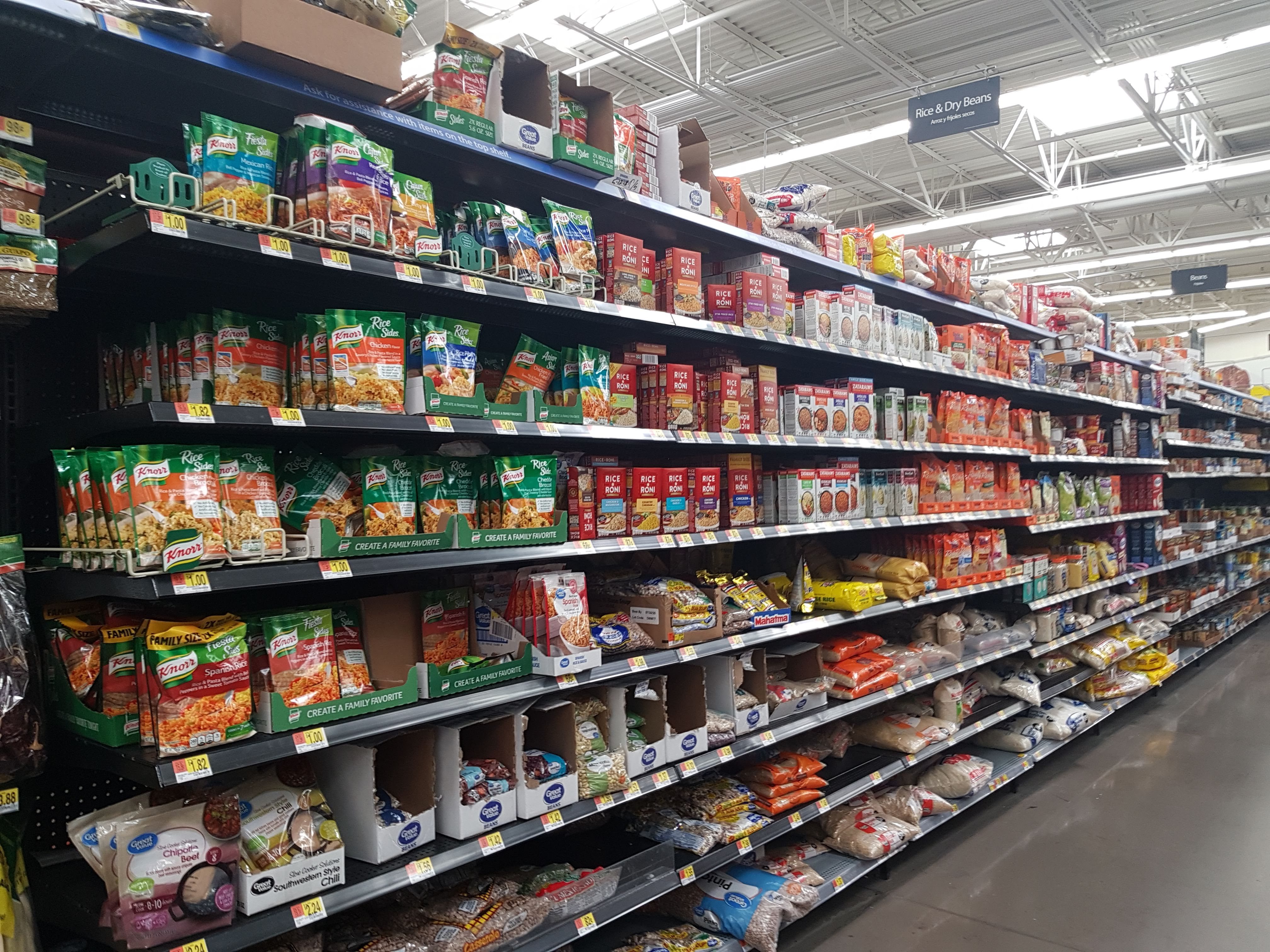
Photo: Emma
How does the list above differ from what I would eat on a “normal” thru-hike, i.e. one where I can mostly shop in-person? It’s actually not that different.
Breakfast: For breakfast, I normally stick to plain oatmeal mixed with butter or peanut butter when resupplying in-preson. Even though Nido whole milk powder is relatively common to find in stores, it’s not always as readily available as oatmeal packets. (Pro tip: if you can’t find milk powder, you can often use vanilla-flavored Carnation instant breakfast packets instead. They’re more sugary but work in a pinch.
Snacks and lunch: My snacks are pretty much the same. I always eat bars, nuts, crackers or chips, cookies, occasional tuna packets, and cheese. A tortilla with peanut butter is one of my longtime staples as well. In recent years, I have experimented more with packing out frozen bean burritos to mix up my lunch menu on the advice of the illustrious Owen Eigenbrot. This is a great way to add some variety to your diet.
Again, I’m unsure how often I’ll find cheese along the GDT, so it will be less prominent in my diet than usual. I normally pack lots of fresh cheese, eating some as a midday snack and mixing the rest into dinner.
Dinner: When resupplying in-store, my dinners normally consist of Knorr sides or instant mashed potatoes. I occasionally splurge on freeze-dried backpacking meals for variety.
I could still do that on the GDT, but I want to take advantage of the flexibility mail drops afford and send myself foods that are a bit more balanced — items with less sodium, less added sugar, and more vegetables / plant proteins. (Upon reviewing the nutrition facts in my food bag, I pretty much failed miserably on the sodium front but oh well.)
Bon Apetit
Even after seven years, I still struggle with planning my resupplies. You’d think I would have it down by now, but every trail has somewhat different resupply options and limitations, plus my tastes and dietary needs change over time.
If you struggle to plan your diet as much as I do, I hope this post will give you some inspiration.

This website contains affiliate links, which means The Trek may receive a percentage of any product or service you purchase using the links in the articles or advertisements. The buyer pays the same price as they would otherwise, and your purchase helps to support The Trek's ongoing goal to serve you quality backpacking advice and information. Thanks for your support!
To learn more, please visit the About This Site page.

Comments 2
Great post! I’m a dietitian and a hiker so I’m always interested in what people are eating on the trail. I like how you organized this article and I hope you have enough calories and protein for a successful hike!
You can bring homemade dehydrated non-meat items into Canada! 🙂