
 ">
Exped Vega 2 Tent Review
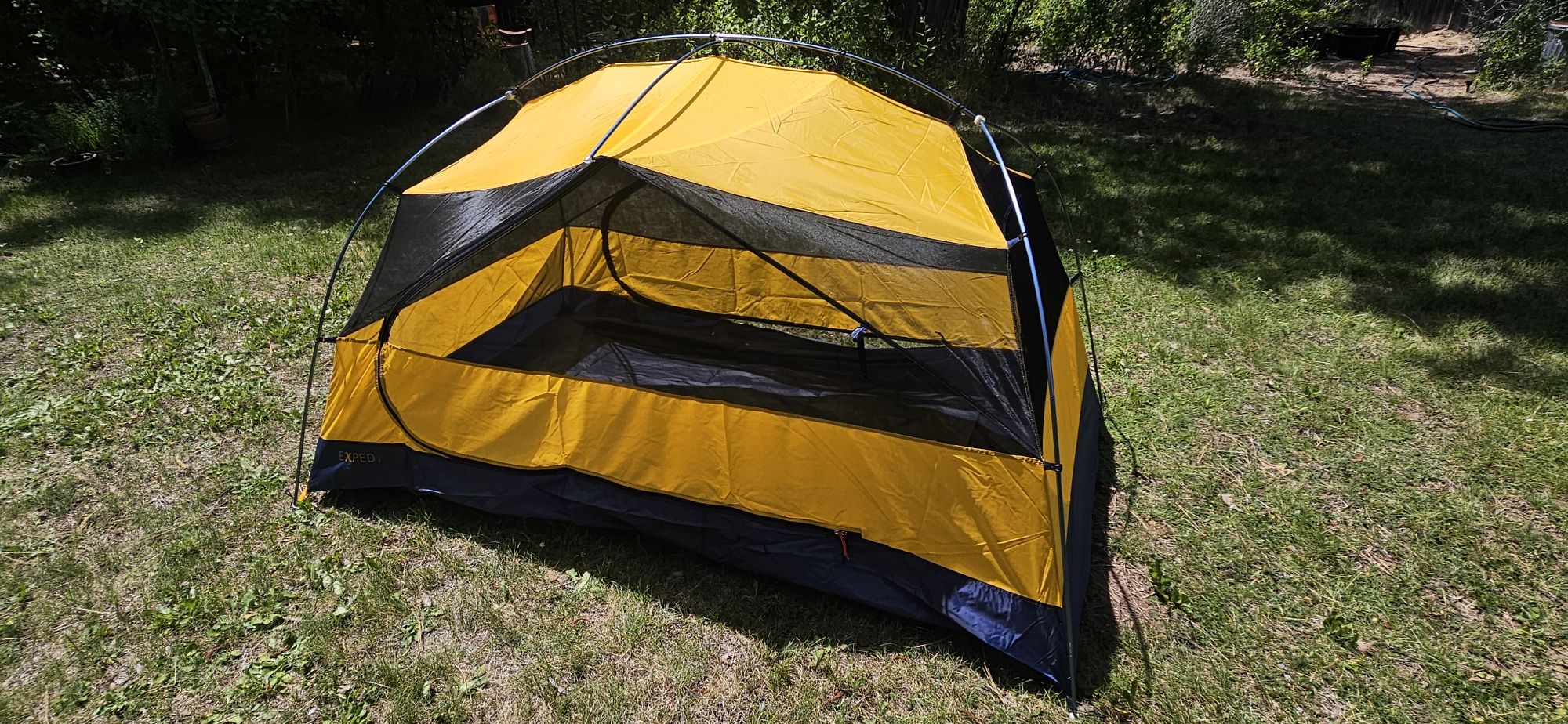
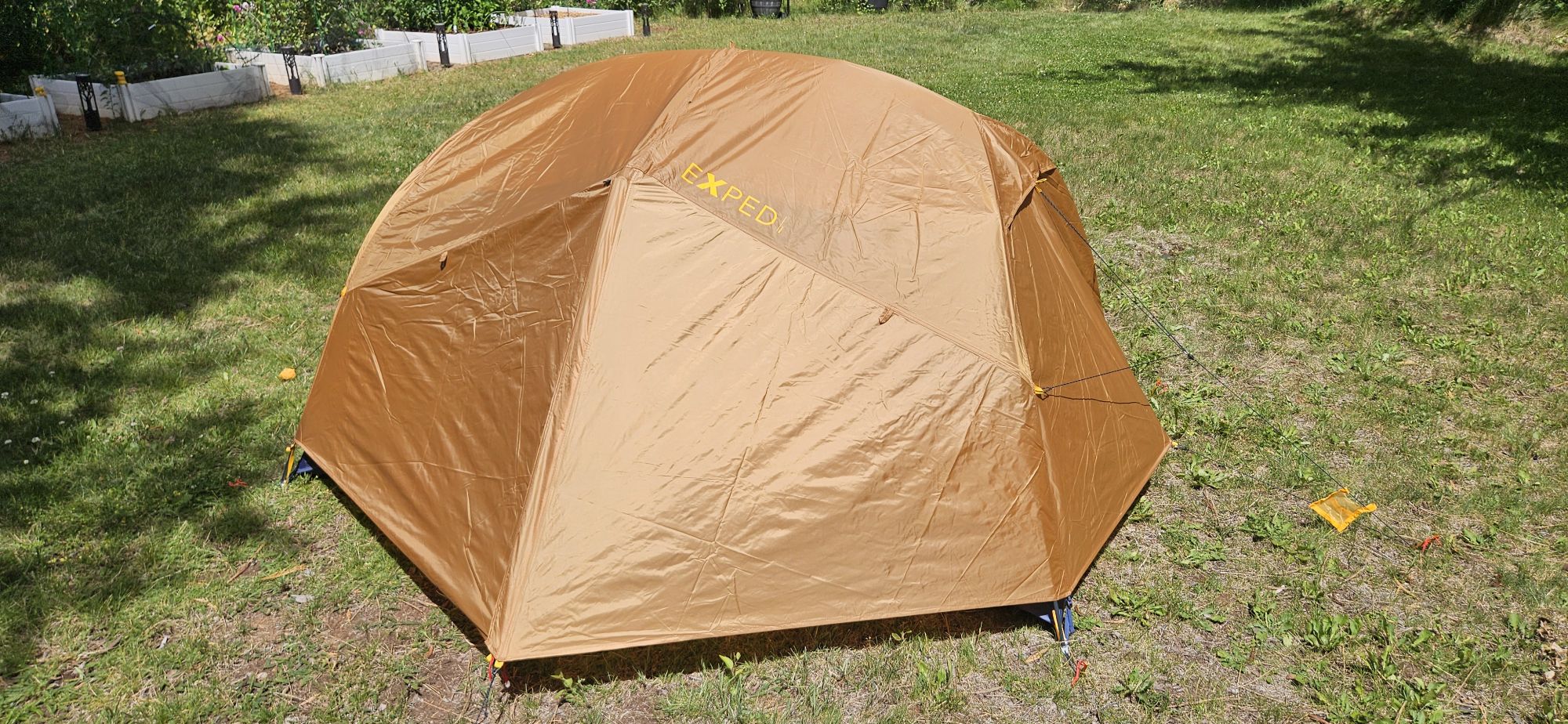
The Exped Vega 2 is a 3-season tent built for campers who demand both portability and livable space. It is a weekend warrior, built with steep sidewalls and a spacious floor area to maximize space, headroom, and comfort on the trail.
Two large vestibules and entrances allow extra sheltered space for storing gear and keeping essentials dry. They also make entry and exit easier by providing a protected transition zone in bad weather.
Exped Vega 2 At-a-Glance
MSRP: $330
Weight: 5 lbs 2 oz – 6 lbs 1 oz
Stakes Required?: No, but you probably want them for the rainfly
Materials: 68d polyester taffeta DAC aluminum tent poles
Floor Size: 30.8 ft²
Peak Height: 44 inches
Intended Use
The Vega 2 is intended as a three-season, freestanding tent for two people on a backpacking trip. It is an excellent fit for outdoor enthusiasts prioritizing interior livability over ultralight weight.
Circumstances of Review
I spent about two months testing the Vega 2 in spring and summer in Northern California.
Exped Vega 2 Features
Exceptional space and comfort: With its 2 huge vestibules and livable open interior, the Vega 2 offers an impressive amount of floor area and headroom space.
Vestibules: 2 huge vestibules are easy to access and offer plenty of dry space (a total of 22 square feet) to store gear on both sides of the tent.
Functional interior space: Tall peak height and vertical sidewalls prioritize headroom and liveable space, ensuring you have freedom to sit and move comfortably inside the tent.
2 side doors: Large doors on either side of the tent provide easy in/out and access to gear in the vestibule.
Ventilation: 2 vents in the rainfly help reduce condensation. Meanwhile, the main tent body’s fine mosquito mesh provides ventilation and keeps bugs and other critters out
DAC poles: Industry-standard DAC aluminum poles provide stable architecture. Intuitive pole hubs and canopy clips make setup easier.
Exped Rapid Tension system: Provides tensioned guylines that anchor the tent to the ground for extra stability.
Weather-resistant: Polyurethane-coated floor with a 5,000 mm water column and factory-taped seams keeps moisture out of your tent. Meanwhile, the 68-denier polyester taffeta fabric on the lower third of tent canopy provides a wind and privacy shield. Outside, the 8-denier polyester taffeta rainfly provides strong, weather-resistant protection. The fly is seam-taped for waterproofness.
Pockets: The Vega has a generous 8 pockets to help organize your living space: 2 overhead, 2 on the windows, and 2 on the lower sidewalls. Additionally, 5 interior loops provide a place to attach gear lofts, accessories and camp lights (gear lofts, accessories and lights not included)
Optimist Mode and Privacy Mode: When no rain is in the forecast, set up the inner tent only, without the fly, to fully enjoy the views around you and maximize ventilation. Or you can fully attach and zip up the fly to achieve maximum privacy and weatherproofing.
Footprint included: Unlike many tents, the footprint is included, so you don’t have to pay extra for added ground protection. Repair patches are also included for quick and simple field repairs.
Ease of Use
I’m a learn-as-you-go kinda person. If anything comes with a user manual, it’s probably ending up in the trash. My ultimate test for gear is, can I figure out how to use this without any needing any real prior knowledge or advice? (Typical hikertrash.)
I was pleasantly surprised that I could pretty much pull the Vega 2 out of the bag, throw it on the ground and figure out how to successfully set it up without consulting the instruction manual … or YouTube.
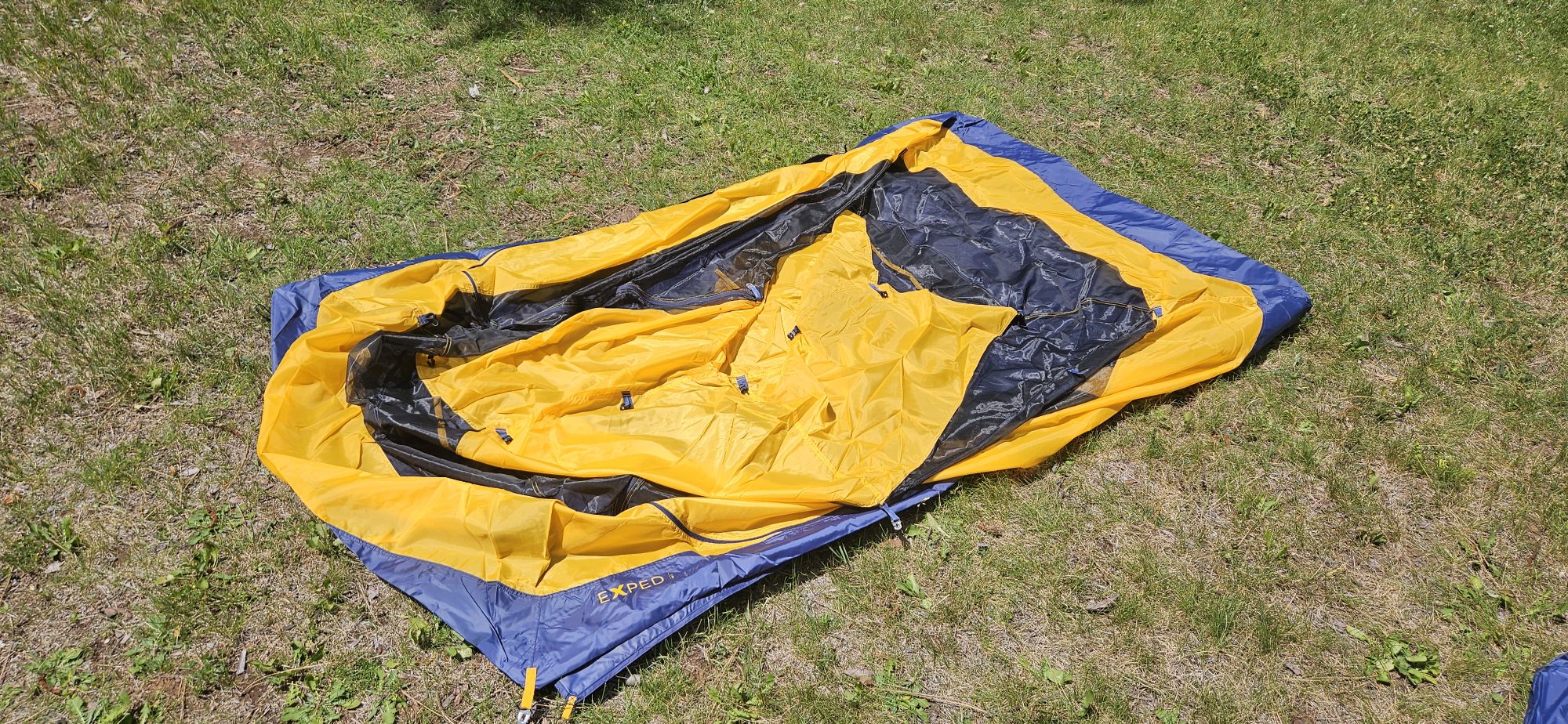
The groundsheet comes attached to the tent. When I threw everything out on the ground, the tent and groundsheet basically laid themselves out without me having to manhandle them into a flat surface.
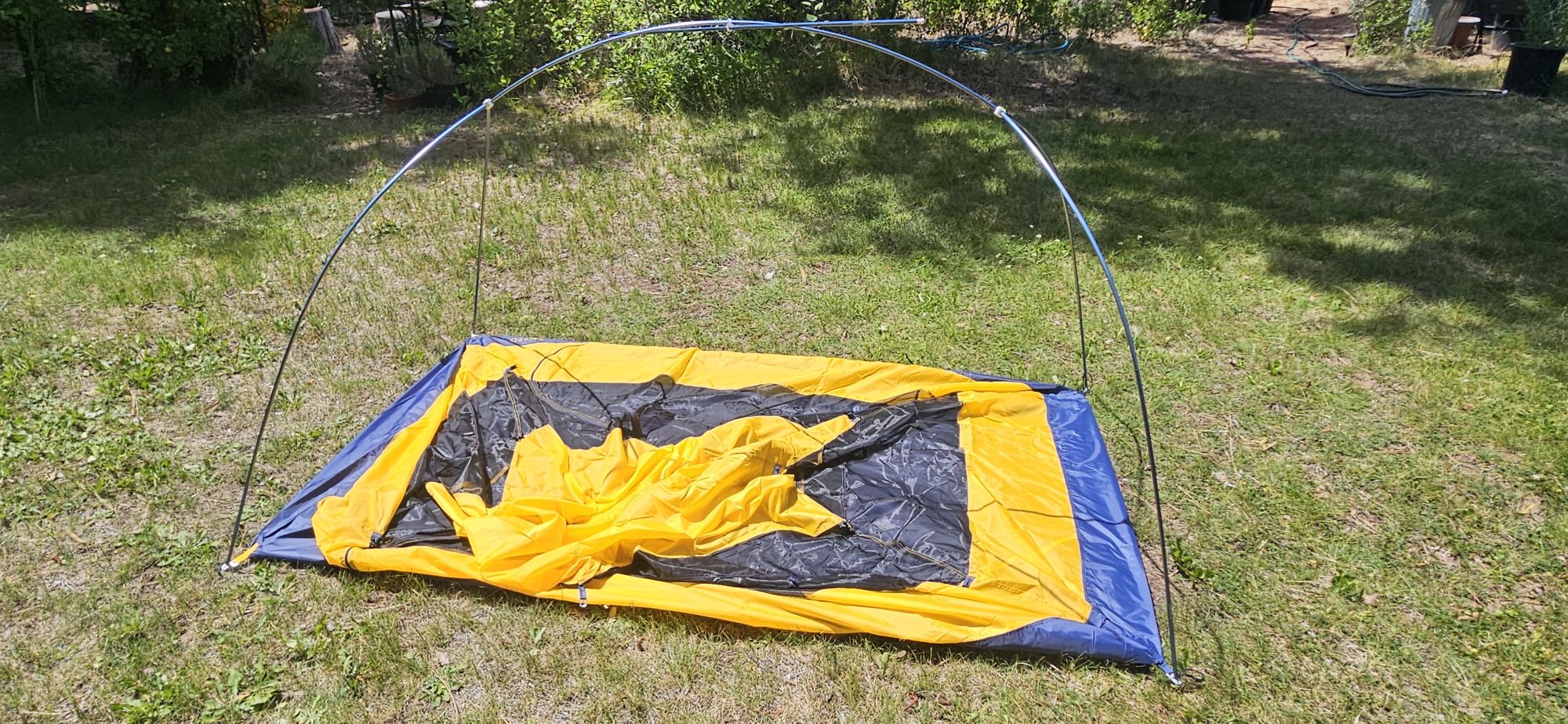
I pulled the poles out of their own personal bag and found the entire pole system to be one piece. It was very easy to configure the poles and attach them to the tent and have a freestanding tent in no time.
I threw the rainfly on top and it settled in place automatically without having to pull every angle into the right place. It was a little bit harder to get the rainfly to secure below the tent attachment at the bottom of the poles, but with a tiny bit of effort, I was successful.
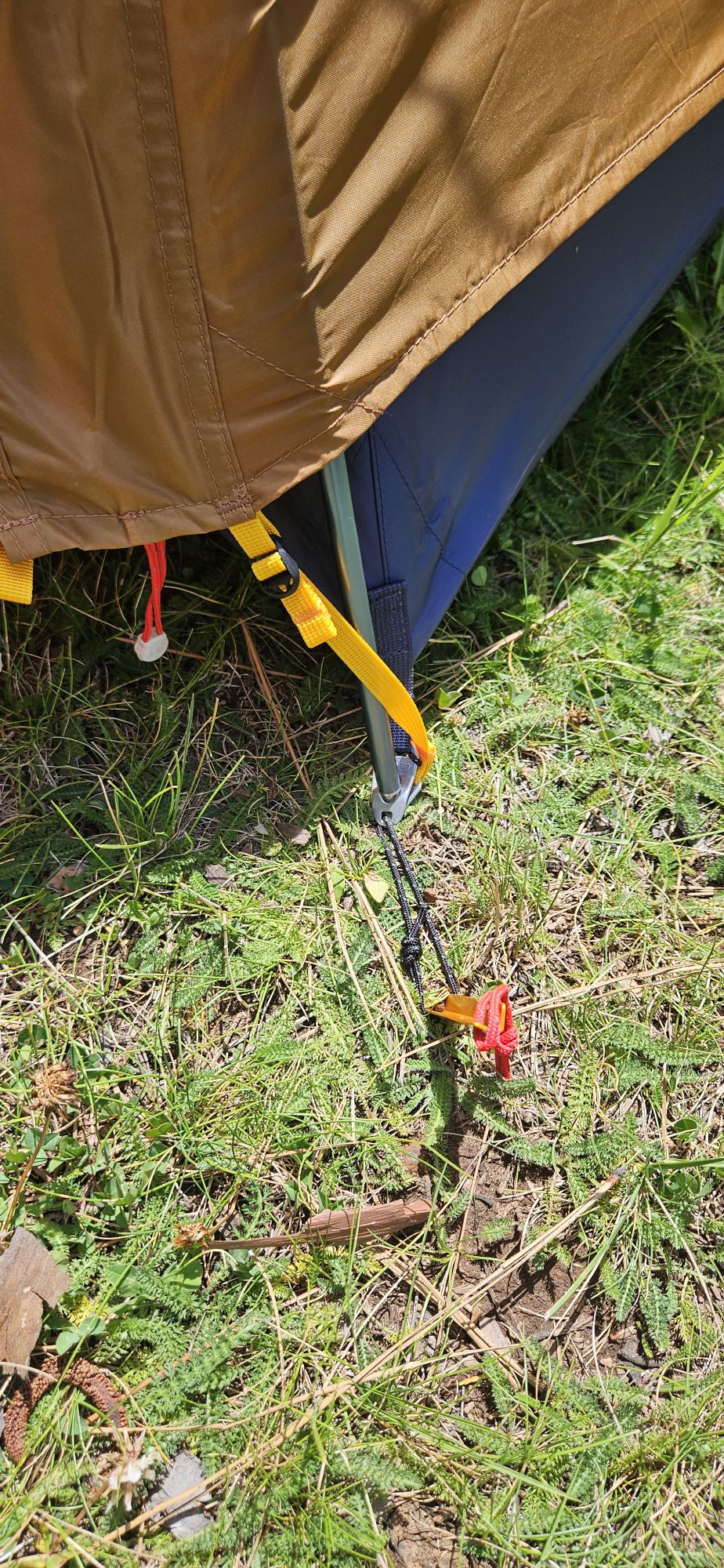
The stakes were easy to dig into the ground and the tent was stable, secure, and looked good in no time.
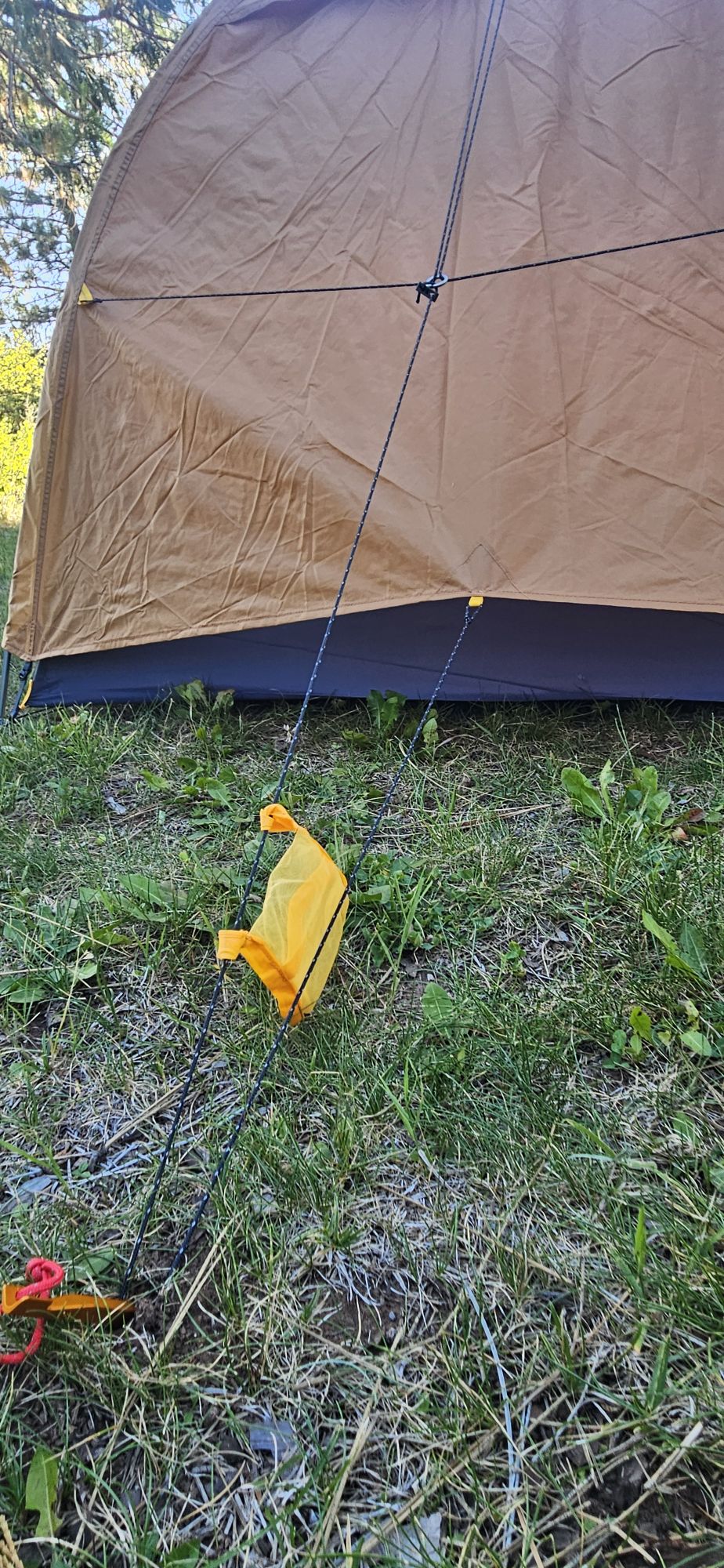
For a 2-person freestanding tent, I thought this was an easy tent to use and set up.
Usage
The Vega 2 is a three-season tent meaning it is intended to be used all seasons besides winter. Most three-season tents can still withstand minimal snowstorm, but are not intended for extended use during the winter. I tested this tent during the spring and summer, so I did not encounter any snow, but I did spend a few rainy nights in it and it stayed warm and dry.
Exped Vega 2 Pros
Freestanding: No trekking poles required. The Vega 2 can be pitched on virtually any surface without needing any stakes for the tent structure itself. That makes setting up in the wind and on rough or hard terrain easier.
Quick setup: It utilizes an interconnected DAC aluminum pole system with intuitive clips, allowing for a highly straightforward pitch.
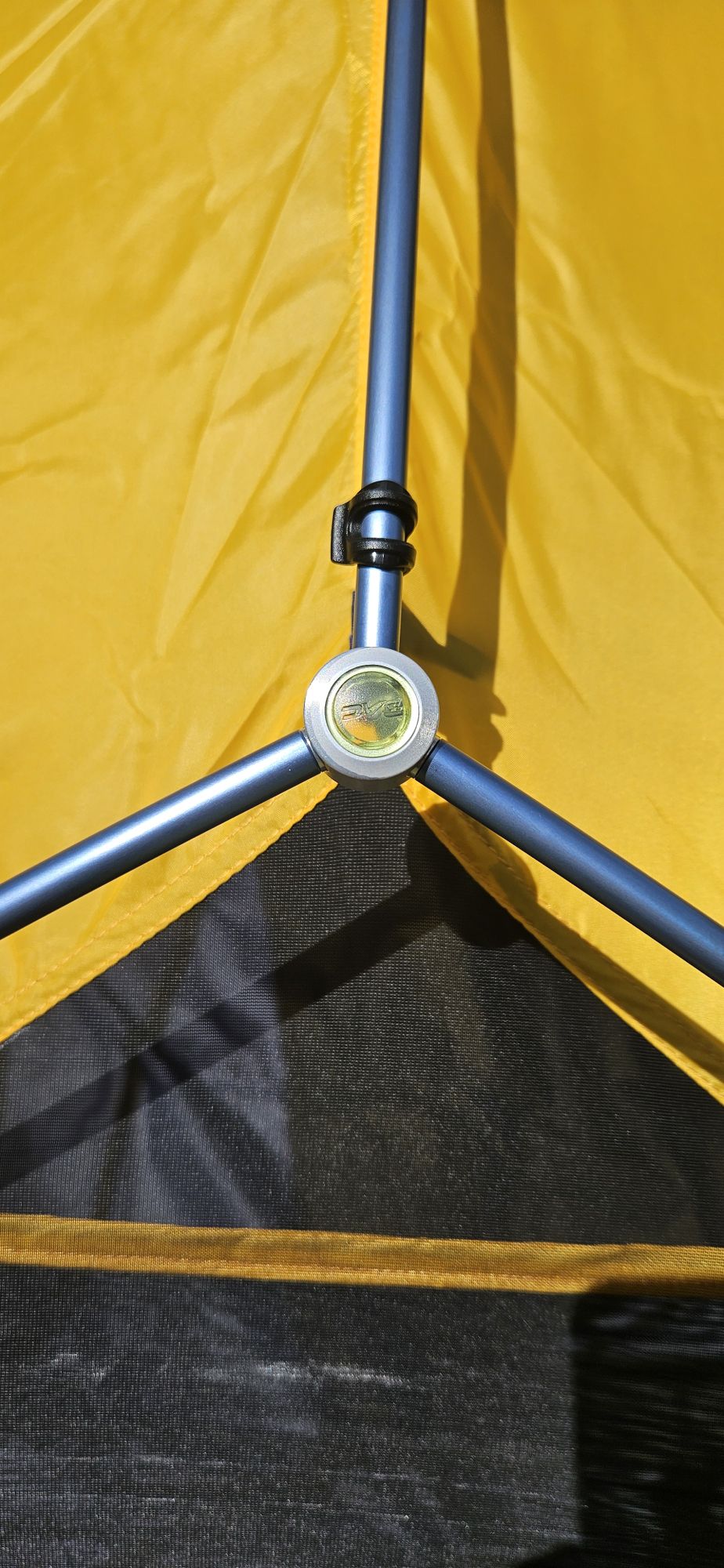
Being able to set up a 2-person freestanding tent in a couple minutes without any need for instruction is a huge advantage. One person can easily set up the whole tent up on their own and stake it out.
Moveable: Being a freestanding tent, it is easy to set the tent up and then pick it up and move it around to find the perfect placement or angle. Helpful if you accidentally set up on top of an ant hill or decide your neighbors are a bit too noisy.
Pockets and loops: There are eight interior mesh pockets including a couple large roof pockets that make it much easier to store gear or hang wet or dirty clothing off the ground. There are also five interior loops to attach gear to.
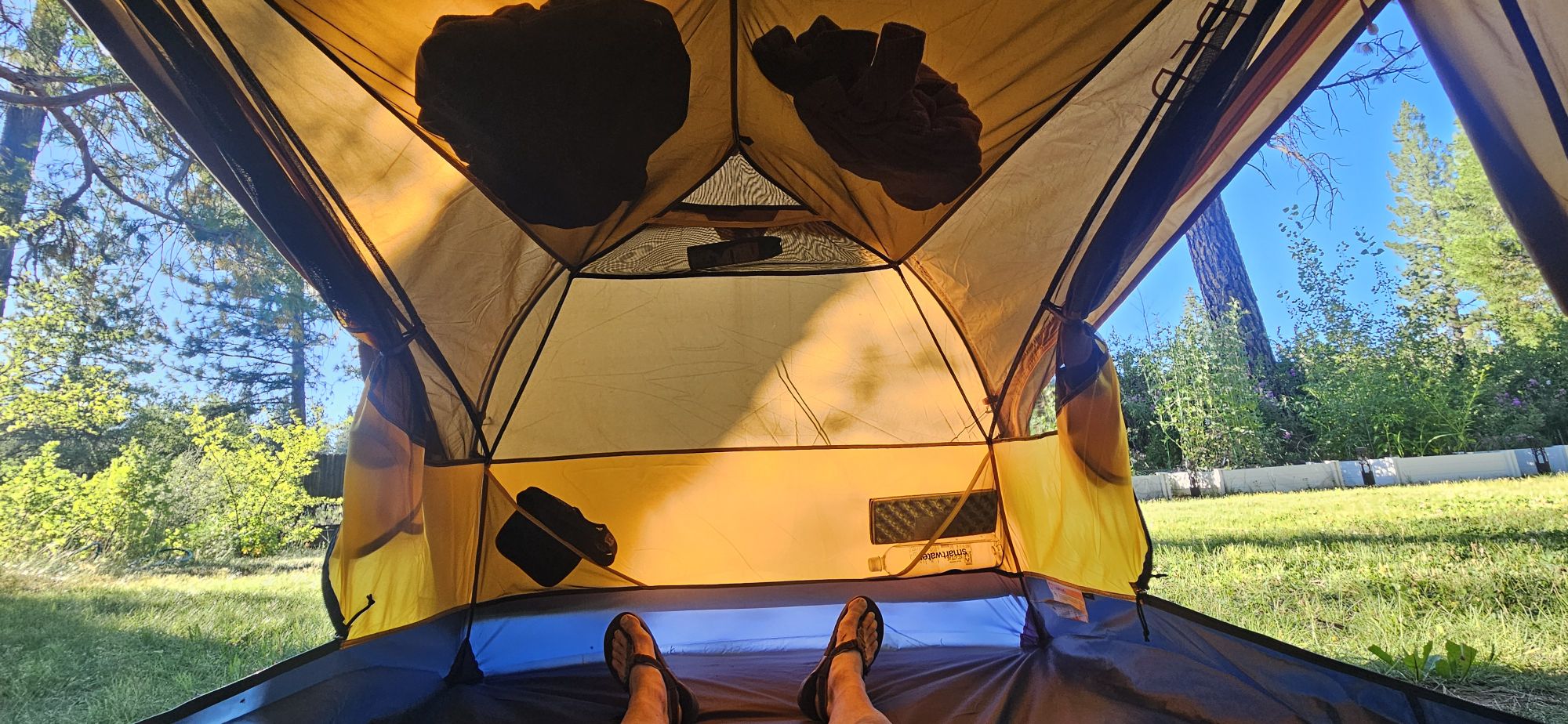
Vents: Two vents in the fly help reduce condensation and the fly is seam taped for waterproofness. I stayed warm and dry throughout a couple rainstorms.
Exped Vega 2 Cons
Heavy: Coming in at 5 pounds, this tent is probably too heavy for most thru-hikes, when every ounce counts.
Time Consuming: While the Vega 2 doesn’t require an enornmous amount of time to set up, as a thru-hiker, it takes more time than I would like to spend setting up at the end of a long hard day or taking down every morning when I just want to hit the trail.
Bulky poles: While the pole design does make setup quick and easy, the poles are a little more bulkier to store compared to a traditional pole setup due to the fact that they are all interconnected.
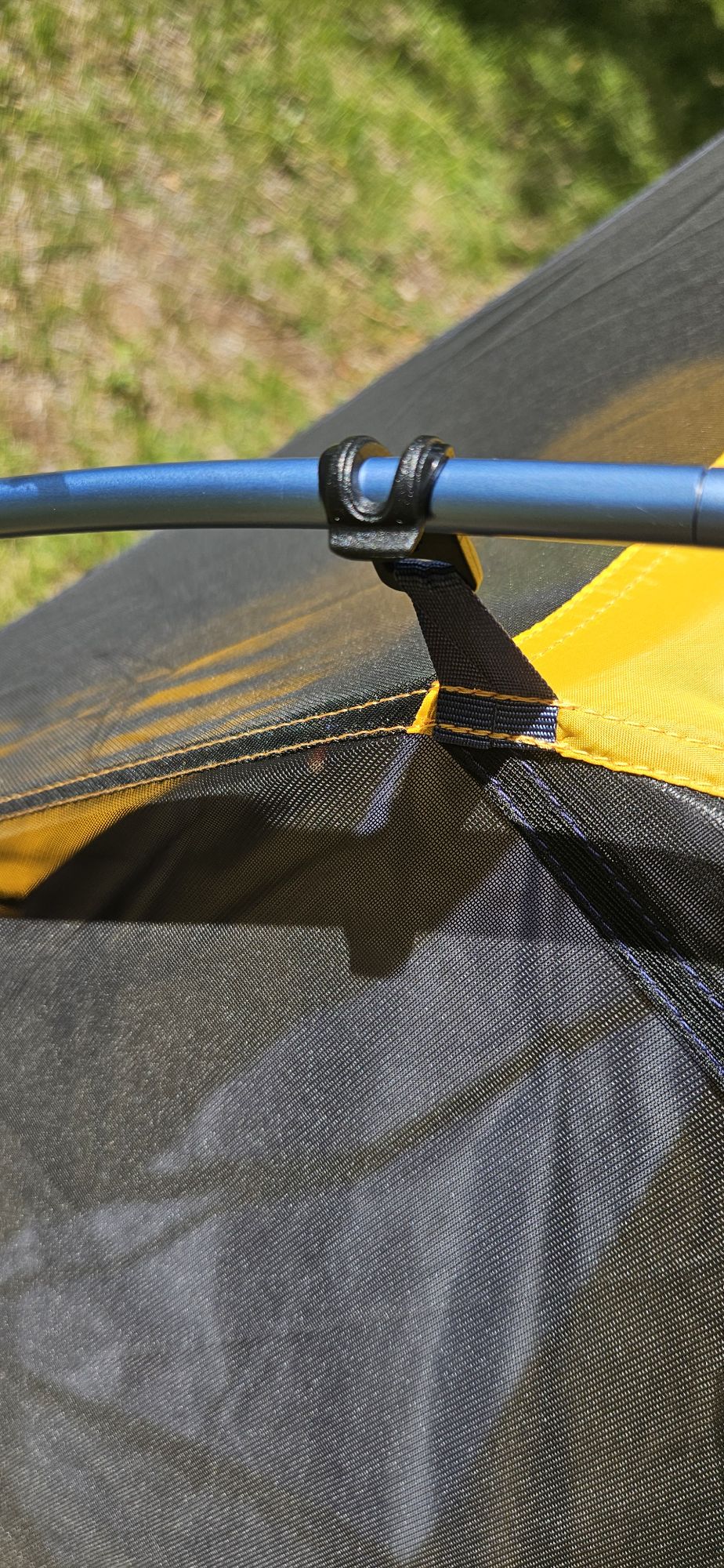
No trekking pole setup: Freestanding tents have their advantages, but you need the poles to set them up and don’t have an option to use trekking poles to cut down on weight.
Rainfly: While the advantage of most freestanding tents is that you can utilize the tent without the rainfly in good weather, the downside is that if you want any real privacy, the rainfly is the only real way to accomplish that and if it’s hot out, this can turn the tent into a sauna.
And if it is raining or snowing when you are setting up the tent, the interior of the tent usually ends up getting wet in the time it takes to add the rainfly after the tent is setup compared to trekking pole tents which usually don’t have a separate rainfly.
Price: For a 5 lb tent, the price is a bit on the high side compared to other three season, 2-person freestanding tents.
Final Thoughts
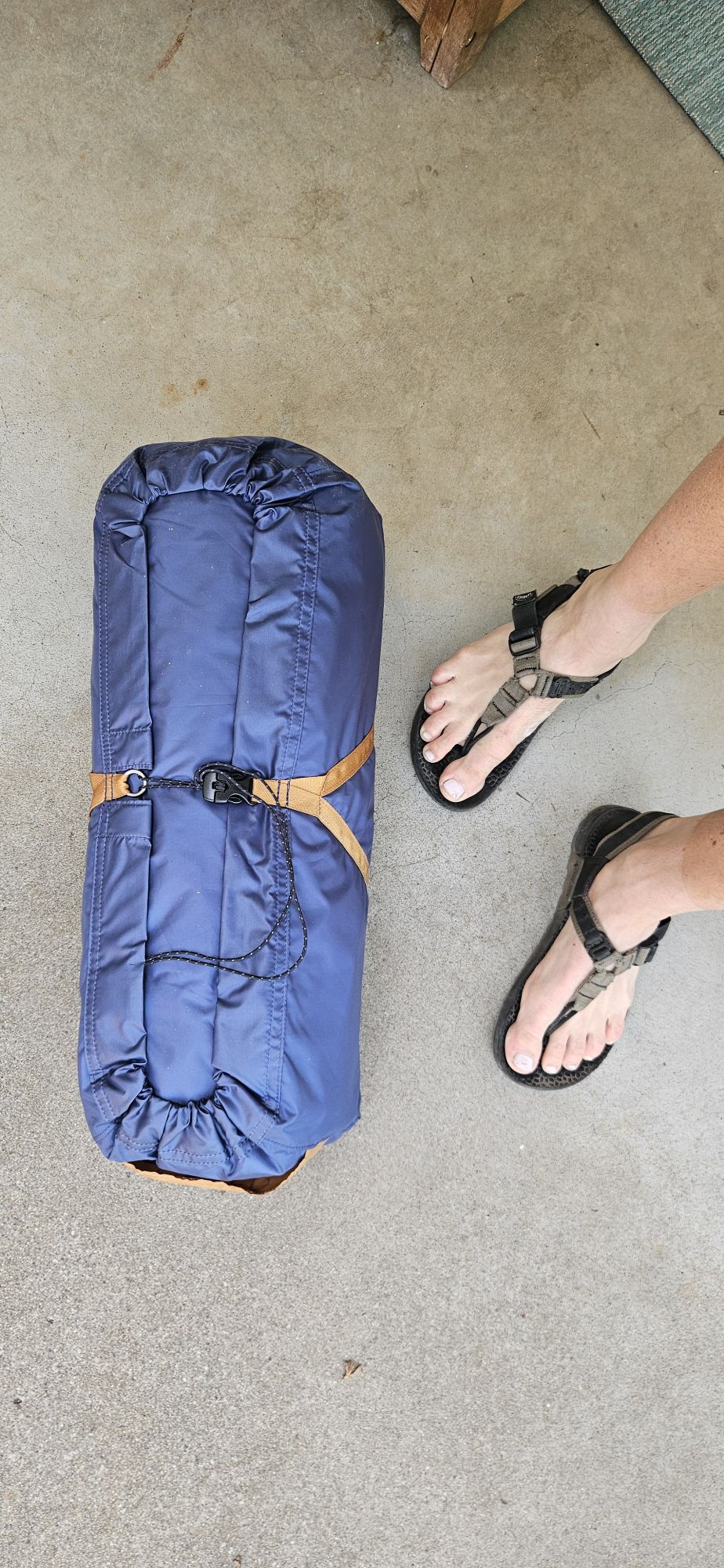
The Exped 2 is a versatile, roomy, and easy use to two-person freestanding tent. For weekend warriors, this tent is a great option. The spacious vestibule area and steep side walls make it feel much roomier compared to most 2-person backpacking tents. Setup is a breeze and packing it back down is easy too and it easily fits back into its bag.
The weight and the pole structure probably make the tent a bit too much for most thru-hikers, although splitting up the weight between two people can definitely lower the load.
Similar Shelters
MSRP: $279
Weight: 5 lbs, 14 oz
Material: Polyester Taffeta
Type: Freestanding
Mountain Hardwear Mineral King 2
MSRP: $350
Weight: 6 lbs, 8 oz
Material: Polyester
Type: Freestanding
MSRP: $329
Weight: 5 lbs, 15 oz
Material: Polyester Taffeta
Type: Freestanding
MSRP: $300
Weight: 5 lbs
Material: Polyester Taffeta
Type: Freestanding
MSRP: $140
Weight: 7 lbs, 10 oz
Material: Polyester
Type: Freestanding
The Exped Vega 2 tent was donated for purpose of review.

This website contains affiliate links, which means The Trek may receive a percentage of any product or service you purchase using the links in the articles or advertisements. The buyer pays the same price as they would otherwise, and your purchase helps to support The Trek's ongoing goal to serve you quality backpacking advice and information. Thanks for your support!
To learn more, please visit the About This Site page.
