
 ">
This Beloved Thru-Hiking Tent Has Been Updated for 2026: Here’s What’s New
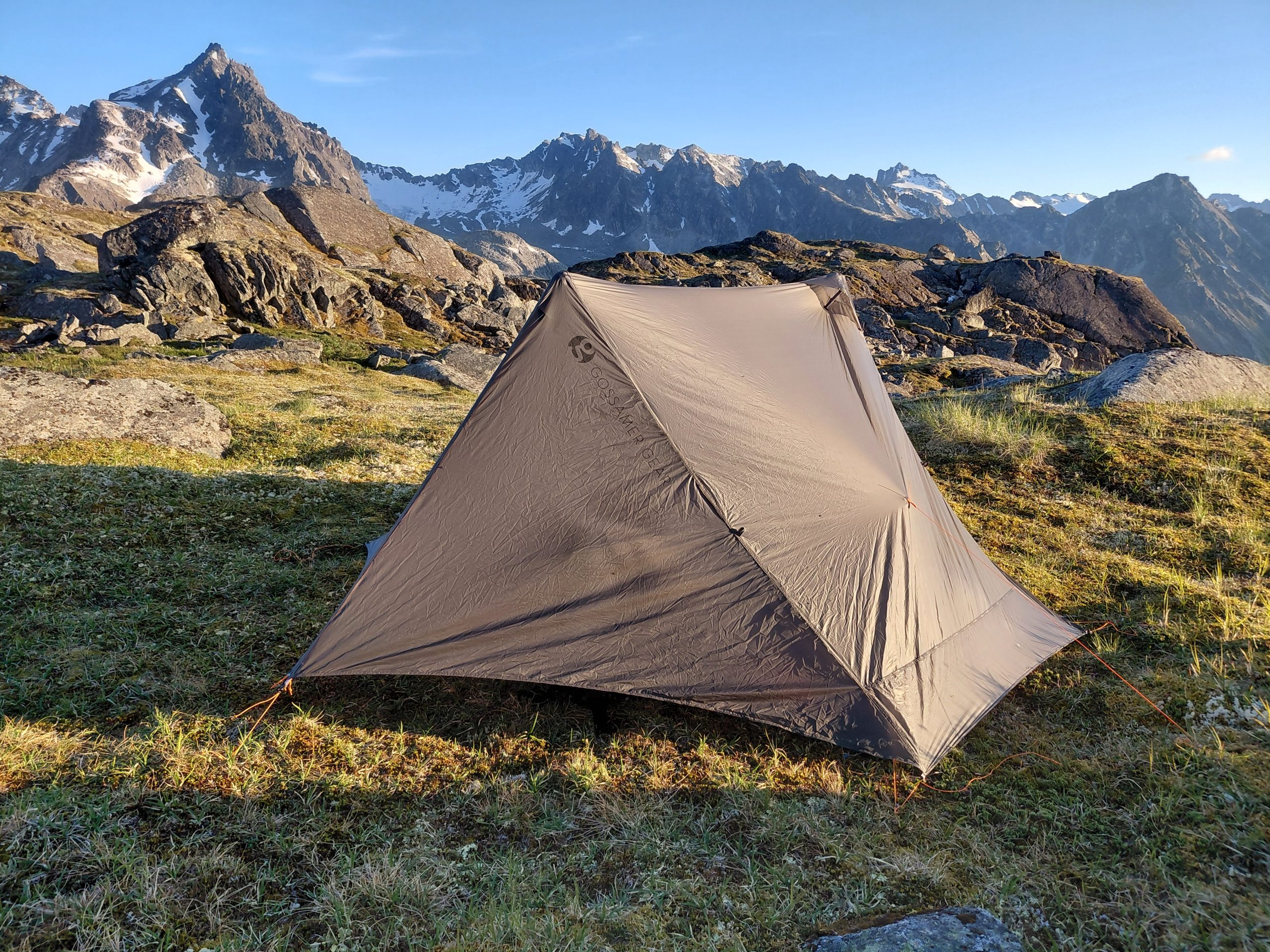
The Two is a high-performance single-wall tent from renowned ultralight gear maker Gossamer Gear. With three new updates in 2026, The Two continues to be a top choice for those seeking to balance comfort with performance.
New features include the addition of two collapsible ridge vents at either end of the tent. It is also now built with Gossamer Gear’s ClearSkies Fabric, giving it excellent protection against rain. Lastly, the new Fritsch Hitch system allows for micro-adjustments to get the pitch of the tent just right.
After testing it in Alaska’s rugged alpine environment, I’ve found that The Two is a worthy shelter with some minor drawbacks that may not make it the best choice for some conditions. Vulnerable to wind and susceptible to condensation buildup, it is not the best choice for colder environments with heavy weather.
Despite these small shortcomings, The Two is a worthy choice for both the intro-level ultralight enthusiast and the dedicated aficionado wanting a little more comfort at slightly increased weight.
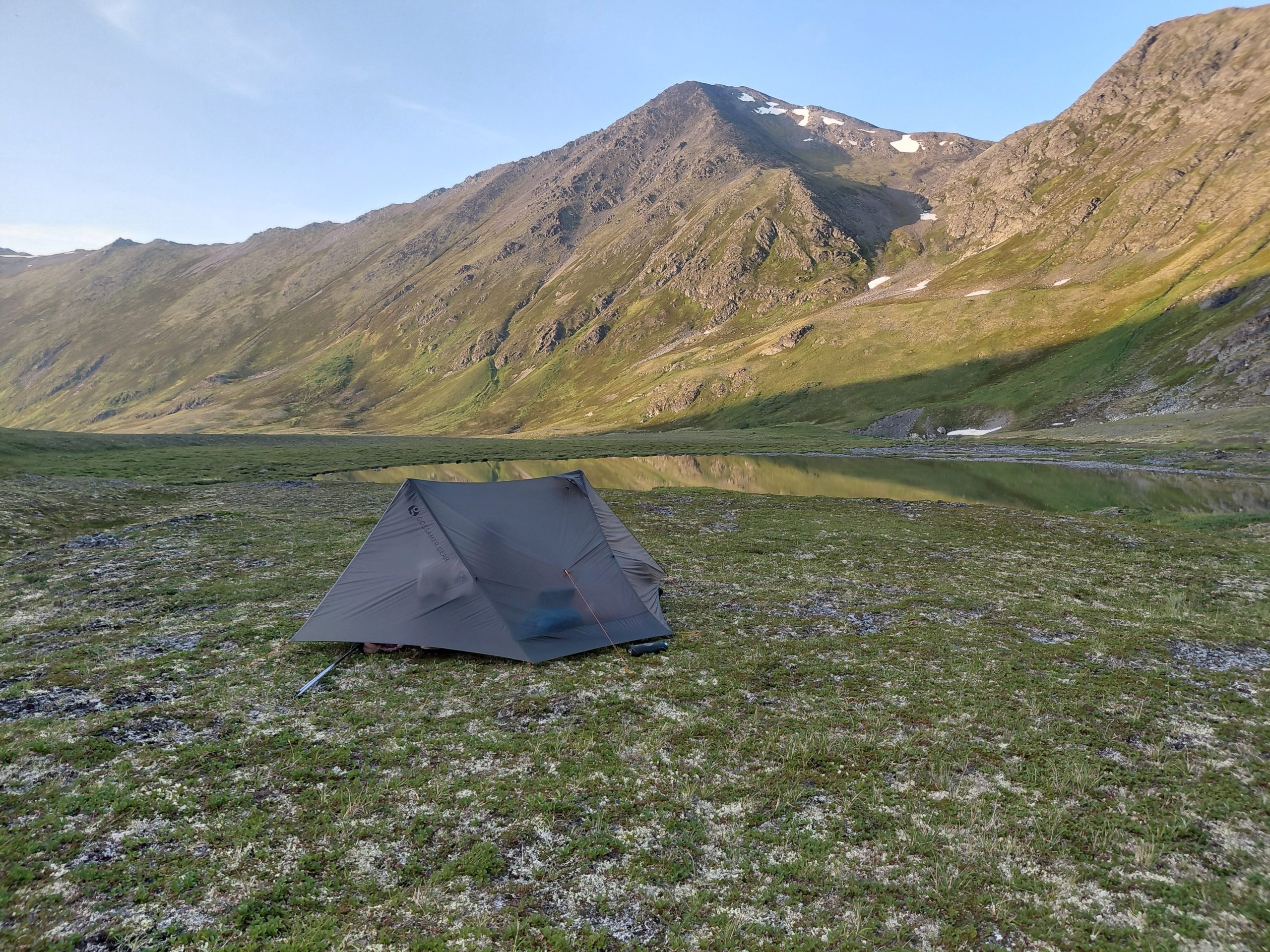
Gossamer Gear The Two At a Glance
MSRP: $375
Weight: Claimed: 1 lb 14.5 oz; Measured: 1 lb 15 oz
Stakes Required?: Yes
Materials: Recycled Robic nylon and ripstop grid
Number of Doors: Two
Floor Area: 26 square feet
Floor Size: 48” wide, 84” long
Peak Height: 49”
Intended Use
The Gossamer Gear The Two is for the ultralight enthusiast who still doesn’t want to skimp on creature comforts. While slightly heavier than some other ultralight tents on the market, added comforts like large vestibules, increased head height, and a moderately roomy floor space make The Two perfect for couples or the single backpacker who wants a little more space.
Circumstances of Review
I used The Two for half a season of backpacking in Alaska’s Talkeetna, Chugach, and Kenai mountain ranges. Notorious for its fickle weather, backpacking in Alaska comes with its unique set of challenges. The tent saw a variety of weather and conditions, from warm and calm days to rain to overnight windstorms. While I haven’t used the tent for an extended period of time, the rigors of my testing period give good insight into The Two’s performance.
Gossamer Gear The Two Features
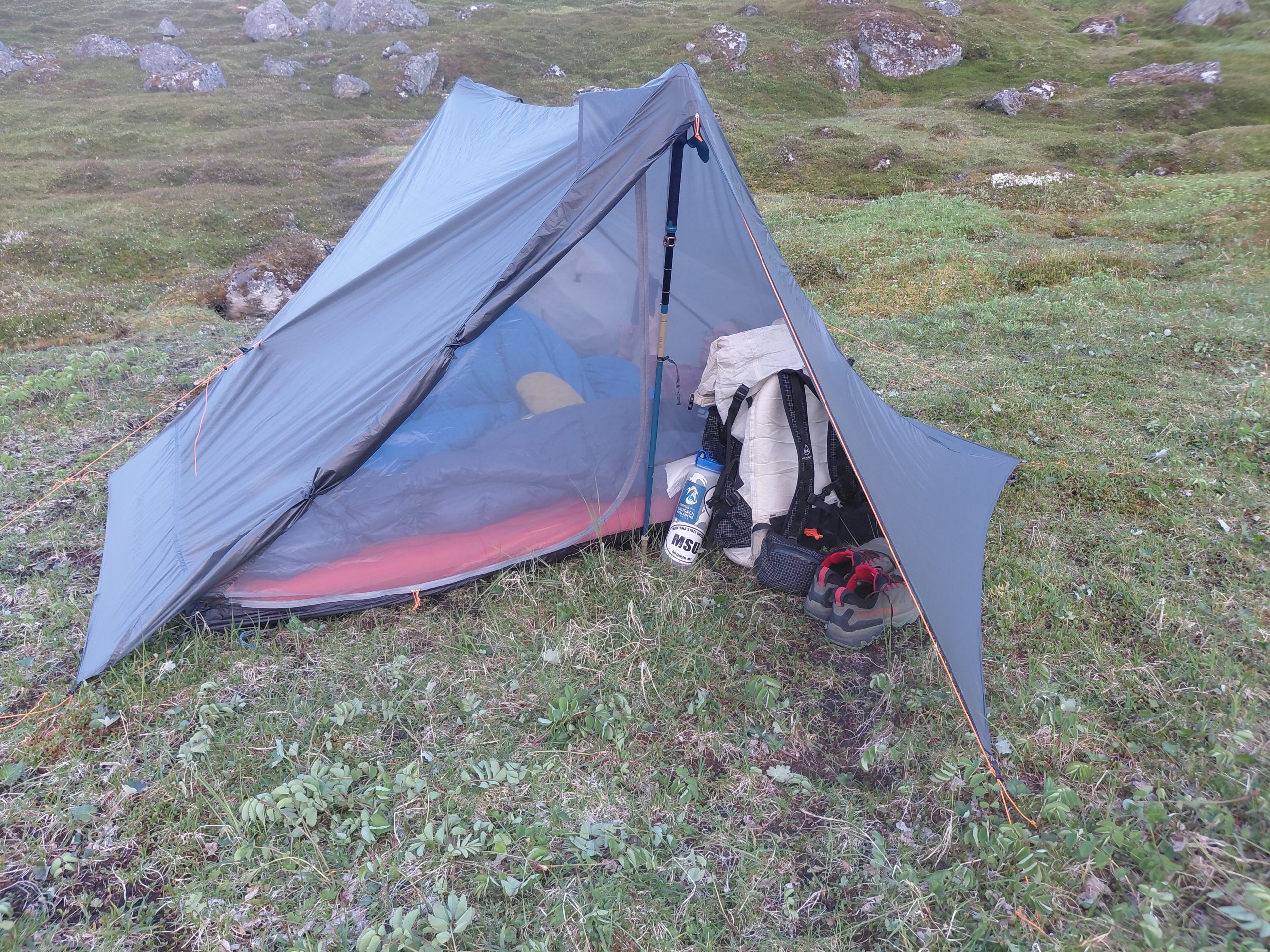
Single Wall Construction: The Two combines the rainfly, mesh inner, and bathtub floor into one integrated shelter. This eliminates the need for a separate tent body and fly, reducing weight and making setup relatively straightforward.
Weather Resistant Materials: The Two uses Gossamer Gear’s custom ClearSkies fabric, which is a 15D recycled Robic fabric with a 20D dope-dyed ripstop grid and silicone/PU coating. This material is lightweight but provides solid weather resistance. It has a hydrostatic head rating of 4,923 mm.
Retractable Ridge Vents: Open or close the vents at either end of the ridge of the tent to adjust airflow and reduce condensation as needed.
Two Doors and Vestibules: Easily accommodate two people along with their gear.
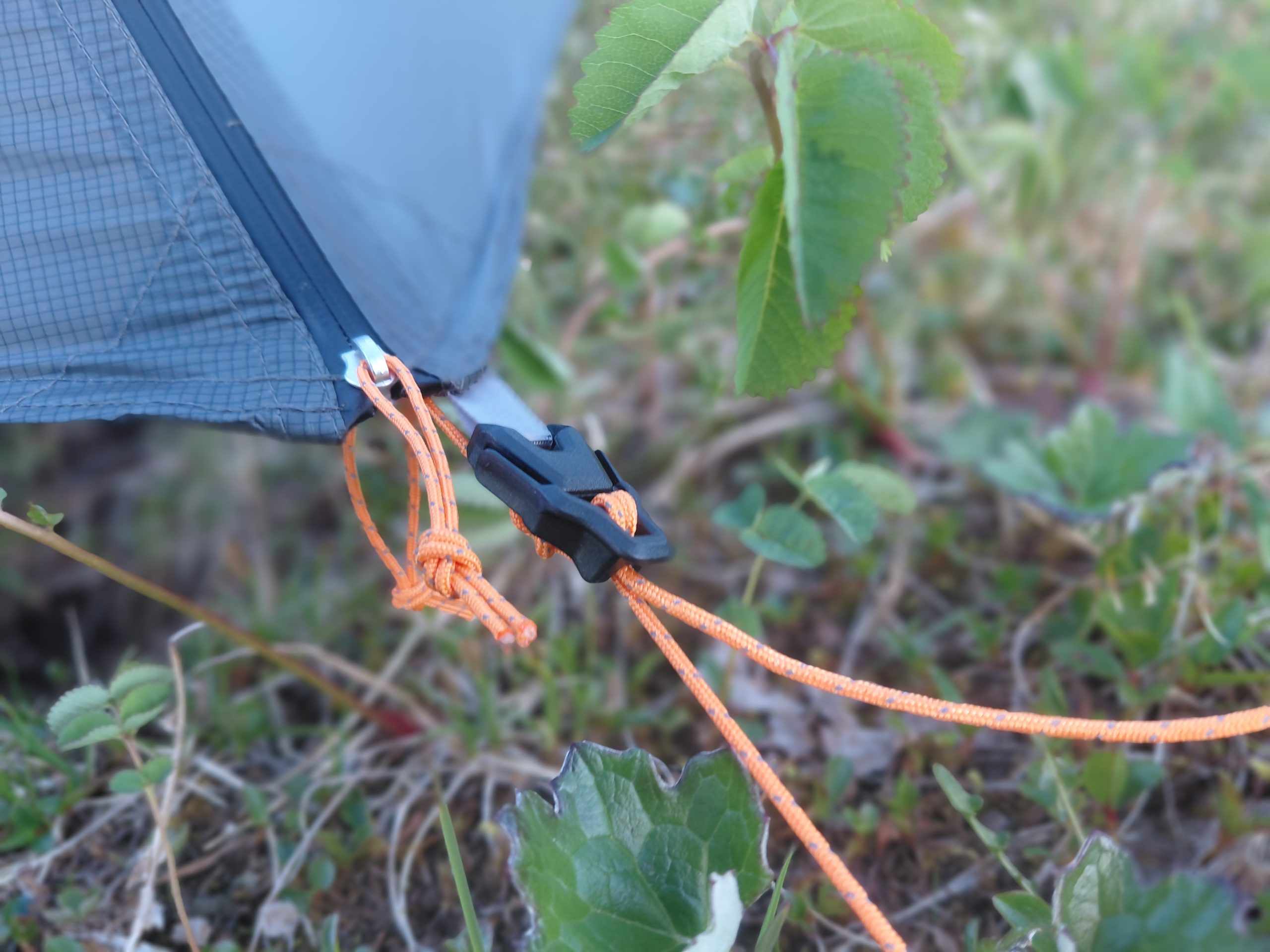
Fritsch Hitch Corners: This small plastic cinch allows you to tighten or loosen the staked out corners with one pull in either direction.
Interior Storage: An interior mesh pocket on either side provides a convenient place for small essentials. An included clothesline can be strung within the ridgeline of the tent for drying damp clothing.
Usage
Although some hikers use it in three-season conditions, I condier The Two a decidedly summer-use tent. While I’m sure it candle handle some snowfall, the amount of condensation it collects, even in the 40s, makes it less than ideal for colder temperatures. Additionally, its somewhat poor ability to withstand wind makes it less suitable for more severe weather.
It performed best in moderate conditions, in which it kept me warm, safe and dry.
Livability and Comfort
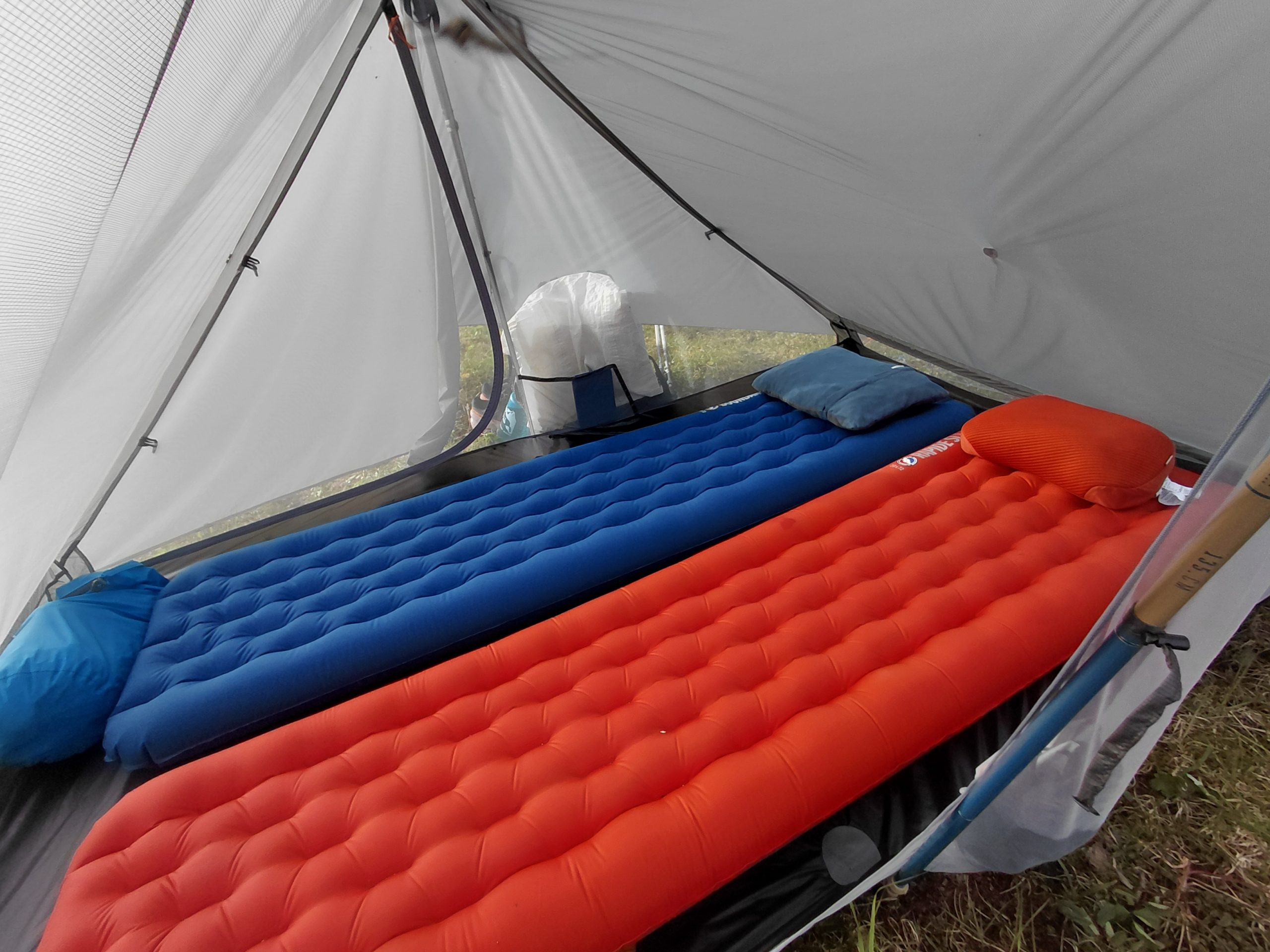
With 26 square feet of floor space, The Two isn’t the most spacious. However, I wouldn’t consider this limiting if you’re willing to be a little more snug with your tentmate. I still easily accommodate extra items in the tent like clothes and personal items.
Where I did feel a little cramped was in the length of the tent. At 84 inches long, it has enough room to fit my 6-foot frame, but with the angle of the pitched tent, the usable space was much less. My head and feet touched either end, which became a problem if the tent was wet from condensation.
And thanks to the tent’s single-wall construction, condensation was a frequent challenge. While the tent does come equipped with vents, I found these to not be as effective as I had hoped. I frequently slept with the vestibules open to increase airflow.
Weather Resistance
I was impressed with the fabric used in The Two. It withstood overnight rain showers easily and kept me dry in periods of heavy rain. The bathtub floor is an excellent feature that also helps protect against heavy rain, something I appreciate living in Alaska.
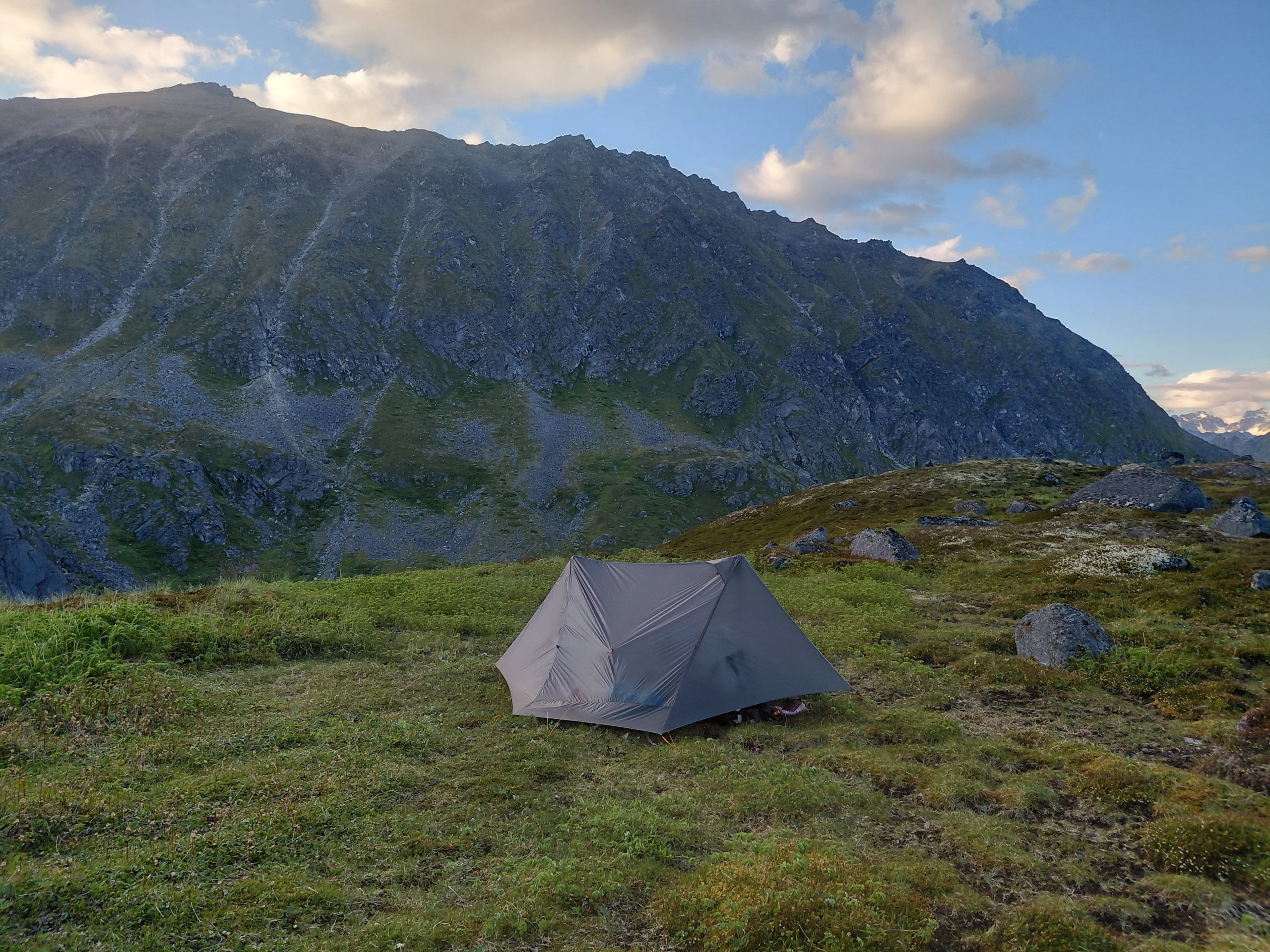
Where The Two suffered was in the wind. The upright design with two large-surface-area panels on either side meant that it easily caught the wind. We relied on heavily tightened stakes and extra guy lines, but even still, The Two was easily buffeted by even moderate winds.
Durability
The Two is a tent that favors weight savings over durability. While I did not get a full season of testing in this tent, the rigor of my testing made up for the short duration.
My first few times using the tent, I used it without a ground cloth. However, I quickly decided that a ground cloth was necessary. While the floor never ripped, sticks and rocks were easily poking the material, making me nervous.
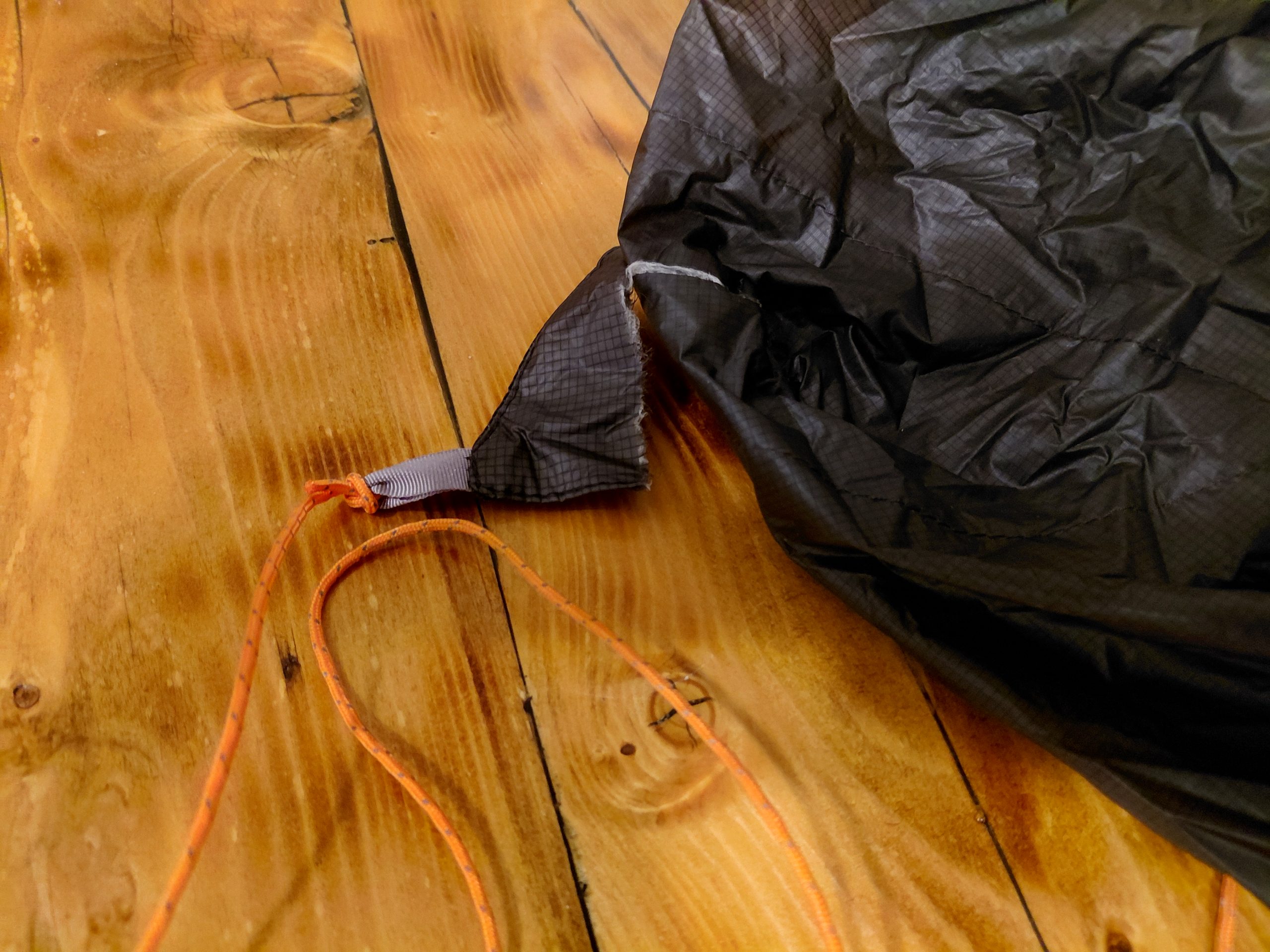
During my testing, I did have one major failure in the tent. On a windy night, I cinched down the corners tightly in an effort to reduce flapping. The next morning, when taking down the tent, I found that one of the corners had ripped out. I feel that a slightly increased weight penalty would be well worth the increase in durability.
Ease of Use
I’ve always been a staunch freestanding tent user as I frequently camp in terrain where good tent staking isn’t always possible, and bad weather is the norm. I’m used to a relatively simple setup system, and as such, was skeptical of the upwards of eight staking points of The Two.
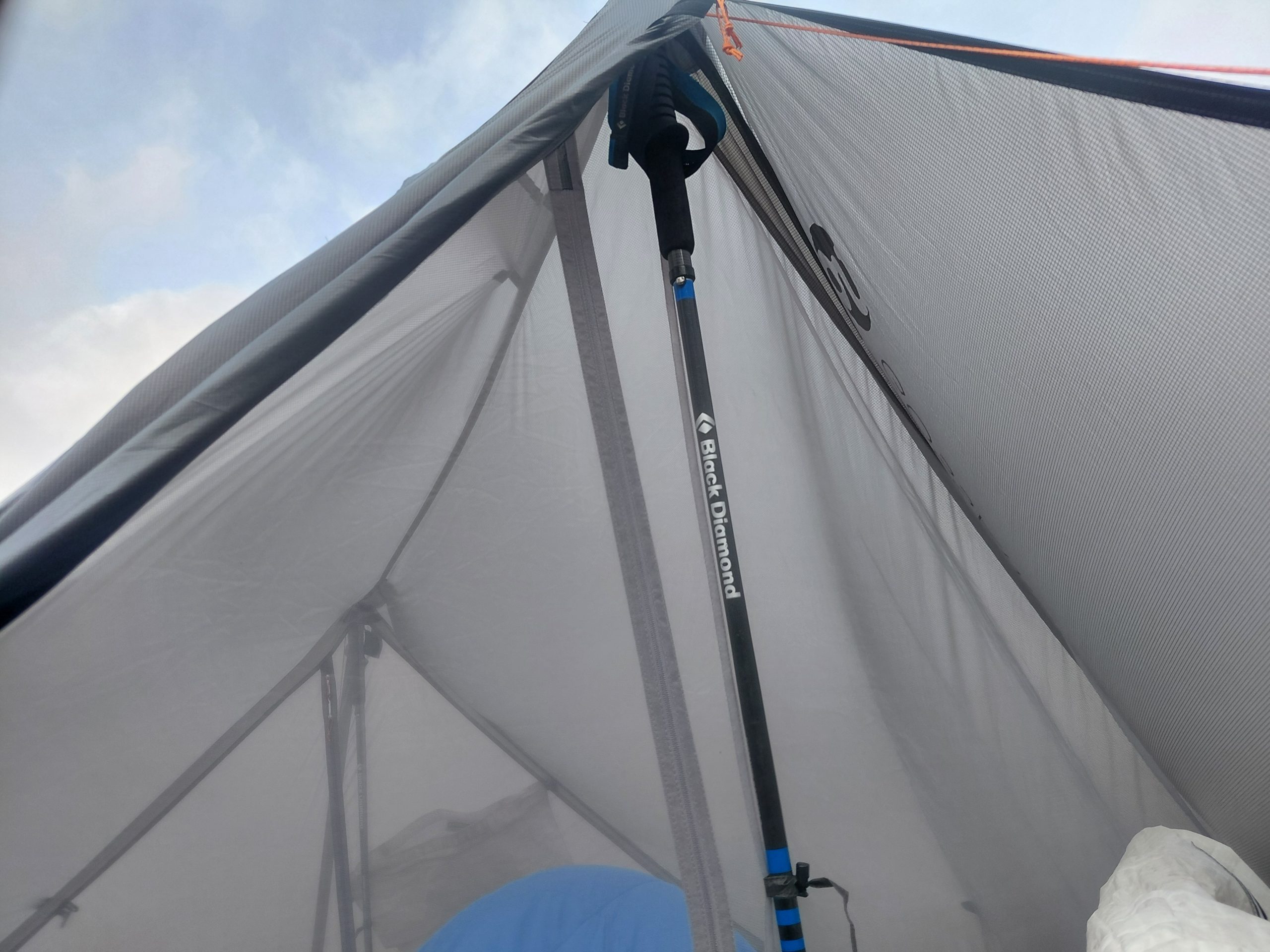
However, I was pleasantly surprised with the ease of setup. Simply stake out the four corners taught, insert your trekking poles into either end and stake out the vestibules, and voila, the tent is up. I chose to stake out the extra guy lines on either side of the tent for further reinforcement. I loved the Fritsch Hitch corners, which made tightening and loosening while staked down quick and easy.
Weight
As someone who primarily hikes off-trail in Alaska’s alpine, weight is one of my top considerations. For days that frequently include multiple large climbs, extended boulder hopping, and generally travelling in rough terrain, I don’t want to be weighed down by an exorbitantly heavy tent.
With a claimed weight of 30.5 oz (6 stakes included) and a measured weight of 1 pound 15 ounces, The Two is certainly not the lightest tent on the market. However, its balance of comfort makes it a compelling choice.
If weight is your number one consideration above all else, the Two might not be your pick. But if you still want comfort at a reasonably light weight, it could be your perfect tent.
Gossamer Gear The Two Pros
Good comfort-to-weight ratio: I appreciated things like interior pockets, room for two people, and roomy vestibules, all while at a moderate weight.
Easy to set up: Despite having upwards of eight stake-out points, The Two is easy to set up and I was able to do so in just a minute or two. This made it perfect for throwing up and diving in during a rainstorm, or for quick transitions while trying to cover miles on the trail. Additionally, the Fritsch Hitch tightening system in the corners is particularly useful for dialing in the tautness of the tent.
Two Doors with Roomy Vestibules: For couples, having two doors is a must. The addition of two roomy vestibules makes storing gear easy and keeps us organized.
Packs Tightly: Without poles, and with highly compressible materials, I saved a ton of pack space compared to a freestanding tent. I even used a compression sack to really ratchet it down to see how small it could get in my pack.
Gossamer Gear The Two Cons
Condensation: Despite two vents, I was still plagued by condensation in this tent. I frequently relied on leaving the vestibules open in an attempt to increase airflow.
Vulnerable to Wind: The upright structure of the tent, combined with large surface areas in any direction, means that The Two is easily knocked around by even moderate winds.
Limited Durability: I was disappointed to have ripped out one of the corners after tightening the tent down to protect against wind. I also paired this tent with a ground cloth, as the thin floor material was easily protruded by rocks and vegetation. It is worth being gentle on this tent or using it in less severe weather.
Final Thoughts
The Two is a worthy tent for the ultralight enthusiast who still prioritizes comfort even at the expense of weight. While I was comfortable in this tent in most conditions, I found it less suitable in severe weather due to its high profile and limited durability when tightened down.
I think that this is a good tent with a reasonable price tag, but it comes with a few setbacks that may dissuade the dedicated user; that said, it is good enough for most users in most conditions.
Shop the Gossamer Gear The Two
Similar Shelters
MSRP: $679
Weight: 17.9 oz
Material: Dyneema Composite
Type: Nonfreestanding
MSRP: $429
Weight: 2lb 6.5 oz
Material: Nylon
Type: Nonfreestanding
MSRP: $599
Weight: 2lb 11 oz
Material: Nylon
Type: Freestanding
The Gossamer Gear The Two was donated for purpose of review.

This website contains affiliate links, which means The Trek may receive a percentage of any product or service you purchase using the links in the articles or advertisements. The buyer pays the same price as they would otherwise, and your purchase helps to support The Trek's ongoing goal to serve you quality backpacking advice and information. Thanks for your support!
To learn more, please visit the About This Site page.
