 ">

Handling Urinary Tract Infections On Trail
I have been waiting a long time to do this post. I have been getting these my entire life, and I was not prepared for the process of figuring out how to manage them while on trail. I think more people should be talking about it, because honestly it was a major limitation for me and my ability to complete miles.
The first time I hiked the Pacific Crest Trail in 2023, I had UTI’s throughout the entire state of Washington hiking southbound. No joke, every section I kept trying to wash it out of my system. I stopped in Trout Lake, got a medication (finally), and I still had symptoms up until Cascade Locks. I took three days off, hoping I would heal, and it finally stopped. That is, up until I was hiking the Sierra and ended up in the Emergency Room in Mammoth.
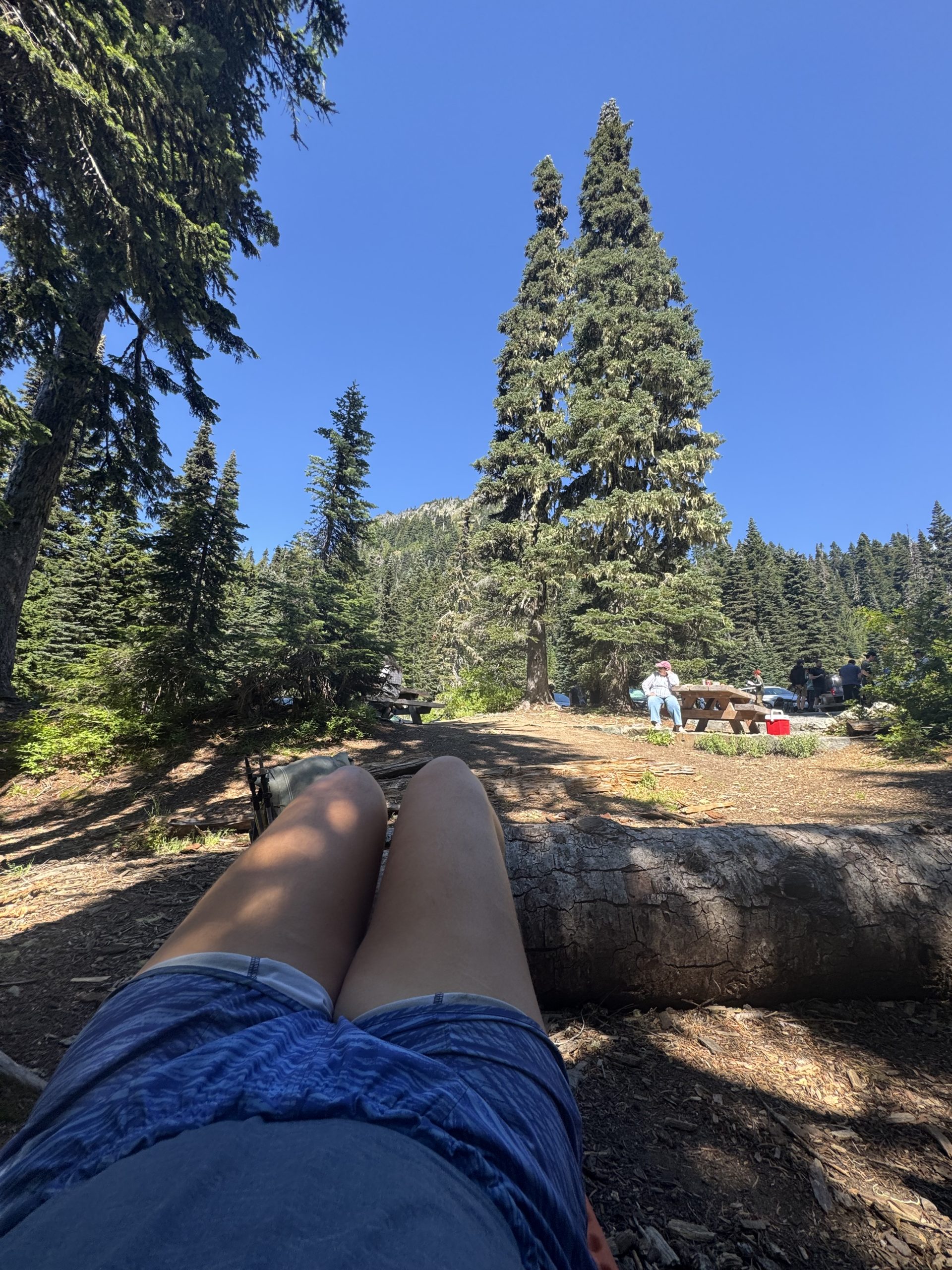
Image Source: Paige Combs, “Waiting for Pickup in Washington State,” August 2025.
When I hiked the Continental Divide Trail, I had no UTIs through the majority of New Mexico; as soon as I started climbing elevation in Colorado, I got my first one, and then another. I’ve now had them so many times that I can tell you the majority of them have always been in the summer, with higher elevation, or when I’m close to my period (pre/post).
So… what do I do?
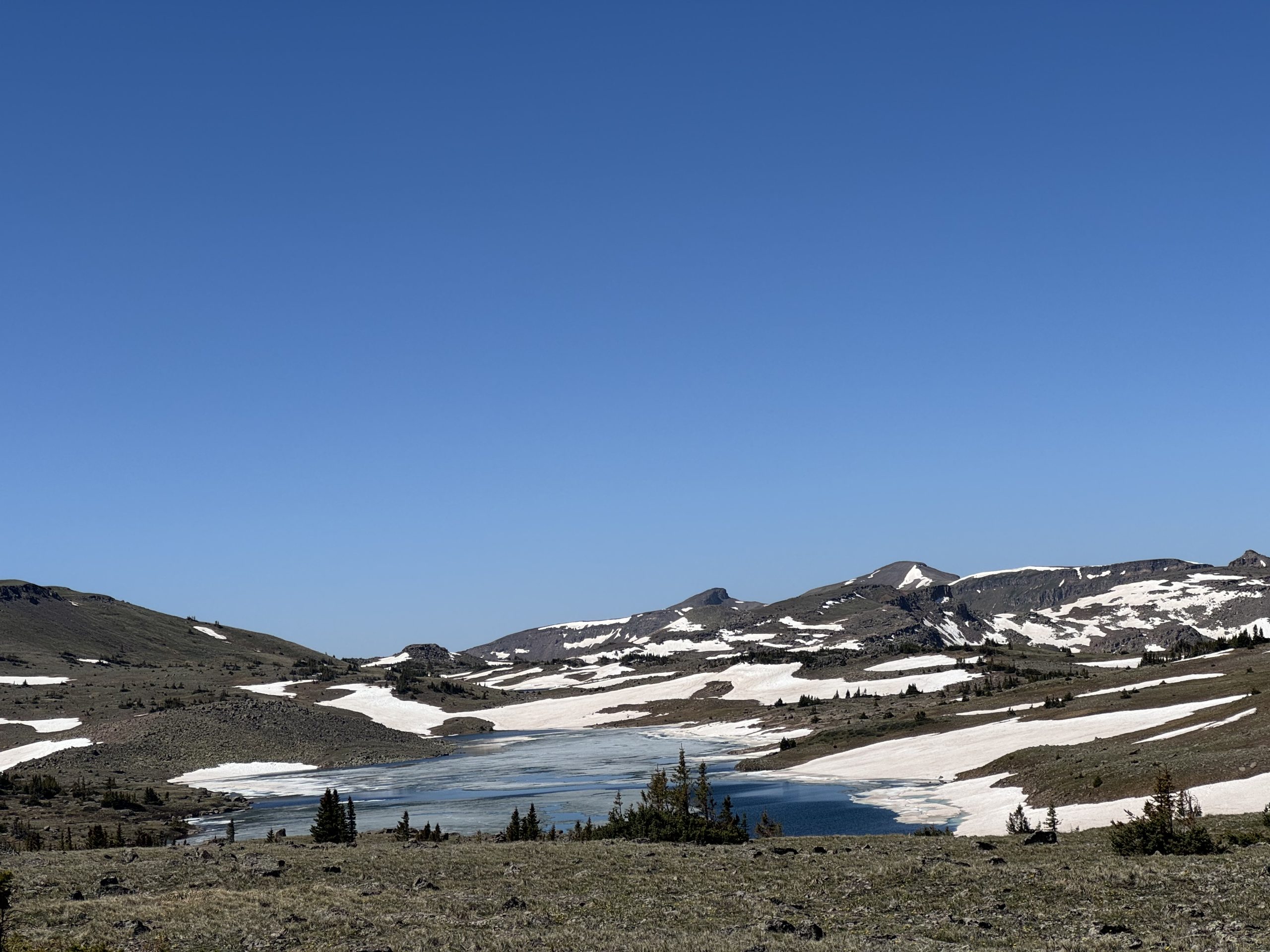
Image Source: Paige Combs, “High Elevation, Colorado,” June 2025.
UTI Treatment & Prevention
What Worked
On Trail
- Azo – for pain relief until you get to town
- Kula Cloth – unless you have a UTI, then switch to wipes
- Disposable feminine hygiene – tampons work best for me
- Baby wipes / PACT wipes
- Hydration / Electrolytes – LMNT, DripDrop, LiquidIV
- Wipe down body every night
- Change of underwear (every day) – clean and dry old pair on bag during the day
- Probiotic pills – find some in alignment for you, but I tend to look for any that have the specific strains you need for your urinary tract
- Hiking when it’s cooler
In Town
- Hydrate & Shower
- Medication (GoodRx or local doc if you’re insured)
- Take two days off
What Didn’t Work
On Trail
- Period Discs / Thinx underwear
- Re-wearing underwear
- Not cleaning body at night
- Not hydrating enough / drinking enough electrolytes
- Uqora (mostly I couldn’t justify cost/weight/regularity)
- D-Mannose (couldn’t justify cost/weight/regularity)
- Cranberry pills
- Hiking during heat waves/extreme conditions
In Town
- Skipping showers
- Not taking zeroes
- No medications/probiotics
I wish I didn’t have to carry disposable feminine hygiene products, but I have to. Otherwise I always end up with a mess and a UTI. Wiping down at night is really important, and I honestly should make it a frequent habit. When in desert sections, it’s more challenging to do this, but PACT wipes and baby wipes do the trick as well if you don’t have a river or stream nearby.
My Takeaways
Overall, the major learning for me is this: I can’t just hike because I have the goal to finish a hike. I have to be mindful that my body has limits. I’ve done a ton of reading on why I might get them when I do. Some suggest my pH levels change around my period, which can cause a shift in the bacteria. Some suggest it has to do with hydration and not having enough fluids. This makes sense, as in higher elevations I might be at increased risk because we lose more water at higher elevations. This also explains why I’m more likely to get these during the peak summer months.
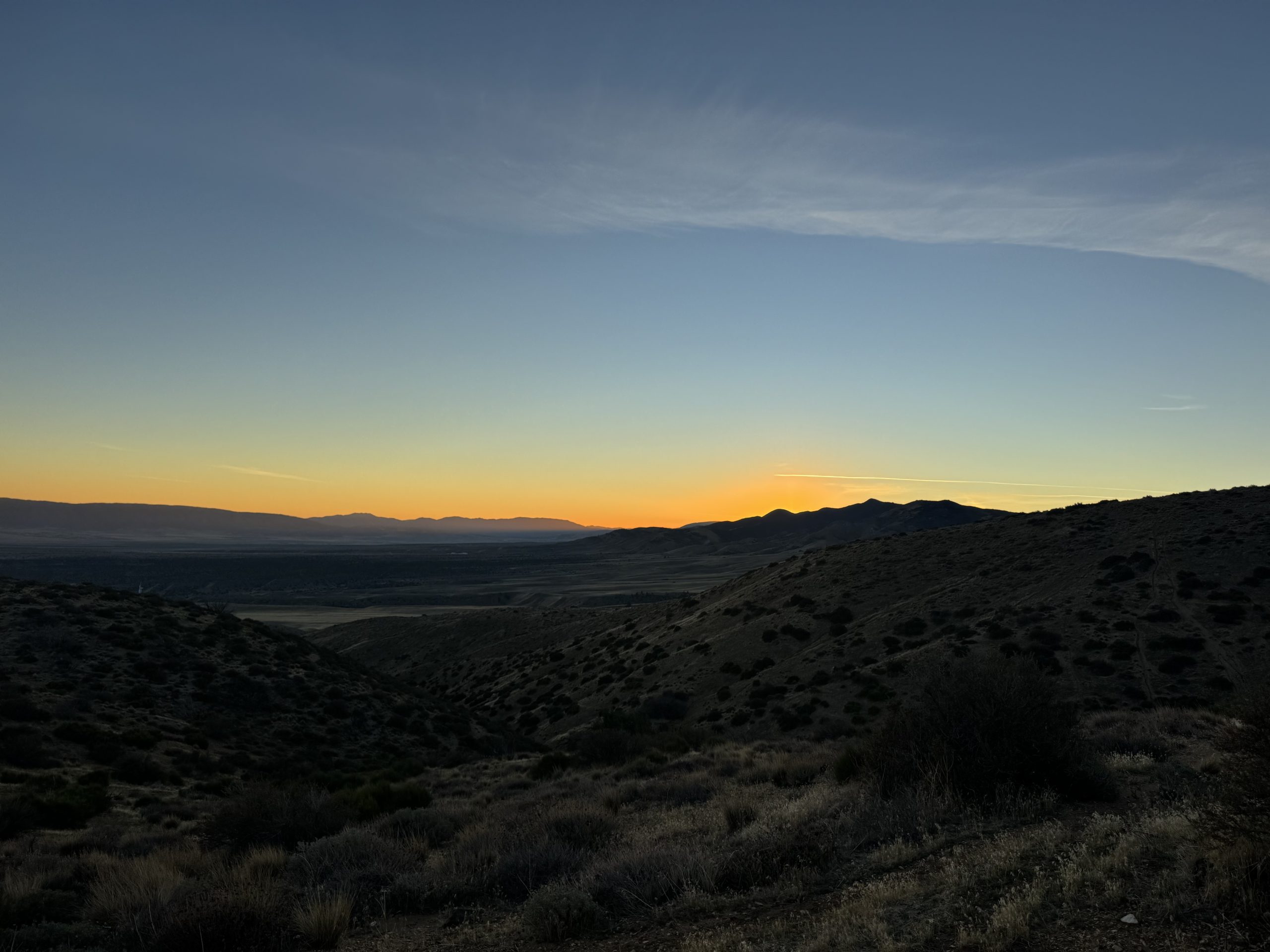
Image Source: Paige Combs, “SoCal Night Hiking To Avoid Heat,” November 2025.
GoodRx
The best thing I learned about during my research was GoodRx. You don’t always have access to doctors in mountain towns. Being able to hop on a call and get a prescription has made my trips so much easier. As long as there is a pharmacy nearby, you can submit a request, complete the phone call with a doctor, and they prescribe your medications. I do my best to stay in town at least for two days, and then I make some slow miles out.
Note: I am not a doctor, so always go by your doctor’s recommendations, but as a hiker, I’ve found these options have worked best for me.

This website contains affiliate links, which means The Trek may receive a percentage of any product or service you purchase using the links in the articles or advertisements. The buyer pays the same price as they would otherwise, and your purchase helps to support The Trek's ongoing goal to serve you quality backpacking advice and information. Thanks for your support!
To learn more, please visit the About This Site page.