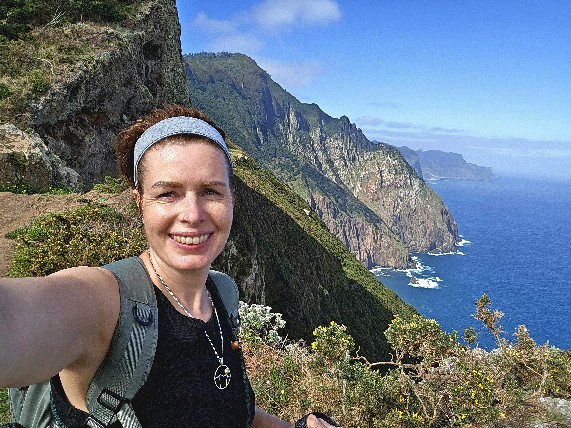
 ">
HexaTrek Week 2: Castles, Forests, Cold Nights and Digging Deep
Saverne to Aubure.
Week two of the HexaTrek is done, and what a week it’s been.
After a much-needed rest day, I made the rookie mistake of deciding that I couldn’t possibly waste food. After an evening of eating plenty, I then spent the morning trying to finish everything that was left over before we set off. The result? A very uncomfortable start to the day. We headed straight into a climb and I quickly discovered that my trail appetite and my normal appetite are no longer the same thing. My stomach has definitely shrunk! I felt slightly sick for much of the ascent and learned a valuable lesson for the next rest stop: eat less, not more.
The week itself was absolutely beautiful. The trail continued to weave through endless forests, but this time the views began opening up more often, revealing sweeping panoramas across the Vosges Mountains. There was also a wonderful mix of history, castles and woodland that made every day feel different.
One thing that has really stood out is just how fantastic France is for hiking. The network of trails is incredible. This section mainly followed the GR53, and towards the end of the week, the GR5. Everywhere you look there are well-maintained paths, excellent waymarking and countless intersecting routes. The number of mountain huts, refuges and shelters available is remarkable. It’s clear that hiking is deeply valued here, and it makes travelling through these mountains a real pleasure.
Our first trail angels appeared this week too. After a long day arriving into Dabo, we met Marc and Sabine, who very kindly invited us to camp in their garden and use their shower. Small acts of kindness like that mean the world when you’re carrying your home on your back.
One of the biggest surprises this week has been just how dependent we are on our trekking poles. They don’t just hold up our tent. They help us stay stable on steep descents, haul ourselves up brutal climbs, and even help reduce the swelling in our hands that comes from hiking in the heat with a heavy backpack. They’re probably the most important piece of equipment we carry.
And speaking of climbs… Day 7 was brutal! Not fully appreciating what lay ahead, we started the morning by voluntarily adding even more elevation to visit Rocher de Dabo and its chapel. It was a fantastic viewpoint and worth every step, but the trail that followed delivered some of the toughest climbing and terrain we’ve encountered so far. By the end of the day I was completely spent.
Despite the challenges, the rewards this week were exceptional.
The highlight for me was Château du Haut-Barr. Perched dramatically on sandstone rock formations, connected by the famous Devil’s Bridge, it felt like something from a fantasy novel. The views stretched for miles in every direction and it’s easily one of my favourite places we’ve visited on the entire journey so far.
Another standout was Le Donon. Long before Christianity arrived, this mountain was a sacred site for Celtic and Gallo-Roman worshippers, and archaeological remains found here show it was an important religious centre nearly two thousand years ago. Standing at the summit, surrounded by history and spectacular views, it was easy to understand why people have been drawn to this place for centuries.
We also saw the former concentration camp at Natzweiler-Struthof. It was a sobering and emotional place, and a stark reminder of the atrocities that occurred here during the Second World War. It’s impossible not to leave with a sense of reflection and gratitude.
Then there was Château du Haut-Kœnigsbourg, rising above the vineyards and forests of Alsace. Beautifully restored and dominating the landscape, it was another unforgettable landmark on this section of the trail, although extremely popular with tourists.
Nature delivered some special moments too. One of the most exciting was spotting a wild mountain cat in the distance. It was only a brief sighting, but seeing such a rare animal in its natural habitat felt incredibly special.
The forests themselves deserve a mention. We have spent hours and hours immersed in woodland this week. The Japanese call it “forest bathing” – simply spending time amongst trees – and studies suggest it can reduce stress hormones, improve mood, lower blood pressure and even boost certain immune system functions. Based on the amount of forest we’ve walked through this week, I’m convinced we’ve either become significantly healthier or managed to kill off every bad cell in our bodies!
Not everything has been perfect though. Camping at altitude is a completely different experience. It’s colder, damper and far harder to get comfortable. After two brutally cold and wet nights high in the mountains, sleep became almost impossible. I woke feeling dreadful – that horrible sluggish, nauseous feeling you get after a night shift when your body knows something isn’t right.
Because of my ME, PoTS and dysautonomia, temperature regulation is something I struggle with anyway. Eventually I decided to book a hotel for a night in the middle of the week. I needed warmth, rest and proper recovery.
Some people might see that as cheating, but I don’t. We’re still hiking every mile, carrying all our equipment and putting in the work. I’ve learned that if I listen to my body’s whispers, hopefully it won’t have to scream. Giving myself the best possible chance of completing this trail means making sensible decisions when I need to.
The cold nights have also reinforced one conclusion: our Durston X-Mid simply isn’t the right tent for us. We bought it because it’s lighter and uses trekking poles rather than dedicated poles. On paper that sounds ideal for a long-distance trail. In reality, we’ve missed our Big Agnes Copper Spur every day. The Copper Spur feels easier to pitch, sturdier in bad weather, drier inside and, perhaps most importantly, it’s freestanding. That flexibility makes a huge difference. The weight saving just isn’t enough to outweigh the drawbacks for us, and we’ll be switching back after this trail.
There have been some interesting trail ponderings too.
I’ve already lost weight. Part of me wonders whether that’s a good thing because my total weight carried (me plus backpack) is now lower, reducing the load on my joints. Another part of me wonders whether it’s actually worse because my backpack now represents a larger percentage of my body weight! These are the sorts of deep philosophical questions that occupy your mind after eight hours of walking every day!
One thing is certain though: my muffin top appears to have disappeared. The HexaTrek may be the ultimate perimenopausal weight-loss programme.
Physically, this remains the hardest thing I’ve ever done. It hurts. Really hurts. Every day I finish exhausted. Every afternoon I have to dig deep and convince myself to keep going. There are moments almost every day when I question whether I can actually do this, or whether it’s simply too much.
And then I reach a summit, a viewpoint, a château or a mountain ridge. I look around. And I remember exactly why I’m here.
One particularly encouraging development has been my knees. Given the amount of climbing and descending involved, I expected them to be a major issue. Instead, the hyaluronic acid injections I had before the trip seem to be working brilliantly. They ache towards the end of the day, as expected on terrain like this, but they’re nowhere near as painful as usual. Most of the time I barely notice them. I’d estimate around a 75% reduction in pain, which feels nothing short of remarkable.
By the time we reached Aubure, we’d completed eight consecutive days of walking since our last proper rest. That’s a lot, both physically and mentally. So tomorrow we’ll be enjoying a well-earned rest day in a beautiful apartment with a hot tub in the picturesque village of Aubure.
See more in-depth daily updates from the trail over on my Instagram.
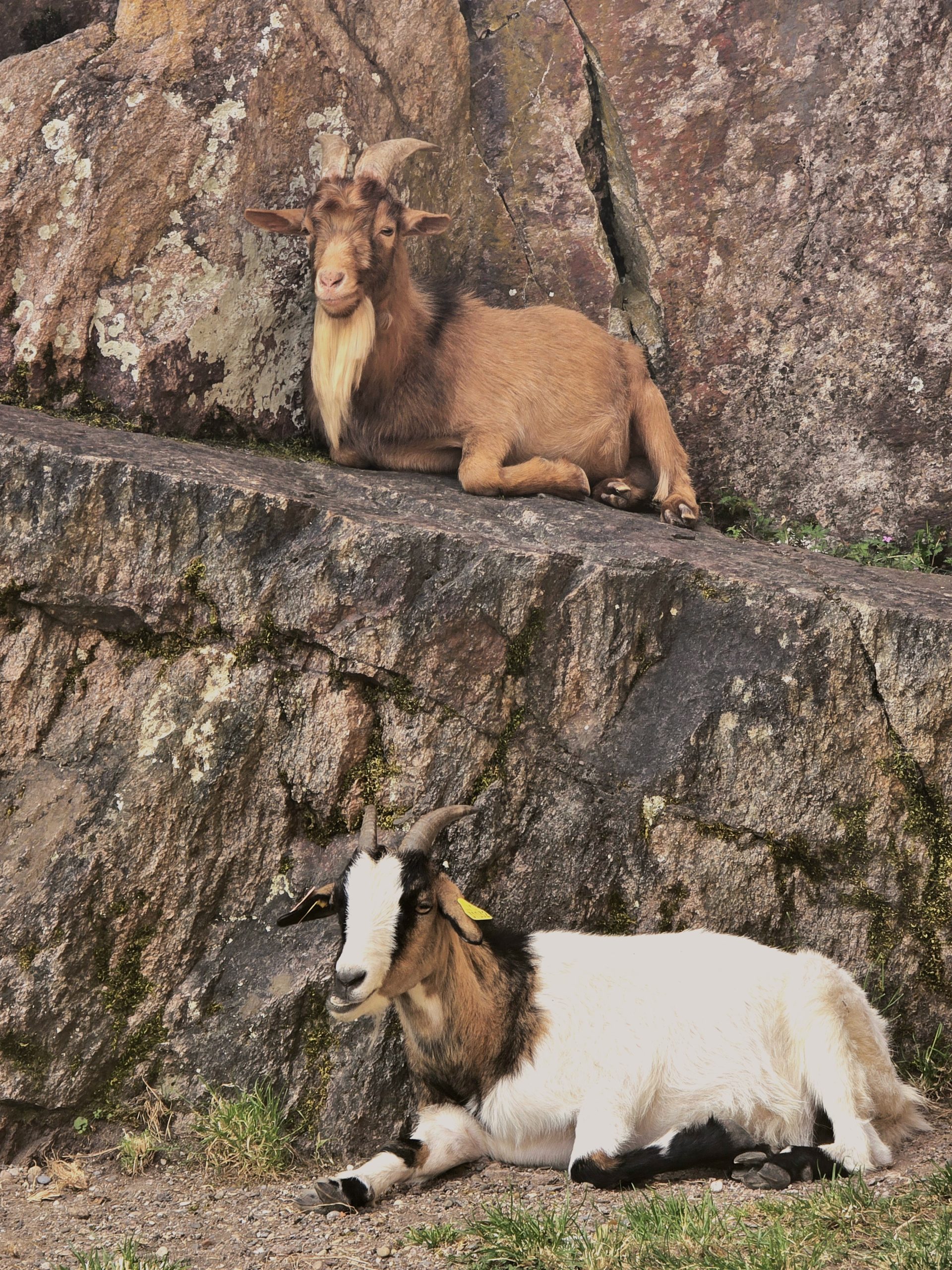
Goats at Chateau Saint-Ulrich
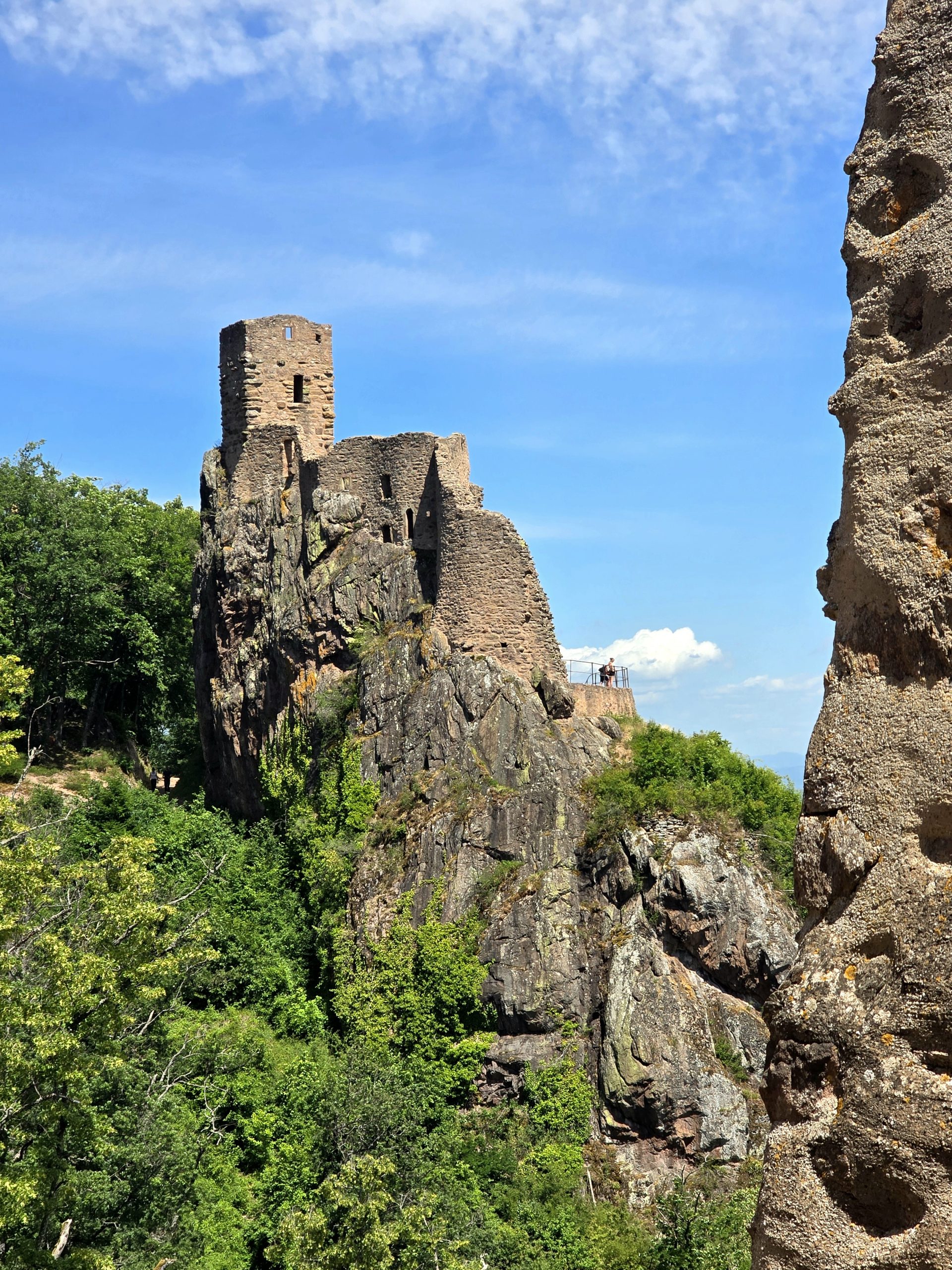
Chateau du Girsberg
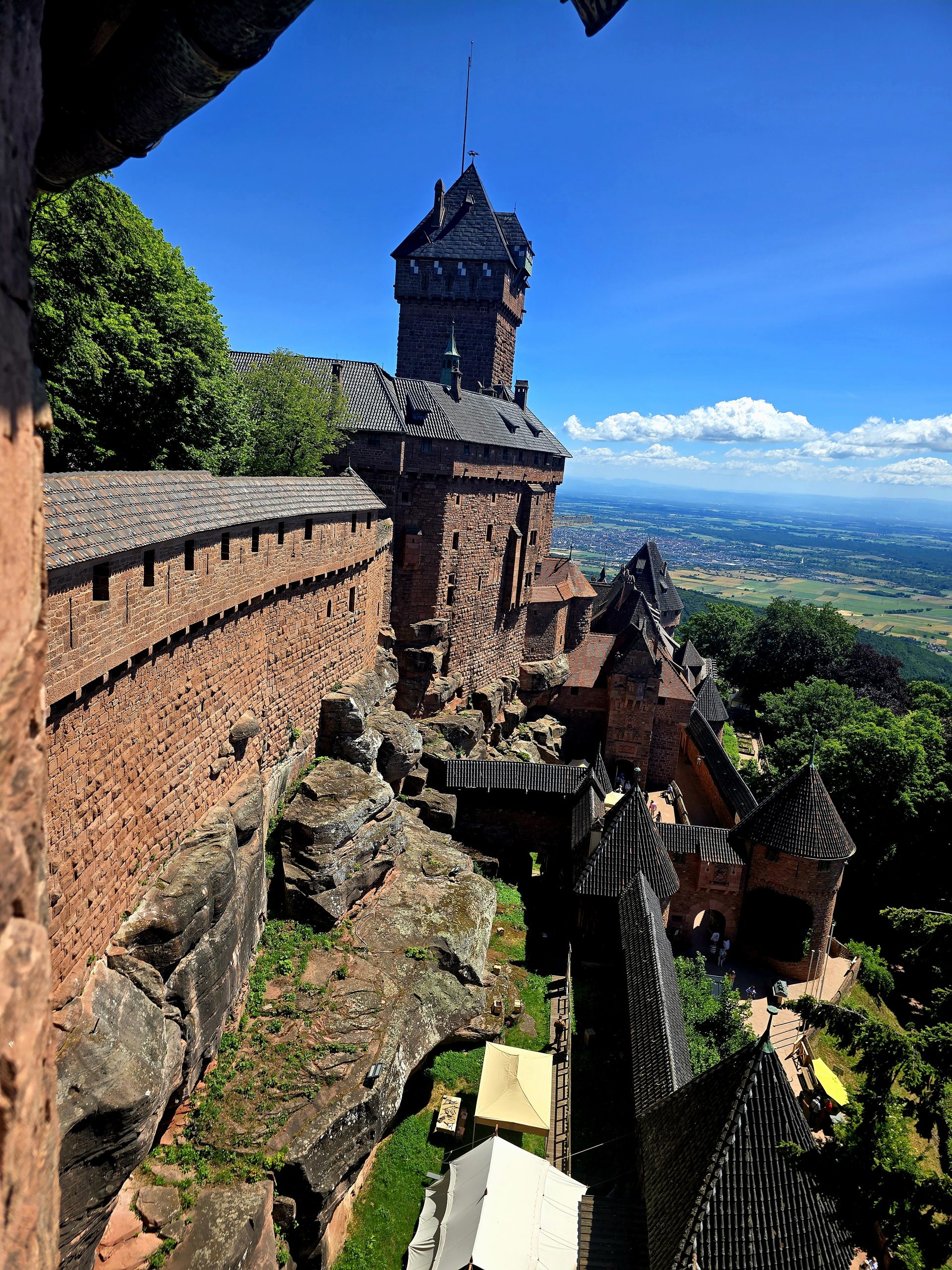
Chateau du Haut-Koenigsbourg
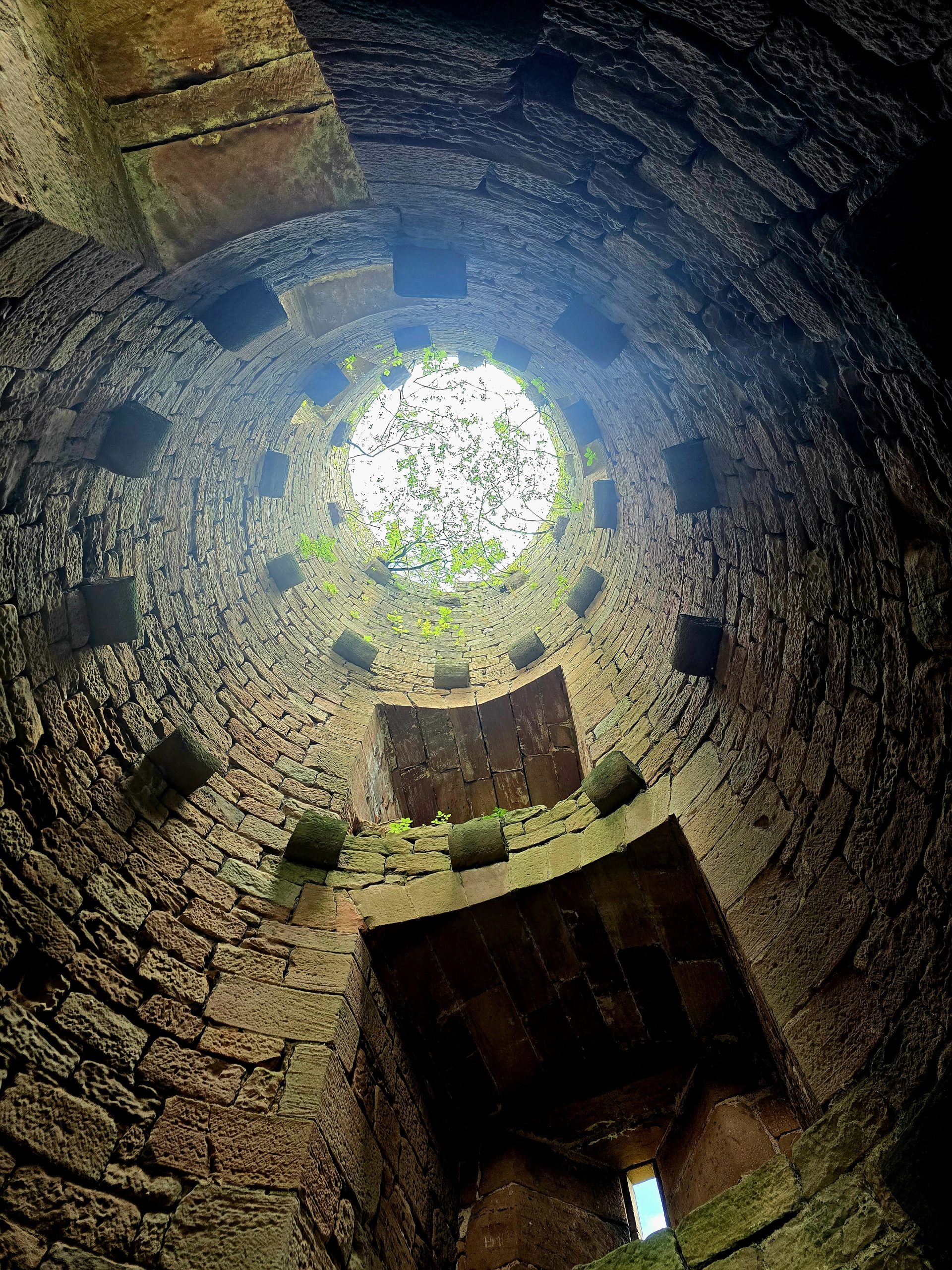
Chateau du Landsberg
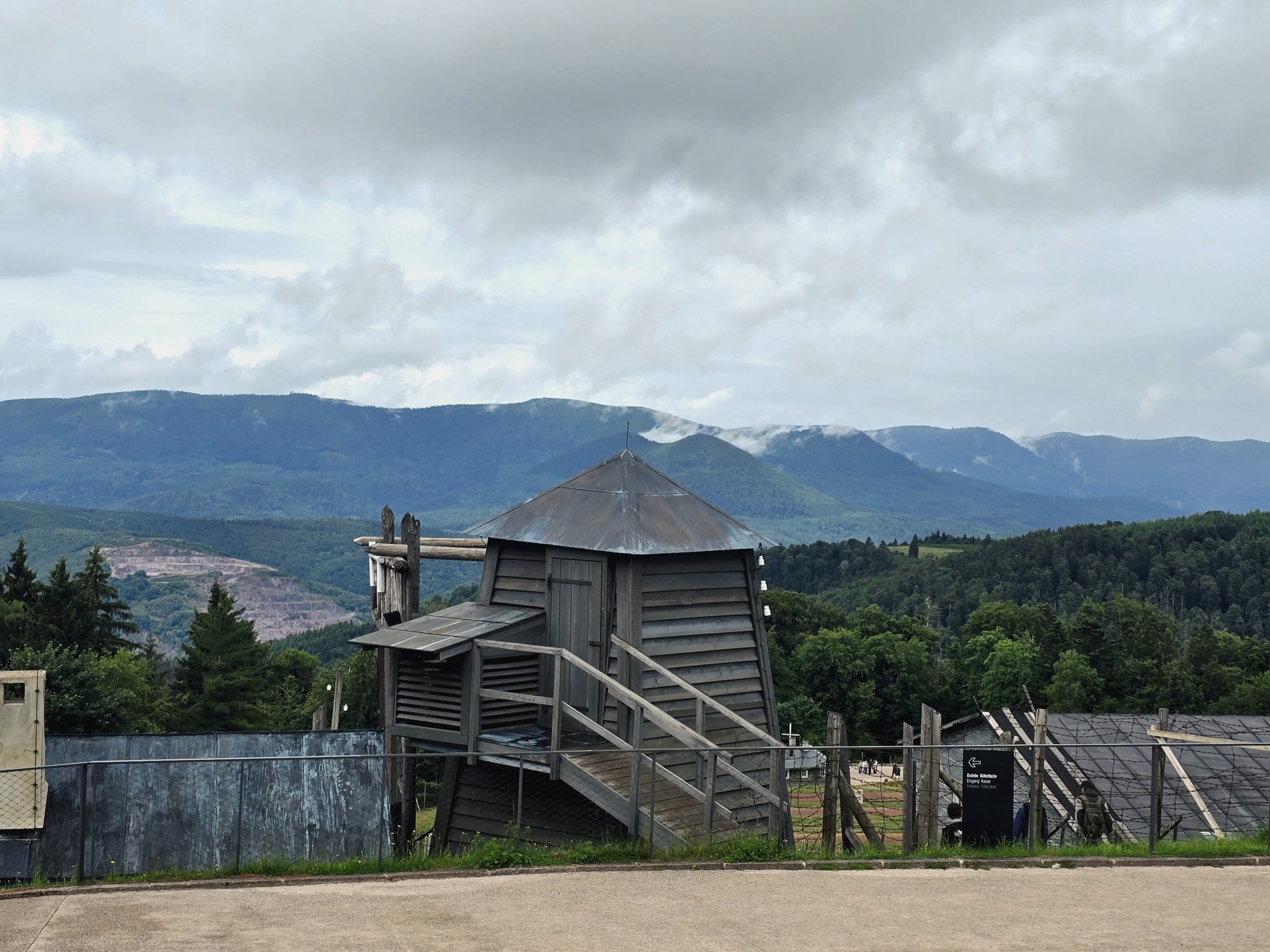
Natzweiler-Struthof concentration camp
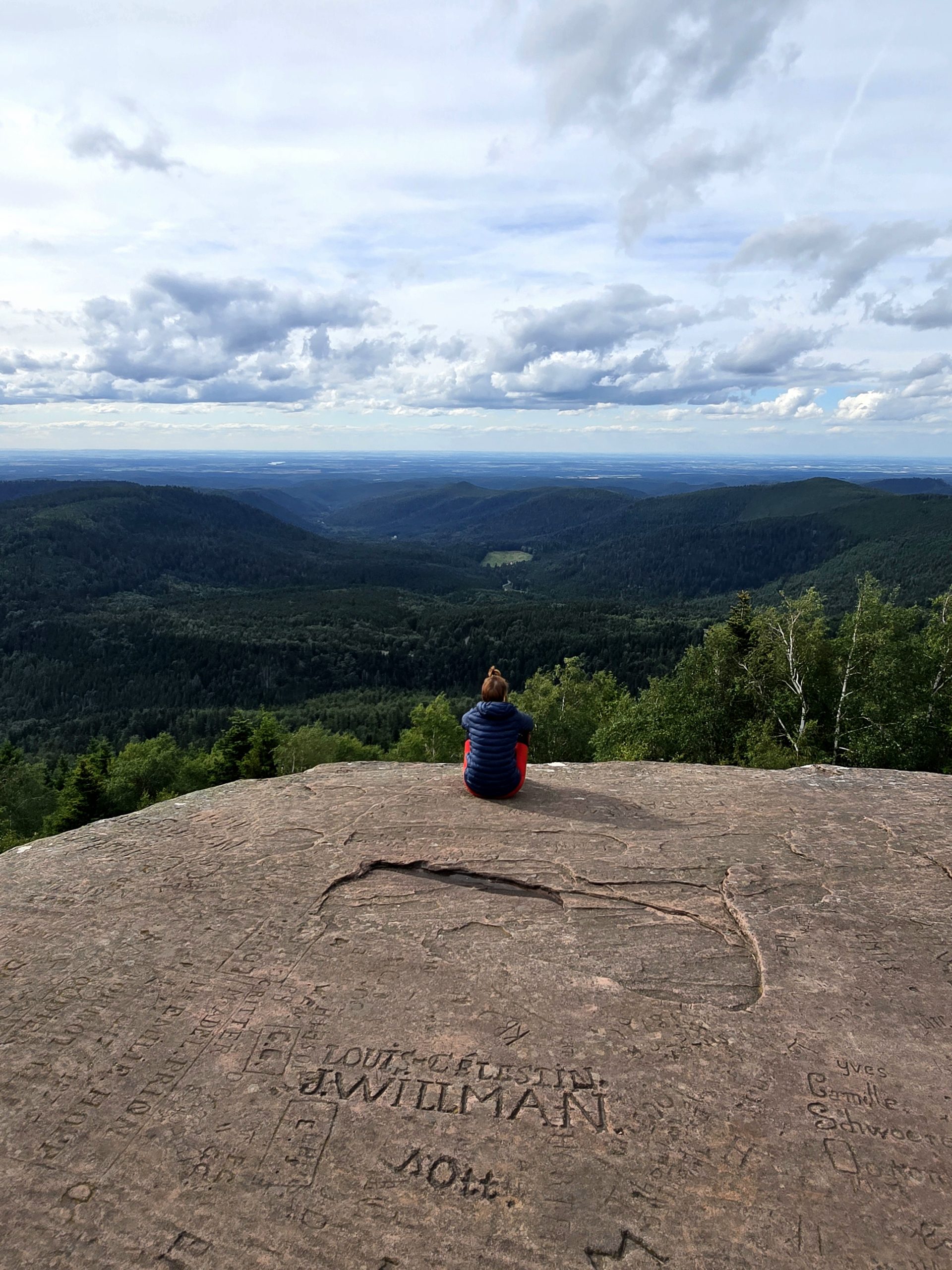
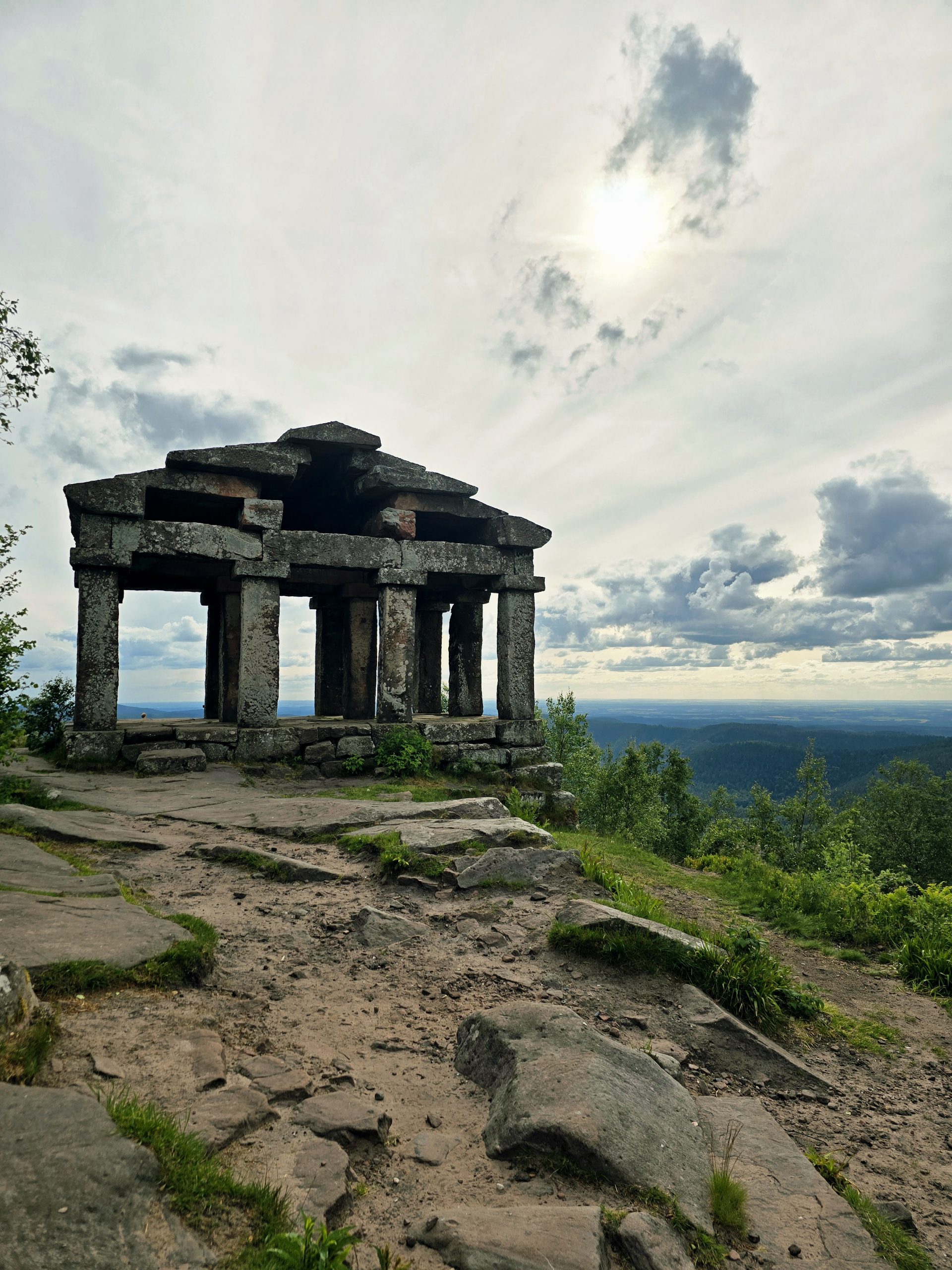
Le Donon
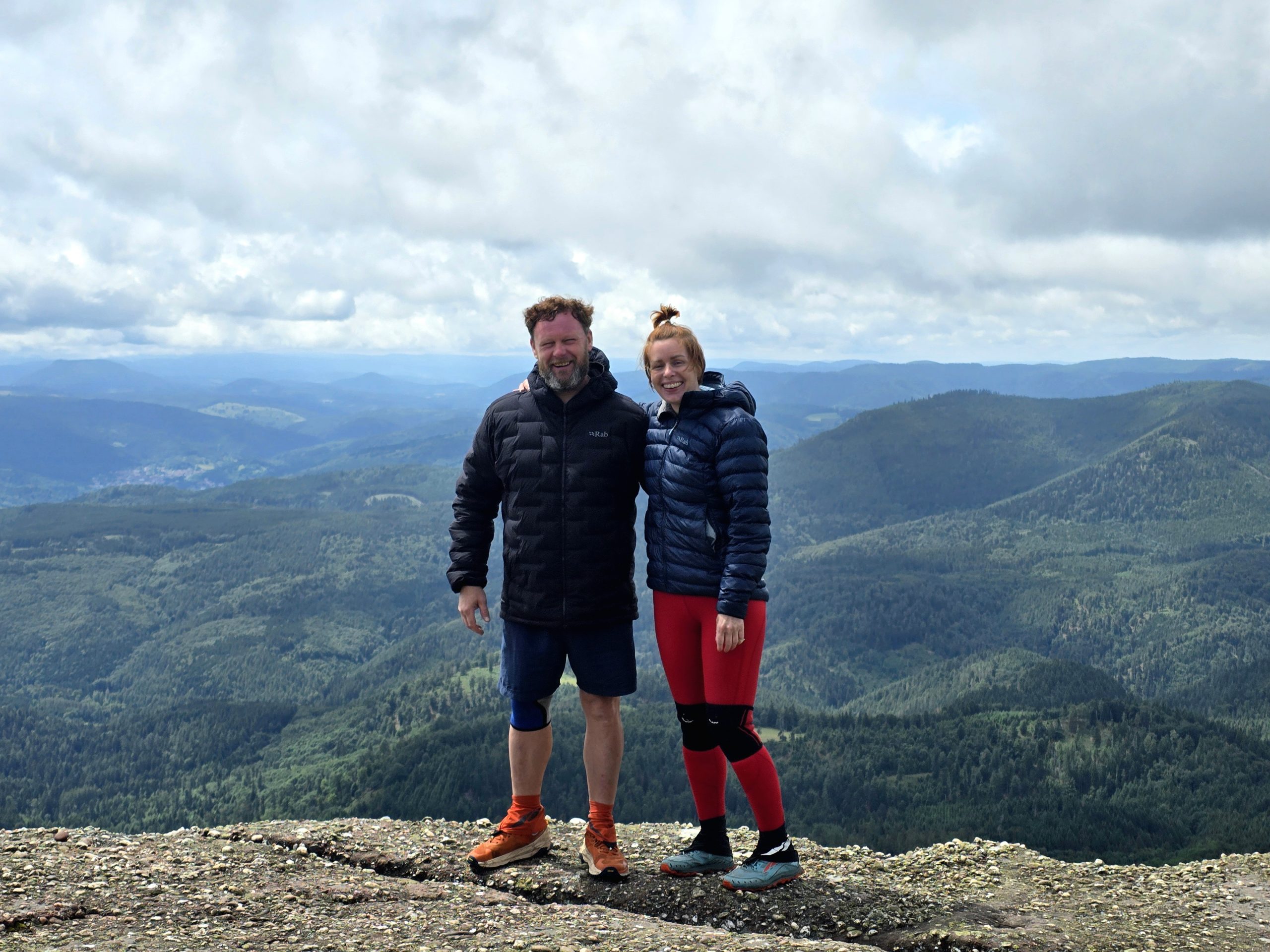
Rocher de Mutzig

This website contains affiliate links, which means The Trek may receive a percentage of any product or service you purchase using the links in the articles or advertisements. The buyer pays the same price as they would otherwise, and your purchase helps to support The Trek's ongoing goal to serve you quality backpacking advice and information. Thanks for your support!
To learn more, please visit the About This Site page.