
 ">


Hiking the Colorado Trail with Zero Experience? Here’s What You Need To Know
In the autumn of 2021, I made the decision to thru-hike the 486-mile Colorado Trail. Prior to this decision, I’d backpacked exactly zero miles.
I’m fairly sure my family thought I was nuts and probably hoped I would abandon this idea before my chosen July start date. However, I was pretty set on my choices. Over the following few months, I took one shakedown trip (my first real backpacking trip, which ended up being somewhat of a disaster), planned out my resupply strategy (also somewhat of a disaster), and made my way to the Waterton Canyon terminus.
Over the following 28 days, I experienced a near picture-perfect thru-hike and gained a level of confidence and experience I never could have expected to find. These are the 8 lessons I learned through my weeks of preparation and time on trail that ended up enabling me to hike thousands of miles on America’s long-distance trails afterward.
1. The Colorado Trail is a Perfect First Thru-Hike
The Colorado Trail is a bit of a “Goldilocks” trail. By that, I mean it’s not too long, not too short, not too crowded, not too isolated, not too rugged, not too boring, and not too logistically challenging.
On average, hikers take between four and six weeks to finish the trail. For many, this means that (with proper preparation and saving up of days off) you can hike this trail without needing to quit your job. However, it’s still long enough that you end up feeling fully immersed in the thru-hiking experience instead of just feeling like you’re taking a short vacation.
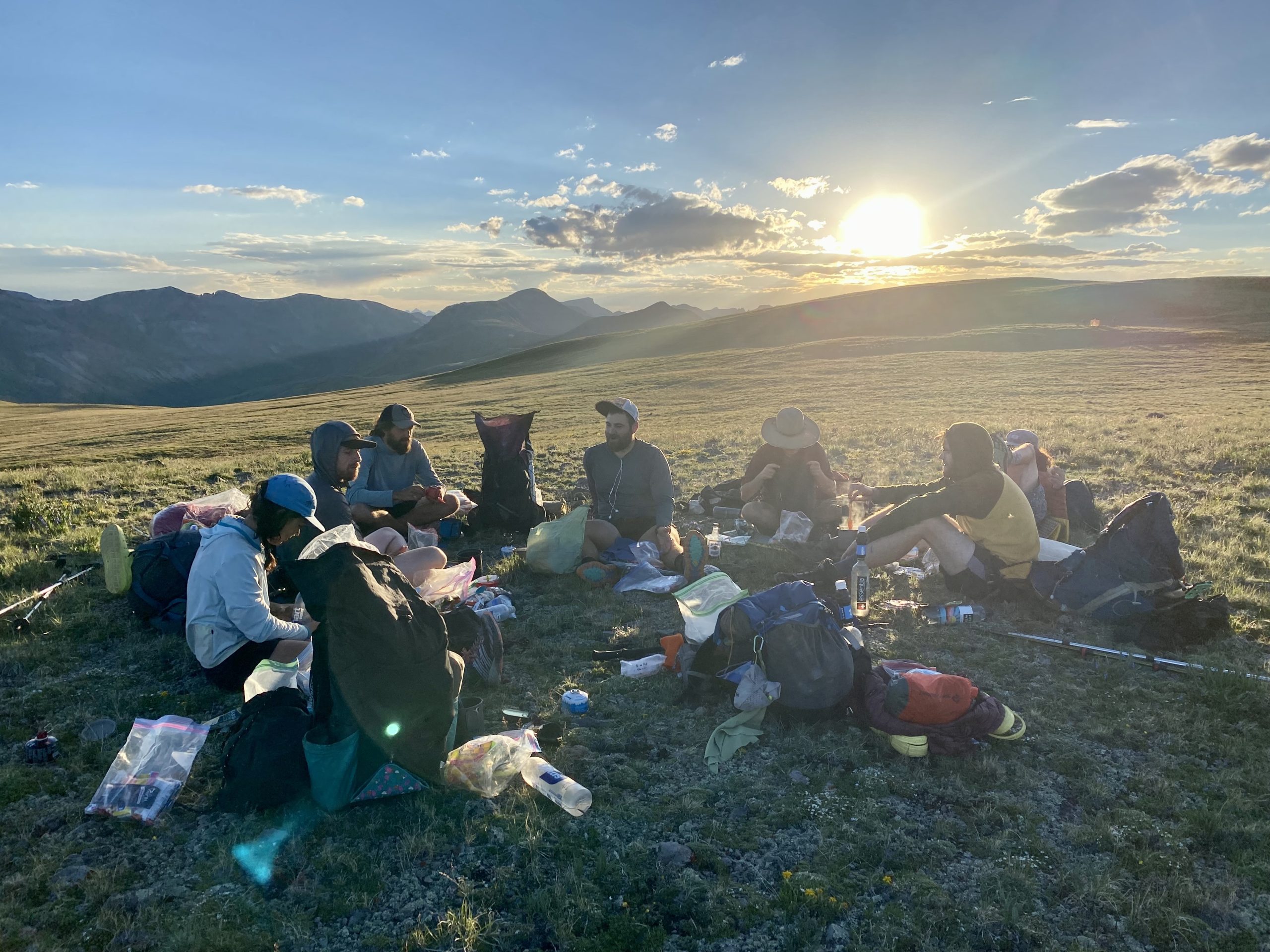
If tramily is what you want, the Colorado Trail is a very social scene without being overcrowded. Photo via @k80.trail
Especially since I started the trail as a solo female hiker, I was pleasantly surprised by how easy it was to find friends. The vast majority of Colorado Trail hikers start somewhere between June and late August, so if you start at a similar time and want to find a community, you probably will.
When it comes to town access and resupply on the trail, the surrounding trail communities are similarly supportive. The hitches into towns are easy, locals are friendly, and most towns have gear stores and grocery stores to help you restock on whatever you need.
Trail Maintenance and Easy Terrain
Additionally, the trail itself is incredibly graded and well-maintained. You do not need to bushwhack a single time on this trail, and constant signage and trail blazes along the way will make it hard to wander too far from the designated path. Still, the environment you’re walking through is undoubtedly wild, and I can almost guarantee you will pick up valuable backcountry skills from the experience. The CT demands a level of respect, especially when it comes to the weather, altitude, and lightning risk.
Finally, just as a little bonus, the views on the CT can only be described as breathtaking. You walk across several of Colorado’s prettiest mountain ranges, including the Sawatch Range and the San Juan Mountains. While there are some steep climbs, and you will have to put in effort to reach these views, you’ll actually experience a great payoff.
Name another trail that can offer all this to a first-time thru-hiker; it’s harder than you’d think!
2. The People You Meet will Have Lots of Advice
As soon as people realize you’re new, they’re going to offer advice. It’s then up to you to decide how much credence you want to give that advice.
On my CT hike, I was lucky enough to fall in with a group of hikers who had recently finished thru-hiking the PCT. I appreciated having people around me with more experience; when we got caught in my first thunderstorm, one of them stuck with me and talked me through the experience. When it came time for me to try hitchhiking for the first time, one of them made sure I didn’t have to do it alone and gave me some tips on getting the fastest hitch possible.
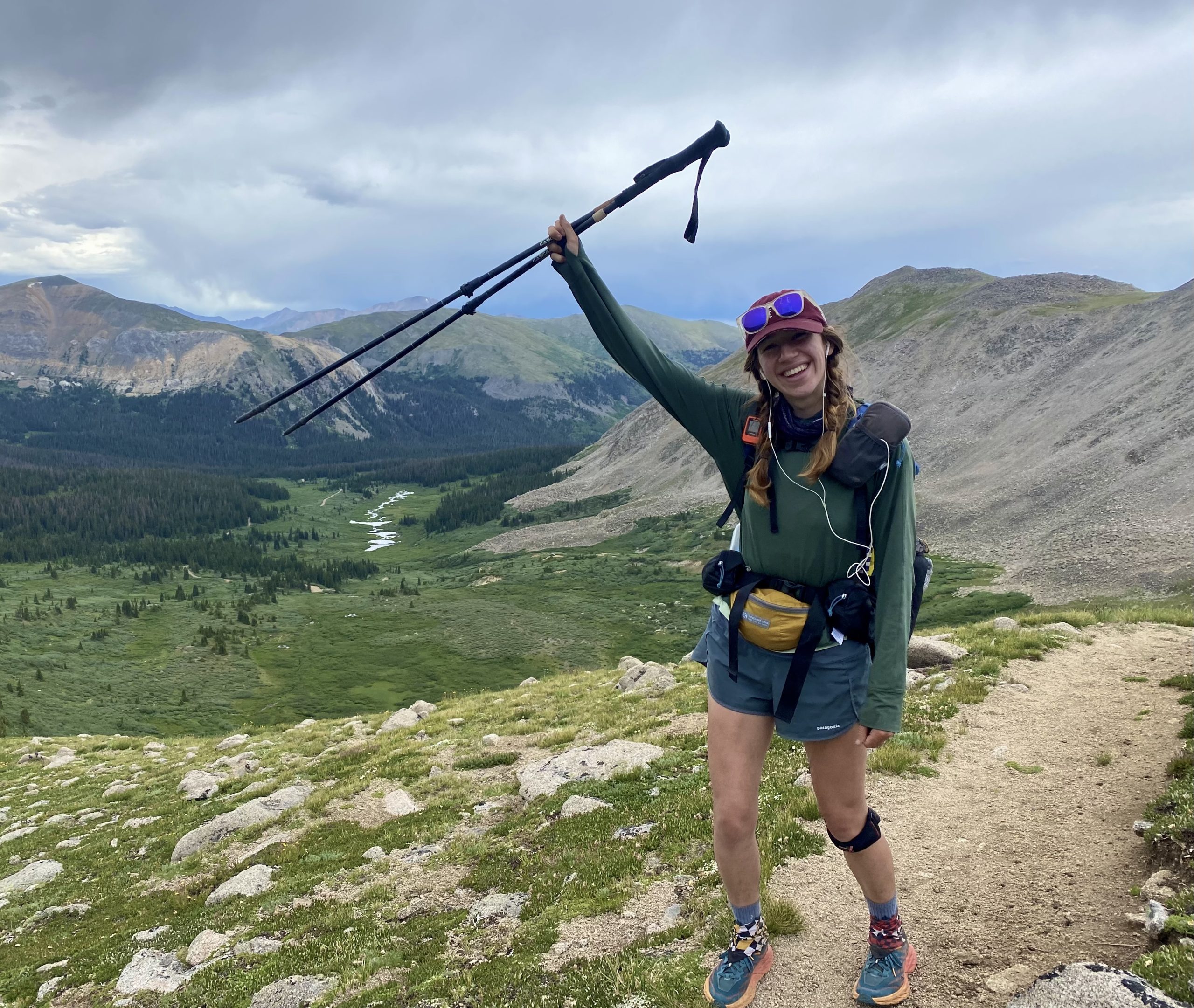
I’m a firm believer that having people around makes hikes more fun. Photo via @k80.trail
I think it’s important to understand how little you know on your first thru-hike and treat the wealth of knowledge surrounding you as a great resource to learn from. Still, I think it’s similarly important to filter that advice and decide what you’re willing to learn the hard way.
After all, some advice you’ll receive is personal preference disguised as a fact. If someone insists you need to switch to a tarp or that your shoes are wrong, they probably are just projecting their opinions on you. Half the fun of a first hike is figuring out what works for your body and your style, not just mimicking someone else you’ve decided to hike with.
3. Gear Isn’t Everything, but It’s Not Nothing
Things I packed for my pre-CT shakedown hike in the White Mountains: A book, a chair, a full kitchen set (including multiple bowls and spatulas), a heavy tent, and a sleeping bag from Amazon. Five miles into that hike, I finally realized that having light gear actually can vastly improve your experience instead of just being a status symbol. While you don’t need a $1,000 tent to finish, having gear that’s not actively working against you will probably make every single minute of the trail just a little bit more enjoyable.
My best tip for being ultralight on a budget? Leave it behind. You actually don’t need to spend $200 on the lightest camp chair when the lightest chair of them all is a rock. Of course, your gear needs to work for you, so if carrying a 2-lb chair brings more joy than the pain of the weight on your shoulders, bring the chair!
My First Pieces of Ultralight Gear
After my shakedown, I ended up making a few major swaps, particularly in my “Big Three” category (tent, sleeping bag, backpack). I tried to find the lightest used gear I could find within my budget and ended up with Gossamer Gear “The One” shelter from Facebook Marketplace, Gossamer Gear’s G4-20 backpack from the r/ultralightgeartrade subreddit, and a new Hammock Gear Economy Burrow quilt (which no longer exists, sadly).
Were these pieces perfect for me? No, not by a long shot! Still, cutting my “Big Three” weight by almost five whole pounds let me hike farther, recover faster, and experience less shoulder pain with each step.
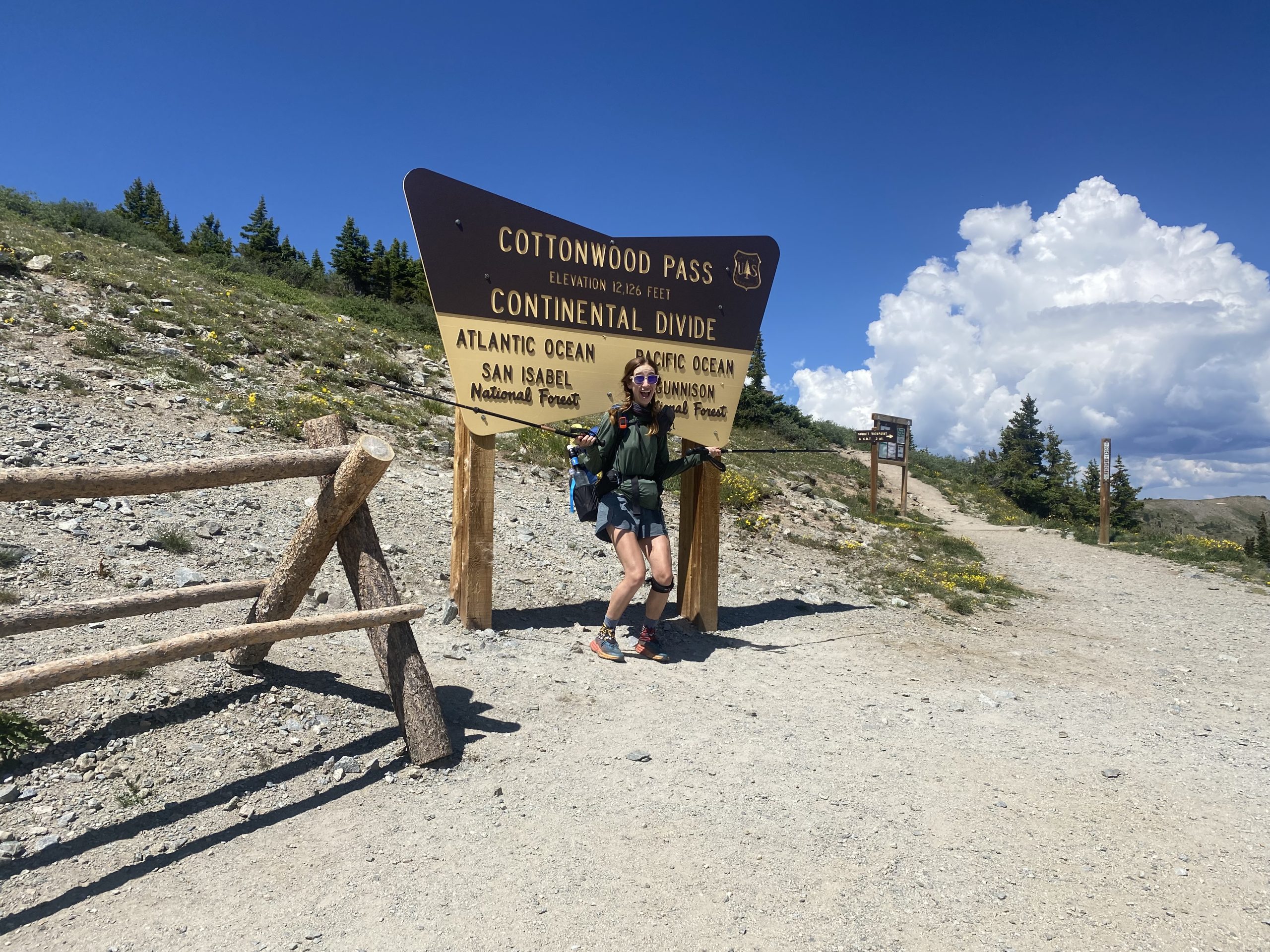
Much (most?) of my gear has switched up after a few thousand miles, but I have no regrets about how I chose to pack for this first trail. Photo via @k80.trail
Gear is something I don’t think you need to be too hung up on for your first hike, but if you see an easy win on your packing list where you can cut multiple pounds, you probably actually will notice that difference day-to-day.
4. A Zero Day Can Fix a Lot
The best of trails will still have moments of intense discomfort. Rain, chafing, mental fatigue, blisters, sun poisoning, you name it! On the Colorado Trail, I found that many of these small annoyances’ mental impact could be mitigated with a day off in a town, a large pizza, a hot shower, and a night in a bed.
Early on, I wondered if other hikers thought taking a day off was a sign of weakness. By the time I got to my first town, I realized I didn’t care if anyone thought that at all. There is no medal for suffering.
It feels like we often forget that a thru-hike is a vacation, and vacations are intended to be fun. Taking a little time in town to address anything bothering me and allowing myself to enjoy some luxuries gave me the space to remember that I actually liked being out on the trail. The advice you’ll hear a lot is “don’t quit on a bad day”, and I think that’s pretty sound advice.
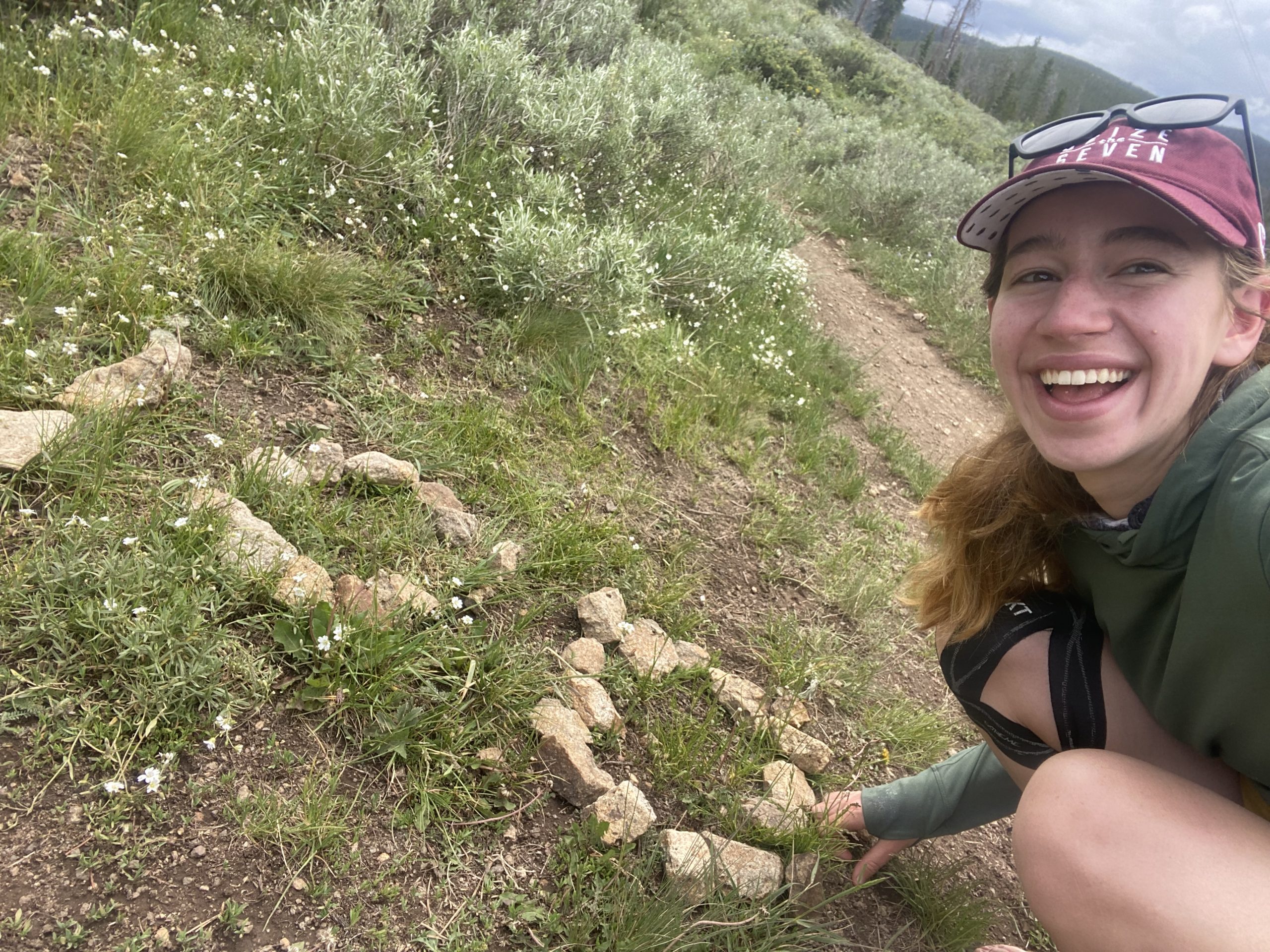
By the time I hit my first hundred miles, my feet were more blister than feet. Photo via @k80.trail
When you’re physically uncomfortable, quitting can sound like a perfectly wonderful decision, but a good way to check if you really mean it is to arrive at the same conclusion during a moment of happiness. Never underestimate the power of a town reset.
5. Expectations Never Make Things Better
Leading up to my Colorado Trail thru-hike, I consumed a lot of media about what the trail experience would be like. From this, I knew which sections I should expect to like (Section 23), which sections I should expect to hate (Section 2), and which sections would be perfectly forgettable (Section 5). Heading into each of these sections armed with this knowledge fully affected how I processed and experienced them, and not usually in a good way.
Sometimes, expecting to dislike a section made me appreciate its small joys a little bit more, like the beautiful sunrise over the burn scar of Section 2. But heading into an objectively enjoyable and beautiful section in even a slightly bad mood made me feel like I was wasting a “good” stretch instead of letting myself figure out my own opinions.
When I got to Section 5 (the one I was told was “forgettable”), I actually found it quite peaceful and charming because I wasn’t constantly bracing myself for a struggle or a spectacular view.
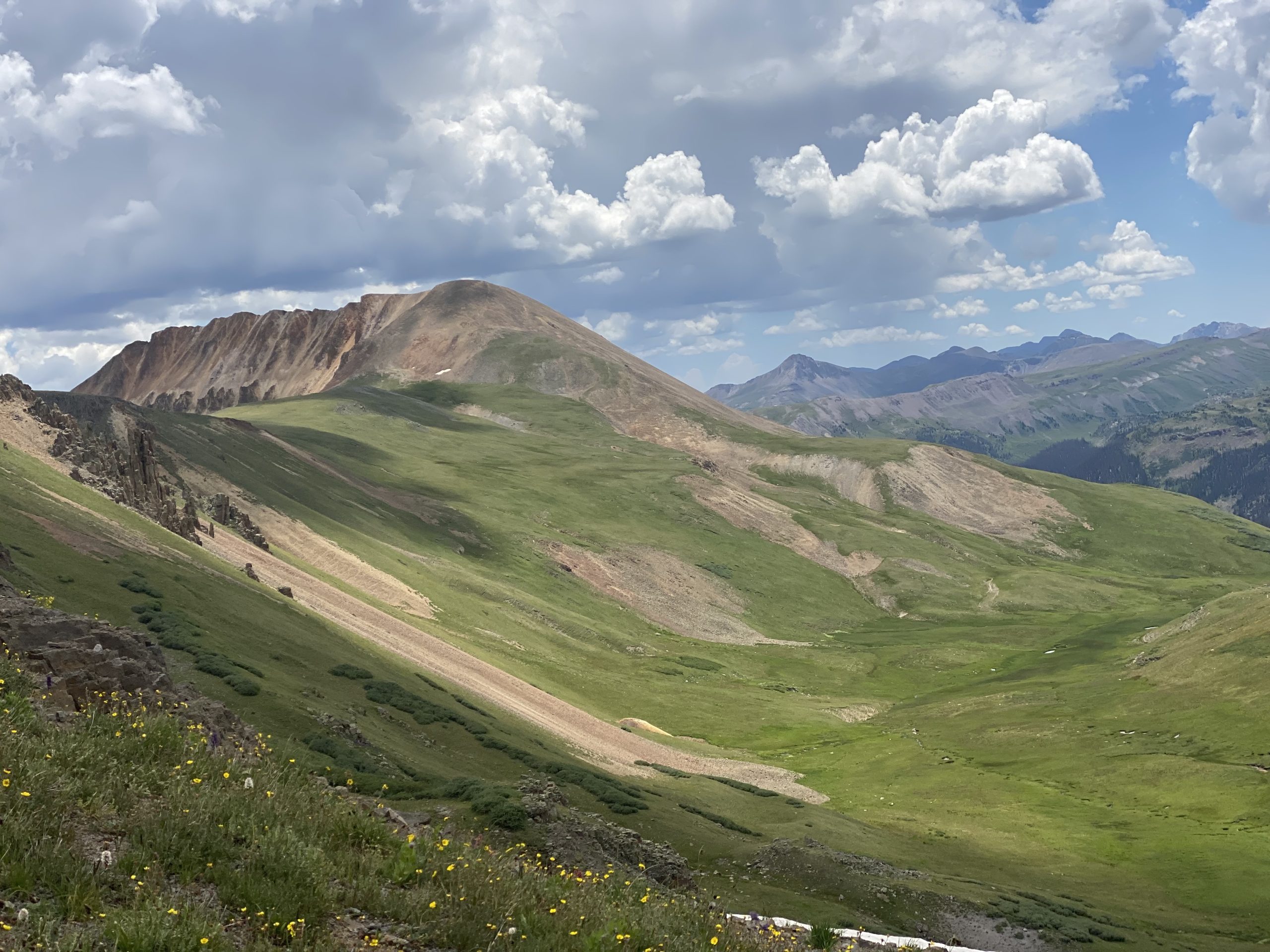
Through the right lens, everything out there is pretty (except Segments 16-18, but I’m sure someone out there will disagree with me on that. Photo via @k80.trail
If you go in expecting specific things from specific areas, you’re going to miss the actual magic happening right in front of you. Just show up and take what the trail gives you!
6. You Don’t Know What You Don’t Know
Coming in with zero experience meant I had a massive learning curve. My first shakedown hike to the Carters in the White Mountains was done with a blanket of snow on the ground and absolutely no gear to safely manage the snow hiking. I put myself in this situation through the typical Mountain West condescension of, “oh, the mountains in the east are only 4,000 feet. How hard can they be?” (The answer: very hard.)
Not only do you have to recognize that you’re a beginner when it comes to a lot of backcountry skills, but you have to swallow the pill that you’ll constantly be surprised by new things you didn’t even know you didn’t know.
Theoretical knowledge about lightning safety does little for you when you’re stuck in the middle of the San Juans with no tree around for 15 miles in any direction. Starting the CT, I didn’t know how to properly vent my tent to avoid condensation, and I certainly didn’t know how to gauge if a 15-mile water carry was doable or not based on the elevation profile. I had to be okay with being the idiot for the first week or so.
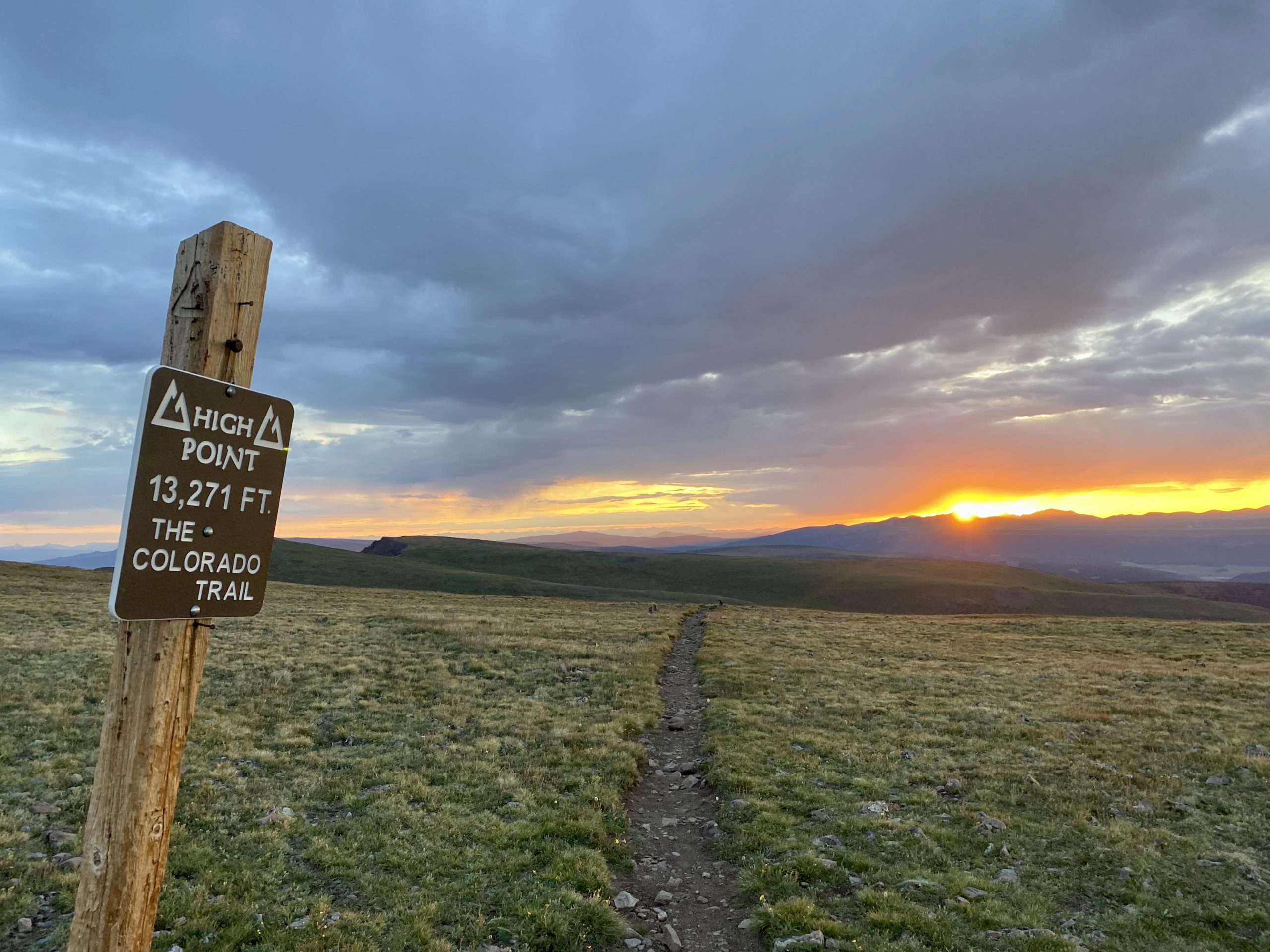
I first learned what Cowboy Camping was on the Colorado Trail. It’s when you camp under the stars without any sort of shelter, and doing it for the first time at the high point of the CT was a certain kind of special. Photo via @k80.trail
Everyone starts at zero, and the only difference between the person who finishes and the person who goes home is the willingness to be humbled by the trail and learn from the mistakes. For the record, this never truly goes away. I’ve been learning new, humbling things from each new thru-hike I’ve attempted.
7. Let Yourself Change Your Mind on Almost Everything
By the time I hit Breckenridge, I had already changed my mind about my resupply strategy, my daily mileage goals, and half the gear I was carrying. The person who starts the trail is not the person who finishes it, and you’ll save yourself some mental anguish if you’re willing to pivot.
In some ways, this is a mental game. Are you “not really a 14ers person” but sort of feel the itch to summit San Luis when you stand at the saddle? Do it! Do you care strongly about going the Collegiate West route, but find yourself dreading it as you get close to the cutoff? Don’t hold yourself to opinions you formed before you had all the information.
Practically, there are also some ways you can avoid locking yourself into things too much. With almost no exceptions, the towns of the Colorado Trail have wonderful grocery and gear stores; unless you have pretty strict dietary restrictions, I don’t see the need to mail resupply boxes ahead.
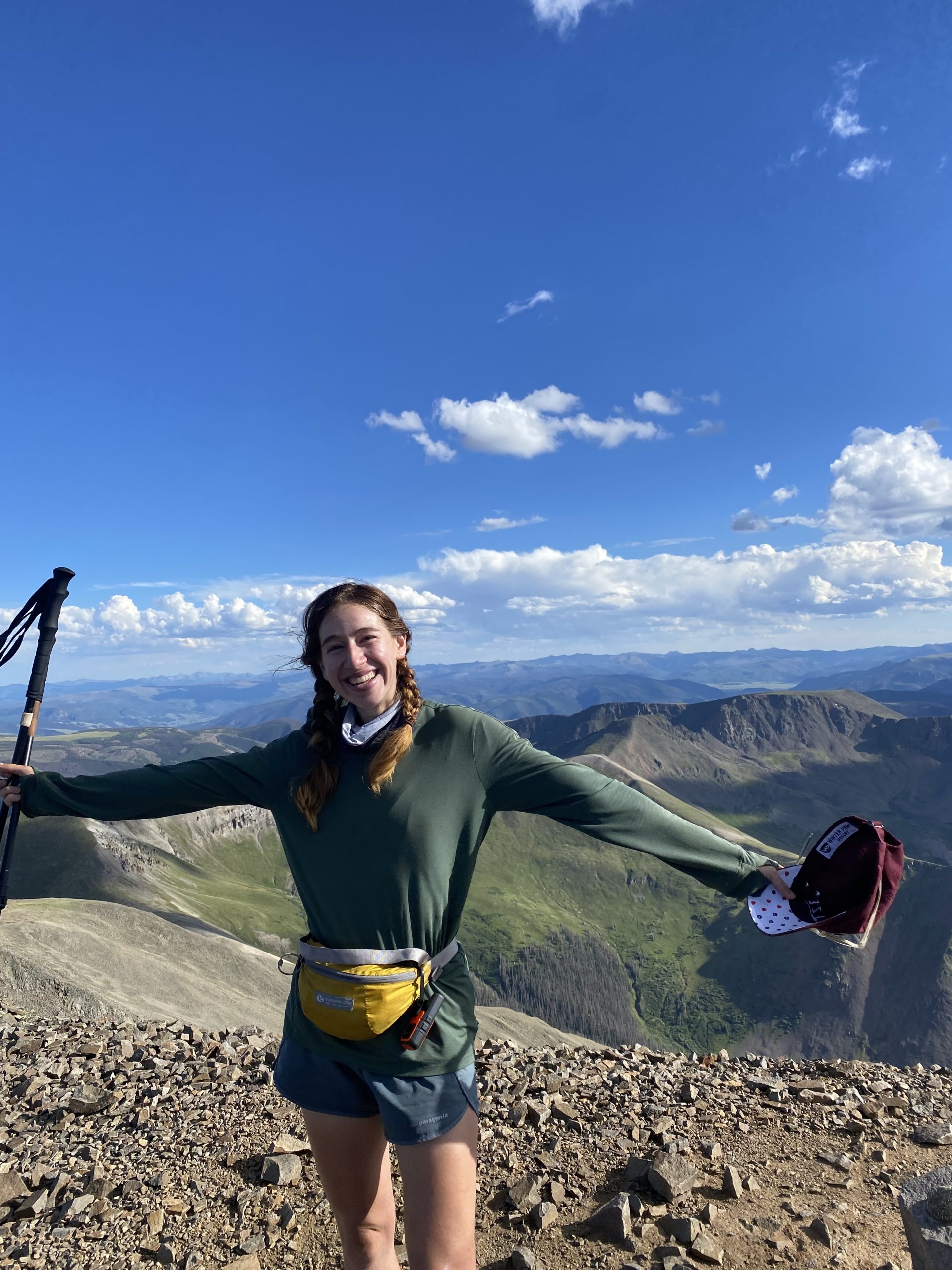
At the summit of San Luis Peak. Photo via @k80.trail
By shipping boxes, you’re forcing your Pre-Trail self to decide what your Week Four self wants to eat and where you want to resupply. Chances are, by the time you reach that town, the thought of another one of the protein bars you’ve been constantly eating for days will make you want to vomit. Buying as you go gives you the freedom to follow your cravings and prioritize packing out food you’ll actually get down without a battle.
If you’re setting out on a hike that you expect to change you as a person, you should also give yourself the grace to be a completely different person every 100 miles!
8. You Only Get One First Thru-Hike
This is the most important lesson of all. Since the CT, I’ve gone on to hike thousands more miles, and while I became more efficient and faster, I never again had that specific, wide-eyed wonder of the first time. I hate to say it, but eventually you do get a little used to consistent, wonderful views.
As a hiker, I am much more efficient now. My pack is lighter, I can pitch my tarp in a storm with my eyes closed, and I know exactly how many calories I need to get through a twenty-mile day without bonking or getting needlessly crabby. But, I would trade a lot of that efficiency to get back the terrifying excitement of not knowing if I was actually capable of making it to Durango.
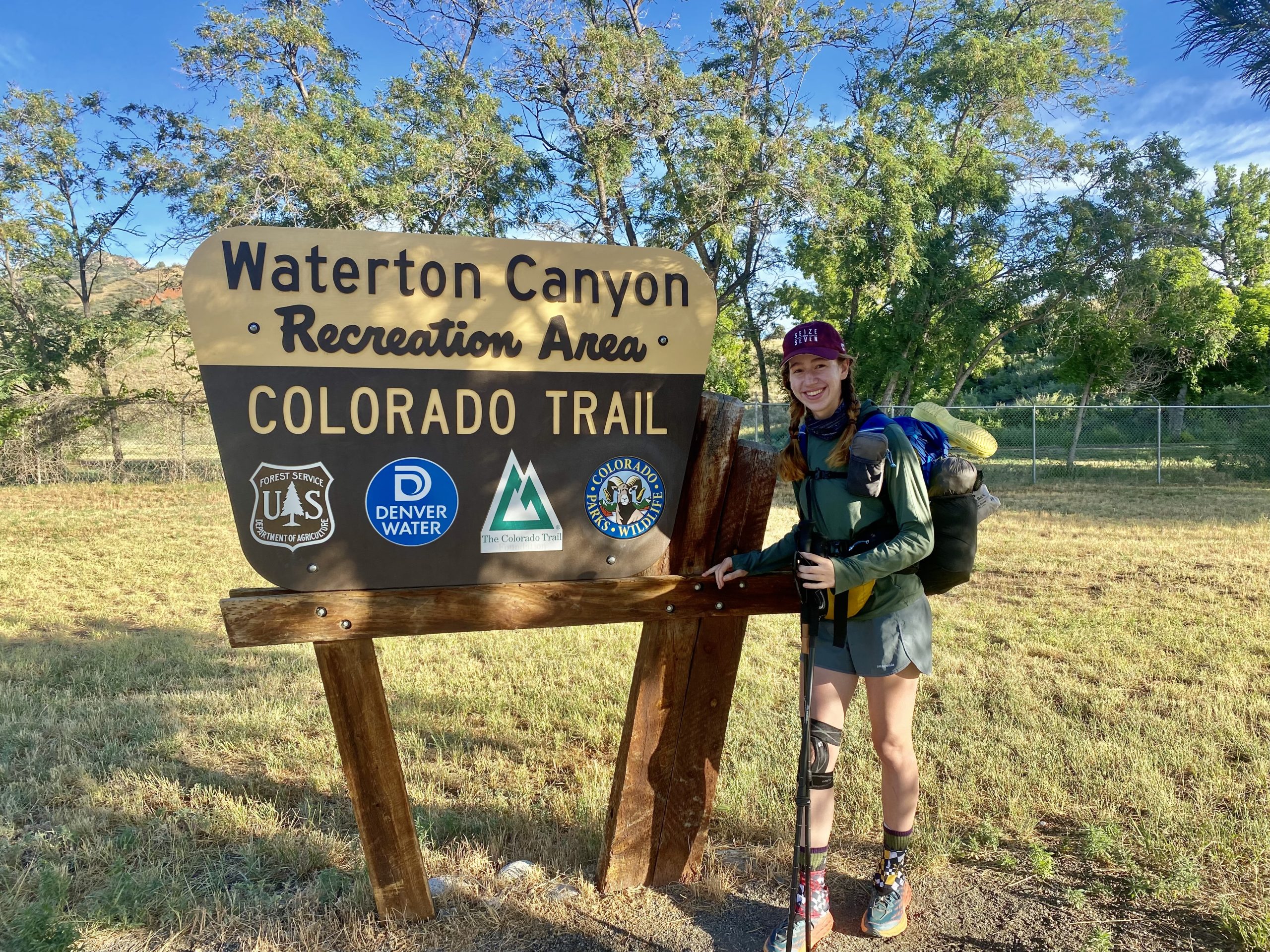
Look at the little baby!!! Photo via @k80.trail
Don’t be so focused on being or becoming an expert that you forget to be amazed. Embrace the confusion, the mistakes, and the wonder, because once the mystery is gone, you’ll spend the rest of your time hiking trying to find it again.
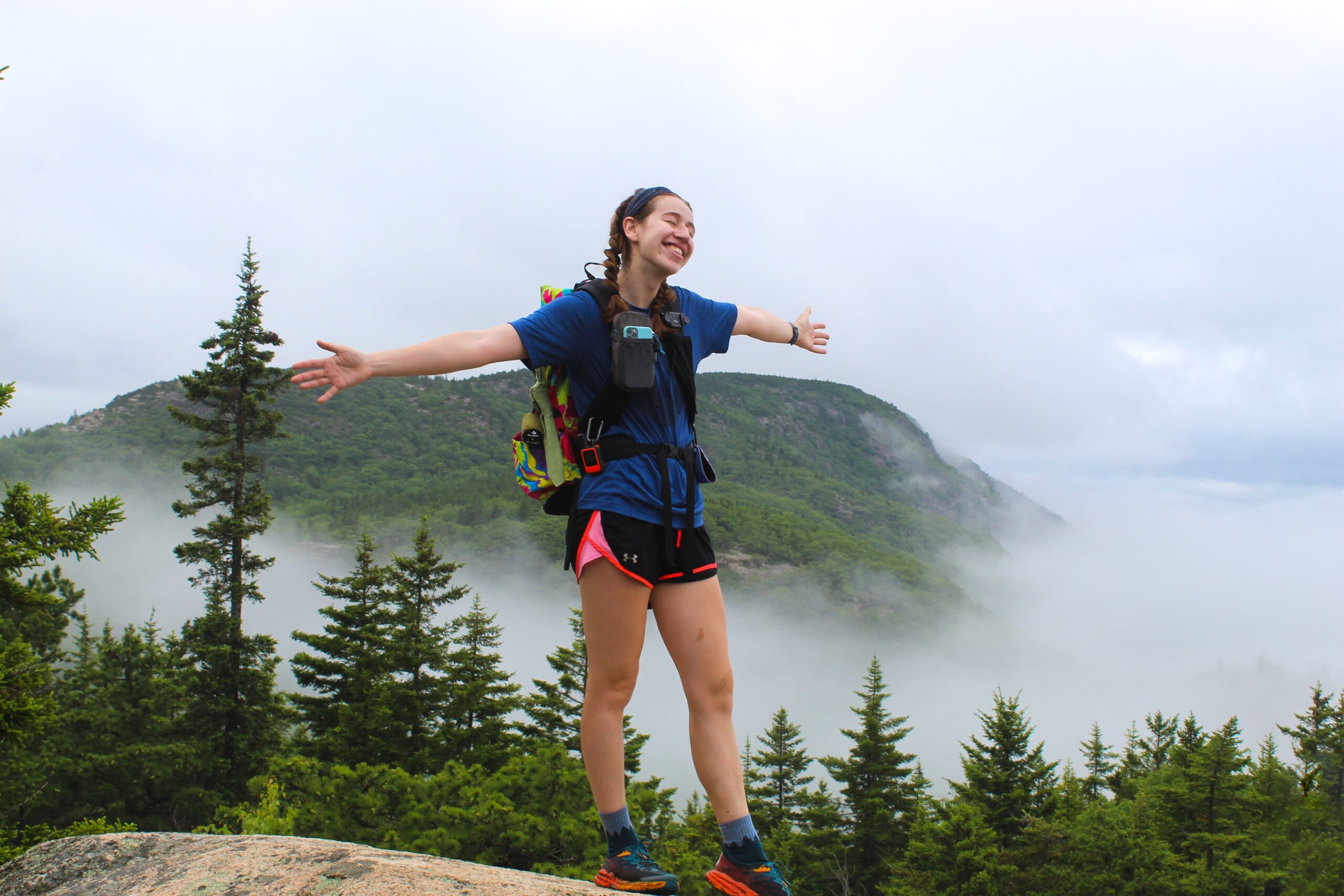
Featured image: Photo via @k80.trail. Graphic design by Zack Goldmann.

This website contains affiliate links, which means The Trek may receive a percentage of any product or service you purchase using the links in the articles or advertisements. The buyer pays the same price as they would otherwise, and your purchase helps to support The Trek's ongoing goal to serve you quality backpacking advice and information. Thanks for your support!
To learn more, please visit the About This Site page.

Comments 5
Very well written! All your TREK articles are informative and entertaining. Keep up the good work.
I just completed the AT in 2025 and am planning some CT hiking this year. Every new trail is exciting but your first long distance hike is special.
Katie, this sentence you wrote: “Don’t be so focused on being or becoming an expert that you forget to be amazed.” is merch-worthy. A t-shirt, a bandana, a sticker. A tattoo, even. Another great article. Thanks!
This was so lovely to read as I’m heading into my first thru hike! On the PCT but I feel like many of the lessons transfer
Great article! I’ve never backpacked before, but you make its seem much less daunting than I would have thought. Thanks for your insight, and so well written!
Really enjoyed this. Thank you for sharing your insight!!