
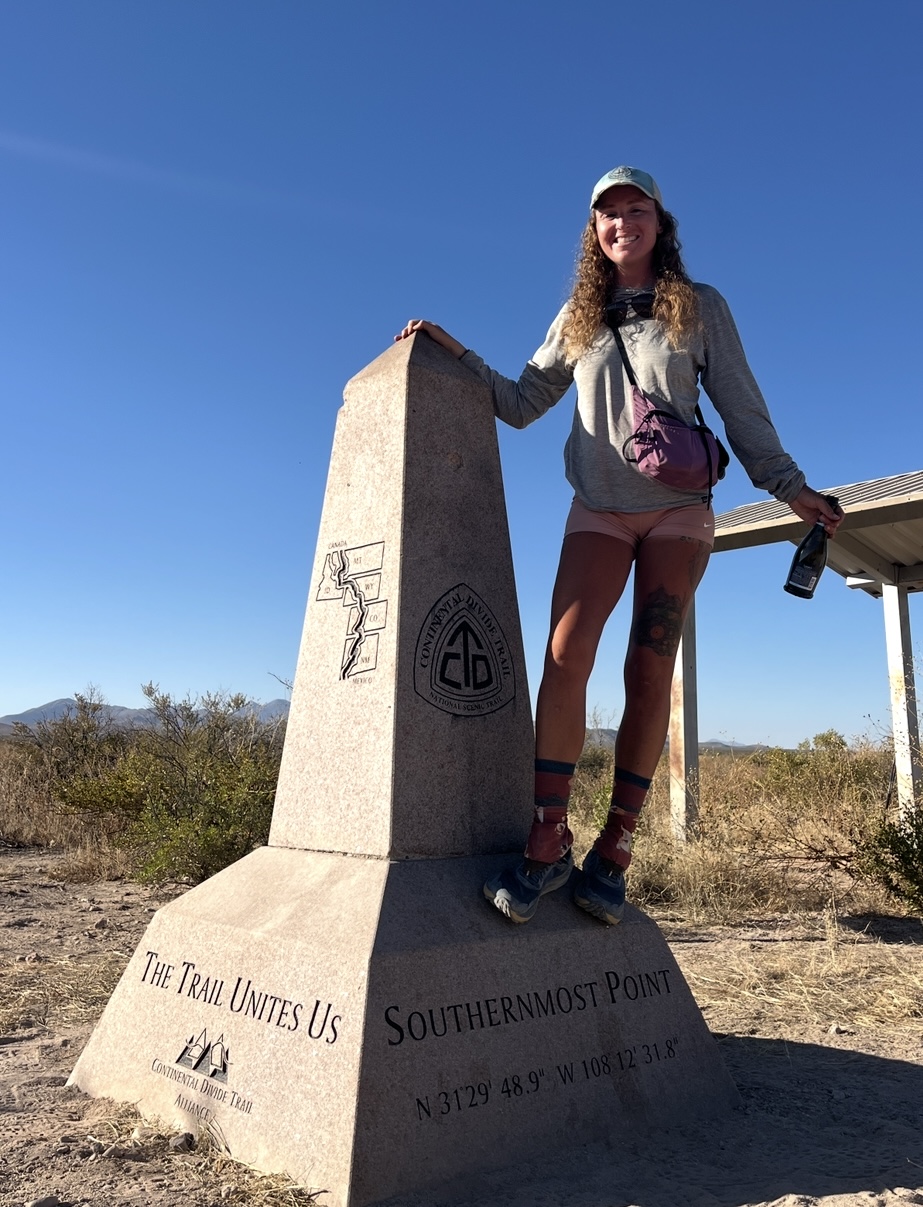
 ">


I Hiked 27.5 Miles Every Day for a Year: Here’s Everything I Did To Thru-Hike Faster
Hiking something like the Appalachian or Pacific Crest Trail is typically a once-in-a-lifetime journey and is truly something to enjoy and cherish. Many hikers will spend 5-6 months or more on trail, allowing themselves the time to go slow(er), enjoy the places along the way, spend time with friends, and go easy on their bodies.
Yet there will always be hikers looking to complete the trail faster than others. Some may wish to push their limits by hiking farther and faster, while others may be constrained by visa limitations, family obligations, or work. Still others might hope to save money by completing the trail in fewer days.
Whatever your reasons for needing to thru-hike faster, there are plenty of ways you can save time on trail. In 2025 I managed to average 27.5 miles of hiking per day for 365 days in a row. Over the course of the year, I learned a lot about strategies for time management and creating the illusion of comfort along the way. Today I would like to share with you my biggest tips for completing a thru-hike faster.
1. Don’t spend too much time in town.
If you are trying to thru-hike quickly and efficiently, it’s critical to minimize the amount of time that you spend resupplying in towns. Town time is fun, but too much of it can endanger a tight timetable.
I generally had two main strategies when I was resupplying, with the goal of being in and out of town as quickly as possible: one strategy for town visits where I planned to be in and out on the same day, and another for days when I planned to spend the night in town.
Strategy for Hiking in and out in One Day
On days where I knew that I wouldn’t be able to stay and instead would be doing an “in and out” resupply, my goal was always to get into town, grab what I needed, and get a hitch back to trail in record time. The more time I spent in town meant the more time I would spend hiking in the dark afterwards.
Hitchhiking makes this tricky since it’s impossible to predict how quickly you will get a ride. I found hitching to be effective enough 90% of the time, but if I knew I would reach the road after dark or that it was a particularly quiet road, I would coordinate rides with shuttle drivers ahead of time to ensure I would get to town as efficiently as possible.
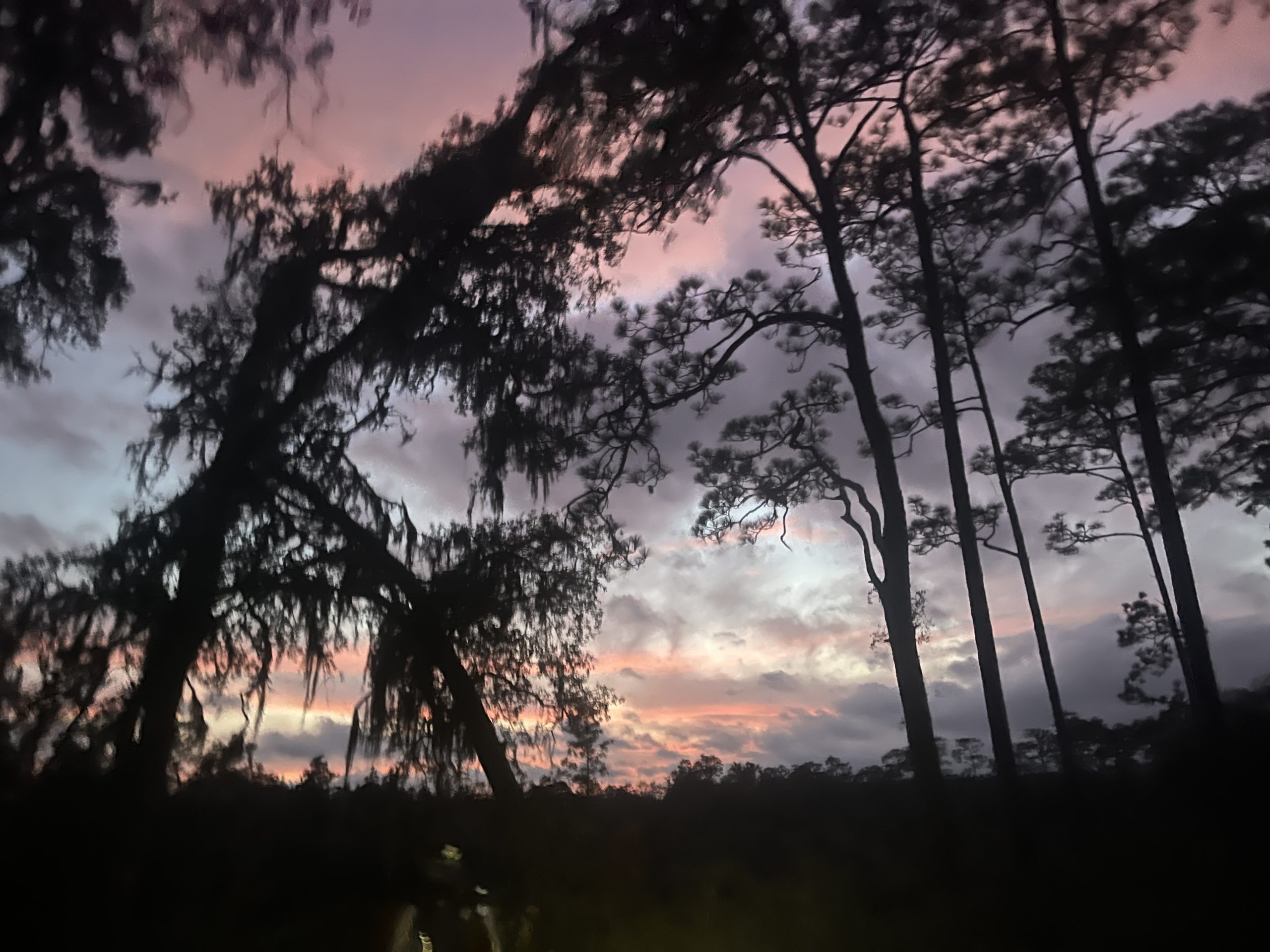
Spending less time in town means enjoying more beautiful sunrises and sunsets out on the trail.
Preparedness is one of the keys to an efficient town visit. Beyond anticipating whether I’m likely to need a shuttle, before getting to town I always try to mentally run through all the tasks I need to complete in town and where the different shops are located. I usually spend some time while hiking to the trailhead gaming all this out. This helps me move more efficiently when I finally do get into town.
I recall one particular resupply in the town of Lincoln, MT that I was quite proud of. I had to hike around 20-25 miles in the morning to get to the road, and still planned to do another 10 or so miles after leaving town.
I got a quick hitch to Lincoln and went straight to a coffee shop for a frappe. Then I walked around the grocery store while drinking it to get some calories down while I shopped. After resupplying, I went to a restaurant and was able to repackage my groceries at the table and get my pack situated while waiting for my food. Then Icharged my devices while I ate and even did some uploading for social media. After finishing, I grabbed another few things at a nearby gas station and hitched back to trail from there.
Doing a little bit of mental preparation for that town stop definitely helped it to run smoothly.
Strategy for Spending the Night in Town
Stopping into towns is time-consuming no matter how you swing it. Which is why I utilize my second resupply strategy whenever possible: hiking big miles and ending the day in a town.
I love this strategy for a couple different reasons. First, it’s very time efficient to charge electronics passively while you sleep (this process can take 6-10 hours depending on how much you need to charge).
Second, ending a big mile day in town creates the perfect illusion of rest and comfort. Even if I hiked 40 miles for the day, it is going to feel like a treat to end the night in town. Pushing big miles to stay on a tight schedule is taxing: sleeping in a bed for one night can go a long way toward recharging your own mental and physical batteries as well.
2. Wake up early & hike into the night.
A lot of people think that the key to hiking big miles is by hiking fast, when in reality the most critical thing is simply putting in more hours each day. You do not have to have incredibly long legs and average 4 MPH to thru-hike fast. If you’re willing to get up early in the mornings and hike into the dark each night, you’ll have enough time to get the miles in (even if you hike “slow”) while still getting some sleep.
If you are sleeping in every day and wondering why you aren’t able to hit your desired quota for daily mileage, you might want to consider making a change to your hiking schedule.
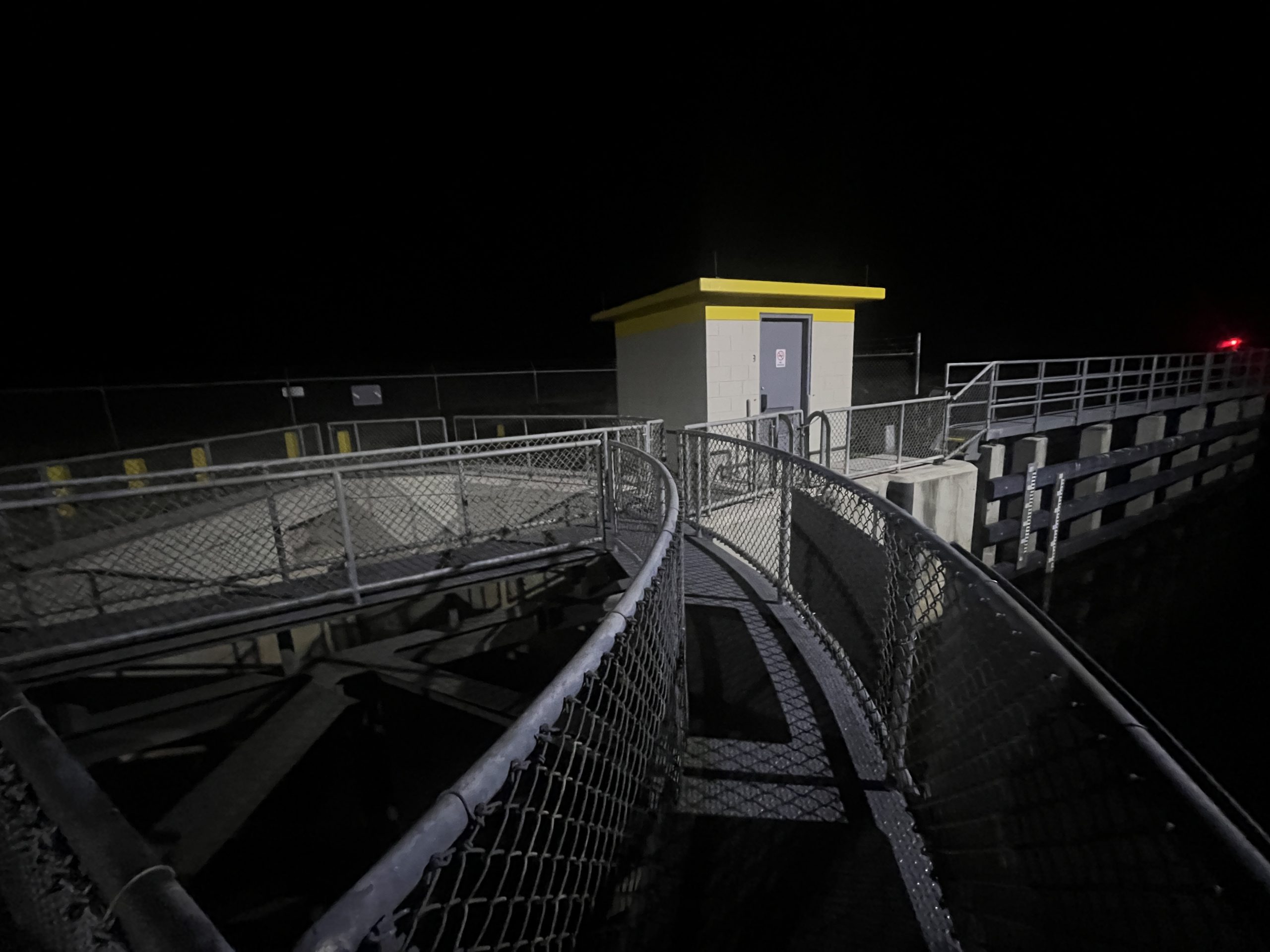
Crossing a Locke in the dark on the Florida Trail.
3. Actually do the mileage math.
I think the greatest obstacle that many hikers face in their quest for speed is that they never actually do the math. If you are trying to complete a hike by a certain date or within a particular weather window, you actually need to calculate your necessary daily mileage.
That way you know if your timeline is realistic, and if so, you can try to stick to some sort of plan. Keeping track of your actual progress on the ground compared to your target schedule will help you determine whether you need to speed up or can afford to slow down and take an extra day or two off.
The problem I see with a lot of the hikers attempting hikes which require averaging 25-30 miles a day is that they do the math once or twice and then never do it again. Staying on track requires checking in every now and then to see if you are still on track. It’s as simple as calculating how many days you have left for your schedule and how many remaining miles you have left.
I tried to calculate my mileage math every 2-3 weeks depending on where I was and how things were going. If I knew I was meeting my daily quota or exceeding it, then I didn’t need to worry too much about my math. But in sections of trail which were more difficult and slowed me down, it was important to evaluate what that actually meant.
It’s easy to say that the miles will sort themselves out and you will catch up “some day.” I’ve heard this time and time again from hikers with massive goals. However, the miles will not actually sort themselves out. You have to sort them out yourself. If you take a couple days off and the mileage math shifts to a point where you need to add on a handful more miles per day to get back on track, that is definitely going to matter in the long run.

My two favorite times of the day are right when the sun starts to come up in the morning, and just before the sun goes down at night. It’s a privilege to spend those hours of the day awake in nature. Hiking bigger daily mileage means you get to enjoy that every single day.
4. Reduce time spent breaking throughout the day.
With a goal of hiking big daily mileage, you need to take breaks as infrequently as possible. Of course you will need to stop sometimes to get water, to use the bathroom, and to grab food and snacks, but keeping these breaks to a minimum will save you time.
Depending on the weather and the terrain, you might sometimes have no choice but to stop off for breaks. There are certainly sections of some trails that don’t allow for multitasking of any kind. But, when possible, it is a great time-saving strategy to do as much as you can while you are on the move.
Every little thing you stop to do can become a full-length break if you allow it to. And over the course of the day, you have to stop off and do a lot of things. In the morning you get packed up and begin walking. Shortly after you might have to stop to shed layers. A little while after that you might have to pull out some breakfast. Maybe not much longer after that you need to stop and get water.
This cycle is going to continue over the course of the entire day; if you take a 15-minute break every time, your schedule will quickly get out of hand. But if you take charge of those breaks and are a little bit more methodical about them, you can stop each one from turning into a full length stop.
When you are shopping at the grocery store, try to pick foods that are quick and easy to eat on the go. If you’re trying to complete a thru-hike faster, you don’t want to be spending time boiling water to cook hot meals throughout the day.
When packing up in the morning, I would always try to leave a full day’s worth of food and snacks in the outside pocket of my backpack so that I would only need quick stops to grab what I needed without rummaging. If I never had to open my backpack once over the course of the entire day, I knew I was doing pretty good.
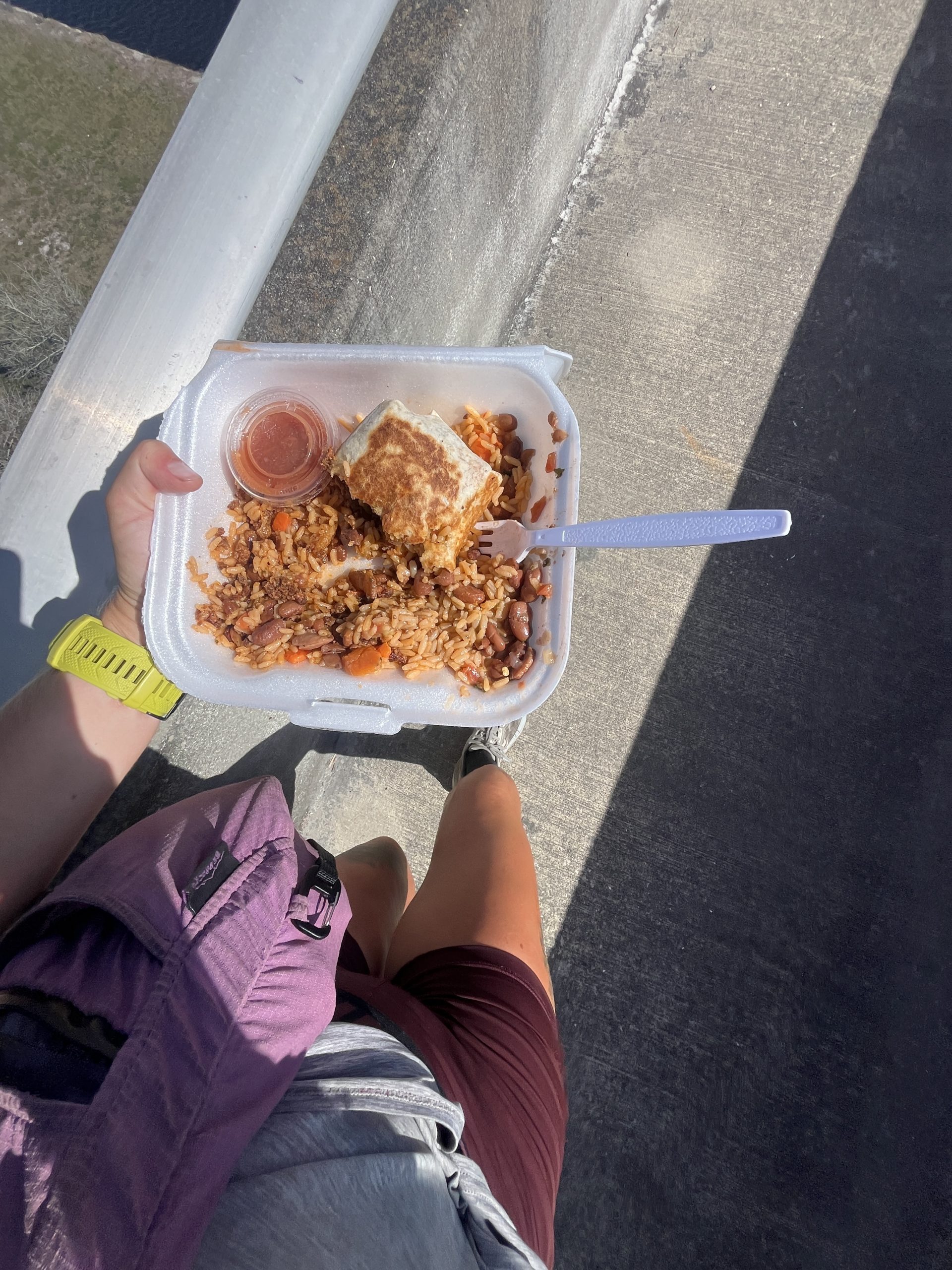
One of the nice things about road walking on the Florida Trail is the way it enables you to multitask. It was common to pick up food and continue to hike while eating.
5. Think ahead and get creative.
Prior to 2025 I had never attempted to complete a thru-hike particularly quickly before. Most of the hiking that I had done before was right around average pace. I had done big mile days, but nothing too crazy.
What I really came to enjoy though about being on a strict timetable and trying to average a marathon every day in 2025 was the way it rewired my thinking.
Time became a precious commodity, and I spent a lot of time thinking about how I could make the most of it. When you start thinking like that, you inevitably come up with some ideas that had never crossed your mind before.
I was always trying to save time by coordinating rides beforehand with hostels or motels or various shuttle services. If I knew that a town was spread out and it was going to be difficult for me to do my grocery shopping, I would check my options for buses, taxis, or grocery delivery. There were multiple times last year where I had Walmart delivered to the hotel I was staying at, which was absolutely genius and often saved me at least an hour.
When time is your most precious commodity, it is great to be able to save it whenever possible. Even something as simple as calling in a food order beforehand to be picked up instead of waiting for it in person, or taking it to be enjoyed in a motel room rather than going out to eat, are great strategies to save time.
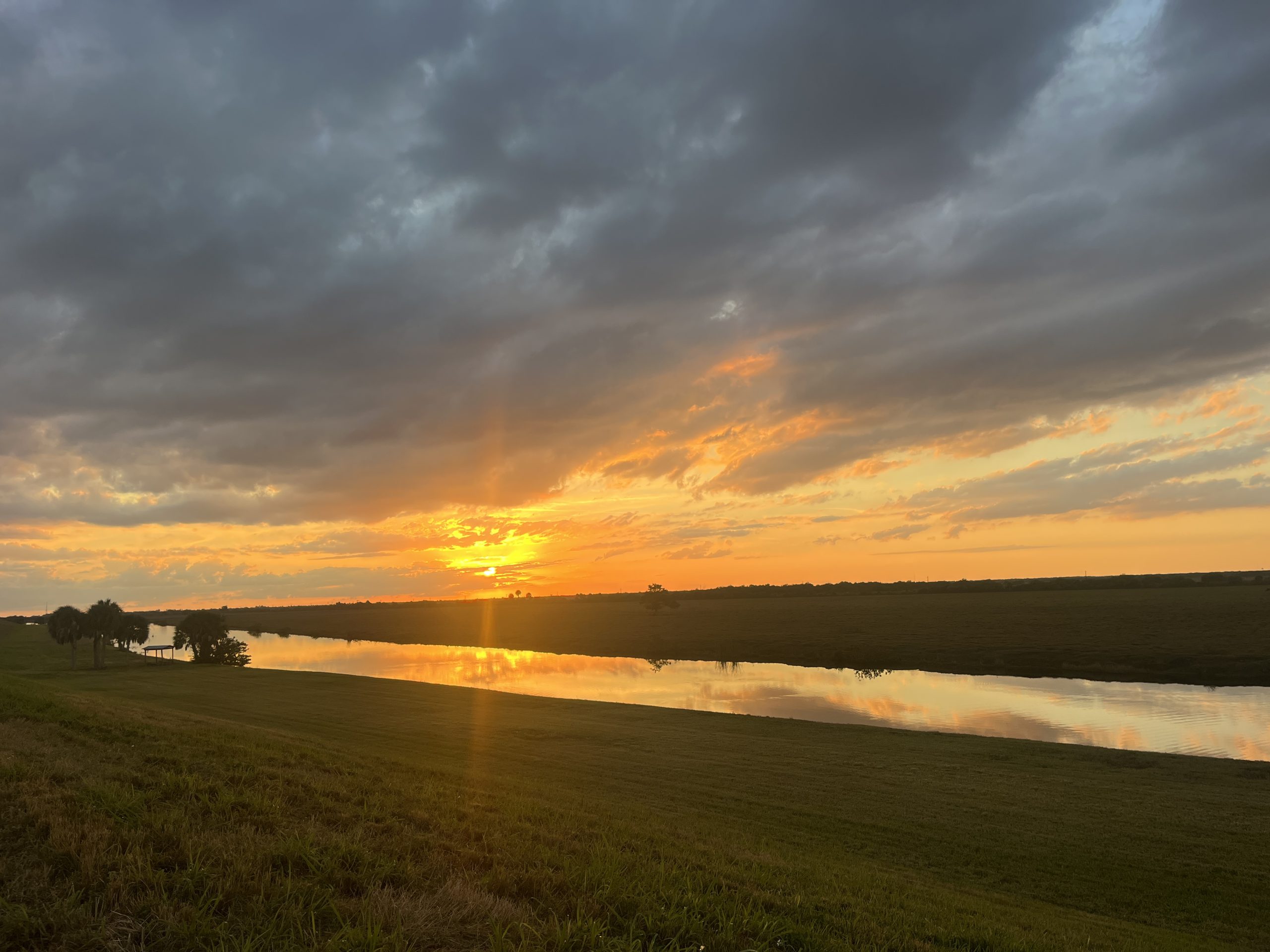
On this particular day along the Florida Trail I walked into the dark but managed to line up finishing the day in a small town. That meant a late night of hiking, but the promise of a comfortable bed and some real food. Not having to set up a tent and sleeping pad also does save some time in the evenings, which gives you just a little bit more time to rest at night and in the morning.
Every now and then when a town had really great grocery options and resupplying options, I might even package myself up an extra box of groceries and send it to myself up trail — especially if I knew one of the next towns had a grocery store which was going to be pretty scarce. This is a great time-saving strategy, although it can become risky to send yourself too many resupply boxes on trail. The more you do them, the more likely it is that your food choices will get boring. I love to specifically only package up boxes when I get to a town that has a grocery store with some very exciting options that I would like to take advantage of.
There are many reason why you might not want to complete a thru-hike faster than average. But if you need or want to hike fast, these strategies will help you to maximize your mileage, eliminate wasted time idling and waiting around, and hopefully allow you to cherish the restful time that you do have.
Saving time on trail and becoming methodical about your planning will become easier with time. It can be fun to treat time management as the skill that it truly is, and you can only do so by practicing and working at it to perfect your craft.
Featured image: Photo via Peg Leg. Graphic design by Mackenzie Fischer.

This website contains affiliate links, which means The Trek may receive a percentage of any product or service you purchase using the links in the articles or advertisements. The buyer pays the same price as they would otherwise, and your purchase helps to support The Trek's ongoing goal to serve you quality backpacking advice and information. Thanks for your support!
To learn more, please visit the About This Site page.
Comments 4
Keep on keeping on Peg Leg !!! Good info for thru hikers.
I would think minor injuries and blisters would be the biggest impediment
Greetings, Peg Leg! Great “tips and tricks” for saving time while hiking. I especially liked, “… always try to leave a full day’s worth of food and snacks in the outside pocket of my backpack so that I would only need quick stops to grab what I needed without rummaging. If I never had to open my backpack once over the course of the entire day, I knew I was doing pretty good.” I have followed numerous hikers and many of them had snacks, but no meals on the outside of the pack. I’ll definitely keep that in mind next year. Hope life is treating you well. Though not on the trail, (I don’t think you are), “Keep Trekking”! Stay well.
Thanks for the tips. Planning is super important, and here you provide lots of good insights. I found some gear choices matter too. On my last trip I chose a battery pack and charger combo that recharged super fast. It was helpful for getting out of town. It was a small weight penalty, and it required diving into detail to support my preferences. I made a broad search, and the product that best suited me wasn’t a hiking focused brand. I carried a couple ounces more for a 20,000 mah batter that recharged 2 hours faster than others.