
 ">


I Swapped My $600 Ultralight Tent for a 5.5 oz Tarp
I wanted to try thru-hiking without a traditional tent primarily to carry less weight on my back. An autumn thru-hike of the Long Trail provided the perfect testing ground for this swap, and as my start date drew nearer, I grew increasingly more excited for the chance to lower my pack weight while trying something fresh and new with my camp routine.
Prior to this hike, I’d heavily used the Durston X-Mid Pro 1 on my thru-hikes. In switching to the Hexamid Pocket Tarp by Zpacks, I shaved 11.6 ounces from my shelter setup, with most of that weight savings coming from the elimination of the bug net and floor found in a traditional tent.

Throughout my time on the Long Trail and in the many nights in the backcountry since, I’ve learned loads about the trade-offs that come when choosing a tarp over a tent. Understanding the differences between the two — and how those differences will shape your experience at camp — is incredibly important.
So which is better, a tent or a tarp? There is no single right answer; you must decide for yourself if the downsides are worth the benefits.
Tarps vs. Tents for Ultralight Backpacking
Some tents use external poles to keep their shape, while others use trekking poles and tension from staked out corners. Double-wall tents have a bug net and a separate rain fly, while single-wall configurations use only one layer of waterproof fabric for most of the body of the shelter. However, (almost) every tent creates an enclosed bubble around you, the hiker, by integrating a waterproof exterior, bug netting, and an attached floor.
Tarps, on the other hand, ditch the floor and bug netting. This cuts the weight you have to carry but leaves you far more exposed to the elements. With only the waterproof fabric over your head, things like bugs and puddles become a much bigger camping hazard. Tarps also can take a bit more of a learning curve to set up correctly, though the Hexamid Pocket Tarp I used pitched like an ultralight, non-freestanding tent, so I didn’t need to learn any new skills there.

The tarp is a pretty simple shelter; there are no storage pockets or lines for hanging gear. The trade-off is a large reduction in weight and packed size. Photo via Katie Jackson
Choosing a Tent for the Continental Divide Trail
When I needed to choose a shelter for my thru-hike of the CDT, I never even stopped to consider a tarp, although I do actually think it’s a trail that would be pretty manageable with a tarp setup.
As someone who had only ever camped with a tent, I didn’t want to risk something new when contending with high-altitude exposure, strong winds, below-freezing temperatures, and monsoon season in the Rocky Mountains. I wanted all the benefits you get from a tent: reliable pitching, protection from insects, a barrier from blowing dust and grit, splashback prevention during strong storms, and my own personal space I could go to when I needed some privacy.
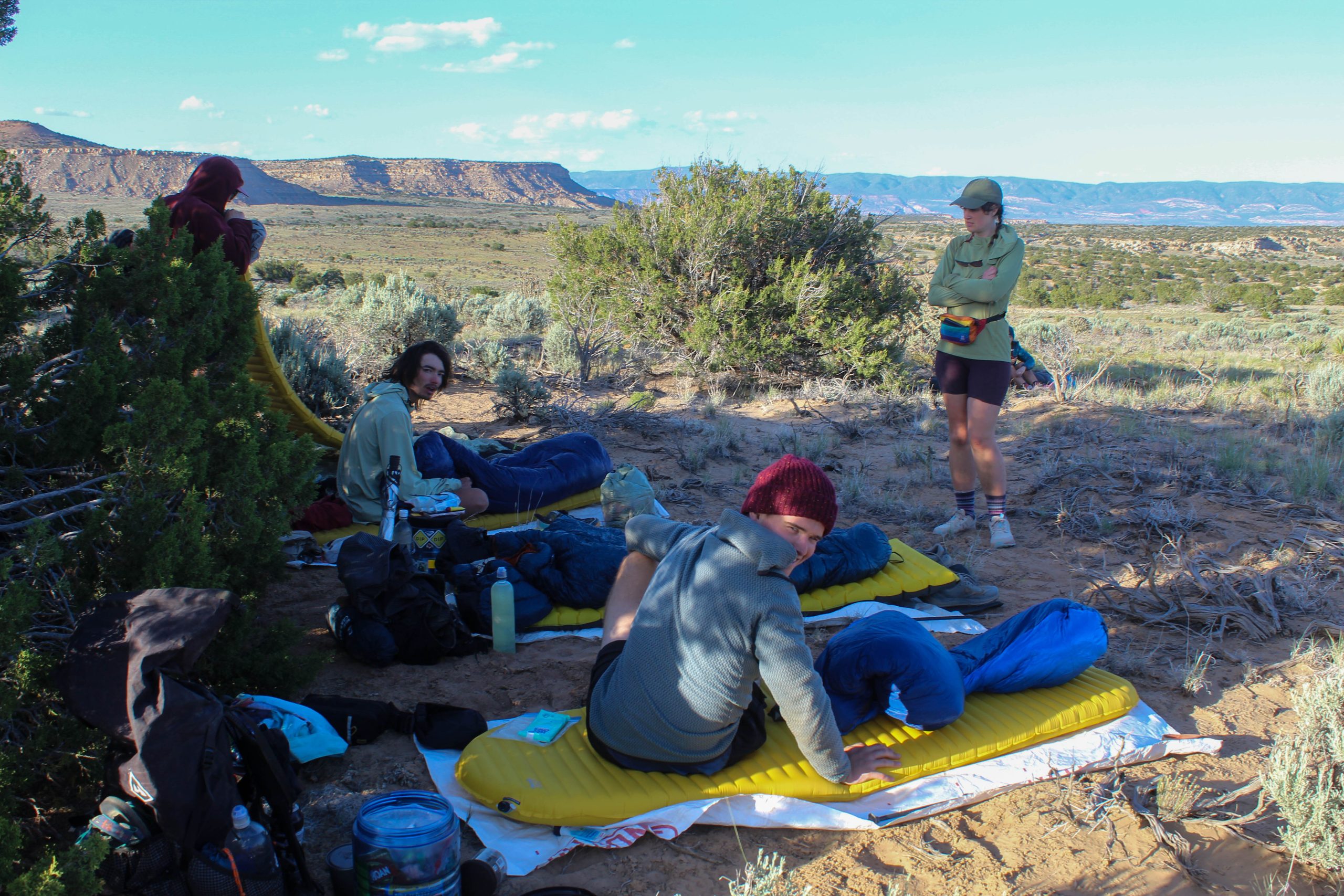
Most nights, when the weather looked clear, I would choose to cowboy camp alongside my tramily. Photo via Katie Jackson
I loved my tent on that trail. While I tried to cowboy camp more than not, I appreciated having a more robust shelter when the Rockies threw some truly heinous weather my way. Personally, the additional weight and bulk in my pack was worth it for the weather protection alone, though I wonder how I would have felt with a tarp.
Carrying a Tarp on a Thru-Hike
The Long Trail — especially in the fall — does not pose the same challenges as the CDT. For almost the entire trail, you’re in the woods, sheltered by a tree canopy, and rarely more than 10 miles away from a wooden shelter. My hope for this trail was to set up my own shelter zero times and instead rely on cowboy camping and the shelters already in place on the trail.
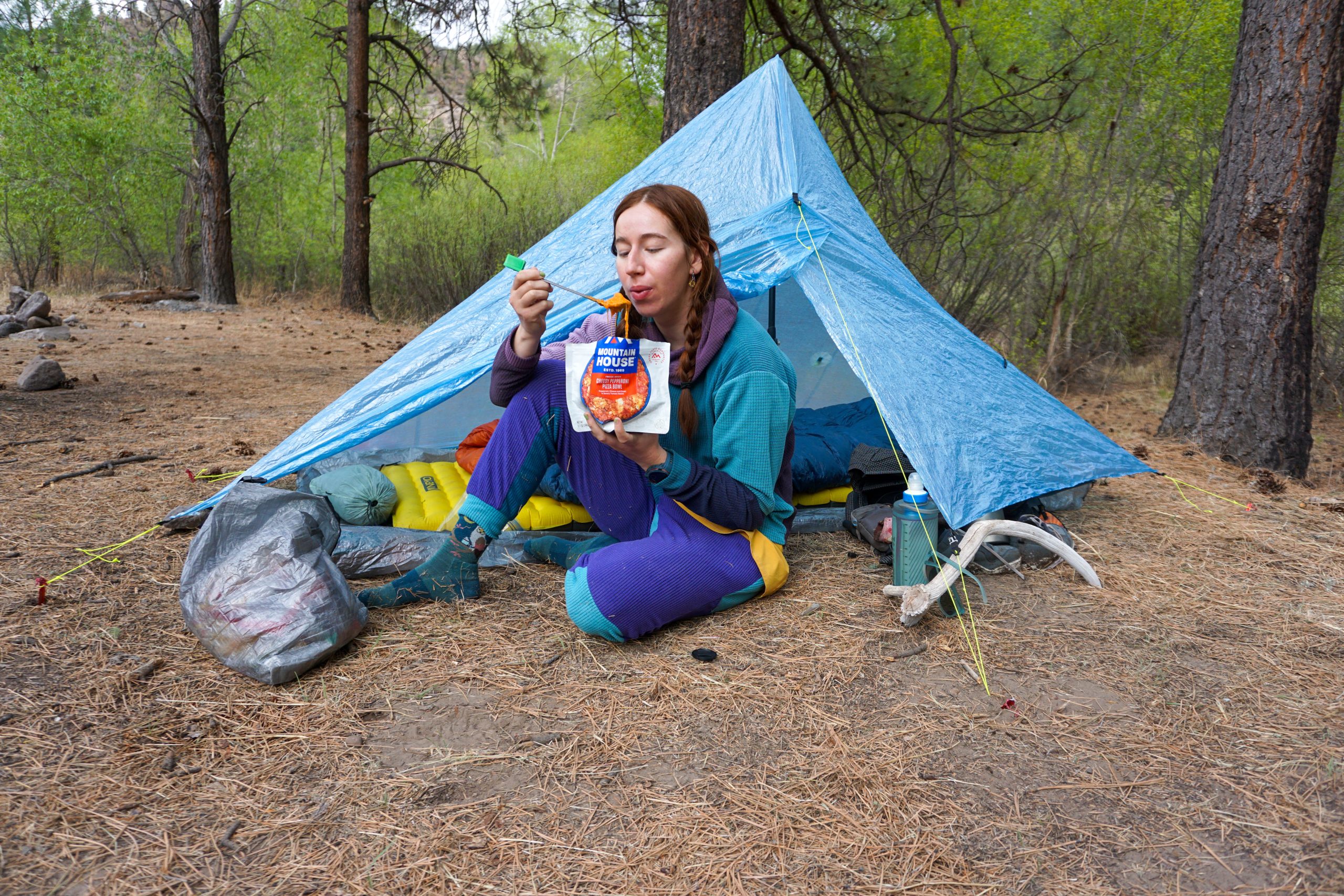
When I’m worried about popping my sleeping pad, I lay down my poncho to use as a groundsheet. Photo via Katie Jackson
While my Durston tent is objectively a light option, I didn’t love the idea of carrying over a pound of shelter as a backup option that I hoped to never use on the trail. So I reached for a tarp instead, fully knowing that I may have signed myself up for a miserable experience if the trail proved to be rainier or buggier than I’d been expecting. Luckily, I didn’t regret my decision a single time.
Of my 13 nights on trail, I cowboy camped twice, slept in an on-trail shelter ten times, and set up the tarp zero times. Even without sleeping in it, I reaped the primary benefits of bringing a tarp: weight and volume savings. Sure, I saved almost 12 ounces, but the real win came from the reduced volume of the shelter. Compared to the X-Mid’s packed size of around 3.5L, the tarp took up just 0.7L in my pack.

My tarp packs down into such a tiny little stuff sack. Photo via Katie Jackson
All this extra space gave me a little more room for food and snacks while still carrying a small pack. Each morning, when I’d pack up my pack, I got a little bit of satisfaction with how little room my shelter took up. Even now, after hundreds of miles of actually sleeping in and using the tarp, I still think the volume saving is my favorite benefit when choosing a tarp over a tent.
Following the Long Trail, where I—admittedly—didn’t even use the tarp, I took the tarp on a handful of new backpacking trips to actually sleep in it and decide if the swap would be permanent for me moving forward.
Risks of Tarp Camping
In the nights following the Long Trail, I’ve experienced the best and worst parts of sleeping in a tarp.
Outside the things we’ve already covered (lack of bug protection and privacy), tarps do come with some pretty serious considerations. While the bug netting on a tent may not look very protective, I was surprised by how much wind protection I lost when switching to a shelter without that netting. On particularly cold or windy nights, I notice way more wind coming into my shelter than with a traditional tent.
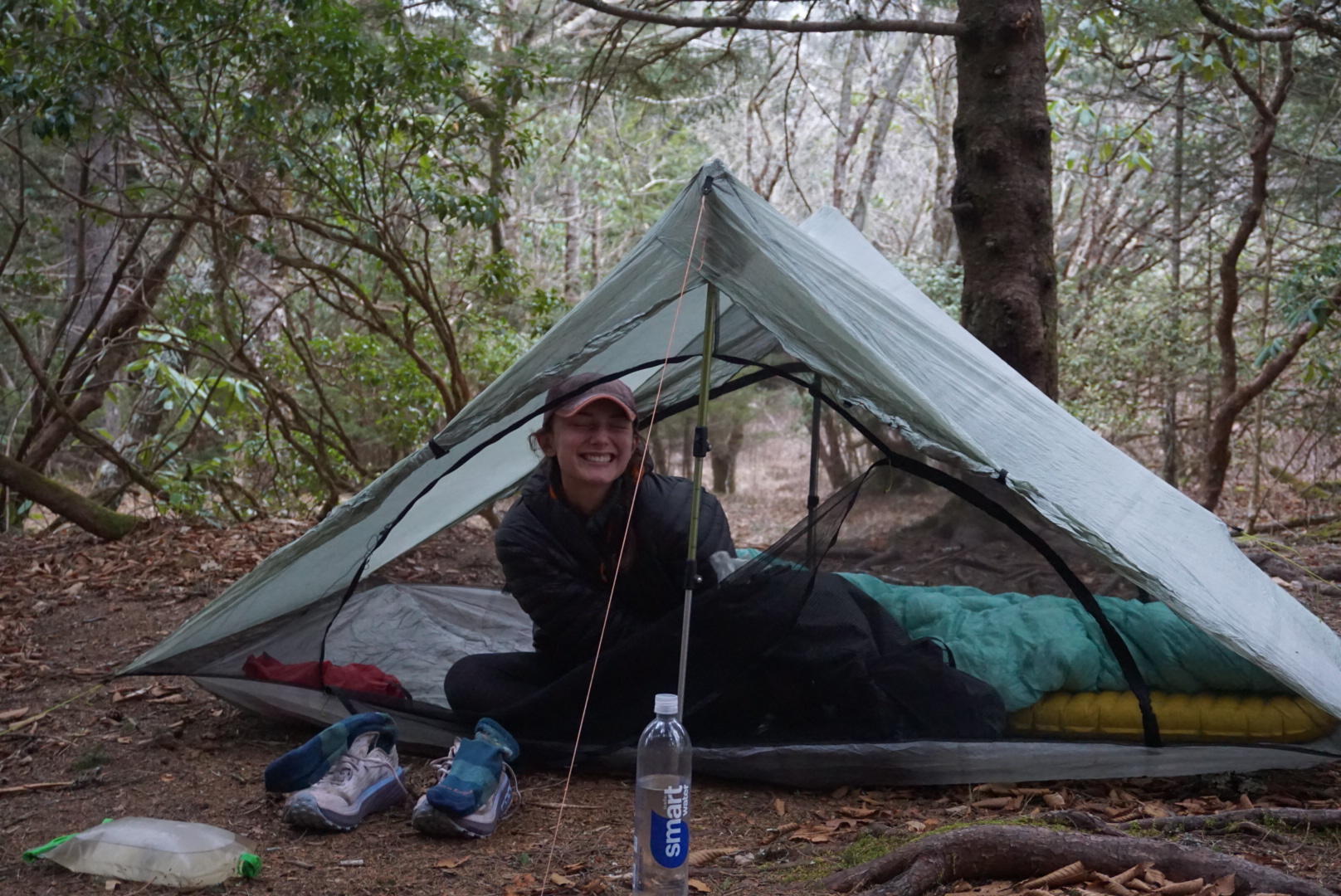
When temperatures dip below freezing, every extra degree of heat a tent keeps inside is welcomed. Photo via Katie Jackson
Not only can this lower the temperature inside my shelter significantly, but it also has left me covered in sand and grit by morning if I’m camping in a particularly dusty spot. Good site selection will help to mitigate this, as well as pitching the tarp such that the open wall doesn’t face into the wind. However, I have come to expect slightly less warmth and slightly more grime when using a tarp.
Additionally, taking out the floor leaves you a bit more susceptible to rain and wetness. Drops of water hitting compact soil bounce back higher than one may predict; without a raised floor, more of that water is likely to land on your face and gear. And, without any fabric below you, still water in the ground is more likely to soak into all of your stuff. Once again, site selection is key to preventing a wet wake-up.
Benefits of Tarp Camping
The trade-offs sound intimidating, and I won’t pretend that a tarp is the most comfortable option. However, there are some pretty great benefits outside of just the weight and volume savings.
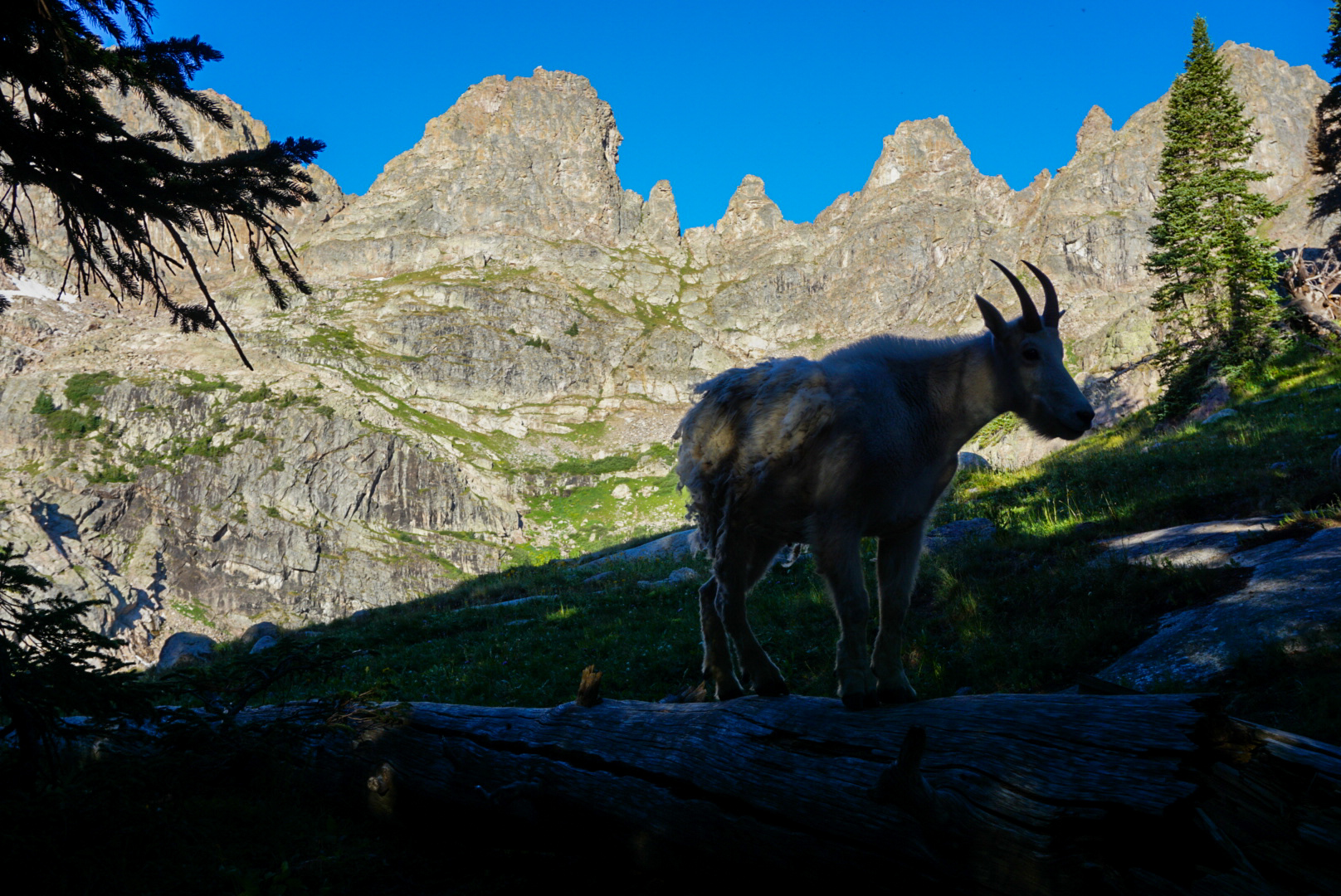
The early morning view I had from a tarp, with no fabric or netting blocking my view. Photo via Katie Jackson
A common complaint with tents is the condensation buildup on the interior wall. A tarp, which allows for much more airflow, dramatically reduces the moisture inside the shelter. This makes packing up on a cold morning a lot more pleasant: my hands don’t get as wet stuffing my tarp into a stuff sack as they do with my tent. Since DCF is a fabric with virtually zero moisture absorption, it dries completely in the sun in just a few minutes following a rainy night.
I also love the openness of the tarp, especially as a fan of cowboy camping. With one door rolled open, I can feel protected from any overnight weather while still being able to open my eyes and see all the stars. A few weeks ago, I opened my eyes at night to see a mountain lion just a few feet from me under the light of the full moon. It was making no noise, and I certainly would have missed out on that experience if enclosed in a tent. (Let’s also all agree to pretend that I handled the experience calmly and acted really cool about the whole thing).
Finally, having fewer parts in a shelter means there are fewer things to break. On my tarp, there are no zippers or bug netting to tear, no floors to rip, and it only requires one pole to set up. I always carry a patch with me in case the waterproof fabric rips, but other than that, I have complete faith in my shelter’s ability to do its job.

This tarp doesn’t use a zipper on the door. Instead, the doors clip to this part of the guy line, giving you the vestibule space without introducing the weight of a zipper. Photo via Katie Jackson
Considerations Before Making the Switch From a Tent to a Tarp
So, will I always reach for a tarp over a tent? Certainly not.
Deciding which type of shelter to use involves being realistic about your specific trip, plans, and personal comfort. If I’m headed out to an extremely wet, busy, or buggy trail, I’d rather just carry a full tent. Your threshold for each of those factors may be completely different from mine, but it’s important to expect cooler nights and more bug exposure if you’re planning to make the switch.
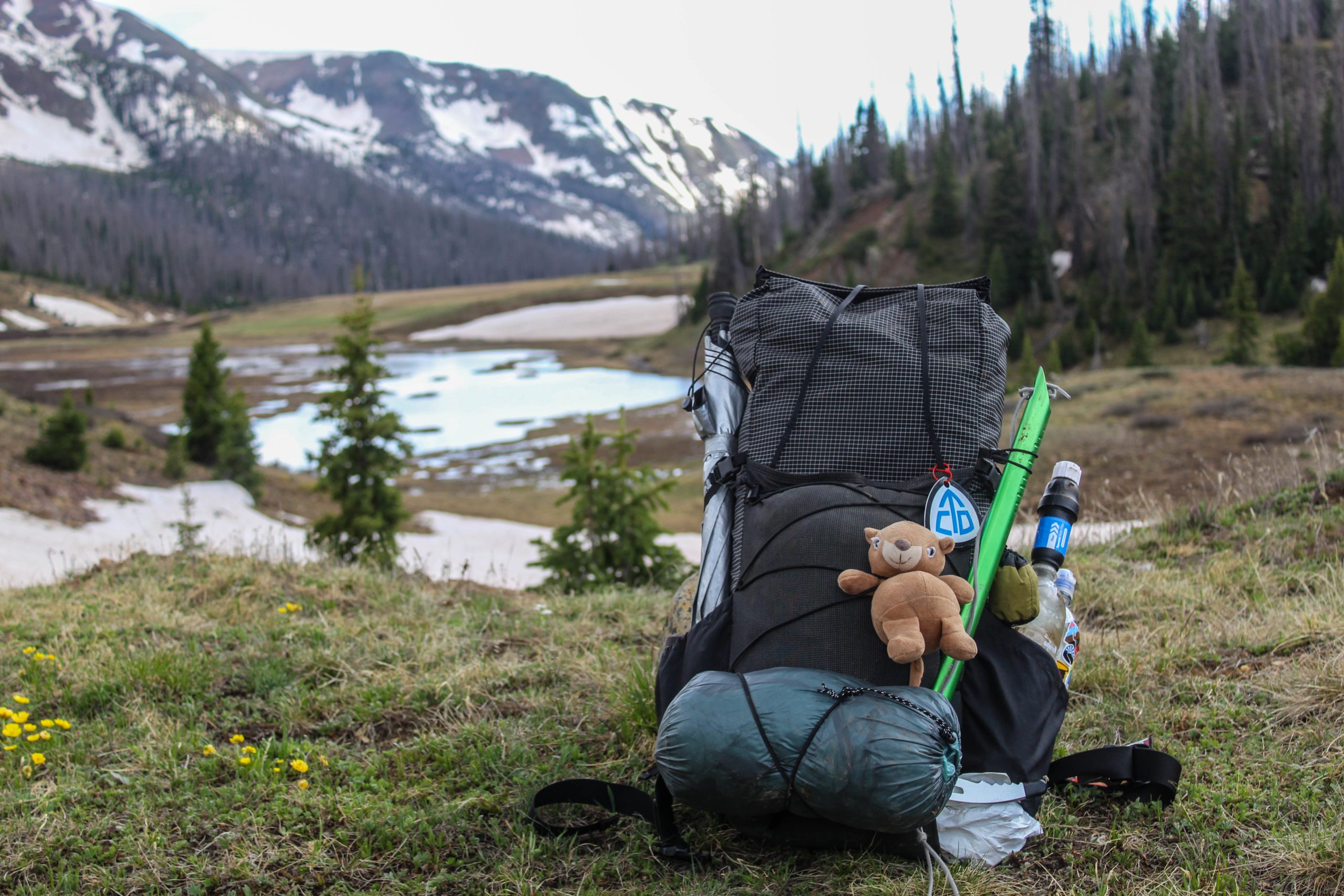
On the CDT, at the start of an 8-day food carry. Having a reduced shelter volume would have been quite nice for this stretch. Photo via Katie Jackson
If you are hoping to try out a tarp, I do think a hex tarp like the Hexamid Pocket Tarp is a great beginner option. Since it pitches just like a tent, you eliminate the learning curve associated with flat tarp.
As always, the best gear will be the gear that gets you outside and keeps you comfortable!
Featured image: Photo via Katie Jackson. Graphic design by Mackenzie Fischer.

This website contains affiliate links, which means The Trek may receive a percentage of any product or service you purchase using the links in the articles or advertisements. The buyer pays the same price as they would otherwise, and your purchase helps to support The Trek's ongoing goal to serve you quality backpacking advice and information. Thanks for your support!
To learn more, please visit the About This Site page.

Comments 7
I love camping and hiking with a tarp. For me, it’s the redneck version: A cheap box store blue tarp. Large and spacious. Not ultralight, but less than tents. It took a bit to learn how to set it up with hiking poles and a mostly open front. Been through many snow stormd and rainstorms and with my kids.
Its just a $20 tarp, so you can build a fire right there and be dry and toasty cooking under the tarp in a rainstorm. If it catches an ember and burns a hole, who cares.
I even made it comfortably through a couple of approx.-10 nights, by stocking firewood and keeping it burning through the night.
I wish I could upload a pic. The edges are staked and rocks or heavy wood are piled on the tarp on the edges. The poles are set roughly 1′ from the front edge so the roof comes back down a bit, but is open. The front has a fold and is secured snuggly with cord/rope putting tension on the entire tarp tent.
Except for bugs, I love the tarp, even in inclement weather.
I love that! I would like to learn more about how to pitch a tarp that isn’t cut in the way of a tent. I think that takes a lot of skill to learn, and is valuable. Your setup sounds rad!
I have the zpacks that is just like your tarp but with a tub and screen. Saving a few ounces is not worth it to me. I like keeping the bugs and rain out.
Cut and dry.. (no pun lol) Tarps/ hammocks in dry climates, tents in weather. I have a nice 2 person Big Agnes that was well with the investment.
A tarp can be a lot roomier and more comfortable for less weight than a tent, plus you can cook inside it, and it works a lot better if you’re camping with a dog (no zipped door so the dog can go in and out, and no floor so the dog can track mud and leaves inside and it doesn’t matter!) For bugs: a pyramid bug net over the center pole, and/or a head net (for while you’re in your sleeping bag) or a bivy bag with head mesh. For wet conditions: a waterproof bivy bag, a closed cell foam pad, and you can stake the sides down at ground level to prevent splashing. Even with carrying a bug net and a minimalist bivy it is still lighter and less volume than a tent. I have an 8 x 10 flat tarp and it isn’t hard to set it up pyramid shape with 1 pole and a small “crawl-through” door space (leaving 1 whole side open is too cold and too little privacy!)
Good read about tarp shelter. I have been thinking about using a tarp too.
I have been winter camping for a week in Boundary Waters wilderness area, dogsledding near Ely, Minnesota in February. We used inexpensive common tarps , with both ends open. It was cold at night , -20 sometimes. I used 2 sleeping bags and hot water bottle in bag, 2 foam pads too.
We had a warm canvas enclosed cook tent with a woodstove that we used every night to cook and dry our clothes in. Used snow to make benches inside. It is the Outward Bound program.
A few questions about the CDT in Southern Colorado, mile post 797 to 817.
1. When is monsoon wet season there ?
2. Are bugs a problem at that high of altitude, 10,000 to 12,000 ?
Thanks
Great article. I’ve used a Durston xmid 1p, a Gossamer Gear solo tarp and most recently I took the HMG Ultamid 1 (tarp only, 8oz) on the Colorado Trail. I pair it with a Borah Gear bivy (5 oz) and a polycryo groundsheet that is sized a bit wide/long to function much like a bathtub floor (3 oz). All in (tarp+bivy+groundsheet) the setup is still lighter than my Durston xmid (silpoly), AND gives me so much flexibility. Many comparisons of tent vs tarp miss this point. I can cowgirl camp using the groundsheet and/or bivy, I can sleep in a shelter with the bivy for rodent protection, I can throw up the tarp in rain, I can use the bivy if it’s buggy. Lots of combinations and options. You just can’t get as much flexibility out of a tent (especially single wall tents). I wanted to love the Gossamer solo tarp, but much prefer the tent-shaped Ultamid 1 because I can comfortably sit straight up and move around in it — much like your Zpacks tarp.