
 ">


The Trail Runners That Have Lasted Me 600 Miles and Counting
Trail runners are great for thru-hiking, but their fatal flaw is a lack of durability. These days, I feel lucky if a pair lasts me 500 miles on good trail, and it’s not uncommon that I notice peeling toe caps and blown-out uppers after less than 300 miles.
Having edited about half a dozen Inov8 trail runner reviews in my time at The Trek and noticing that the authors always raved about the shoes’ exceptional durability, I jumped at the chance to test a pair myself this summer. And what a test it would be: I would be hiking about 500 miles of the Great Divide Trail in the Canadian Rockies, a notoriously rugged route in a mountain range that eats shoes for breakfast.
So anyway, back to the shoes. This summer, Inov8 introduced two new shoes in its Trailfly line: the deeply cushioned Trailfly Max and the minimalist, zero-drop Trailfly Zero. Both shoes feature the same anatomical design as the rest of the Trailfly line, as well as the graphene-infused outsole that is allegedly responsible for so much of the brand’s famed durability. I tested the Trailfly Zero.
Inov8 Trailfly Zero At a Glance
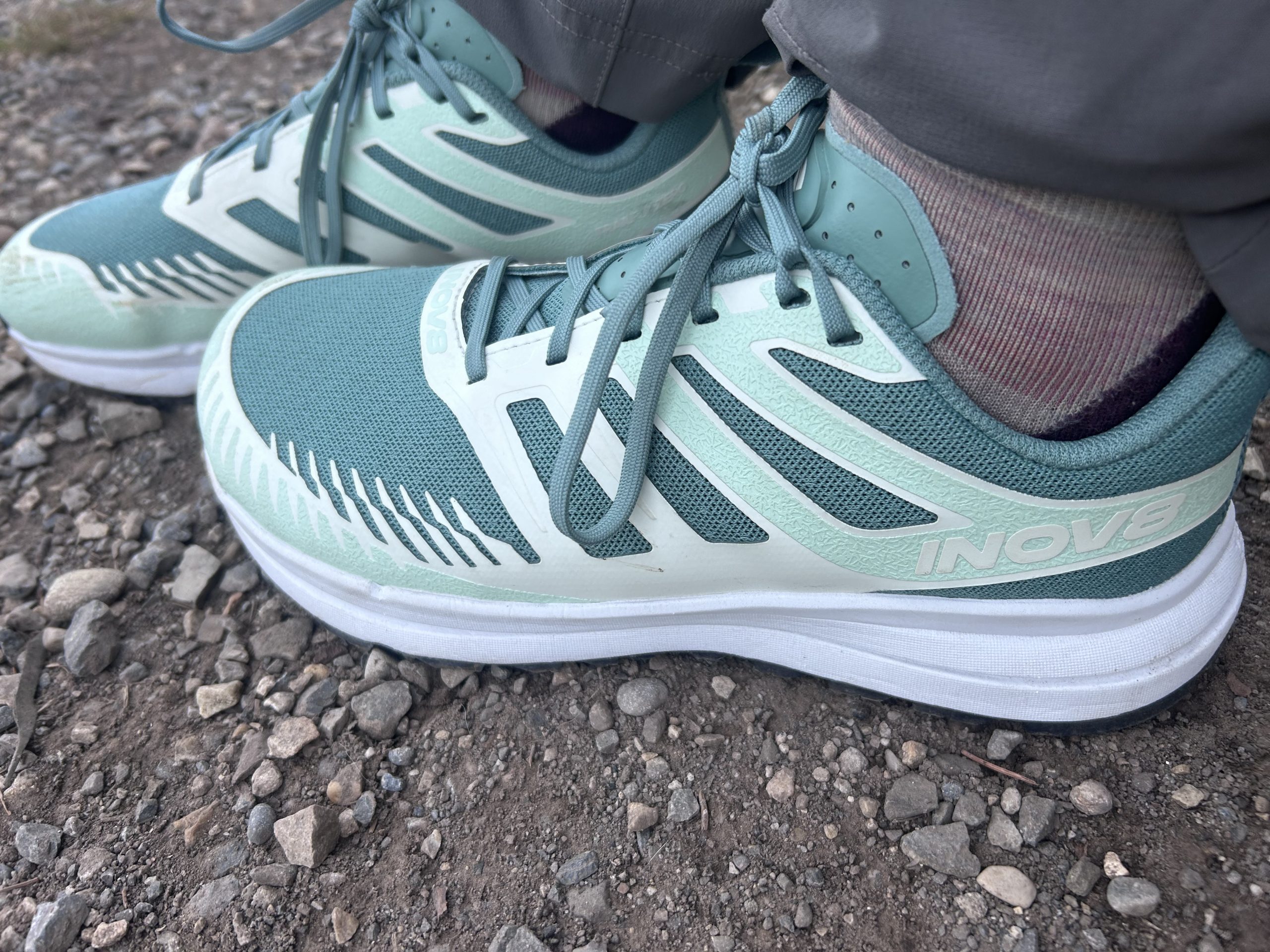
MSRP: $160
Weight (single): 10.2 oz / 290 g
Stack height: 12 mm
Lug depth: 4 mm
Heel-to-toe drop: 0 mm
Circumstances of Review
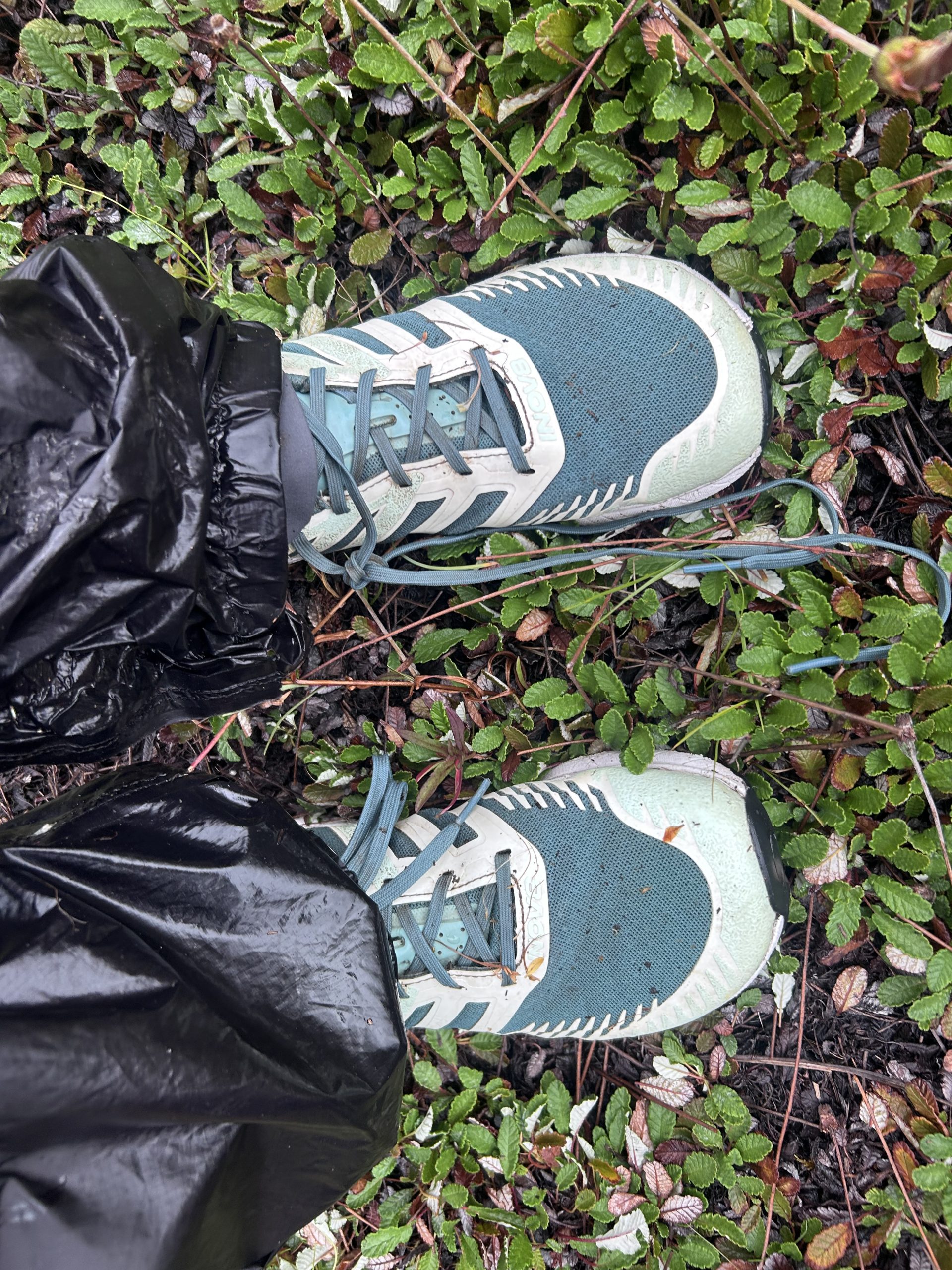
The Trailfly Zero was my exclusive shoe on the Great Divide Trail this summer. I started with a new pair with 0 miles on it and wore them for the whole 500-ish mile journey. The GDT was very rocky, very brushy, and very, very, VERY wet — conditions that would challenge the performance and durability of any shoe.
I tested the shoes in a women’s size US 9 (a full size larger than I normally wear, more on that later) in the regular width.
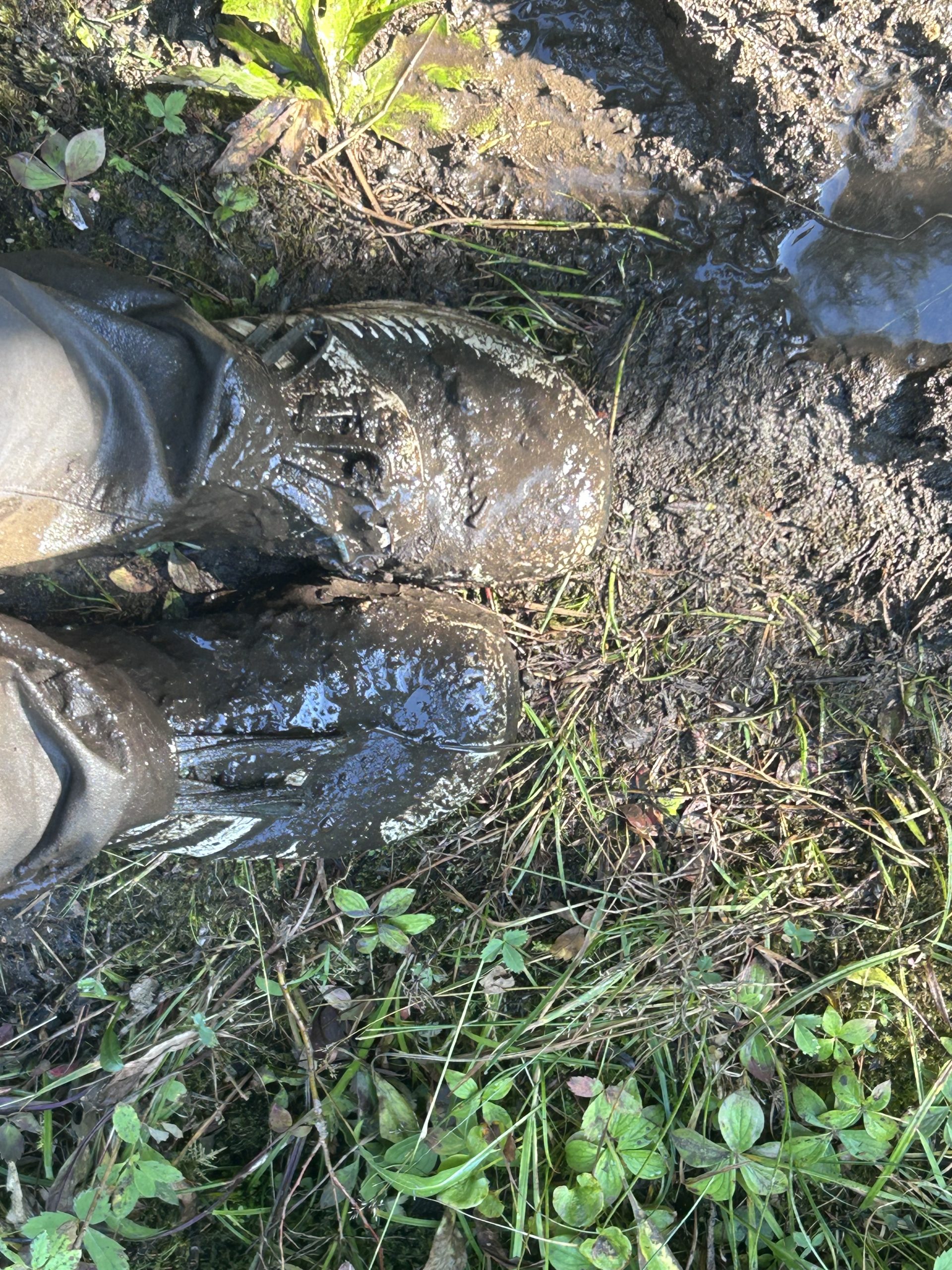
A typical example of what these shoes went through on a daily basis.
Intended Use
The Inov8 Trailfly Zero is a trail running shoe and is intended for … well, trail running. Inov8’s website describes them as “suitable for hard and rocky ground” and “suitable for shorter races and training runs.” LOL.
But thru-hikers have been co-opting trail running shoes for their own needs for years now, and I found these perfectly well-suited to long, plodding days on trail with a heavy backpack.
Inov8 Trailfly Zero Features

Zero drop: Traditional running shoes have a heel-to-toe drop of around 10mm (ish. it can be more or less), meaning the heel is about 10 mm higher than the toe, angling the toe down when you’re wearing them. In contrast, zero-drop footwear is completely flat across.
There’s a growing school of thought that zero-drop footwear better mimics barefoot conditions, strengthening the foot muscles and improving posture and alignment.
Not everyone agrees that these benefits are real, but nevertheless zero drop footwear has become hugely possible in the hiking and trail running communities, and many a thru-hiker swears by their zero drop trail runners.
Flyspeed Pro midsole: This midsole features a brand-new, proprietary nitrogen-infused EVA foam — another upgrade to the Trailfly line. Inov8 says this is their best-performing midsole to date and provides more comfort and energy return.
I don’t know about all that, but I was pleased enough with the midsole. It felt noticeably bouncy when I first took the shoes out of the box, and while that cushiness did pack out somewhat over the course of 500 miles, they still had some springiness left in them when I finished the hike.
Air-Mesh Upper: The midsole is made from a single piece of breathable mesh material, minimizing seams which boosts comfort and durability. The mesh is overlayed with “met-cradle strips,” which appear to be some sort of textured polyurethane that give the mesh more structure and security.
Available in wide: After much deliberation, I decided to test these shoes in the regular width. I hate having my toes cramped together, but Regular proved to be the right call for me, and fortunately, the toebox itself was still plenty wide.
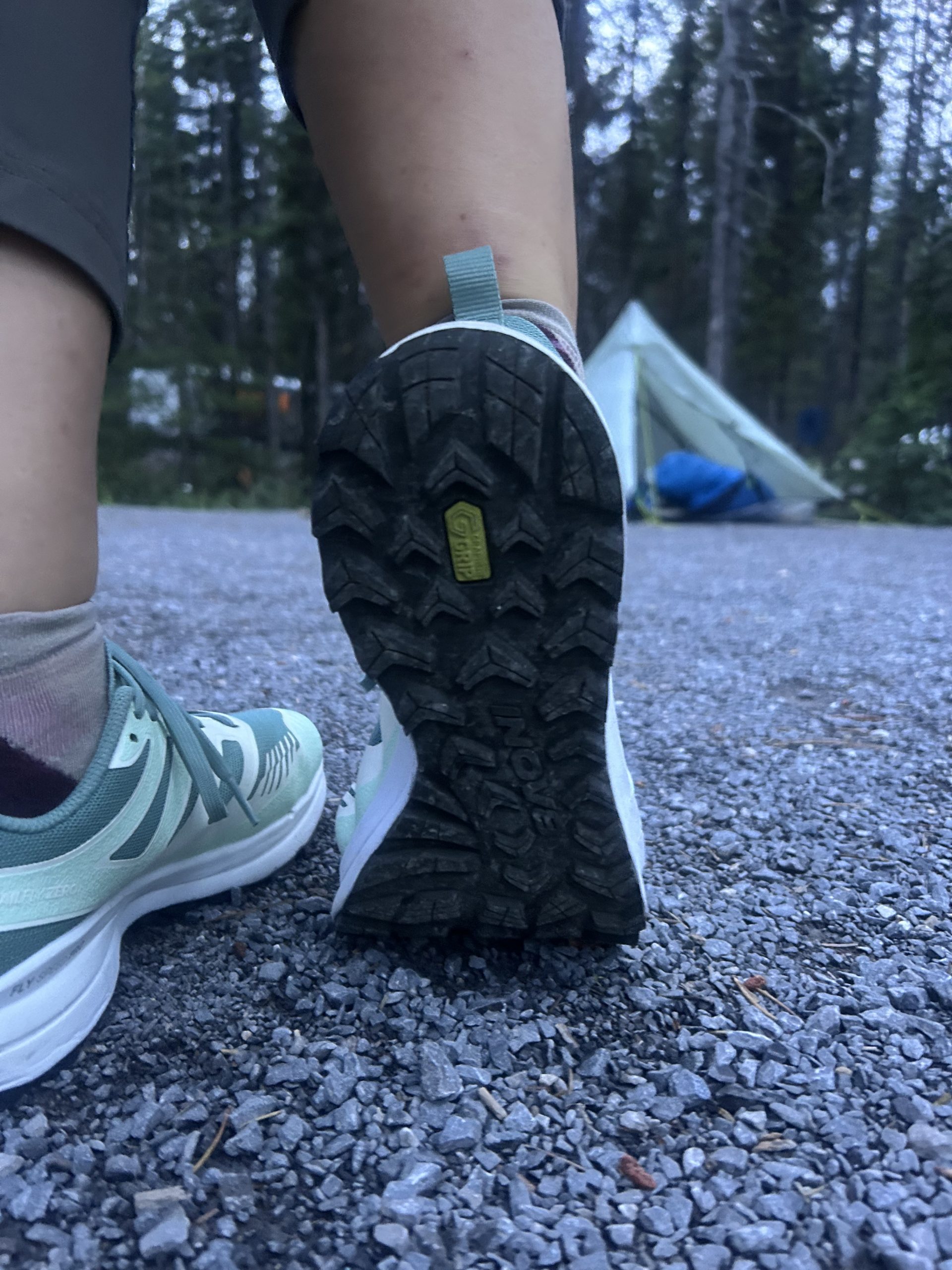
Graphene-grip outsole: The first time I heard of Inov8’s graphene-infused outsoles, I thought it sounded like a marketing gimmick. But when a tester showed me photos of the shoes’ tread looking still pretty much intact after some 600 miles, I began to wonder whether there might be something to the technology.
The graphene is also meant to enhance the outsole’s grippiness, even in wet conditions.
Inov8 Trailfly Zero V1 vs. V2
Inov8 has come out with an updated version of the Traifly Zero since I tested version 1 in the summer. The new version is offered in a different colorway (grey and white) and is 5 USD more expensive.
What else has changed? Per Inov8’s website, “The V2 benefits from improvements to its G-GRIP™, graphene-infused rubber outsole. As well as the grip and durability familiar to those who’ve run in a TRAILFLY™ before, this new reformulation also offers a 50% increase in slip resistance on wet surfaces too.”
They have also gotten ever-so-slightly heavier: about one more ounce per pair, on average.
Women’s Inov8 Trailfly Zero V2
Inov8 Trailfly Zero Pros
Durable
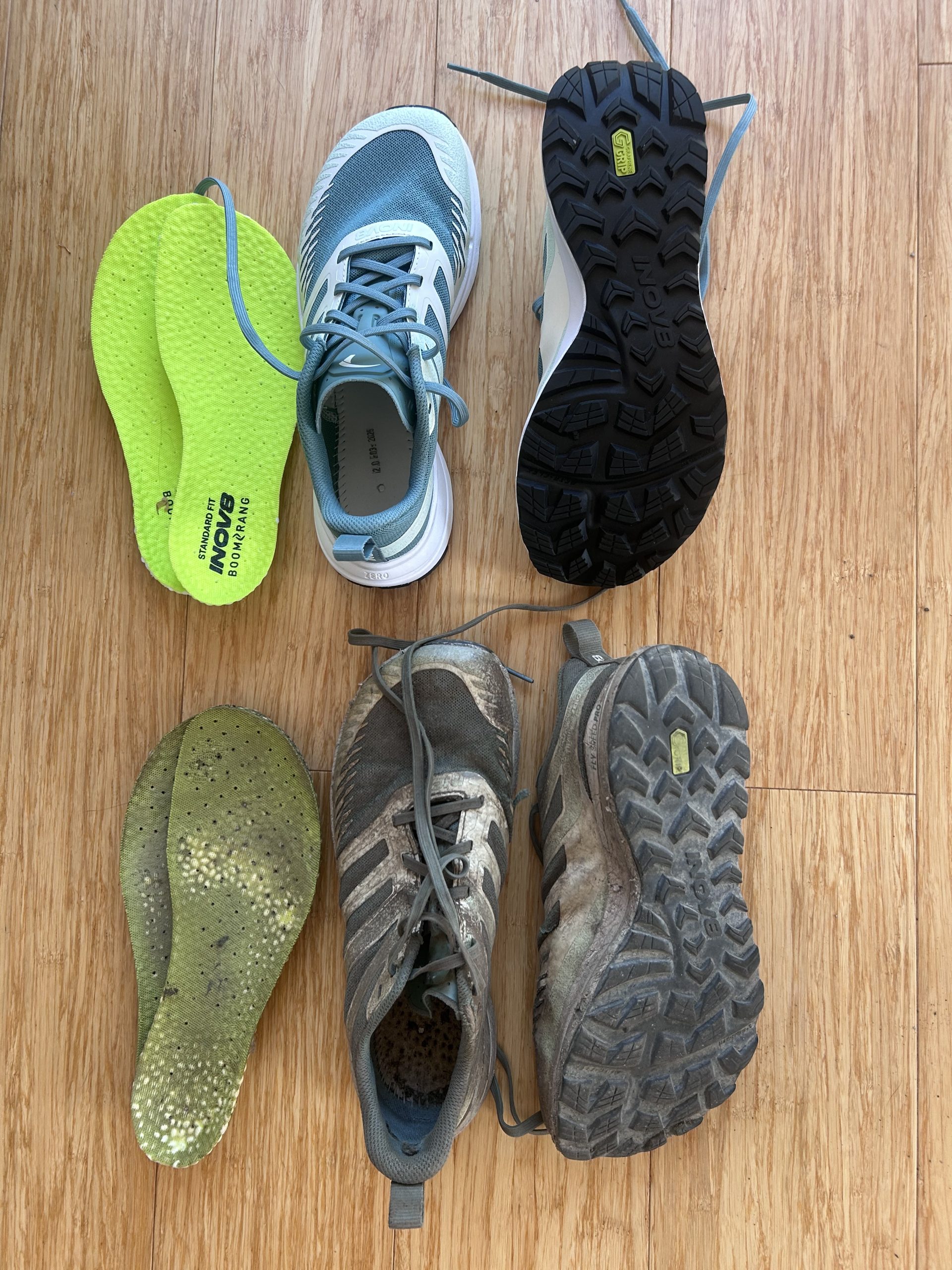
A brand new pair of Trailfly Zeros compared to a 500-mile-old pair. As dirty as the used pair got, they still had an impressive amount of tread on them.
I began the testing period with high expectations and was impressed by how the Inov8s performed in the durability department. I started the GDT with a brand-new pair and wore them for the whole 500-ish-mile hike.
By the halfway point, they were muddy but otherwise looked basically new. By mile 500, the tread had worn down somewhat, and I noticed that they were threatening to blow out in the big toe area (a common failure point for many trail runners), but they held out for the remainder of the hike.
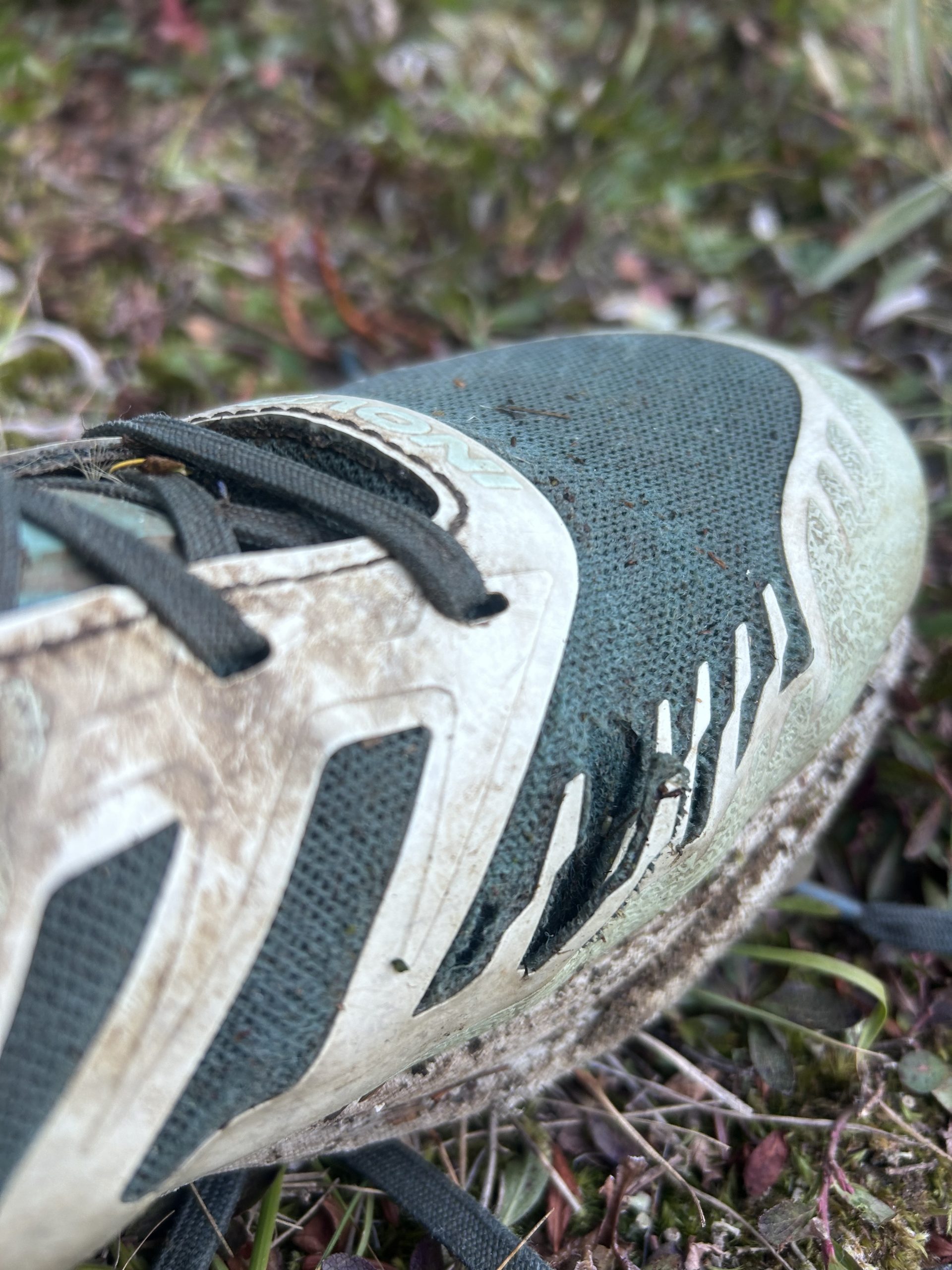
A little wear developed next to my big toe in both shoes by the end, but they never blew out
What’s more, they still have more than enough tread to keep wearing for (I assume) hundreds more miles, and the toe cap remains firmly attached at the front of the shoe.
The GDT is a rugged hike that involves a lot of talus, bushwhacking, and river fords. My shoes were almost constantly wet, and I generally put them through a lot this summer. On a more groomed trail like the PCT, I imagine that these shoes would have turned 500 miles old with even fewer signs of wear than what I experienced in Canada.
Full marks for durability, no notes.
Note on grippiness: The grip was adequate but not extraordinary. They’re good soles, just not miraculous: I would probably trust them on steep and slick terrain about as much as anything with a Vibram outsole, but not more. I have yet to meet an outsole that can reliably and consistently keep me grounded on steep slickrock, wet roots, and the like.
Actual Wide Toe Box
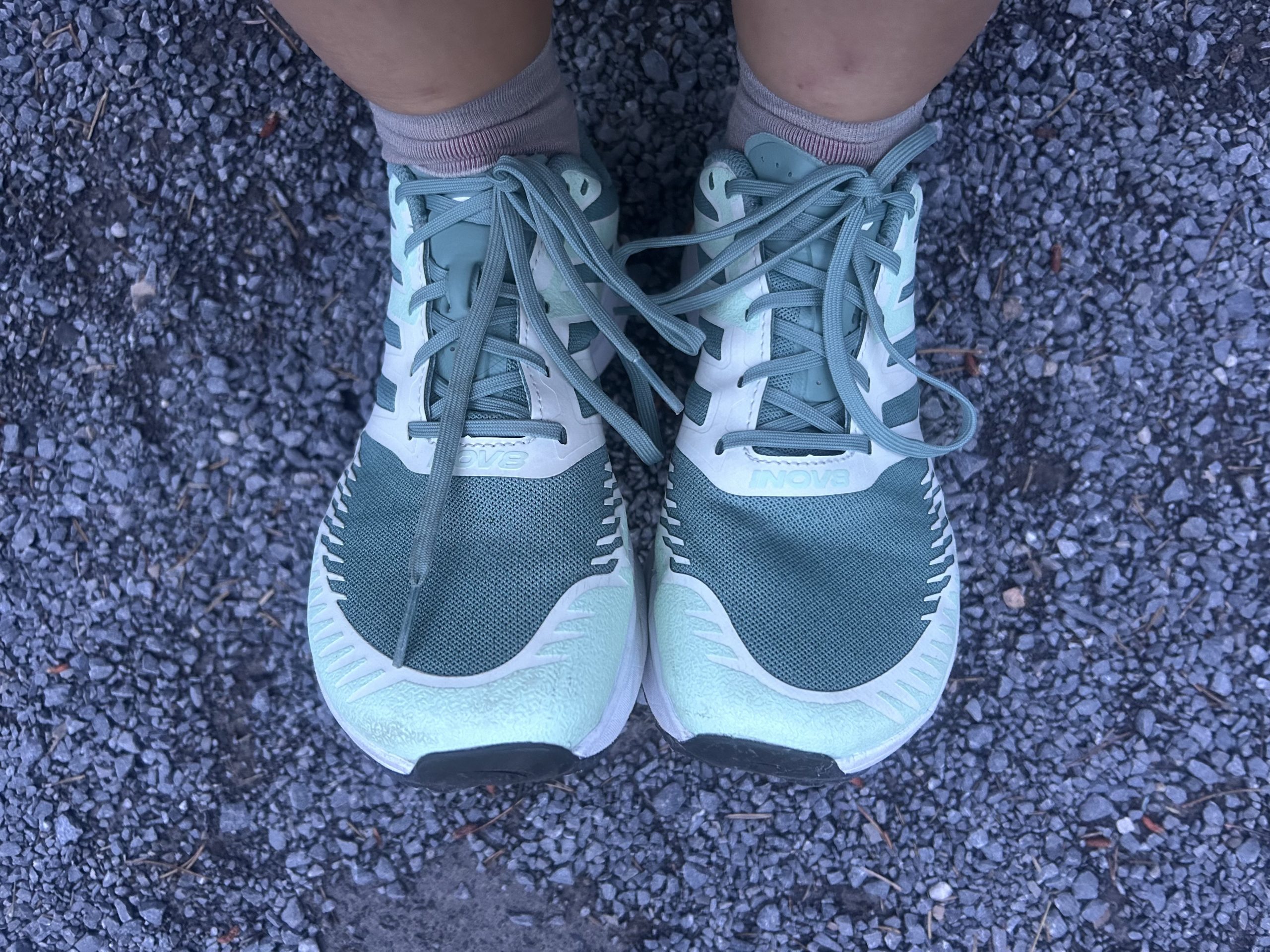
Just look at that wide toe box!
As I have mentioned in some of my other shoe reviews, I have freakishly long toes and I hate the feeling of them crowding together.
Many trail runner brands claim to have a wide toe box, allowing the toes to splay naturally, but most brands I have tested still felt crowded at the front. Until now, the only brand that I felt had a truly wide toe box (without being excessively wide for my overall foot shape) was Altra.
I wasn’t expecting much from Inov8 in this department, but I was pleasantly surprised: the toe box was roomy and comfortable enough that I rarely spent any time thinking about my toes, which is exactly the way I like it.
Lightweight
There is a much-touted adage that “a pound on the feet is worth five on the back,” meaning that weight on the feet takes a lot more energy to shift around than weight concentrated closer to your center of gravity on your back. Keeping your footwear lightweight can therefore make a big difference in your overall energy expenditure on trail. Lighter shoes also tend to be more breathable and soak up less water, which is nice for obvious reasons.
At roughly 20.5 ounces per pair, the Trailfly Zeros are some of the lightest trail runners on the market.
The weight difference from one trail runner to another is frankly not that significant: most of them are within a couple ounces of each other. What makes these shoes truly stand out is that they boast the quick-drying, weight-saving goodness of trail runners but with the aforementioned durability of a much heavier hiking boot. Best of both worlds here.
Inov8 Trailfly Zero Cons
Fit Issues
Something about the fit of these shoes seems a little funky, at least for my feet.
I ordered the Trailfly Zero in a women’s US 8, regular width — but when the fit proved almost comically small, I skipped the half-size increment and went a full size up to a women’s 9 (still the regular width though).
The 9s fit better, but I found that I could not swap the standard Inov8 insole for a beefier model from Superfeet without again feeling cramped inside the shoe. The Trailfly seems like a shallow shoe, shallow enough that a higher-volume insole is enough to make it cramped.
How is it possible to size up by a whole entire size and still not be able to put in your preferred midsole without compromising the fit? Everyone’s feet are different, but I’ve never encountered something like this before. As with any footwear purchase, I would caution you to try on in-store first if possible, or at least order with enough lead time that you can exchange sizes before your hike if necessary.
Footbed Collects Rocks
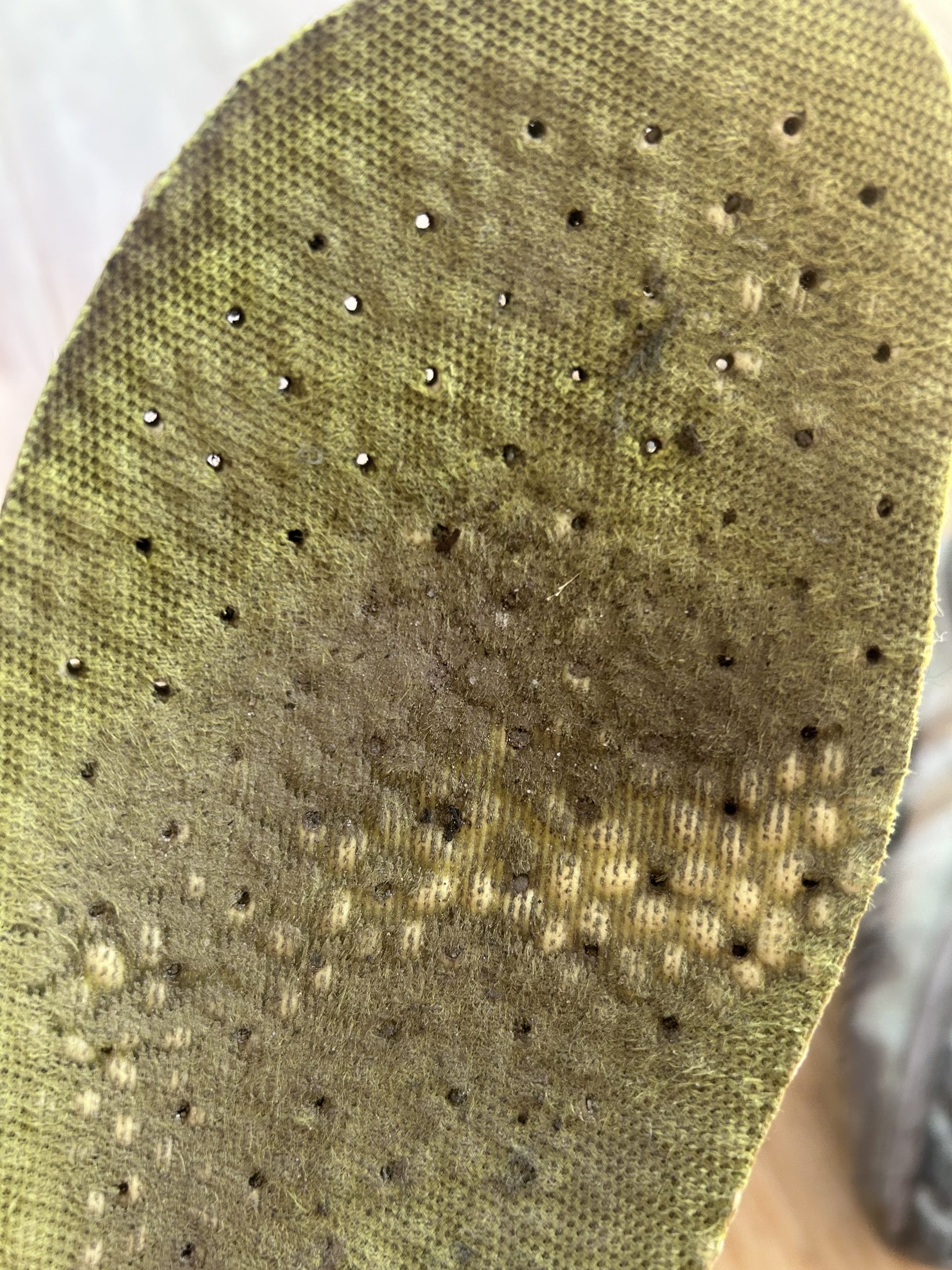
Like many thru-hikers, I usually would preemptively swap out the insole for a sturdier aftermarket option like Superfeet, but as mentioned above, I didn’t have that option in this case due to mysterious fit issues. Stuck with Inov-8’s standard insoles, I was left to ponder their potential shortcomings.
My feet hurt a lot on the GDT, and frankly, I doubt that these shoes were responsible for much of that pain. But one thing that did drive me nuts about the insoles was the many tiny holes punched in them. Presumably these perforations are meant to make the footbed more breathable and quick-drying.
Functionally, I found that every tiny pebble or other random trail debris that made its way into my shoe became deeply embedded in these holes. Frequent stream fords meant that my insoles were loaded up with tiny, sharp stones pretty much all the time, and this quickly became uncomfortable.
Meticulously popping all the stones out of my insoles quickly became a daily, and sometimes twice-daily, ritual. I have to admit that this de-pebbling process gave me almost the same level of weird, visceral, vaguely scandalous satisfaction as popping zits or peeling flaky paint. But still. Annoying.
If you don’t have the same peculiar fit issues I had with the Inov-8s, you’ll be able to pick whatever insole works best for you, so I wouldn’t rate this as a significant issue.
The Tongue
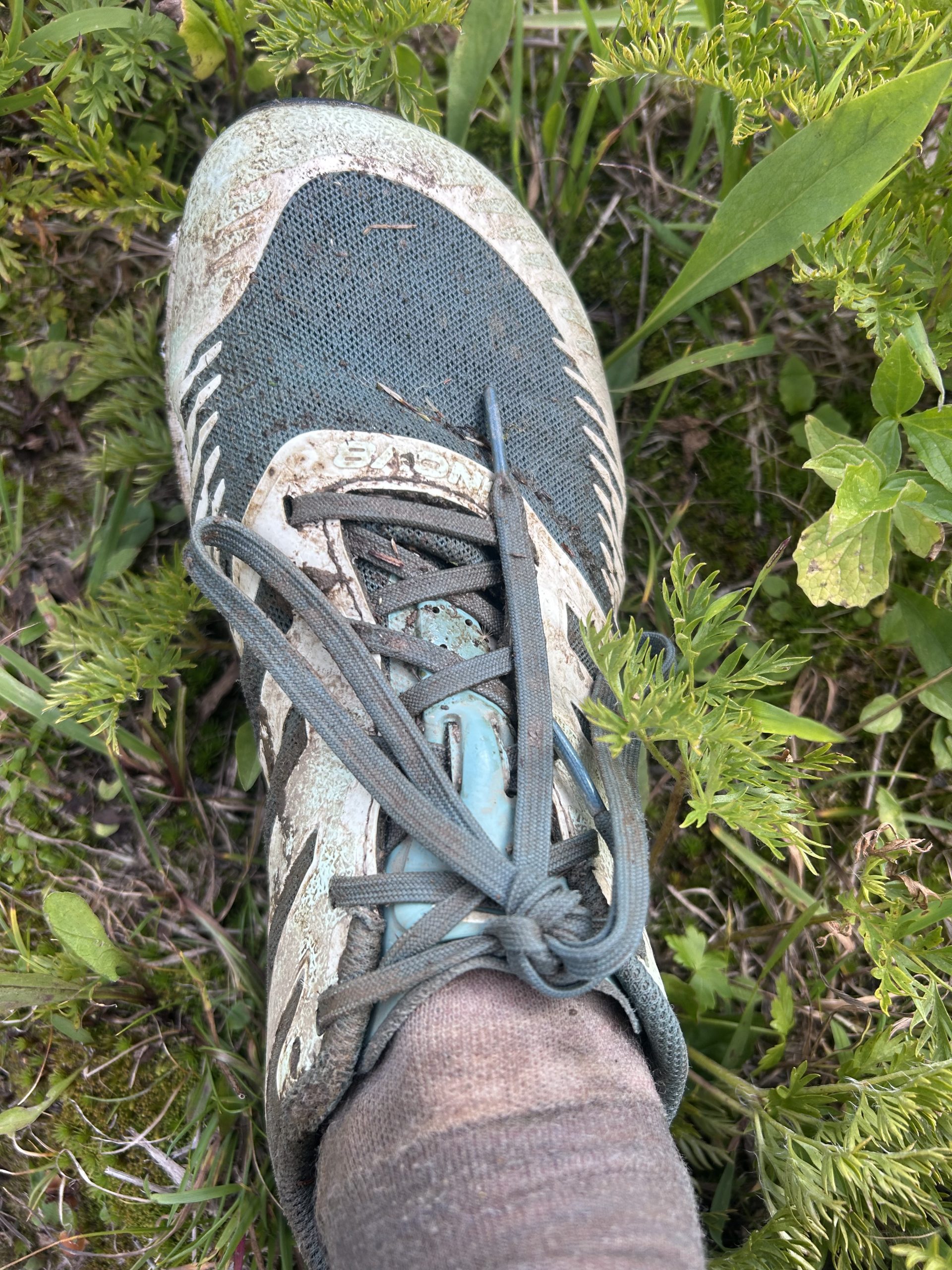
The tongue constantly sliding down was the bane of my existence every single day
These shoes feature a flat tongue with no padding, a design choice that undoubtedly makes the shoes lighter and quicker to dry overall.
However, I found the design fairly uncomfortable and always felt like I could feel the pressure of my laces through the uncushioned tongue, even when they weren’t tied tightly. The tongue itself also had an unfortunate tendency to work its way down my foot so that my laces were sometimes tied over my bare foot; whenever I stopped for a break, I would inevitably end up adjusting the position of the tongue.
Overall Value
I wanted to find out for myself whether Inov8s could really be as durable as they claim, and I’m pleased to report that yes, they actually are. Given that they’re likely to last significantly longer than your typical trail runner, these shoes are a great value for money: they will likely mean the difference between going through three pairs of shoes or four on a 2,000-plus-mile hike.
Ultimately, these are great shoes that probably just aren’t the right fit for my foot shape. As pleased as I am with their longevity, I probably would not get another pair of Inov8s unless I could try them on first to ensure that they fit properly. This is general best practice for buying shoes anyway; everyone’s feet are different, after all.
At the end of the day, I can’t tell you whether these shoes will work for you, but they’re definitely worth your consideration. If you’re looking for a comfortable, reliable, hard-wearing trail runner with a minimalist design, I do encourage you to check out the Inov8 Trailfly Zero. Just try them on first, or at least leave yourself enough time to exchange them if ordering online.
Shop the Women’s Inov8 Trailfly Zero
Shop the Men’s Inov8 Trailfly Zero
Comparable Shoes
Altra Lone Peak 9 Men’s | Women’s
- MSRP: $145
- Weight (pair): 20.4 oz (men’s) | 19 oz (women’s)
Hoka Challenger Men’s | Women’s
- MSRP: $155
- Weight (pair): 20.24 oz (men’s) | 16.16 oz (women’s)
Inov8 Trailfly Max Men’s | Women’s
- MSRP: $170
- Weight (pair): 21.16 oz
The Inov8 Trailfly Zero was donated for purpose of review

This website contains affiliate links, which means The Trek may receive a percentage of any product or service you purchase using the links in the articles or advertisements. The buyer pays the same price as they would otherwise, and your purchase helps to support The Trek's ongoing goal to serve you quality backpacking advice and information. Thanks for your support!
To learn more, please visit the About This Site page.

Comments 3
I switched from Hoka SpeedGoats to the Inov8 Trail Fly shoes a year or two and haven’t looked back. They are more comfortable and much more durable.
Since Hoka ruined the Speedgoat with the latest Speedgoat 6, I had to try another brand. I bought a pair of Hoka Challengers but will be sending them back. They have a hard (feels like plastic) lining around the heel and they rub the inside of my heel. I bought a pair of Brooks Ghost Trails and so far so good. I can’t wear the zero drop shoes, I bought a pair of Altres and after a 30 Mike hike, I now have Achilles tendinitis (or that is think caused the problem). I will check out the Trailfy Max.
The sole looks fairly aggressive, but I have a narrow foot, so I use the Salomon Speedcross. Imo it has the best, most aggressive tread. But I’m always on the lookout for a different make/model that works for me because it always seems like availability or delivery time issues pop up when I’m on trail.