 ">

7 Reasons Why I’m Grateful I Hiked the AT Before the PCT
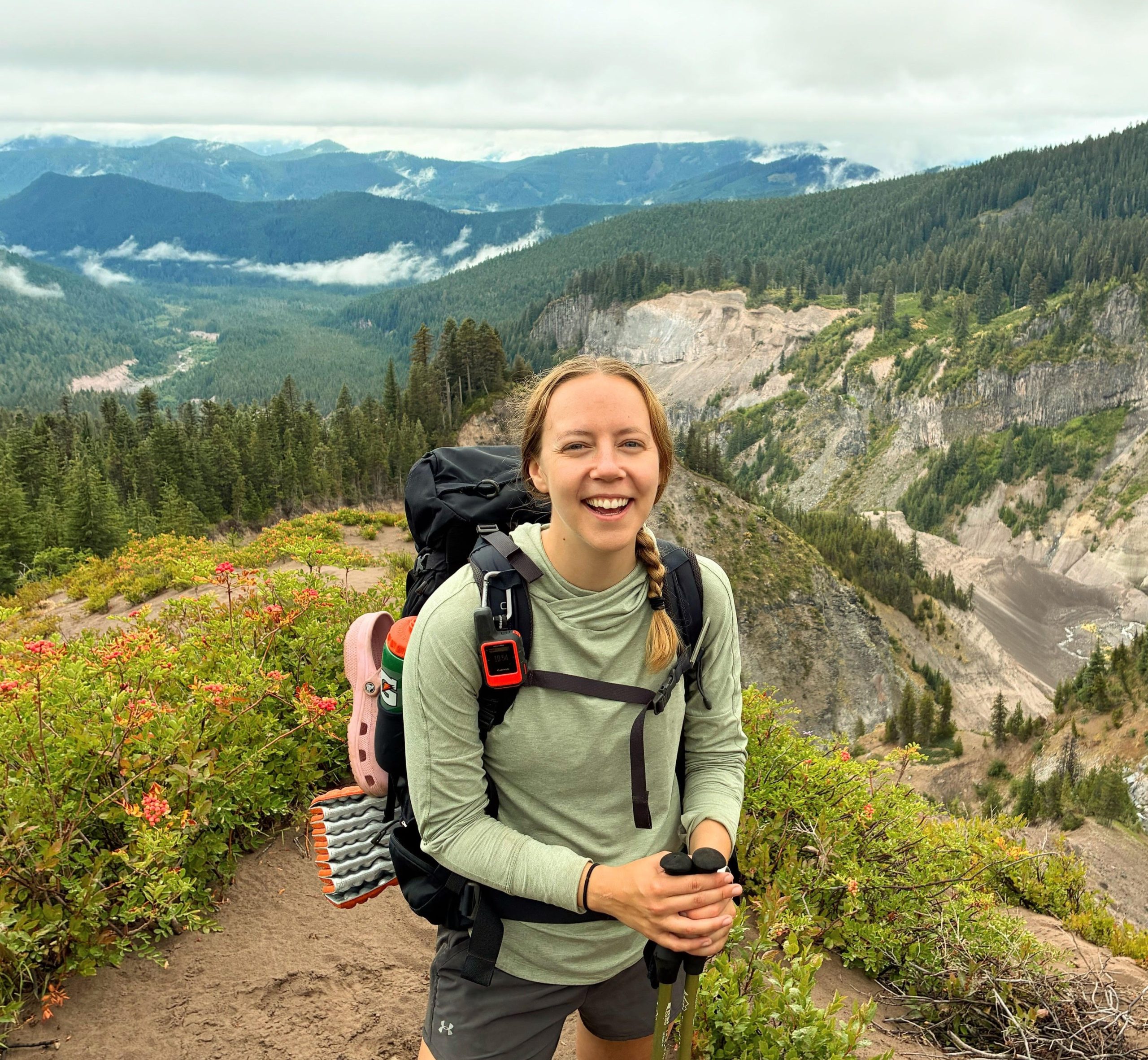
Now that I’ve hiked over 1100 miles of the Pacific Crest Trail, I’ve found myself reflecting a lot on my journey so far. Like many hikers, I spent years dreaming about one day hiking the PCT, especially as I began to finish my journey of section hiking the Appalachian Trail. All of the photos of the incredible views I saw on social media and the Internet enticed me.
The more that I’ve hiked on the PCT, the more I’ve become incredibly grateful that I hiked the Appalachian Trail first. The AT is where I learned how to backpack. It’s where I made mistakes, figured out what gear worked for me, learned more about backpacking, and slowly built the confidence to spend longer stretches in the wilderness. And I did all of that alone, with no one to guide me. Looking back now, I honestly don’t think I would have been ready for the challenges of the PCT if I hadn’t hiked the AT first.
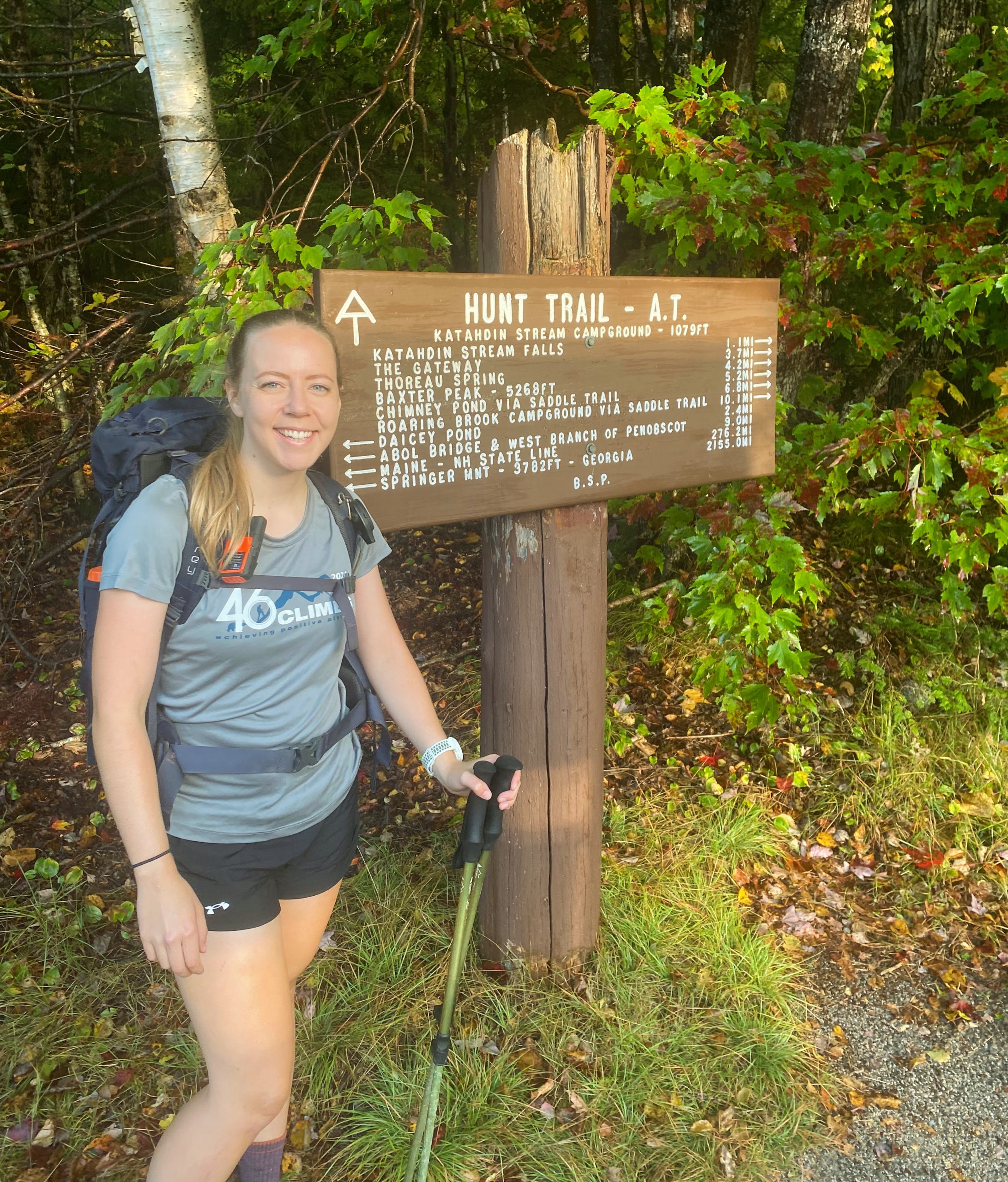
My last day of hiking on the AT when I climbed Mt. Katahdin
So, here are seven reasons why I’m thankful my long-distance hiking journey started on the East Coast:
1. The AT was more accessible for me.
Well, one of the biggest advantages of starting on the AT was simply that I could get there.
I first started hiking on the AT when I moved to the South and found myself within a reasonably close driving distance to Springer Mountain, the southern terminus of the trail. I hiked all of Georgia, North Carolina, and Tennessee before moving back to the Northeast. From there, I was within a few hours’ drive of all of the trailheads from Pennsylvania to Vermont.
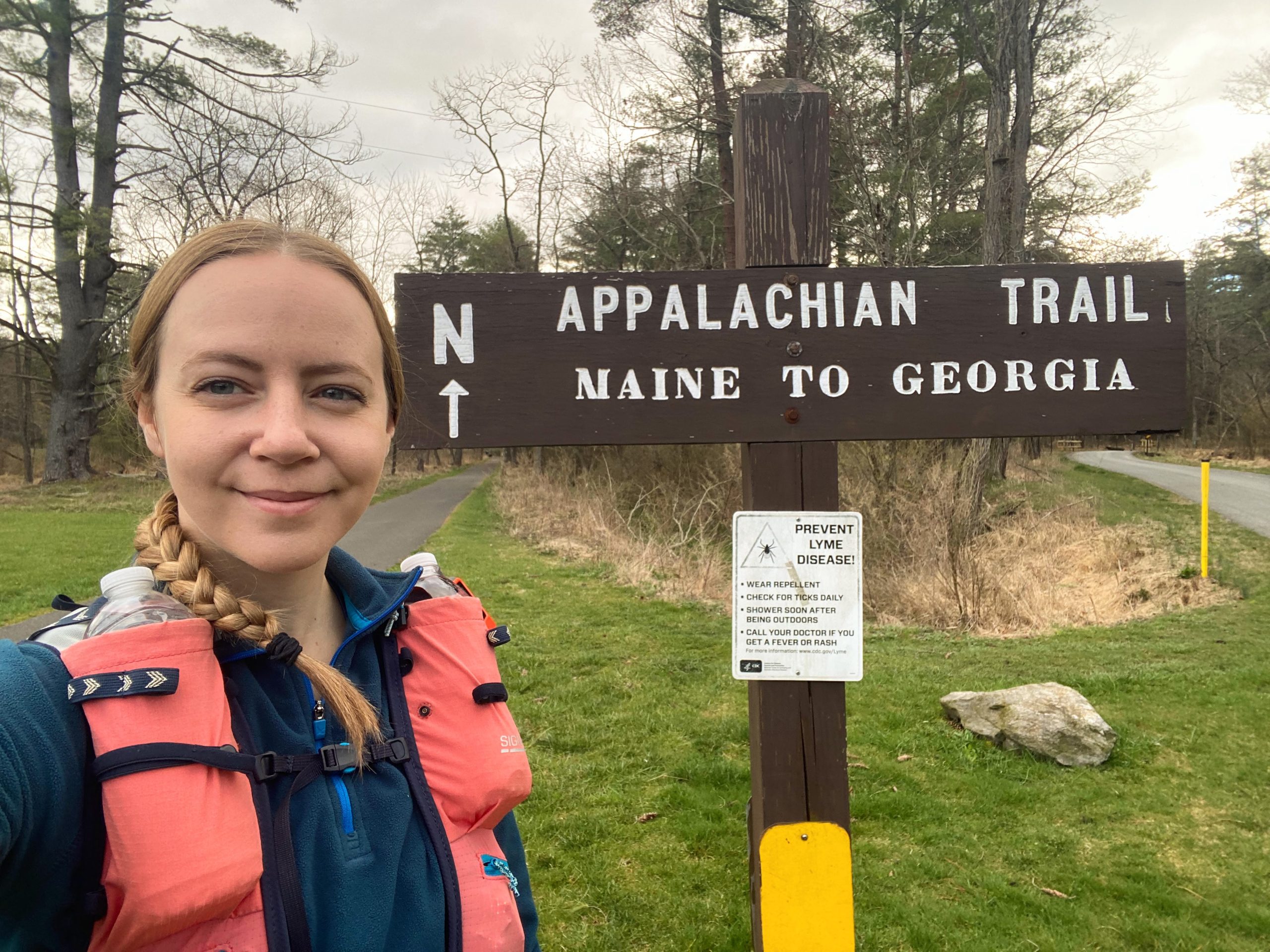
The accessibility of trailheads on the AT allowed me to do a lot of shorter trips, including this trail run in Pennsylvania
Because the trail was within driving distance, I started with day hikes before working my way up to overnight trips. The AT passes through or near many more towns, which makes shorter trips much easier. Then, I slowly increased my mileage and the length of my trips as my confidence, knowledge, and strength grew.
Obviously, the PCT isn’t nearly as accessible from the East Coast. Spontaneous weekend trips would be nearly impossible. But even if I lived on the West Coast, the PCT has a lot more long stretches of uninterrupted wilderness. I think it would have been more difficult for me to learn how to hike solo and work my way up to longer overnight trips with fewer opportunities for shorter hikes.
2. Water carries were much easier.
Sure, there were occasional dry stretches on the AT. My longest water carry was around 15 miles in Virginia in late May. At the time, that felt like such a challenge. However, most of the time on the AT, there are water sources every few miles, so I didn’t have to carry a lot of water at a time.
Then I got to the PCT. The first day of my first PCT section this year had a 16-mile water carry. The PCT requires a new level of planning about water, more than I had to do on the AT. Learning how to properly hydrate and how much water I need to carry on the AT helped me before it became much more challenging on the PCT.
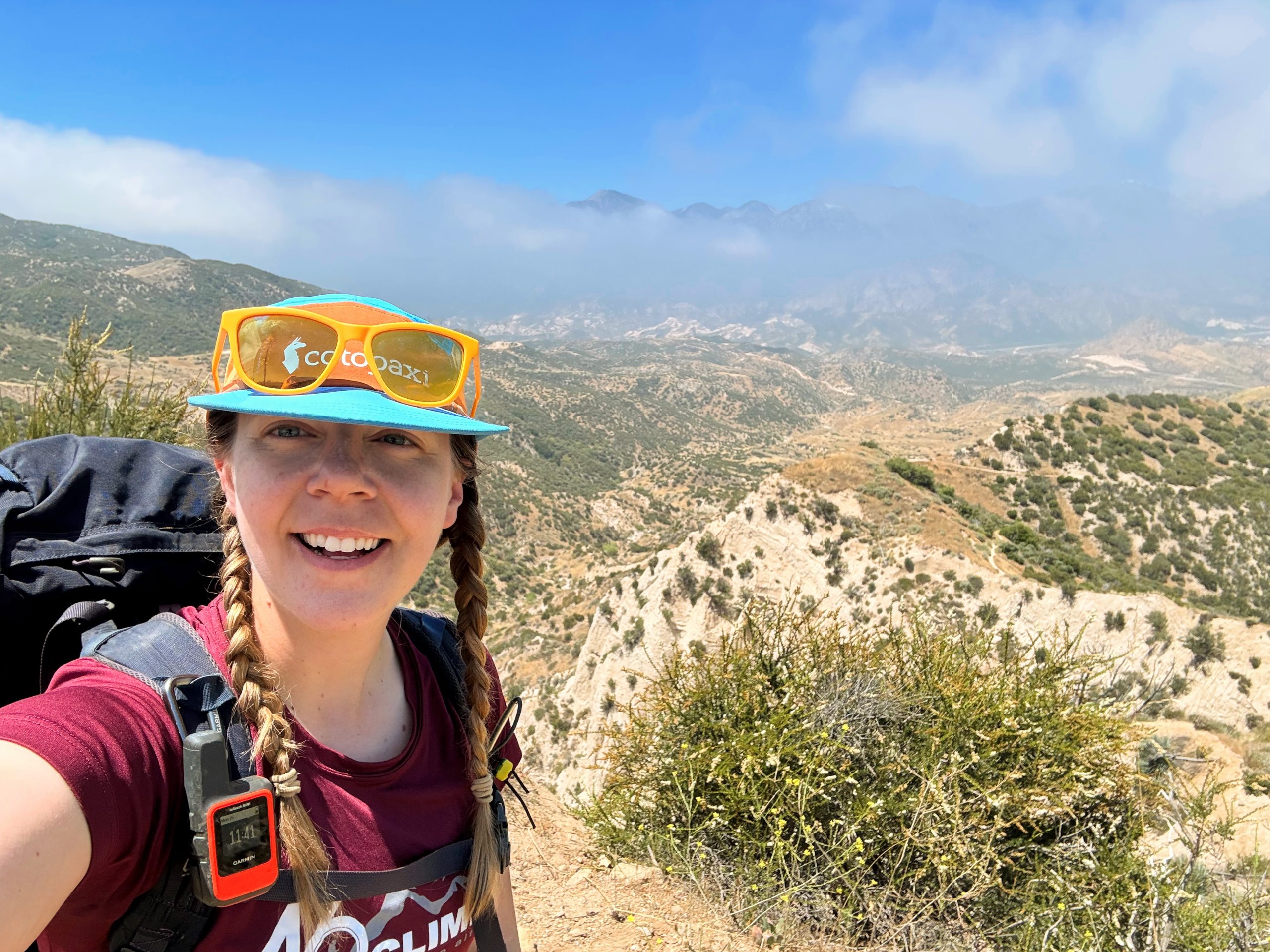
I learned how to hydrate and how much water to carry on the AT, which prepared me for sections like the desert on the PCT
3. I could resupply more often on the AT.
Similar to my first two reasons, starting with day hikes and shorter stretches on the AT allowed me to figure out nutrition and how much food to carry. The AT was the perfect place for me to learn what worked and what didn’t.
Like most new backpackers, I had a lot to learn. Fortunately, the AT’s frequent road crossings and nearby towns made it relatively easy to adjust. The PCT’s longer stretches between resupplies leave less room for errors. As my hikes became longer, I grew stronger and was able to carry heavier loads. I’m glad I figured out what to carry on the AT before taking on the PCT.
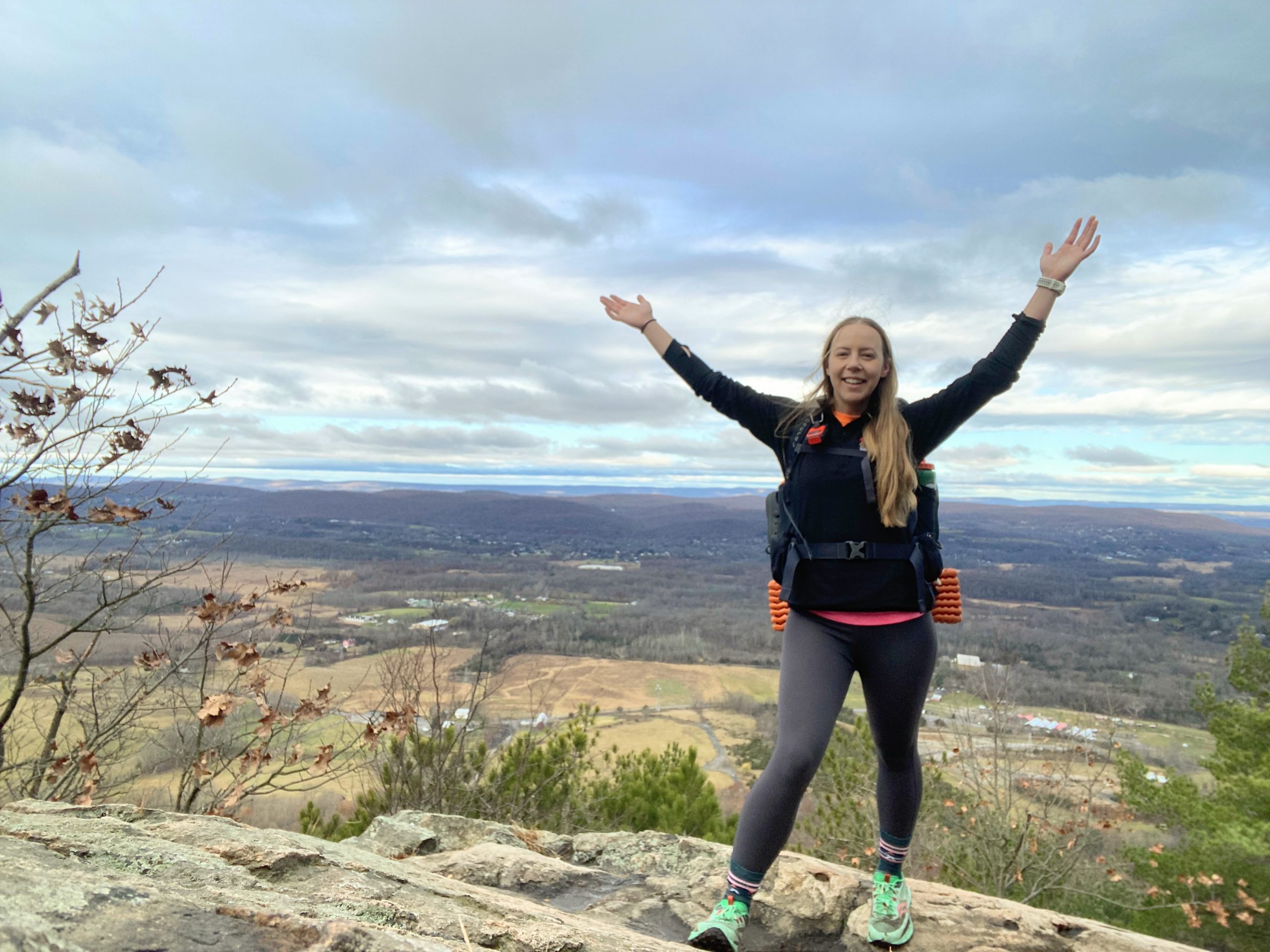
Hiking in New Jersey on the AT, where there were lots of opportunities for resupply
4. The AT made me physically and mentally stronger.
As anyone who has hiked the Appalachian Trail knows all too well, the AT has a way of toughening you up. The AT kicked my butt almost every day. The trail goes straight up and down the mountains with few switchbacks. At one point, I thought the tendons in my knees would never recover. Physically, the AT made me much stronger, as I gained a significant amount of muscle and was able to increase from short day hikes up to as many as 31 miles in a day. This set me up very well for hiking bigger days on the PCT.
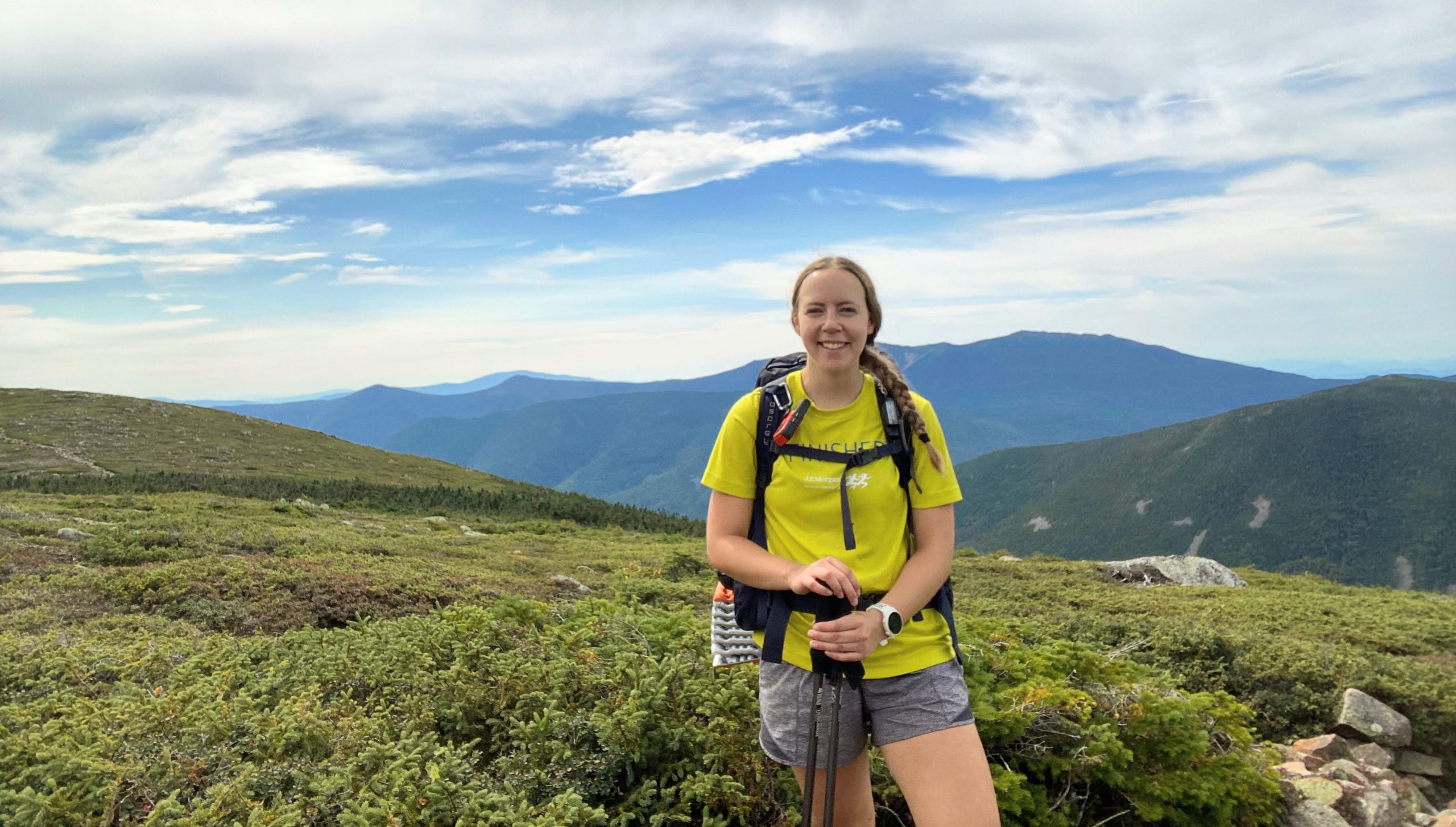
It felt like the AT was always taking you straight up and down the mountains, especially in New Hampshire
Mentally, the AT also toughened me up. The rocks can feel endless. The rain can be relentless. And you just have to keep hiking through it.
I couldn’t tell you the number of days on the AT when I questioned what I was doing out there. But every difficult day taught me a new lesson. Over time, I reframed my mindset. I told myself that discomfort is temporary. Bad days will always end, and sometimes what starts out as a bad day can turn into the best day. I learned that I was capable of handling more than I ever thought.
Even my reaction to wildlife changed. If you compare my first bear encounter to my last one on the AT, they’re practically two different people. What initially terrified me eventually became just another normal part of life on trail.
By the time I reached the PCT, I already had years of experience proving to myself that I could handle challenges. That mental foundation has been just as valuable as any piece of gear in my pack.
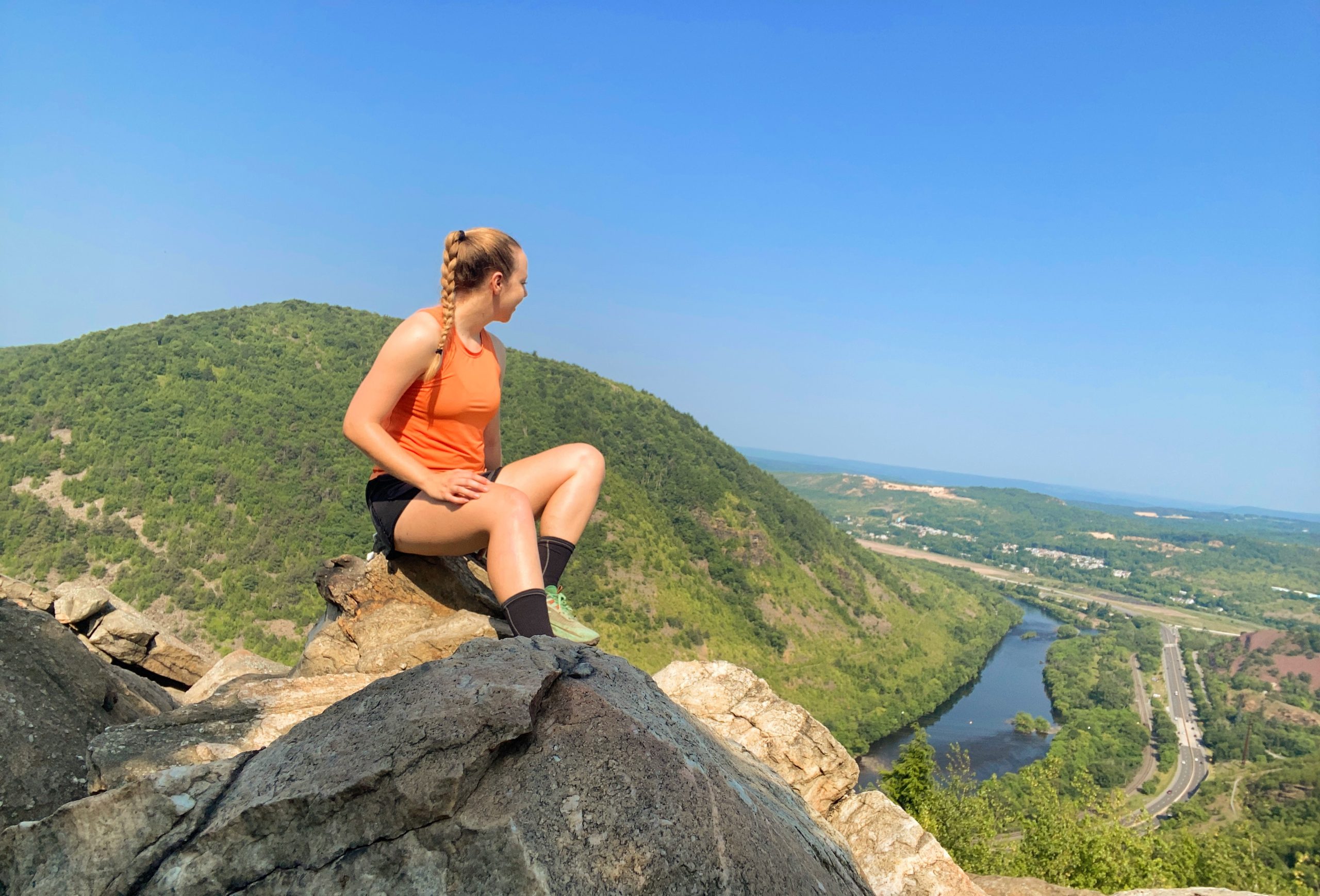
Hiking on the AT through Pennsylvania, aka “Rocksylvania”
5. The AT made me thankful for the dry climate on the PCT.
On my very last section of the Appalachian Trail, I hiked for nine days straight through never-ending rain and fog. The trail became so flooded that I was wading through knee-deep water, the rivers became so swollen they cut new banks, and other hikers were getting off trail to road-walk to the next town instead of hiking through treacherous conditions.
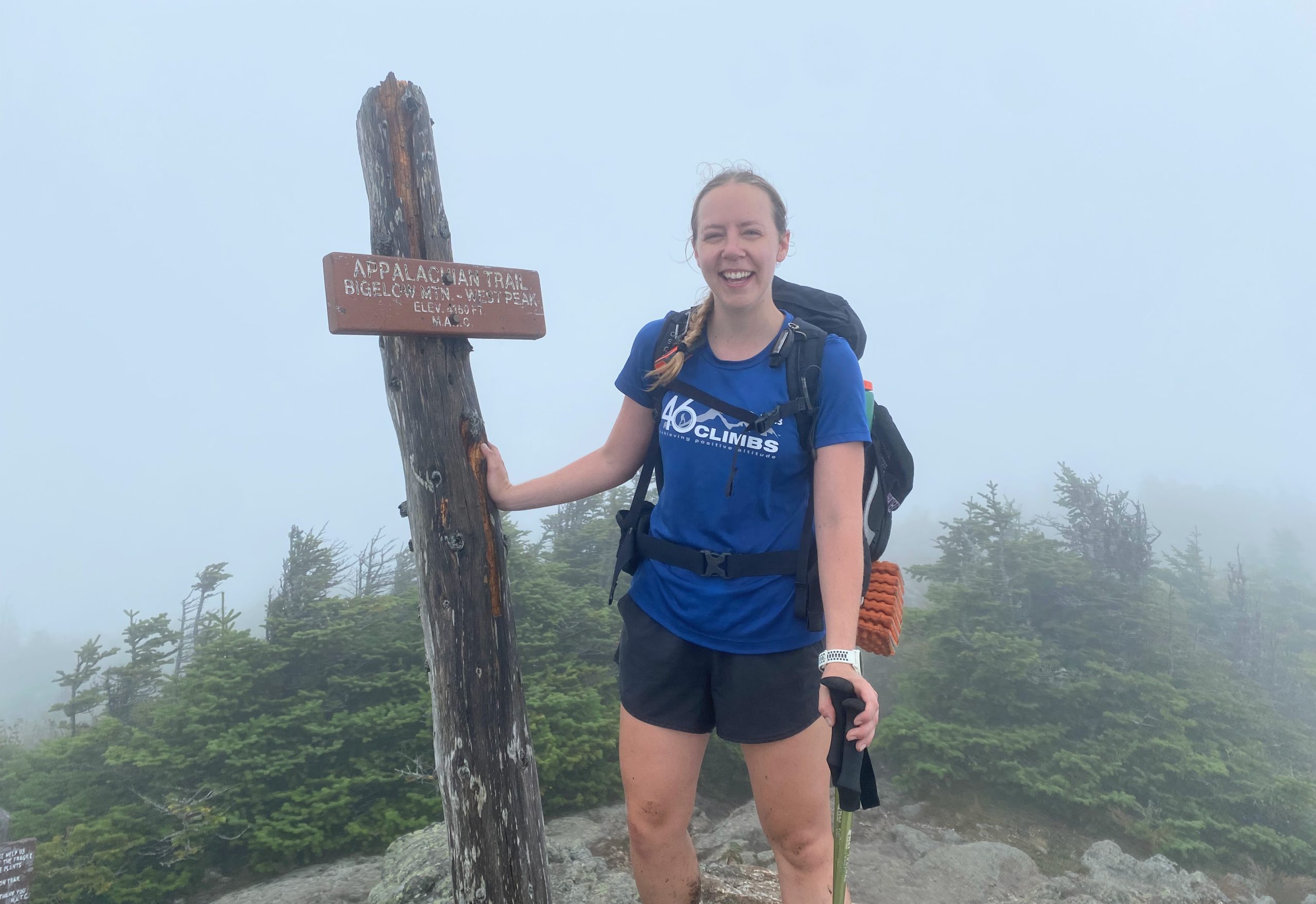
Hiking through 9 days straight of rain and fog on the Appalachian Trail
Even on my other sections in “normal” AT conditions, I spent most of my time hiking through mud and humidity, wearing wet shoes and damp clothes. By the time I was finishing the AT, I was craving the dry climate on the West Coast.
Don’t get me wrong. The heat on the PCT can be brutal, and the sun exposure was a new challenge for me to adapt to. But there is something incredibly nice about laying out my sleeping bag or clothes during my lunch break and having them dry within minutes instead of worrying about them being damp that night. The AT could never! It took days for anything to dry. I spent countless nights in hotel rooms using a blow dryer to dry my gear off. I certainly don’t take the dry air on the West Coast for granted.
6. The AT made me appreciate views more.
The AT really makes you work for the views (or sometimes, no view at all!). You can climb thousands of feet only to arrive at a summit completely socked in by clouds. You can spend hours walking uphill through the Green Tunnel only to catch a partial glimpse through the trees before descending again.
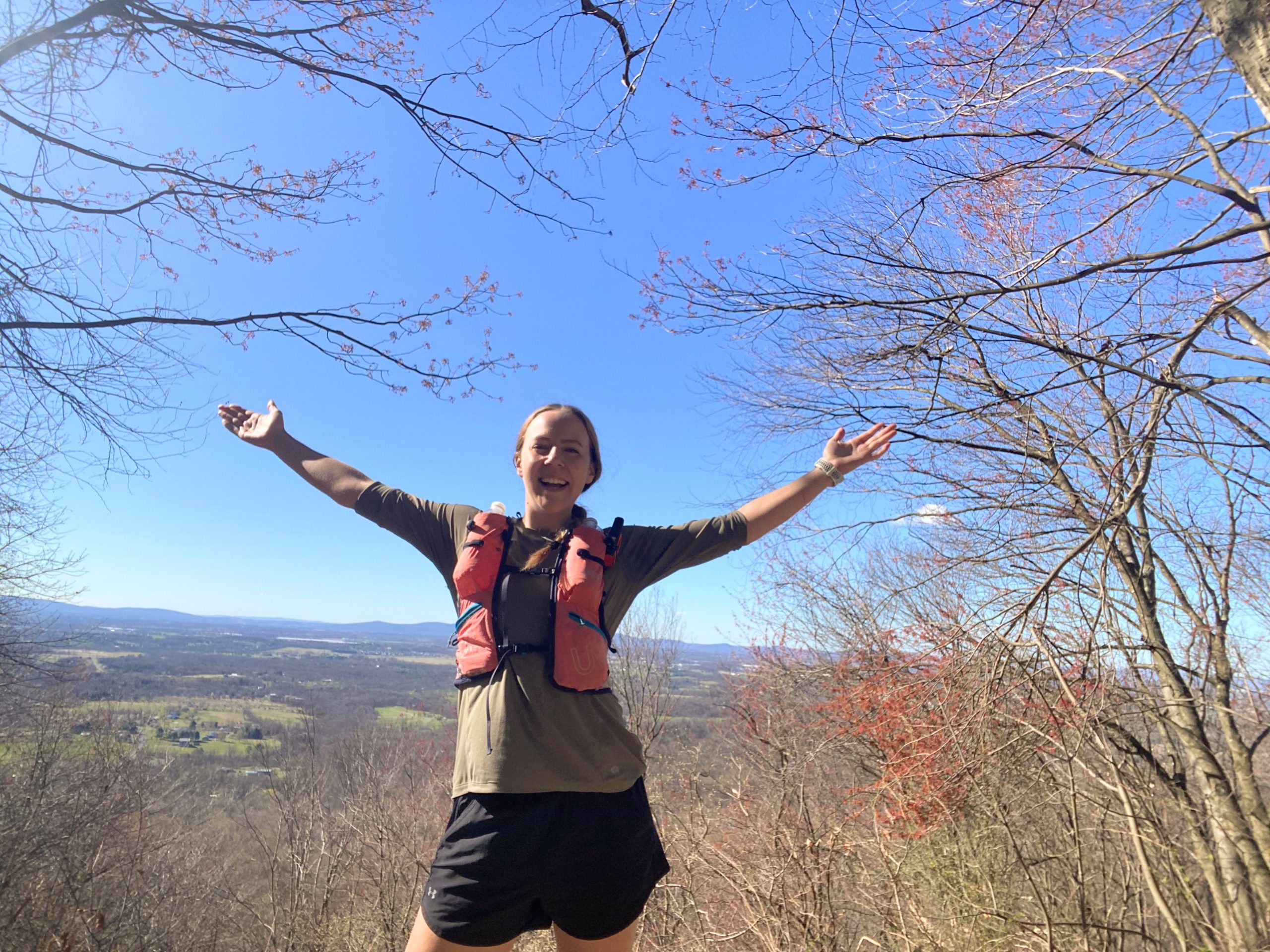
A partial view while trail running on the AT in Pennsylvania
Because of that, I don’t take any of the scenery on the PCT for granted. The AT taught me to appreciate every overlook, every sunset, and every clear day on a summit. So when I see a view on the PCT that someone on the FarOut app calls “nothing to write home about,” I find myself appreciating it even more.
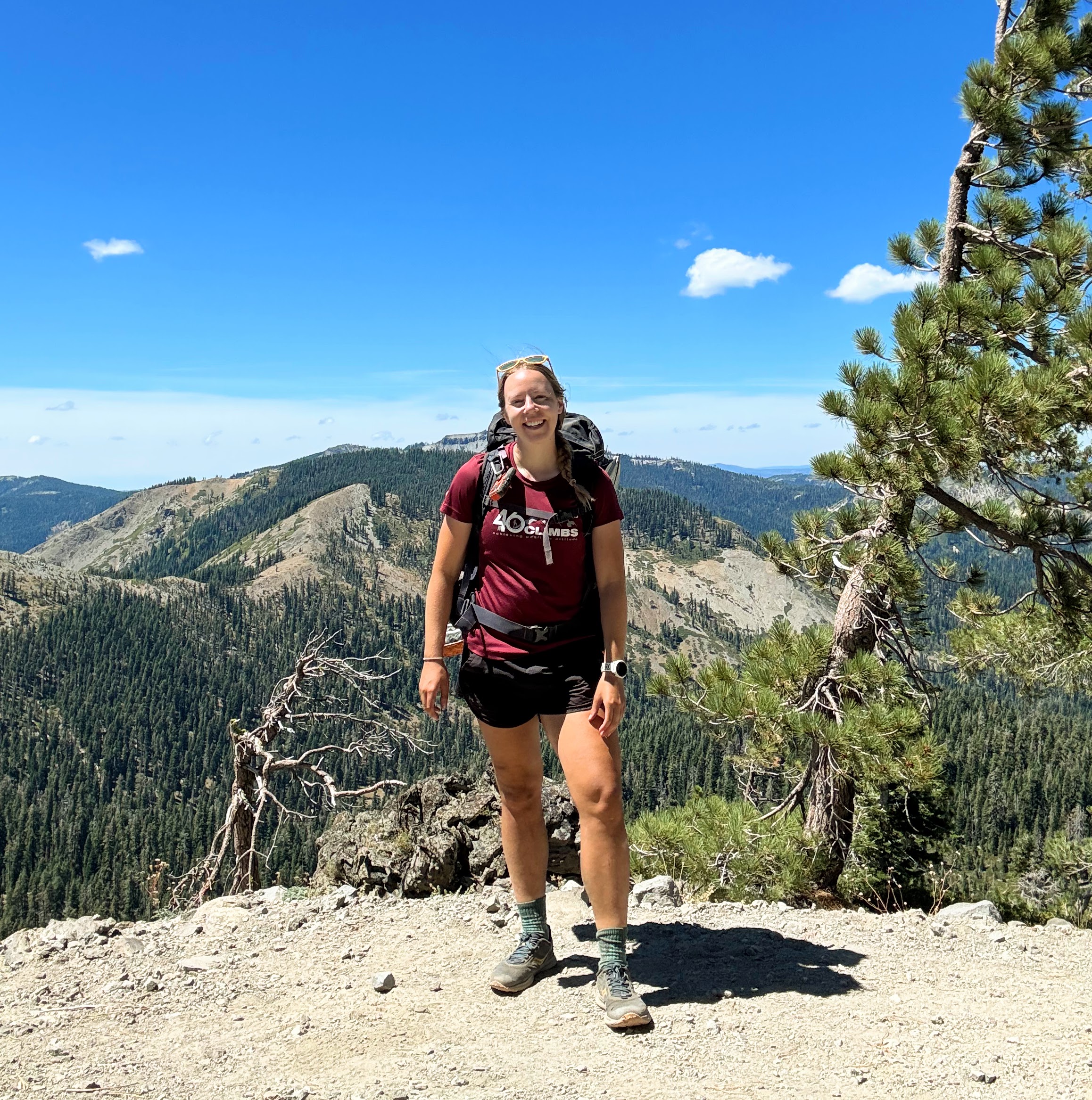
Appreciating one of the many beautiful views on the PCT
7. The AT gave me the confidence to dream bigger.
More than anything else, the AT helped me gain confidence to travel further and hike longer sections. When I first started backpacking, there was absolutely no way I could have flown across the country to spend hundreds of miles hiking through unfamiliar wilderness by myself.
Honestly, I probably wouldn’t have made it more than a few days. The confidence to tackle the PCT didn’t appear overnight. It was built through years of hiking, learning, making mistakes, fixing those mistakes, and gradually taking on bigger challenges. Every overnight trip, every section hike, every difficult day on the AT contributed to getting me here.
The PCT still pushes me outside my comfort zone, but thanks to the AT, that comfort zone is a lot bigger than it used to be.
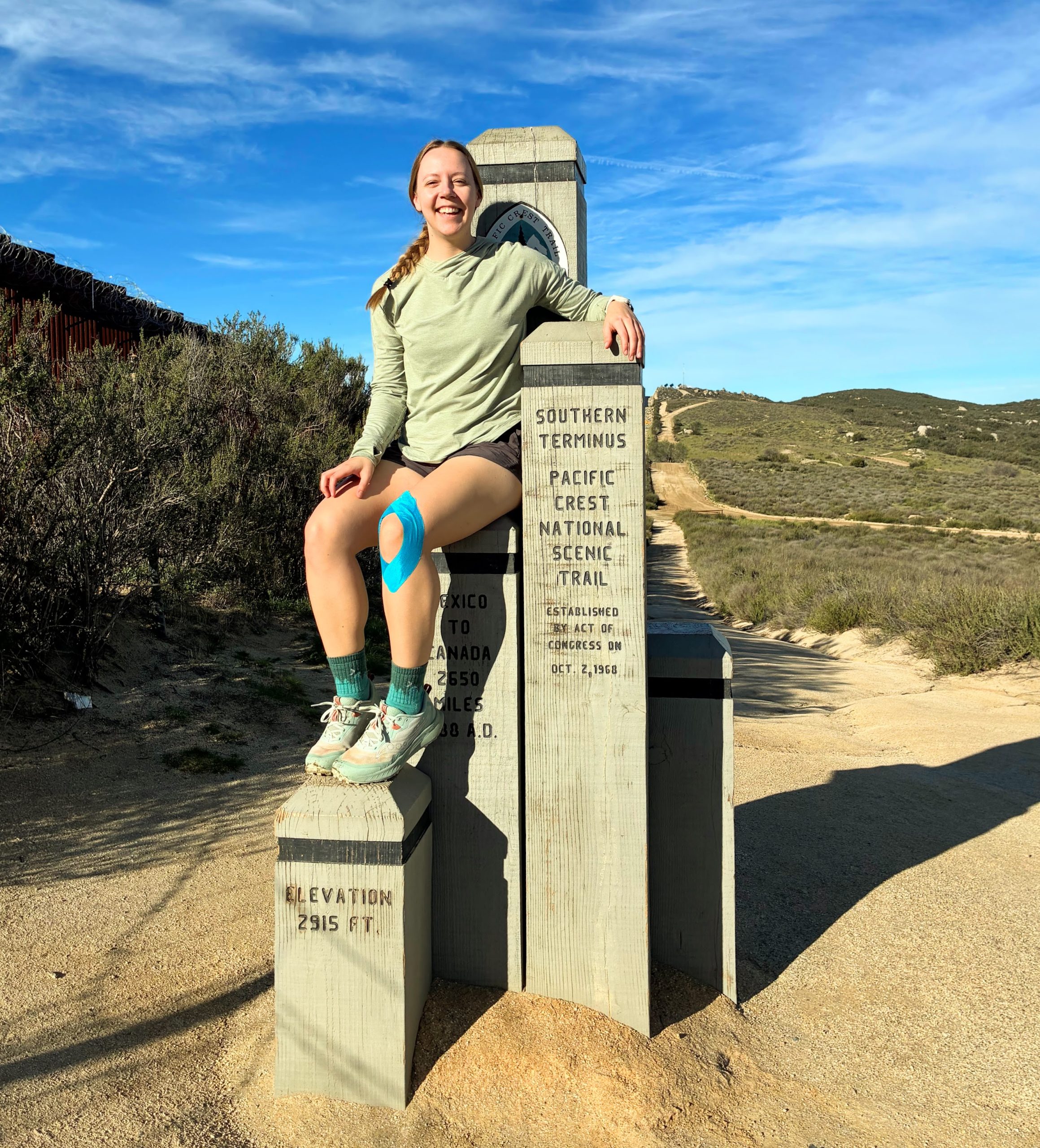
Hiking the AT first gave me the confidence to begin my journey of hiking the PCT
Looking Ahead After Looking Back
I’m not saying that there’s a right answer to which trail hikers should start with. Plenty of hikers start on the PCT and have amazing experiences. For me, beginning with the AT was exactly what I needed.
The AT taught me how to backpack. It taught me resilience. It made me physically stronger. It showed me how to problem-solve. Most importantly, it gave me the confidence to believe that bigger adventures were possible.
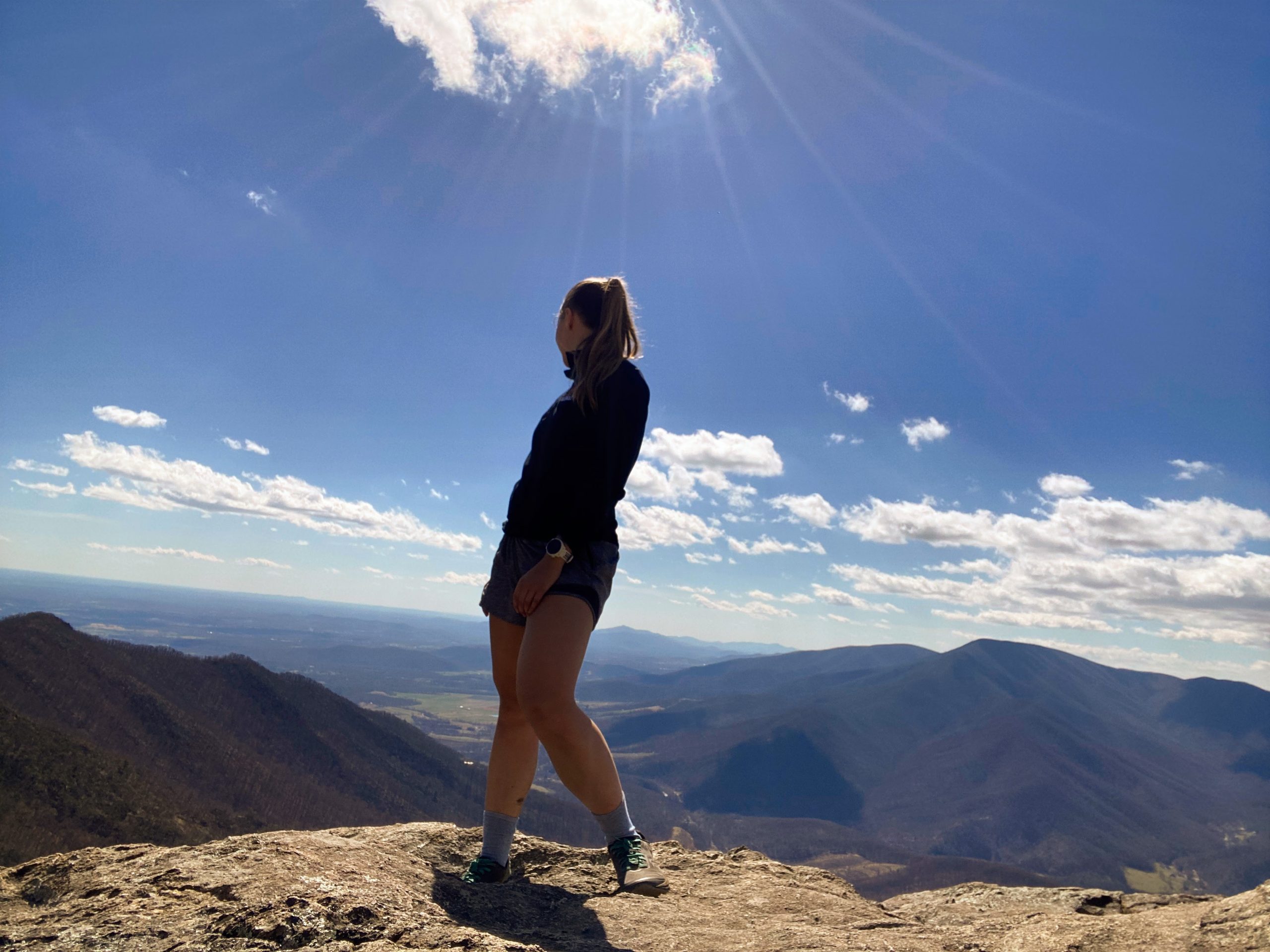
Looking back on the AT in Virginia
As I look ahead to one day finishing the PCT and eventually hiking the Continental Divide Trail, I’m grateful for every lesson the AT taught me. The CDT still intimidates me, with its remoteness and ruggedness. But that’s also how I used to feel about the AT and then the PCT. If the AT has taught me anything, it’s that you just have to take your first step. I know that when I finally step onto the CDT, I’ll be carrying a lot more than just my gear. I’ll be bringing with me all these years of experiences and lessons that began one rainy October day in the mountains in Georgia.

This website contains affiliate links, which means The Trek may receive a percentage of any product or service you purchase using the links in the articles or advertisements. The buyer pays the same price as they would otherwise, and your purchase helps to support The Trek's ongoing goal to serve you quality backpacking advice and information. Thanks for your support!
To learn more, please visit the About This Site page.