
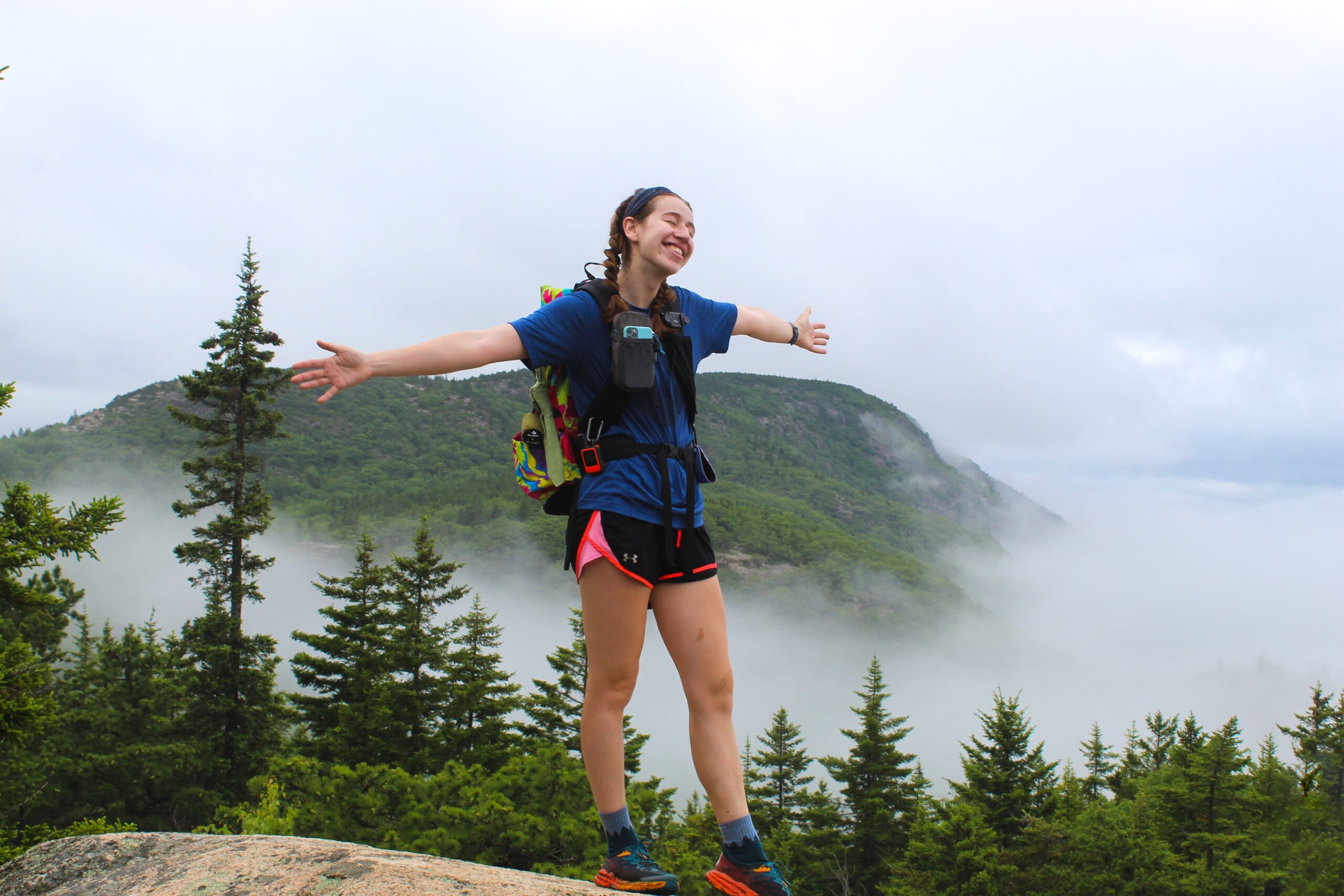
 ">


Everything You Need to Know About the PCT Norovirus Outbreak
A severe outbreak of acute gastroenteritis — a stomach flu commonly caused by the highly contagious norovirus — has struck the Pacific Crest Trail (PCT) in Southern California, forcing public health agencies and trail organizations into an emergency containment effort.
The Pacific Crest Trail Association (PCTA) has issued an official alert confirming reports of widespread gastrointestinal illness affecting hikers between trail miles 298 and 374, an area that encompasses Swarthout Canyon and the trail town of Wrightwood.
At this time, there is no confirmed source of the reported illness. However, laboratory testing at urgent care clinics in Hesperia, Victorville, and Lancaster has confirmed that at least 7 to 12 hikers contracted norovirus, with more than two dozen others reporting identical, debilitating symptoms.
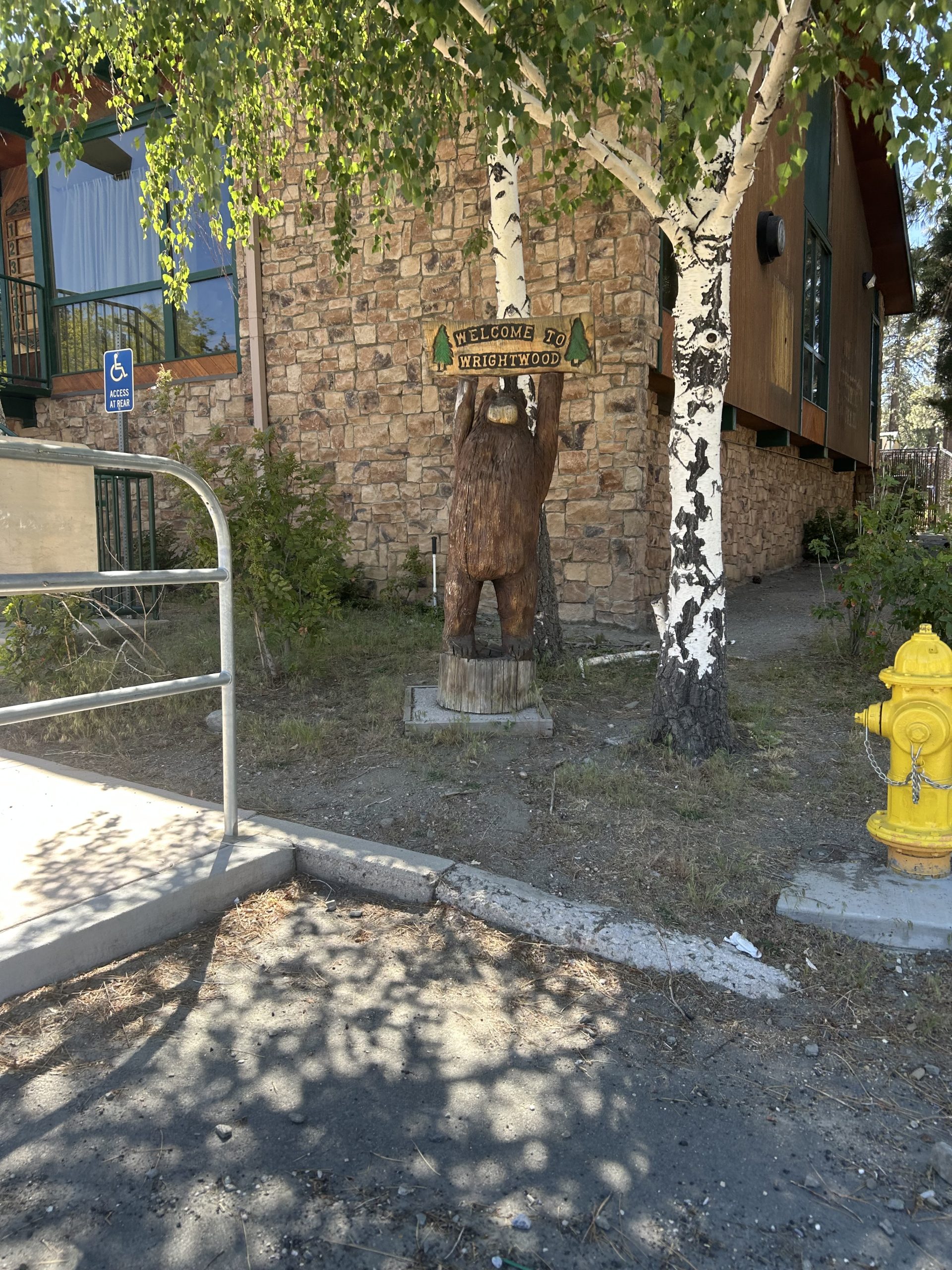
The town of Wrightwood. Photo via Megan Masterson
Norovirus on Long Distance Trails
The current outbreak began around a month ago near Wrightwood, located 77 miles northeast of Los Angeles. While, nationwide, norovirus typically peaks during winter months, rapid transmission between hikers in bubbles on long-distance trails leads to an anomalous surge in the late spring and summer months.
Norovirus is an incredibly tough virus that is notoriously hard to kill. It can survive on hard surfaces for weeks and can even withstand heat up to 145°F, meaning boiling water won’t automatically destroy it. To make matters worse, it is wildly contagious. It takes as few as 18 to 20 microscopic virus particles to make a healthy person violently sick, yet an infected person sheds billions of these particles every time they throw up or use the bathroom.
When a backpacker comes down with norovirus, the symptoms paired with their physical needs can quickly turn dangerous. The sudden onset of projectile vomiting and severe diarrhea leads to rapid dehydration. In remote wilderness settings where clean water is scarce, this can quickly lead to a decline in cognitive function and cardiovascular stability.
On May 14, a 73-year-old hiker near Mount Baden-Powell suffered from severe weakness and was unable to stand. Emergency search and rescue personnel had to execute a complex helicopter evacuation to transport the hiker to a medical facility in Lancaster to treat this norovirus-induced dehydration.

Mount Baden-Powell. Photo via Lauren Singer
What Started the 2026 PCT Norovirus Outbreak?
While there is no confirmed outbreak location, there is one suspected source of transmission: an unofficial, volunteer-run water cache in Swarthout Valley at mile 347.3.
The PCT in Southern California is notoriously dry, with hikers needing to juggle long water carries. Well-intentioned trail angels often set up open-container water caches at road crossings, which provides both water and a place for hikers to gather and camp together.
On May 10 and 11, eyewitness reports detail two infected hikers camped within 5 to 20 feet of the Swarthout Valley water cache. Both were actively vomiting and using shallow catholes and could have contaminated the handles of the shared water jugs. Because norovirus features an incubation period of 12 to 48 hours, these two hikers likely caught the virus further south and hiked for miles before realizing they were ill and scattering the pathogen along the trail.
Dozens of hikers who arrived later and handled the containers contracted the illness.

Swarthout Valley water cache. Photo via Darcey Hernandez
Standard Backpacking Hygiene Doesn’t Kill Norovirus
Most thru-hikers rely on alcohol-based hand sanitizers as their primary hygiene method. However, because of the biological structure of norovirus, sanitizers containing 60% to 95% alcohol cannot neutralize it. Soap and water do not kill the virus either, but they act as surfactants to mechanically loosen and rinse the particles from the skin in a way that hand sanitizers can’t replicate.
And, in the unfortunate case of an infected water source, most filters also may not be up for the challenge. The vast majority of backpackers use hollow-fiber membrane microfilters with a pore size of 0.1 to 0.2µm, such as a Sawyer Squeeze, with has a pore size of 0.1µm. While highly effective against bacteria and protozoa like giardia, these pores are far too large to trap norovirus, which measure a minuscule 0.03µm. The virus passes directly through standard filters untouched.
Coordinated Public Health Response
To contain the spread, the PCTA is coordinating directly with the California Department of Public Health, the San Bernardino County Department of Public Health, and the U.S. Forest Service to distribute necessary information to the trail community.
To start, volunteers have removed all open, shared water containers from the Swarthout Valley cache, replacing them with sealed, single-use bottles while local trail lodging and hostels in the Wrightwood area have temporarily closed to PCT hikers to stop transmission in high-density indoor environments.
The San Bernardino County Department of Public Health has launched an official health survey for anyone who has been affected or has relevant information regarding their time on the trail in this area. Survey responses go directly to public health officials, not the PCTA or the U.S. Forest Service. All health-specific questions must be directed to the San Bernardino County Department of Public Health.

Hand washing station at a water cache. Photo via Sage Wagner
Norovirus Prevention Recommendations for Hikers
Public health officials have stated that backpackers need to change their habits in order to break the chain of transmission. Instead of relying on hand sanitizer, wash hands vigorously with biodegradable soap and clean water at least 200 feet away from natural water sources after using the toilet and before eating. And, because standard filters fail against viruses, hikers in the outbreak zone must use secondary chemical disinfection (chlorine or iodine) or boil their water for at least 1 minute (3 minutes if above 6,500 feet).
Finally, any hiker experiencing acute vomiting or diarrhea must immediately isolate from others, stop handling shared food, and leave the trail to quarantine. Infected individuals remain highly contagious and must stay isolated for at least 48 hours after all symptoms have completely resolved.
Featured image via Zach Davis

This website contains affiliate links, which means The Trek may receive a percentage of any product or service you purchase using the links in the articles or advertisements. The buyer pays the same price as they would otherwise, and your purchase helps to support The Trek's ongoing goal to serve you quality backpacking advice and information. Thanks for your support!
To learn more, please visit the About This Site page.
