
 ">
The Real Hiking Viking’s 10 PCT Hot Takes
You know, a lot of people say that hiking the PCT is the easiest of all the Triple Crown trails. Well, I’m here to tell you—it’s not like that.
If you think hiking the PCT is going to be all ponies and rainbows, think again. It’s not.
Hey, I’m Jabba, the Real Hiking Viking. I’m a Triple Crown thru-hiker. I’ve been backpacking since 2013 almost every single year, to the tune of over 20,000–25,000 miles. I’ve lost count, but I’m here to tell you—I’m the expert on the Pacific Crest Trail.
Today, we’re going to talk about my 10 harsh truths of hiking the Pacific Crest Trail.
These truths are all the things that people don’t want to admit about hiking the PCT.
1. The Desert Will Break Your Spirit
The first thing I want to talk about is the desert. The desert will break your spirit.
You’ve got 700 miles until you get to the Sierra, and all you’re doing is thinking about the Sierra—but really, you’ve got to go through the lowest of the lows first. Sometimes through snow early on, and you’re not ready for half of it at all. It’s monotonous. It’s painful. It’s where your feet swell every day. Water is scarce.
The desert—it will break your spirit if you’re not prepared for that kind of experience before getting to the Sierra. Those 700 miles? It’s like its own little thru-hike within a massive thru-hike. Mentally getting through that before you even reach some of the most glorious parts of the trail can be very difficult.
One time I was hiking in the desert on the PCT, going over San Jacinto. On the north end, you’re descending into the desert. You drop like 3,000–4,000 feet, maybe more. It goes from snow at the top to 120 degrees at the bottom.
And you’re completely out of water.
All you’re thinking about is that water fountain at the bottom while the sun is just baking you. There’s no shade anywhere. If you’re not prepared for that, it’s going to be a long hike to get back to water.
So before you hit the desert, make sure you have a real understanding of what it’s going to take to get through those first 700 miles—before you even touch the next 2,000.
And remember: the desert does not care about your Instagram feed.
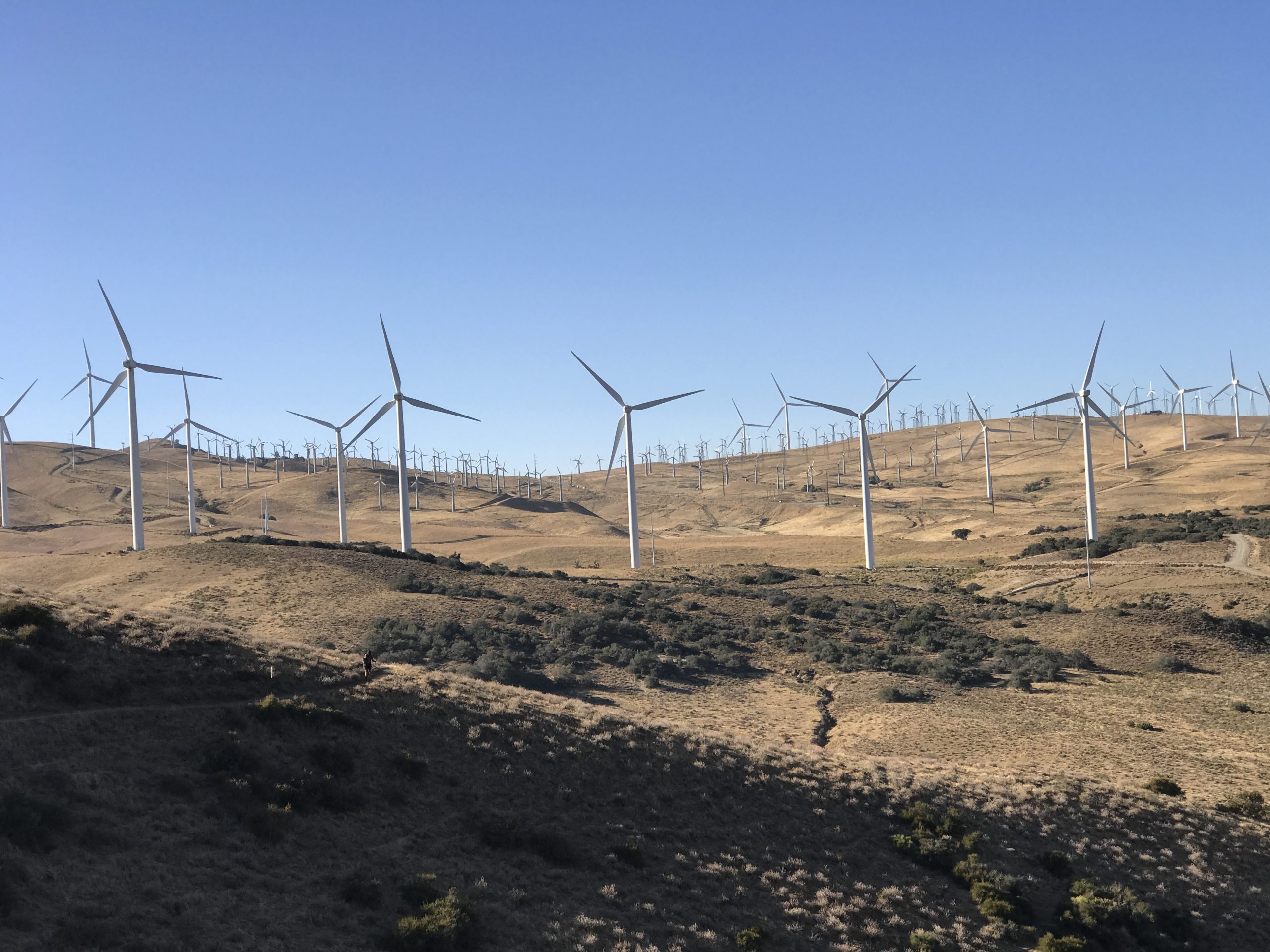
PCT desert, 2017.
2. Most of You Won’t Finish
Before we go any further, I just want to make something clear: Most of you reading this—you’re probably not going to finish. I’m sorry to say it.
Stats don’t lie. Less than 25% of people who start the Pacific Crest Trail actually finish it. I know that sounds crazy, but you have to be prepared for that reality.
My first two times hiking the PCT, I didn’t finish. There are a lot of reasons people don’t finish any thru-hike, but on the PCT, it’s less than 25%. So be realistic about your odds.
And don’t just look at someone’s Instagram and think, “This is going to be amazing.” Half the time, I’m frustrated. My body hurts. Something is going to come up. You’re going to think about quitting all the time.
But if you don’t finish, it doesn’t invalidate anything you did.
Every hike shapes you—whether you complete it or not. You’re still allowed to have a good time. And you’re still allowed to call it when you decide to.

Jabba on the PCT, 2017.
3. Your Body Is Going to Rebel Against You
Your body is going to rebel against you.
A lot of people don’t finish because of pain and injury—but I’m not just talking about sore muscles.
I’m talking about:
- Toenails falling off
- Waterborne illnesses like Giardia
- Norovirus from other hikers
- Infections
- Sepsis
- Dog bites
- Stress fractures
- Rolled ankles
- Broken bones
Any number of things can happen out there. You need to factor that in—your budget, your timeline, everything. Your body is going to break down in some way. It’s a given.
And I’m not saying this to scare you. It shouldn’t scare you. The best things in life come from persevering. But you need to understand—it’s not going to be easy. You will have to fight through pain. I’ve experienced pain on every single one of my thru-hikes.

You can’t mentally prepare pre-trail for a scorpion bite, can you? Scorpion on the PCT, 2017.
4. It’s More Social Than You Think
The PCT has gotten so popular that what you think is a wilderness expedition is more like a social experiment.
Just like the AT, you’re not going to be alone most of the time.
You form clusters. You form bubbles. You’ll see the same people throughout the day, in town, hitchhiking—before you know it, even if you didn’t want a trail family, you’ll have one. Especially early on, there are just so many people.
Most people quit in the first quarter of the trail—around the time you reach the Sierra—but those first 700 miles are packed.
You’re going to meet people from all walks of life: experienced thru-hikers, total beginners, and every personality type imaginable. And you all end up forming this moving conga line.
If you want a solo experience, you’ll have to actively work for it. Otherwise, accept that you’re going to be around a lot of people.

Trail magic on the PCT, 2017.
5. Your Budget Will Get Wrecked
Depending on when you start, your budget can get wrecked fast.
A lot of first-time hikers want to start early so they don’t have to push big miles right away. But the slower you go, the more money you spend.
You might hit snow early. You might take a bunch of zeros. Before you know it, you’ve taken a week or two off in the first few hundred miles.
Then you get past the desert and realize—you’ve blown half your budget and you’re not even a quarter of the way through the trail.
Then maybe you have to flip north because of snow. Now you’re flying, renting cars, changing plans—it all adds up.
People don’t realize how expensive thru-hiking really is. So be responsible with your money. It’s hard when you’re in town with friends and want to eat, drink, and hang out—but you need that money to finish your hike.

Town food, baby.
6. You’ll Obsess About Food
You’re going to obsess about food all the time.
Some people try to plan all their resupplies in advance with boxes. I’ve done that, and I’ve also winged it. Pre-planning sounds great—until you’re eating the same food over and over. By your fifth box, you’re trying to give it away.
If you do pre-plan, have a ton of variety. And don’t just pack healthy food—you’re going to want junk food. On trail, all you think about is what you don’t have. Candy. Meat. Chips. Whatever it is—your brain will fixate on it.
You’re constantly hungry. Food is your lifeline. And when you get to town? You’re eating burgers, milkshakes, pizza.
So balance it out: eat healthier on trail, or eat healthier in town.
Just make sure you’re getting some nutrition somewhere. Malnourishment is real, and it can lead to injury or just feeling terrible.

7. Town Days Aren’t a Vacation
Town days are not the vacation you think they are.
You might take a zero—but spend the entire day doing chores:
- Laundry
- Gear repair
- Resupply
- Doctor visits
- Eating
- Seeing friends or family
Before you know it, the day is gone—and you didn’t even rest.
Time in town is precious.
I like to do what I call a “death march” into town—push hard to get there early, get all my chores done, and then actually enjoy a zero. Town is where a lot of your best memories are made. On trail, I hike solo. In town, I’m with people.
And yeah—I’m guilty of the double zero. I’ve even taken a triple zero. Sometimes you just need it.

8. Fire Closures Don’t Care About Your Plans
Fire closures don’t give a crap about your plans.
You can train for years. Plan everything perfectly. Doesn’t matter.
My first two PCT thru-hikes ended because of fires.
Coming from the East Coast, I had no idea how common fires were out West. They can happen anywhere, anytime—and completely derail your hike.
You might want to keep your footsteps connected. You might want a “pure” thru-hike. But sometimes, Mother Nature has other plans.
Hiking through closures illegally? Bad idea. Road walking 200 miles? Also terrible.
You have to be flexible—or you’re going to have a bad time.

A fire closure can sunset your hike prematurely.
9. The Mental Game Is Brutal
After about the first month, your body adapts.But mentally? It gets harder.
Everything becomes repetitive:
- 20-mile days
- Waking up early
- Digging cat holes
- Eating the same food
It can feel monotonous. Lonely. Boring—even though it’s still beautiful.
The mental side is the number one reason people quit. If you don’t find ways to cope or mix things up, it can break you.
Sometimes you need to: take a zero, slow down your pace, do something totally different, or even just get off trail for a bit
I’ve taken breaks for family vacations, gone to the beach, spent the 4th of July in Lake Tahoe—anything to break the monotony.

An epic side quest or alternate route is a great way to break the monotony. Crater Lake, 2017.
10. It Might Not Change You How You Expect
The trail changes you—but maybe not how you think.
Some people expect this huge, life-changing, profound experience. You might have that—but it might not look how you imagined.
For me, it just meant I wanted to keep thru-hiking. It didn’t send me back to the “real world” with some completely new life plan.
Maybe the biggest takeaway is just realizing you want to spend more time outside. Maybe that’s enough.
Those “life-changing moments” might not be dramatic. They might just be quiet realizations that you carry into your everyday life.

Final Thoughts
So those are 10 harsh truths of the Pacific Crest Trail.
They might not be the top 10. You might have your own. If you do, throw them in the comments.
Alright, gang. Don’t forget to like and subscribe. And just remember—get out there.
I’m Jabba, the Real Hiking Viking. Take it easy.
The above is a transcription. Minor edits have been made for clarity and readability, while preserving the original message and intent. This video is part of a new series on The Trek’s Youtube. Be sure to check out the full video and subscribe to our YouTube channel.

Finishing the PCT at the Southern Terminus with Zach Badger Davis. 2017.

This website contains affiliate links, which means The Trek may receive a percentage of any product or service you purchase using the links in the articles or advertisements. The buyer pays the same price as they would otherwise, and your purchase helps to support The Trek's ongoing goal to serve you quality backpacking advice and information. Thanks for your support!
To learn more, please visit the About This Site page.

Comments 2
This is really good advice – and not just for the PCT. A lot of it applies to shorter thru-hikes as well, like the Colorado Trail. PS: I’ll bet that ice cream tasted heavenly.
Coming down off San Jacinto is more like an 8000 foot descent – from about 9000 feet at the trail high point to something like 1200 feet near interstate 10.