 ">
Thinking About Hiking the PCT? Here’s Where to Start (Especially if You’re in the UK)
TLDR: If you want to hike the PCT in 2026, make sure to register to apply for a permit by 3pm (Pacific Time) on 12 December 2025. Register here.
If you’re anything like me, at some point the thought of doing the PCT popped into your mind and, for better or worse, refused to leave. You tell yourself all sorts of stories. You’re scared. It’s expensive. It’s a long time to “just” be walking. You wonder what else you could do with five months of your life. And, well, what about the bears?!
But the truth is, you can’t get it out of your mind. Maybe you’ve been dreaming about the trail for years. Maybe you only heard about it recently and have no idea how you’d even begin organising something like this. Even getting to the start feels like an incredible feat. There is just SO MUCH to organise.
So… where do you start?
What Is The PCT?
I’m guessing if you’re reading this, you probably have a decent idea. But in case you’re new to the trail — or you’re sharing this with family and friends who think you’ve lost your mind — here’s the quick version.
The Pacific Crest Trail (PCT) is a long-distance hiking trail stretching from the Mexican border to the Canadian border, passing through California, Oregon and Washington. It’s roughly 2,650 miles long and runs along the Sierra Nevada in the south and the Cascade Range farther north.
The PCT is broken into five major sections which each present their own challenges:
- The Desert (~700 miles)
- The Sierra (~400 miles)
- Northern California (~600 miles)
- Oregon (~450 miles)
- Washington (~500 miles)
Walking the whole thing typically takes about five months. Some people push for 100-day finishes, and one person has even done it in less than 50 days. For me, as a 25-year-old hiker starting slow due to a chronic injury, it took me a little over 160 days, with the first 1000 miles taking me 77 days, compared to the last 1000 which took me 47 days.
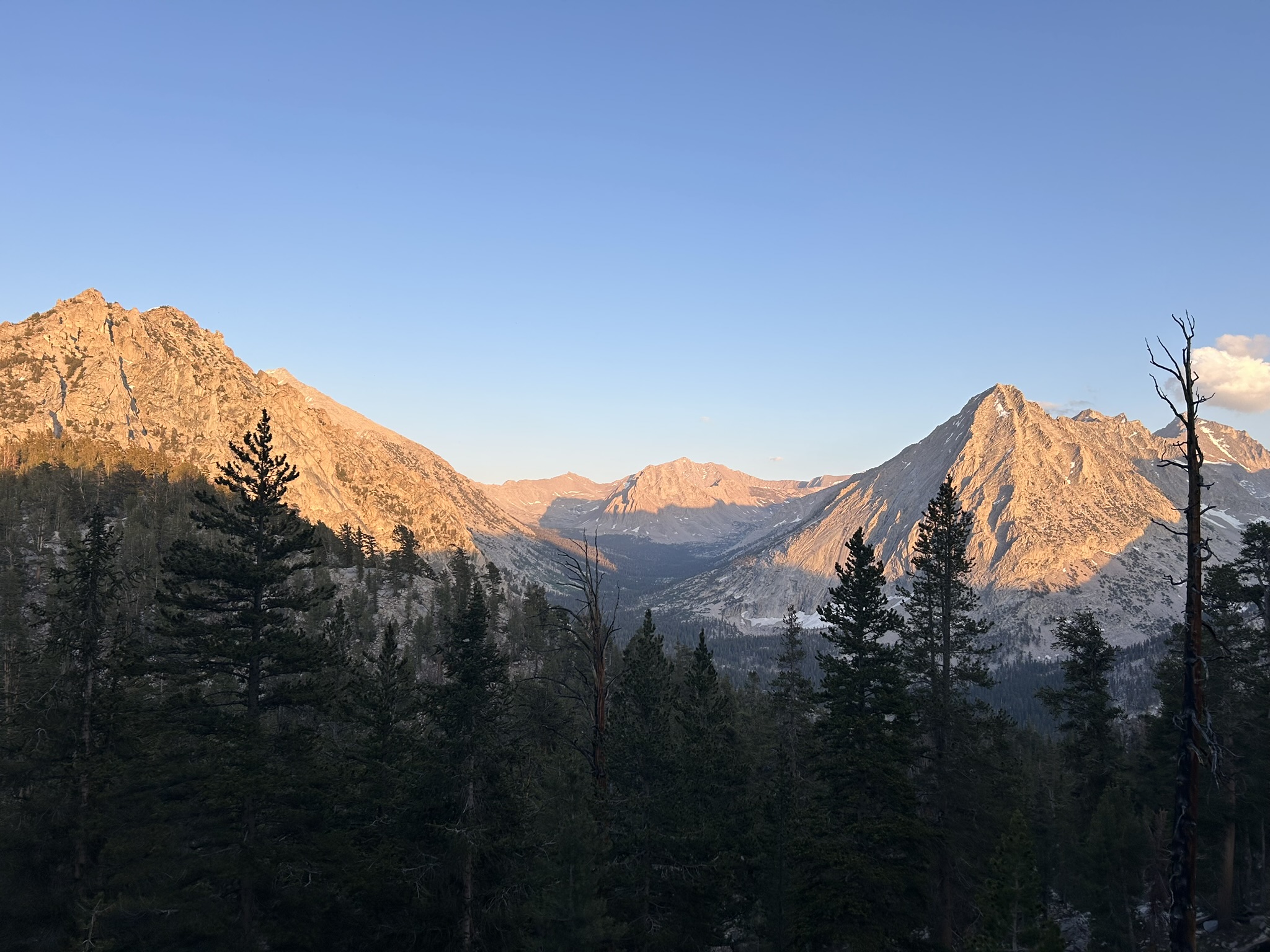
Sierra Nevada, July 2025.
What You Need To Do First
For international hikers — including those travelling from the UK — the first crucial steps are:
- Apply for a PCT permit (or register for the chance to apply)
- Apply for a US visa
Technically, it is possible to walk the PCT without a long-distance hiking permit by applying for loads of local permits. For the truly committed, this can be a great workaround if you couldn’t get a permit, however, I would strongly suggest applying for the long-distance permit if you do plan to walk the whole trail as it’ll make your life a lot easier.
Permit & Visa Timeline for 2026 Season:
- 13 December 2025: PCT permit registration deadline
- 12 January 2026: Time slots released for second round of applications
- 13 January 2026: Second application round open (specific time slots only)
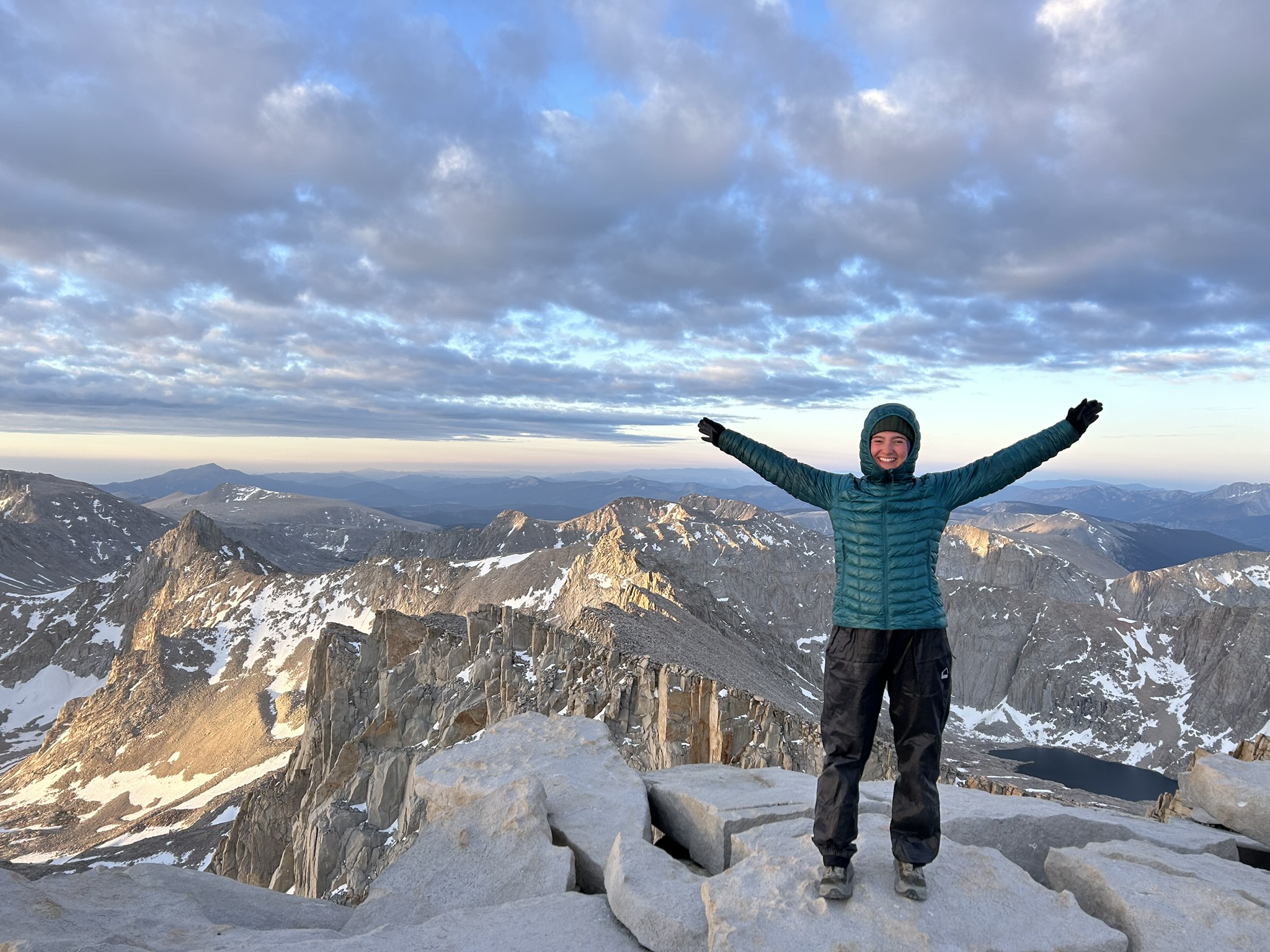
Summit of Mt Whitney, June 2025. Photo by Stephane Rouille.
How to Apply for a Permit
The PCT long-distance permit is free and issued by the Pacific Crest Trail Association (PCTA). For northbound hikers (NOBOs), 50 permits are released per day between 1 March and 31 May.
How the Application Works:
To apply, you first need to register. This year, registration closes on 12 December 2025 at 3pm Pacific Time (11pm for those in the UK).. Registering gives you access to the system for the second permit release on 13 January 2026.
On 12 January, the PCTA will send out your assigned login time. You must login at this time on 13 January. You’ll have a 20-minute slot to pick your start date — so be ready, even if it’s the middle of the night for you in the UK.
You might not get your ideal date. That’s normal. Cancellations appear regularly over the following months, so persistent checking can help you move closer to the date you want. In this case you can check the PCT permit availability and if you see a slot has opened up, you can move the date of your current permit to your new preferred date. As the most popular time to start, mid-April may often be tough to get, though.
People must cancel unwanted permits at least three weeks in advance of their projected start date, so you can generally assume there will be quite a lot of cancellations from mid-Feb onwards where you might be able to move your permit a little closer to your desired start date.
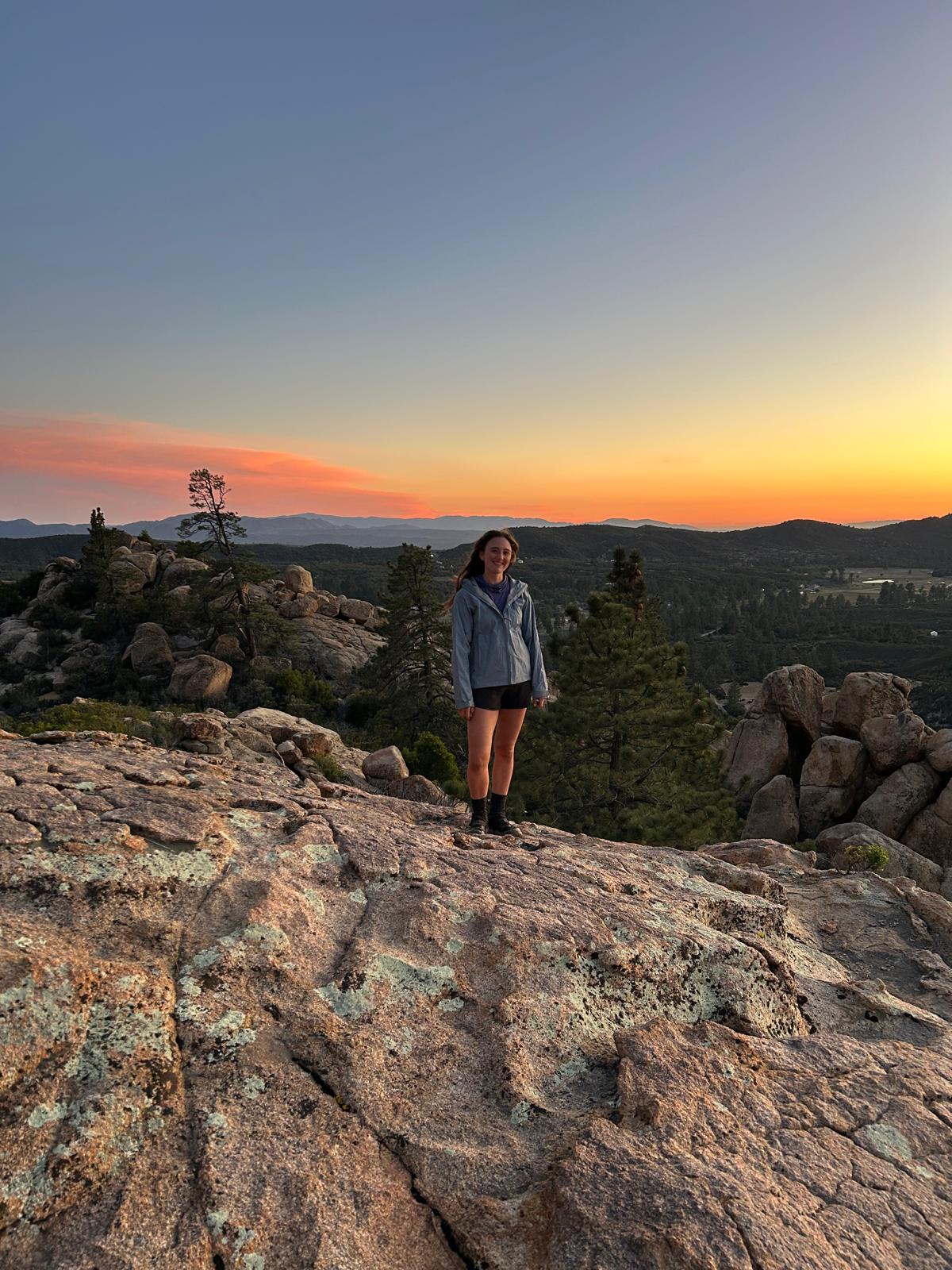
Southern California, May 2025.
Which Date Should You Choose?
It depends partly on your year’s weather and snowpack, but the generally accepted “optimal” start date is around 15 April.
When choosing a date, think about:
- your hiking style
- your fitness or injury history
- how many rest days you’ll want
- your confidence in snow travel in the Sierra (the earlier you arrive, the more snow you’re likely to find)
Ideally, you want a start date that gets you to the Sierra late enough for the snow to have melted to a level that feels safe for your experience, but not so late that you risk running out of time to reach Canada before the first autumn snowfall. You may also want to think about conditions in the desert, and whether you prefer solitude or a more social start. The ‘bubble’ typically begins around mid-April, so that’s the busiest time if you want to make friends.
If you’d like to start a little slower, an early-April start gives you room to take it easy and build up your mileage without worrying too much about your schedule. If you’re aiming for a very quick thru-hike, starting in mid to late May can work well, as you’re less likely to be held back waiting to enter the Sierra.
To give you some context from my own hike:
My start date was 28 April. That’s a great time for most average hikers, but I had a long-term injury. In reality, I should have started earlier to give myself more time to slowly and gradually increase my mileage. As it happened, my later arrival at Kennedy Meadows and slower pace put a lot of time pressure on me towards the end of my hike. I also found the trail quite quiet in some sections, especially in Northern California, as the bubble was far ahead of me and many people chose to skip ahead due to time constraints. That said, my Sierra crossing was relatively straightforward in terms of snow conditions, and there were plenty of hikers around on the day I reached Canada.
A few general patterns:
- Early starts (late March–early April): Slower pace, cooler temperatures, possible desert storms, potential snow in the San Jacintos, and a risk of reaching the Sierra too early depending on the snowpack. Good for hikers wanting to ease into the trail with lower mileage and/or plenty of rest days or stronger hikers who are comfortable with snow and want an early Sierra crossing.
- Mid-April: The classic “best” window for the average hiker.
- Late April–mid May: Hotter desert conditions and more faster hikers. Best for those who plan to start at a decent pace (e.g. 15+ miles/day) with slightly fewer rest days.
- After mid-May: Only advisable if you plan to move quickly. More common among very fit hikers or experienced thru-hikers.
Finally, remember that Sierra snowpack varies year to year. You won’t know what the season looks like until late winter or early spring. In previous years, hikers who’ve arrived too early or experienced a high-snow year, have sometimes chosen to wait at Kennedy Meadows until the snow melts while others ahead and return later.
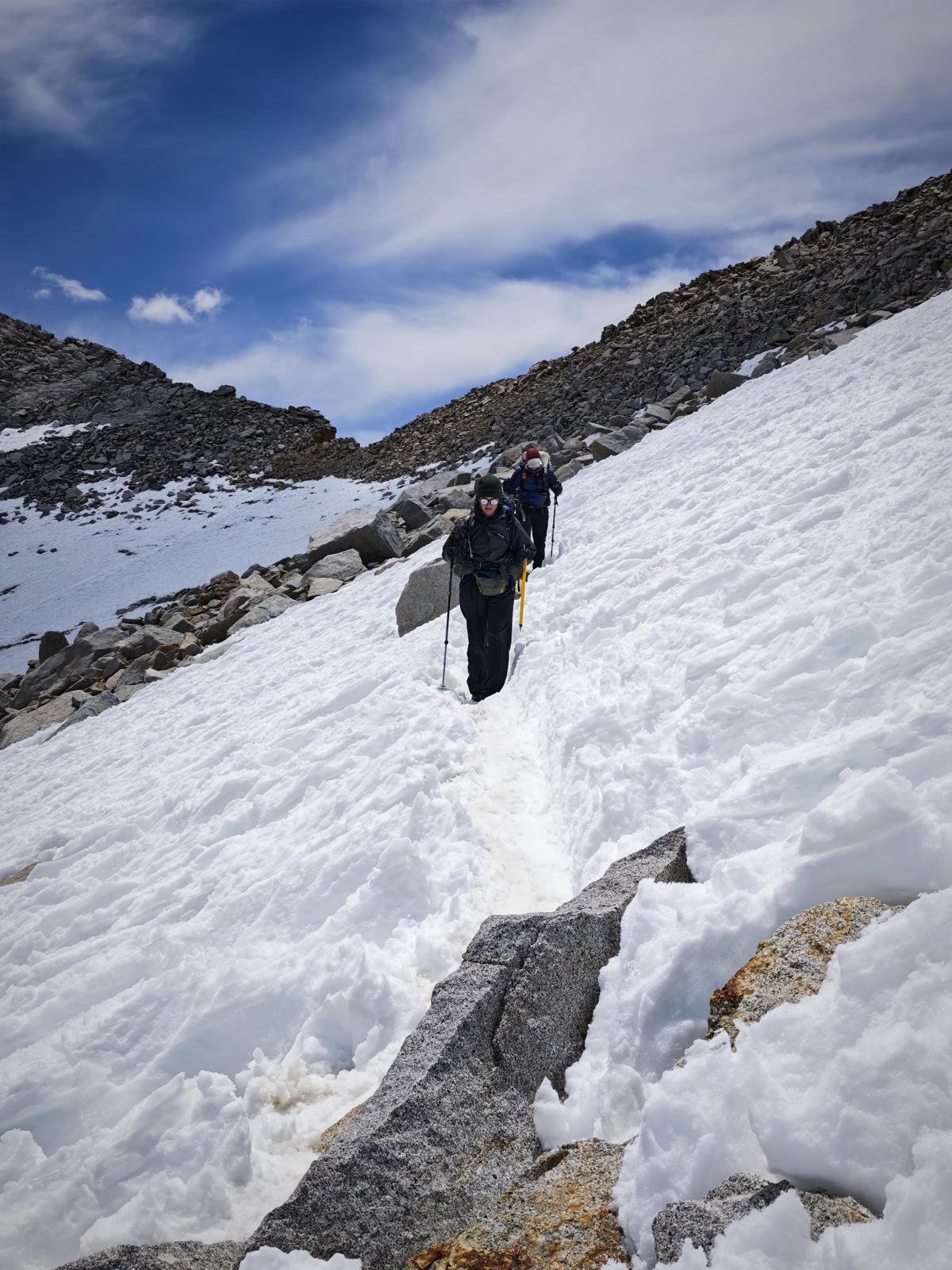
Forrester Pass, June 2025.
How to apply for a US VISA
To stay longer than the 90 days allowed under ESTA, international hikers, including those from the UK, typically need a B2 tourist visa.
The application costs $185 (Dec 2025), and, depending on your nationality, you may also be required to pay additional fees.
Steps:
- Submit the visa application
- Pay the application fee
- Book your visa appointment
- Attend the appointment
- Collect your passport with the visa
Application processing times vary wildly so I would generally suggest the earlier you submit your application the better. This gives you a better chance of selecting an appointment date that suits you. In my case, I applied to the Sydney US Consulate in November 2024 and the first available VISA appointment was in mid February 2025. Typically the VISA appointment is a quick interview where they will ask questions about yourself and your intended trip. You will also have to provide your passport and a photo for them to print your new VISA into your passport.
The B2 VISA is for a 6-month period, however it only begins on the day you enter the US and is actually valid for 10 years. So even if you postponed it to the year after, you could still use the same VISA, as long as it was within that 10 year validity period.
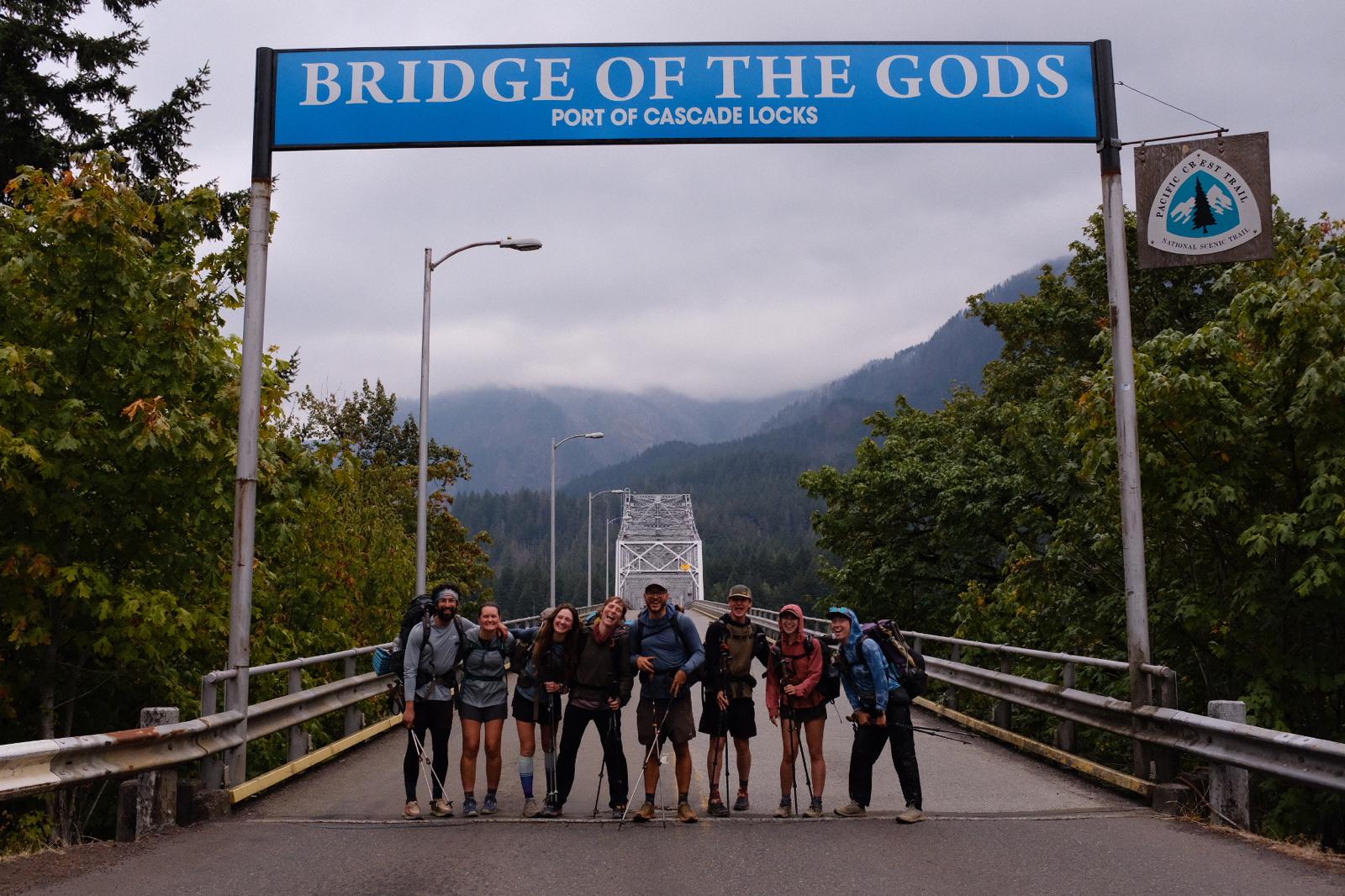
Bridge of the Gods, September 2025. Photo by Nicholas Miller.
If You’re Still Deciding…
As someone who’s gone through the “Should I? Shouldn’t I?” debate, I’ve become quite familiar with the stories one can tell themselves and the questions and fears that can arise. You don’t need to be 100% sure right now. I began planning for the hike well before I decided to do it, preferring to keep the option open while I figured it out.
You might want to spend a bit of time thinking about why you want to do the PCT, and whether this is truly the kind of challenge you’re looking for. If you’re mainly looking to spend time in beautiful nature, a shorter trail like the John Muir Trail or the Colorado Trail might give you exactly what you’re looking for without the months-long commitment. But if it’s the idea of a huge, 2600+ mile challenge that draws you in — the kind where you walk every day for months on end through desert, mountains and everything in between, sleep in a tent (or sometimes not at all), and carry your entire life on your back — then a long thru-hike like the PCT might be for you.
For me, I was keen for a challenge and wanted to see whether I could do it, I was excited by the natural beauty of the West Coast (and yes perhaps the idea of constant blue skies and sunshine), and knew I was determined to push myself even when things inevitably would get hard.
It’s also worth asking yourself what’s holding you back. For me, I eventually realised it was fear — and actually, that realisation was what pushed me to commit. I also had the chance to speak to several people I’d followed online who did the PCT the year before, ask all my questions and dispel some of my fears. It helped to make it more real too.
The key thing is, you will want to ensure that you have the option. For me, that looked like applying for a permit and a couple months later, applying for my B2 US VISA to ensure that I could still do it if and when I decided to go for it.
To-Do List (Quick Summary)
- Register for the January permit release (before 12 December at 3pm PT)
- Submit your B2 visa application
- DS-160 form: https://ceac.state.gov/genniv/
Next steps
Once permits and visas are underway, you can start to think a little more about preparing for your hike, which can involve building fitness, selecting and buying gear, and eventually planning a resupply strategy.
In my next article, I’ll go through the gear that I chose, some of the unconventional choices I made, and what did and didn’t work for me.
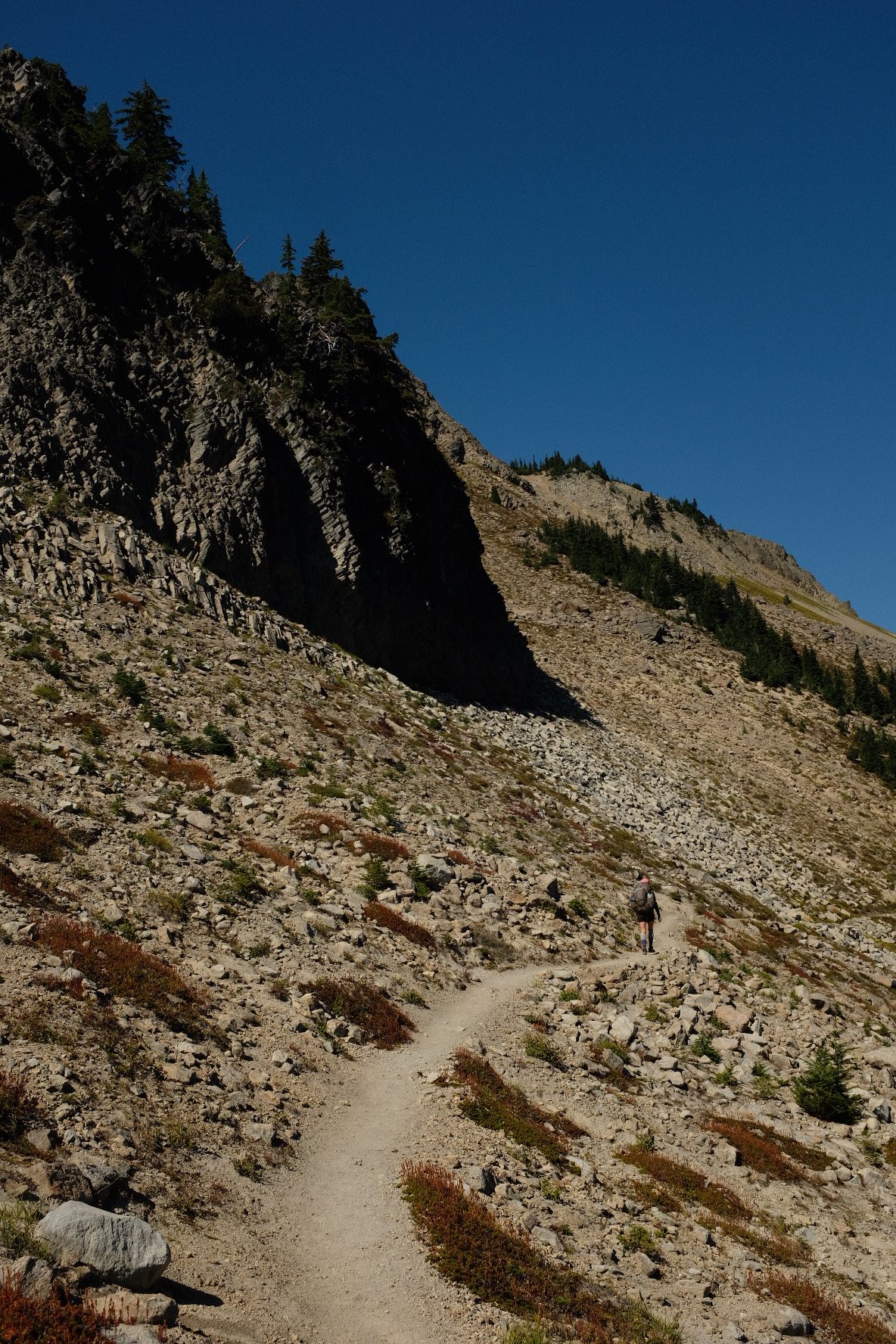
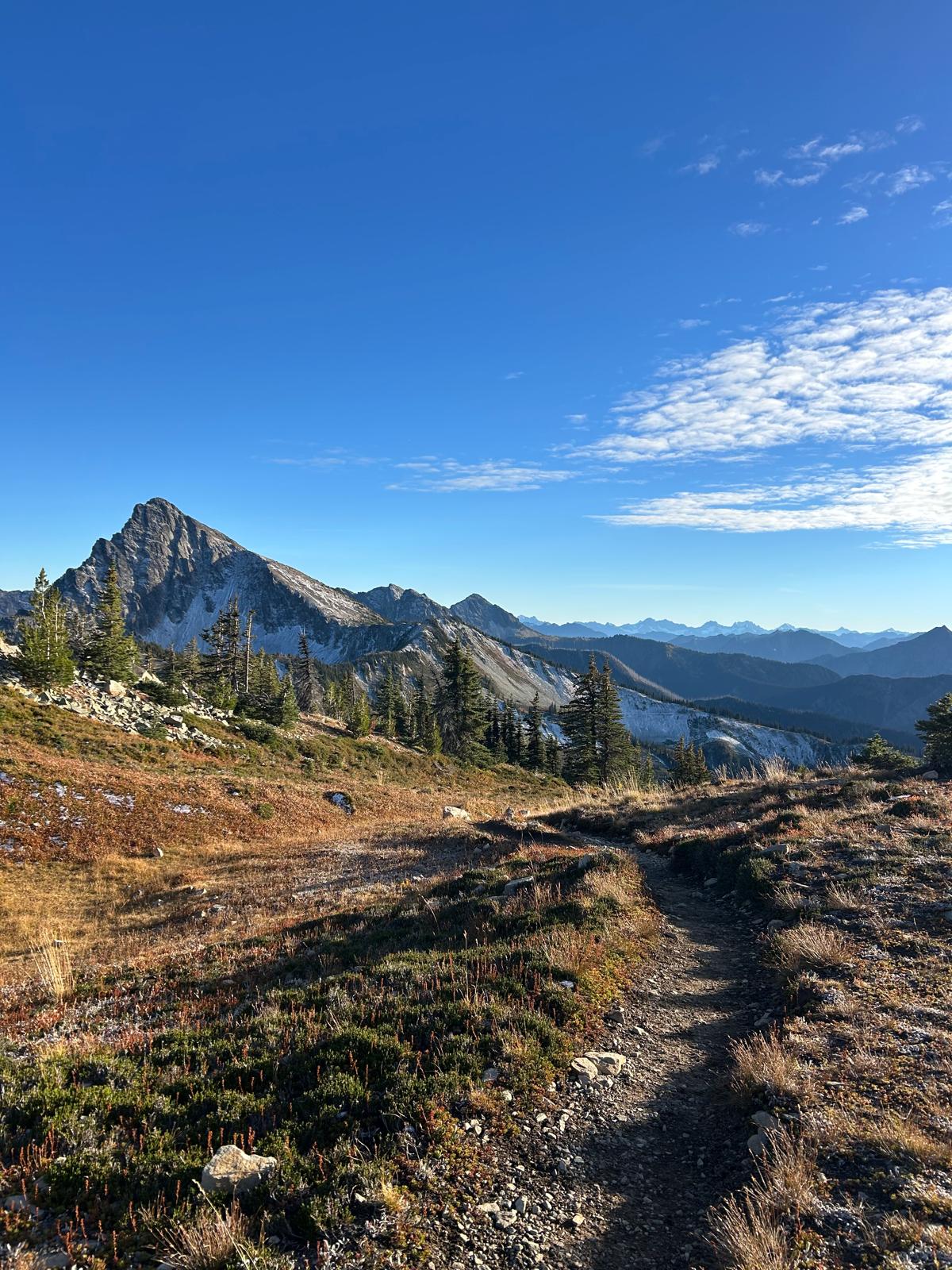
Goat Rocks Wilderness, September 2025. Photo by JohnPaul Escobar.
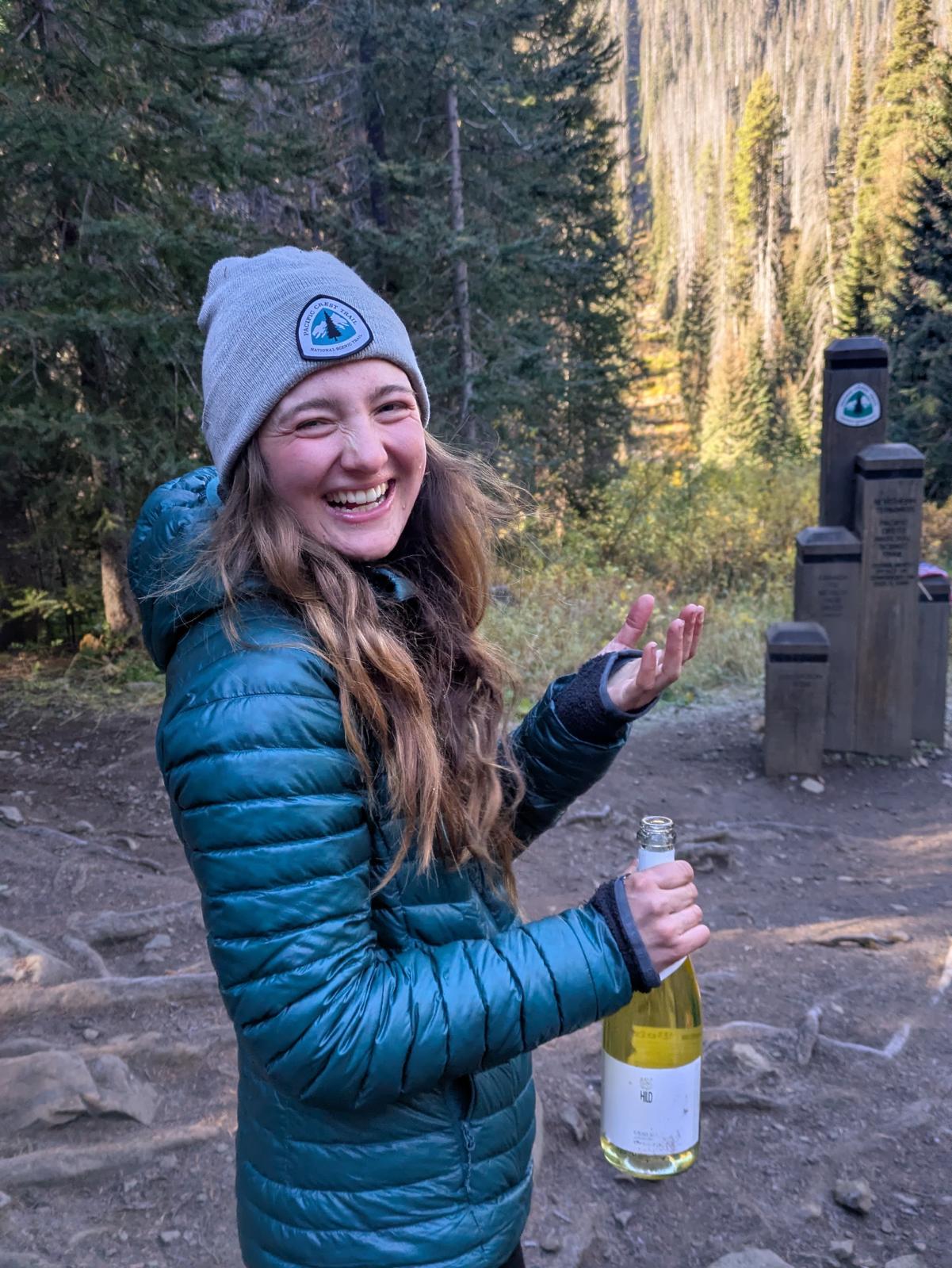
Credits: Featured image by JohnPaul Escobar.

This website contains affiliate links, which means The Trek may receive a percentage of any product or service you purchase using the links in the articles or advertisements. The buyer pays the same price as they would otherwise, and your purchase helps to support The Trek's ongoing goal to serve you quality backpacking advice and information. Thanks for your support!
To learn more, please visit the About This Site page.