
 ">
Why You Should Never Take Gear Advice to Heart
If there’s one environment in which trend-following should die, it’s in the backpacking community.
This is a lesson I learned the hard way while purchasing gear for my first thru-hike: a 2,650-mile journey along the Pacific Crest Trail. I read rave reviews of certain products, like the Altra Lone Peak trail runners, and took them as proof that most popular gear items would also work for me.
I also read countless blogs and gear advice columns in attempts to perfectly dial in my kit before my PCT start date. I wanted to look like a thru-hiker so as to compensate for my lack of backpacking experience. The only sensible way to do this, I thought, was to spend exorbitant amounts of money on high-end clothing and gear.
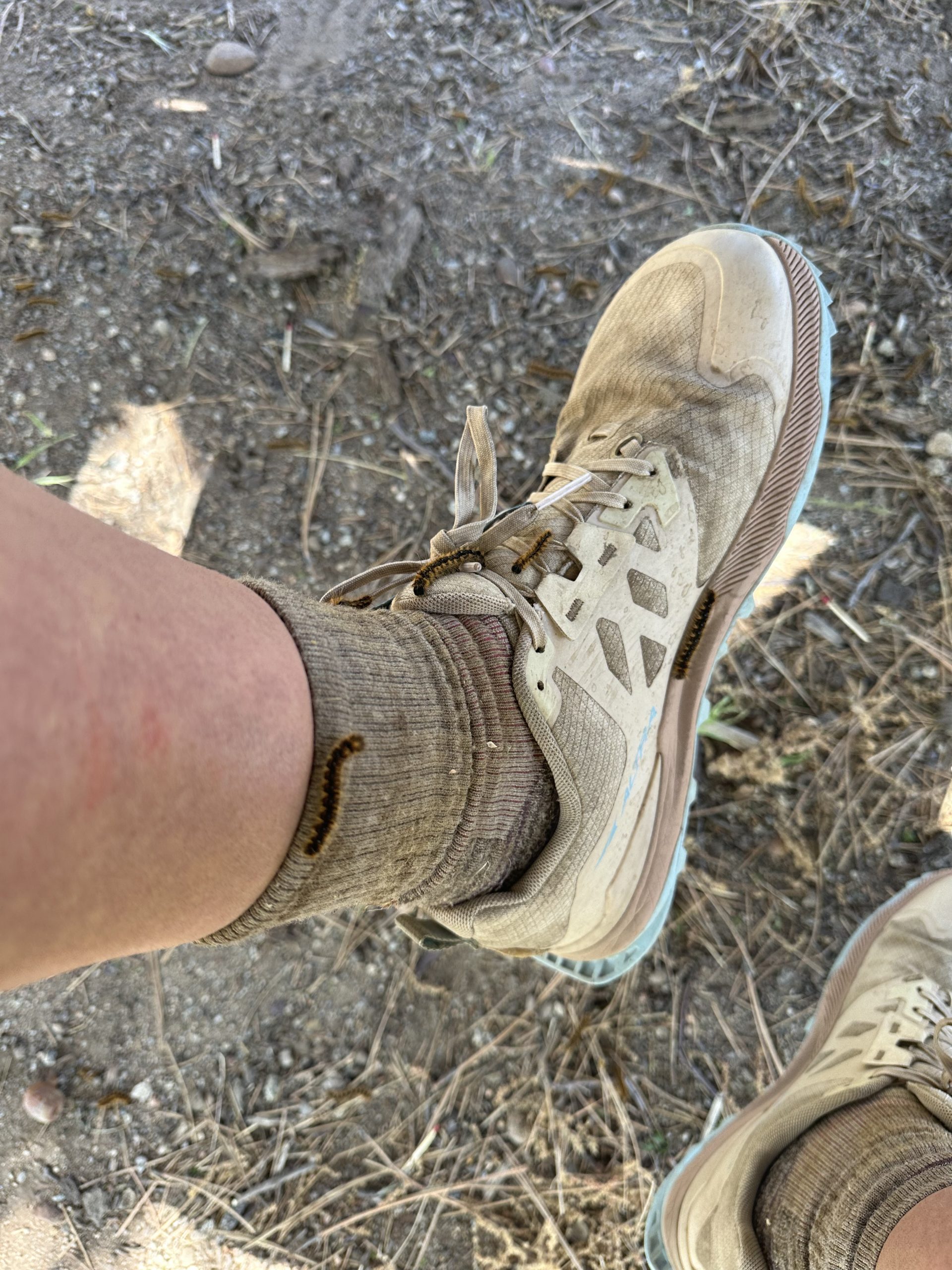
On the day I set out on the trail in late May of 2024, I donned my Darn Tough socks and slipped on my Altras, which I had only tested on two short walks on my neighborhood streets. The first three days on trail were painful and left my feet throbbing. “This is normal,” I thought. “I’m supposed to feel a burning pain on the bottoms of my feet at the end of each day.” The thought that the shoes might be wrong for my feet never crossed my mind.
They’ve topped every trail-running review list; how could they possibly be the wrong fit for me?
I successfully ignored the pain — and also the fact that my feet were expanding from the desert heat — for over 200 miles. But when the time came to cross Mission Creek, which starts at about mile 225, I could no longer ignore what was happening down there. After 15 miles of walking along the washed out trail, I sat down to examine my feet and found two identical, massive blisters spanning the entire width of both front pads. They were deep, swollen, and nearly ready to burst.
My shoe issue cost me three days of walking as I tended to my battered feet in Wrightwood. It also meant I was now miles behind the group I was determined to make my tramily. When left alone to lick my wounds — metaphorically, that is — I started to piece together where I went wrong when picking shoes.
The Trouble With Relying Too Heavily on Others’ Advice
There is more backpacking gear out there than you or I will ever have the time to parse through, and when you’re new to thru-hiking, it can be one of the trickiest things to square away before your first trip. But taking advice, while helpful, is not your saving grace.
Some people swear by their gear choices. That does not mean it’s the right gear for you. In my case, I opted for the most popular shoe pick and neglected my need for extra cushion and a different fit. I also did not anticipate that my feet would swell to three times their normal size.
In the end, I made a much needed switch to a shoe that was by no means trendy among thru-hikers: the Nike Wildhorse trail runners. They had the cushion and wideness I needed. Despite the fact that I saw no other hikers wearing Nikes for my entire thru-hike, I realized the need to blend in with the crowd was not worth the pain I had suffered, and I flaunted my newly healed feet with pride. Maybe I had to learn the hard way.
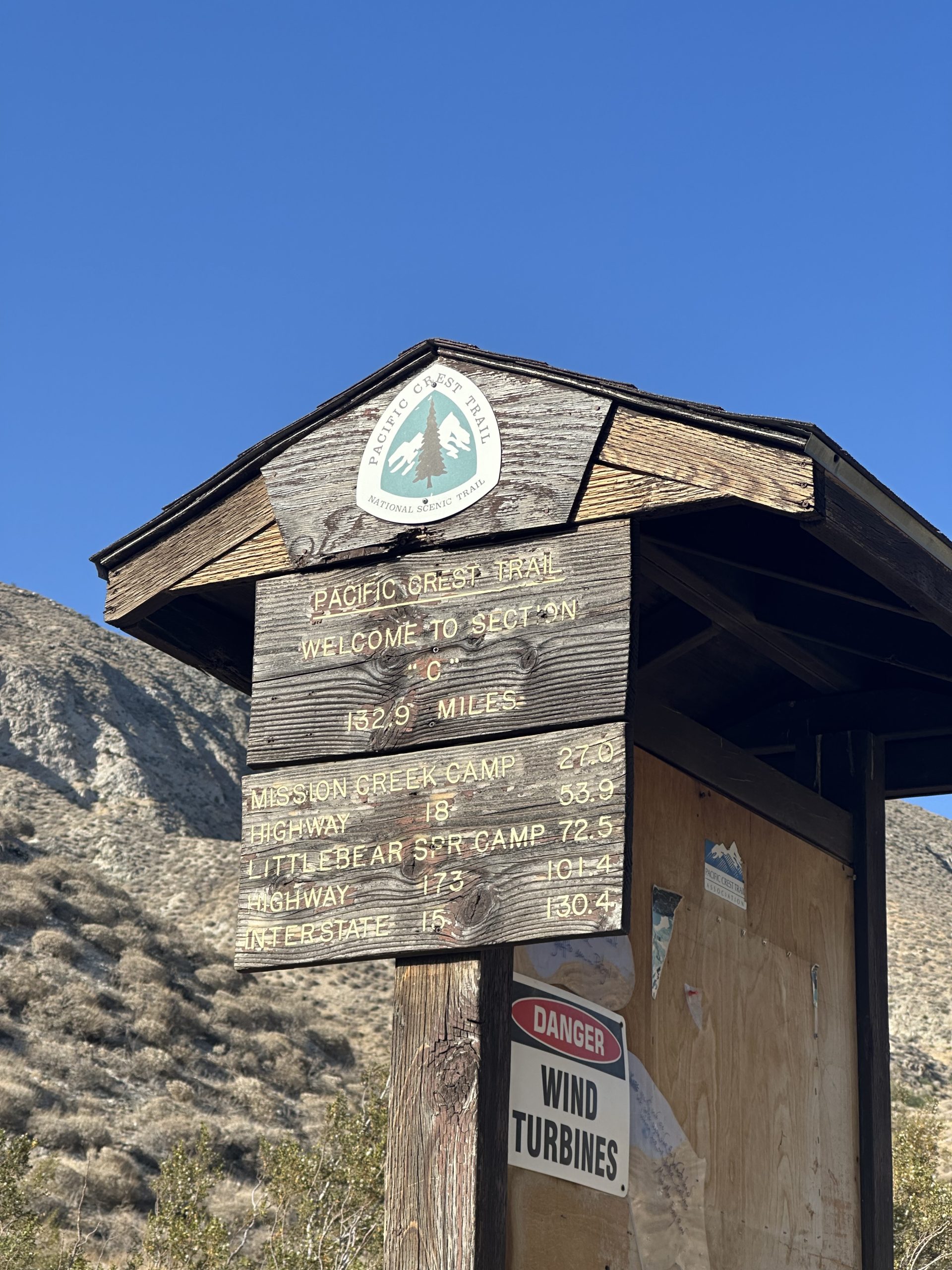
This isn’t to say that you should never buy trendy gear. Some of the hype is real. Rather, you should never buy trendy gear without testing it. For shoes, that means at least one full day of hiking a real trail, which has a much different impact on your feet than taking some laps around paved neighborhood roads.
If you’ve read any thru-hiking advice columns, you know that it’s near impossible to perfect your gear list before you head out. Even seasoned backpackers are constantly switching out items or opting for newer models. No matter the trail you choose to embark on, you will learn something new about yourself and your body’s needs.
It’s important to note that some gear items require more thorough testing than others. Personally, I think you can get away with simply clicking your headlamp on and off to see if it works. But with heavily-used items, a little extra attention to detail goes a long way to ensure you are comfortable and safe. Along with shoes, these are the most important items to try before you commit to using them for a trip.
Don’t Take Gear Advice on These 5 Items
Backpacks
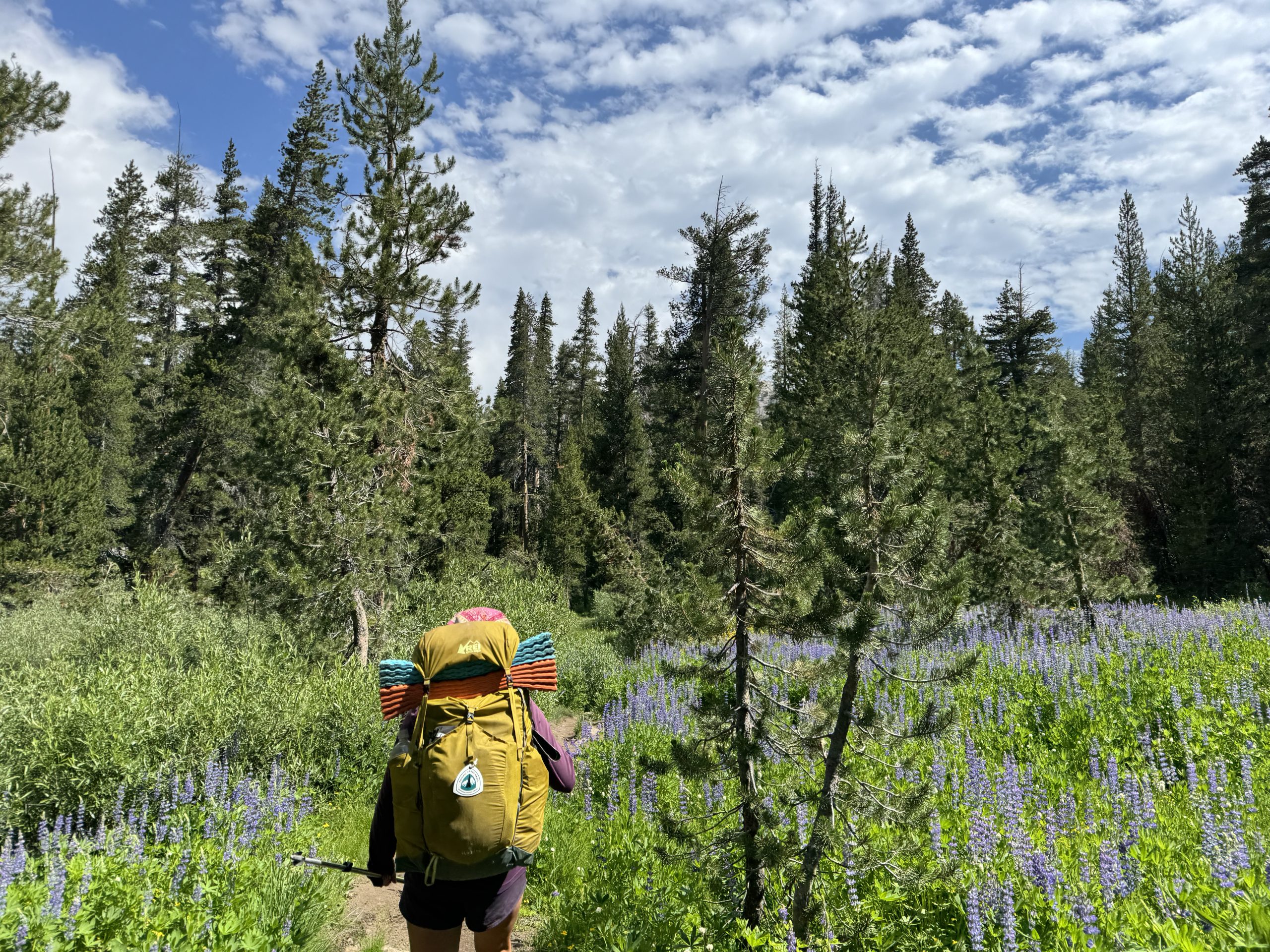
I went to REI for a backpack fitting and learned more than I expected about my body shape, shoulder width and frame. Backpacks were one of the items I saw getting swapped out the most on the PCT.
Your pack will become your shell — almost an extension of your body. Therefore, you’ll need something specific to your measurements. Luckily, there are plenty of options out there, it just might take some time and intention to figure out what your body needs.
Sleeping Pads
Another key component to ensuring your beauty sleep. I found that after a full day of hiking, I could easily pass out on my Nemo foam pad, which also doubled as a sitting pad when I took breaks throughout the day. When I was over 700 miles into my thru-hike and almost through the Sierra, I finally decided to test out my friend’s Therm-a-Rest inflatable. I instantly understood the appeal.
Some hikers used the foam pad under an inflatable for extra warmth at night. I will admit, though normally a side sleeper, I had to force myself to sleep on my back on the foam pad to keep my hips from getting sore after eight hours in the fetal position on a hard surface.
Stoves
This is an odd one, but trust me. If I had listened to the online gear hype, I probably would have bought a JetBoil — a quick (yet bulky) stove that many of my friends brought on trail. Instead, I used a cheap, basic stove bought secondhand that worked perfectly well even thought it took a few seconds longer to boil water.
If you’re particular about your water-boiling speed, do your research and you’ll find an affordable, light, and effective stove option.
Water Filters
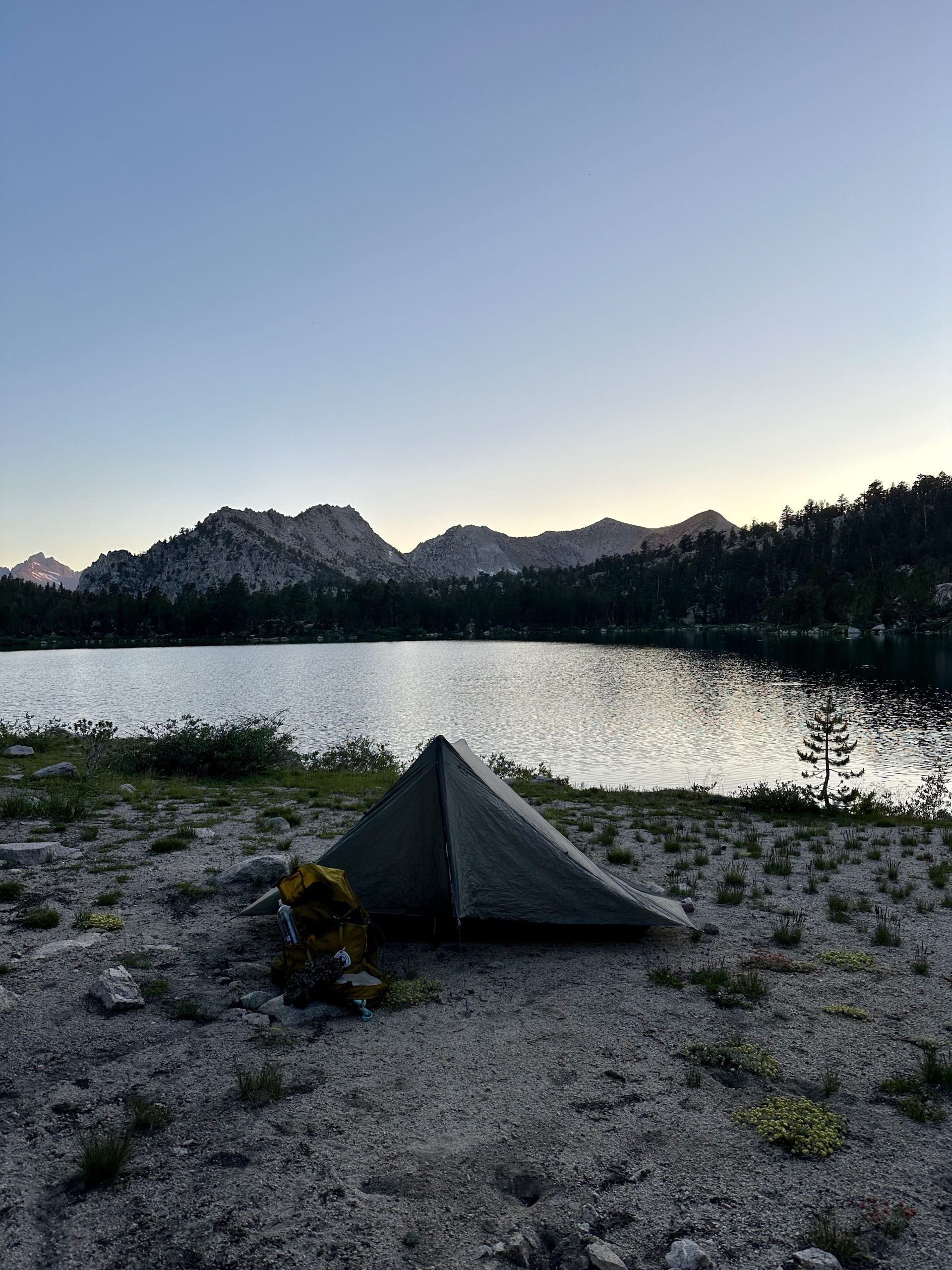
Another niche item, but water filters are a surprisingly subjective piece of gear. Sawyer Squeeze filters can tighten on to your water bottle, while the Katadyn BeFree, which I used, requires a bladder to attach to.
Each filter has its quirks, as I realized the BeFree filters fast at first but gets clogged pretty fast and is much more difficult to clean out than the Sawyer, which can easily be backflushed. No gear advice column could have predicted my hatred of the tedious act of backflushing, however.
Clothing
Message to my past self: a thru-hike is not a fashion display. Your sun hoodie will rip, your shoes will become crusted with dirt, and your socks will stain. All of these are signs of a well-executed hike. It saddens me to see outdoor brands becoming even more of a status symbol rather than practical pieces of gear.
Hiking clothes should serve the sole purpose of keeping you protected during your outdoor adventure, so don’t give in to the trends and wear whatever you feel best in.
Hiking is for every type of person, and luckily there is gear out there that can suit nearly everyone. It’s up to you, however, to do your due diligence and decide what makes you feel the most comfortable outdoors.
Featured image: Photo via Izzy Wagner. Graphic design by Chris Helm

This website contains affiliate links, which means The Trek may receive a percentage of any product or service you purchase using the links in the articles or advertisements. The buyer pays the same price as they would otherwise, and your purchase helps to support The Trek's ongoing goal to serve you quality backpacking advice and information. Thanks for your support!
To learn more, please visit the About This Site page.

Comments 4
YES I love this!
Love the story. I haven’t hiked to much long distance, just lots of trails and overnight trips, up to about 4 days all over Maryland. Gear started evolving about when I started in the 1970s. It’s very subjective, and I still use my external frame packs. The shoe issues used to be covered a lot better as to fit and support, I feel, in the older books and periodicals of the time. When your feet hurt, it’s like walking more miles needlessly. And I look for older or used gear. Long time ago I said screw it as to what others thought. Yall stay safe out there.
“It saddens me to see outdoor brands becoming even more of a status symbol rather than practical pieces of gear.” Heh. You think?
Most gear recommendations are based on empirical data, i.e. the advice giver used the item and liked it. Doesn’t mean it will work for you, you’ll have to conduct your own field trial. But recommendations are a fair starting point, most of the brands I started out with 2000 miles ago are still with me and I’d have never known about those reliable performers without reviews from other people who had used and liked them.
I had a similar issue with the Altras. I had been wearing Hoka Speedgoat 5 and bought the Altras. I walked 20-30 miles, over several days, breaking them in and thought I was good to go. I went on a 30 mile backpacking trip on the Ouachita Trail and I have had Achilles tendinitis ever since. I blame the shoes. Zero drop is not for me. I went back to the Speedgoat until Hoka changed to the 6 (terrible for me). I now wear Brooks Ghost Trail. I still have issues with the Achilles which I guess I will have to live with until I dont.
I’ve never had any luck with a Sawyer. So far so good with the Platypus. I also switched from bottles to a Platypus bladder. Great decision for me.