
 ">


Q&A: What Outdoor Alliance Heard in DC About the Future of the Roadless Rule and More
Outdoor Alliance is a nonprofit coalition of national conservation and outdoor recreation advocacy organizations. Last week, the organization headed to DC for its annual fall fly-in to meet with members of Congress and federal agencies about key conservation priorities. With less than two weeks remaining in the public comment period for the controversial proposed rescission of the Roadless Rule, we caught up with Outdoor Alliance about the outcomes of the fly-in and the organization’s top conservation priorities.
The following Q&A was conducted via email. Most answers are from Tania Lown-Hecht, Vice President of Communications & Strategy at Outdoor Alliance, and Nicole Brown, Communications & Public Engagement Manager at Outdoor Alliance, with input from other team members. Questions and responses have been edited for brevity and clarity.
Q: What were the biggest takeaways from this year’s fly-in, and did any particular issues emerge as priorities?
A: Outdoor Alliance’s fly-in brought nearly 60 advocates for nearly 90 meetings on the Hill with elected officials and the administration. A resounding theme was that our advocates felt like they were heard on issues like travel management, keeping the Roadless Rule in place, and passing the Legacy Restoration Fund before the end of the year.
Since last year, the outdoor recreation community has sent over a million letters to lawmakers, and our time in D.C. worked to hold lawmakers accountable on what they intend to do to keep public lands public and protected, now and for future generations. Showing up in person continues to be a critical way our coalition advocates for public lands and waters — and lawmakers were positive and responsive to the list of issues we brought to them.
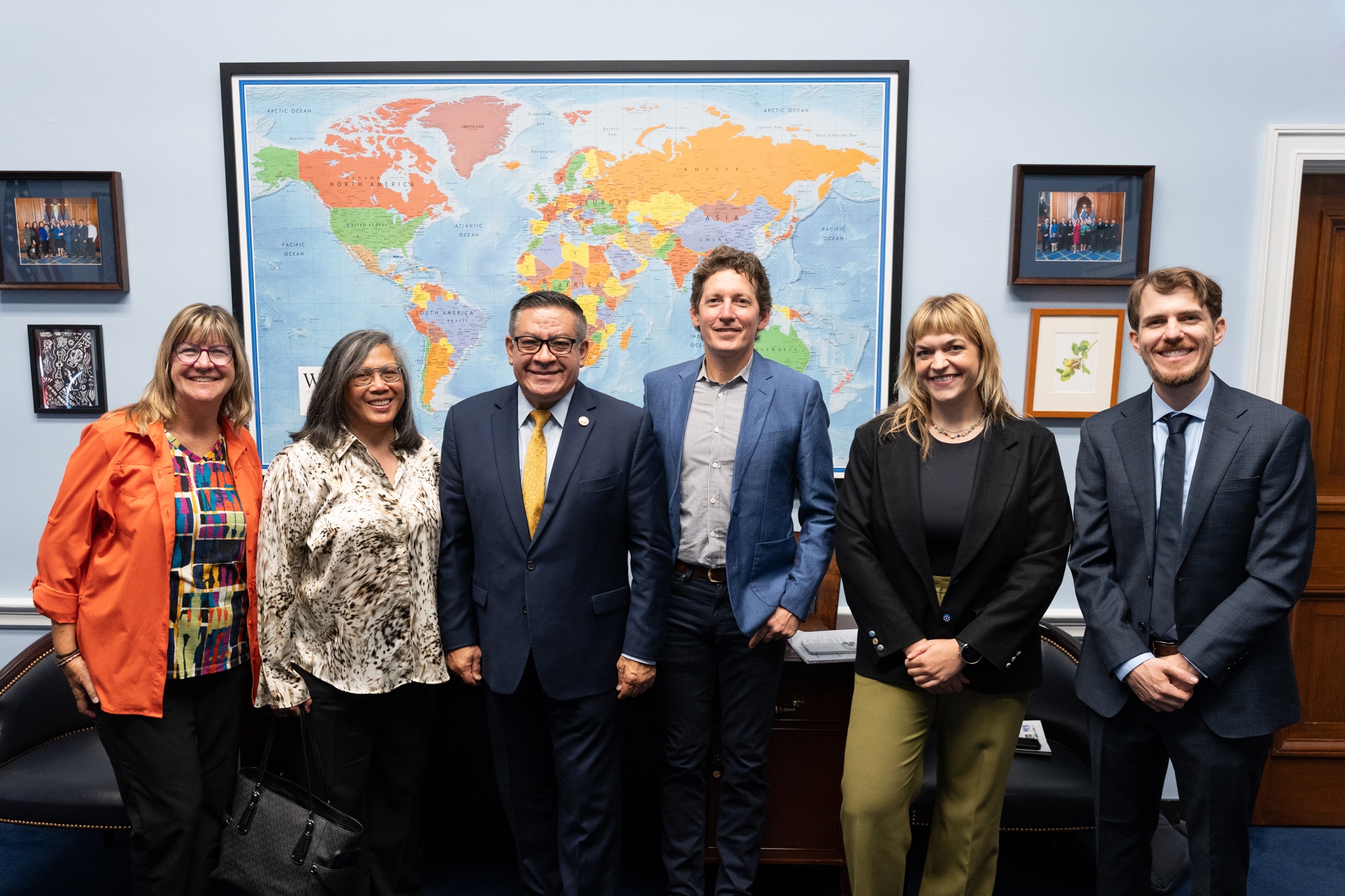
Photo: Austin Corbett
We brought a number of key issues to decision makers — protecting the Roadless Rule, reauthorizing the Legacy Restoration Fund, supporting land management agencies, and advocating to keep public lands public.
Overall, the docket for the end of the year seems very stacked in D.C. With midterms on the horizon and very few working days left, there is an exceptionally long list of things Congress needs to get done and a very short time to do it. How it all comes together, especially during the lame duck (the period after the election and before the end of the current Congress) is a bit up in the air.
One priority that emerged from our meetings was enthusiasm for reauthorizing the Legacy Restoration Fund, a bill that Outdoor Alliance helped pass as part of the Great American Outdoors Act in 2020. The bill seemed like a big priority for both Republican and Democratic offices. This legislation will help fund the maintenance backlog at parks and public lands. Several lawmakers asked us to engage our communities to put pressure on committee staff to help pass it before the end of the year.
We were able to educate offices about the Travel Management Rule. Agencies are considering a revision of the rule, which helps land managers determine where human-powered and motorized recreation happens. Because we are a coalition, different recreation types were able to advise congressional offices on what the rule means for paddling, backcountry skiing, trail running, mountain biking, climbing, etc. Keeping the rule in place to mitigate user conflict is especially important as visitation is continuing to increase on public lands, and we were able to communicate that to congressional offices, as well as in agency meetings.
Q: The Roadless Rule has been a major focus for Outdoor Alliance. What did you hear in D.C. about its future, and what would you say to people who haven’t yet submitted a public comment?
A: While defending the Roadless Rule is a huge priority of the outdoor community, we do not feel optimistic about how the administration will proceed with the DEIS (Draft Environmental Impact Statement). However, public comments are ticking up, and we do expect a significant amount of outreach to the USDA in favor of preserving the Roadless Rule.
Regardless of how the administration chooses to proceed, the strong public support for the rule will help us either protect or restore protections for roadless areas.
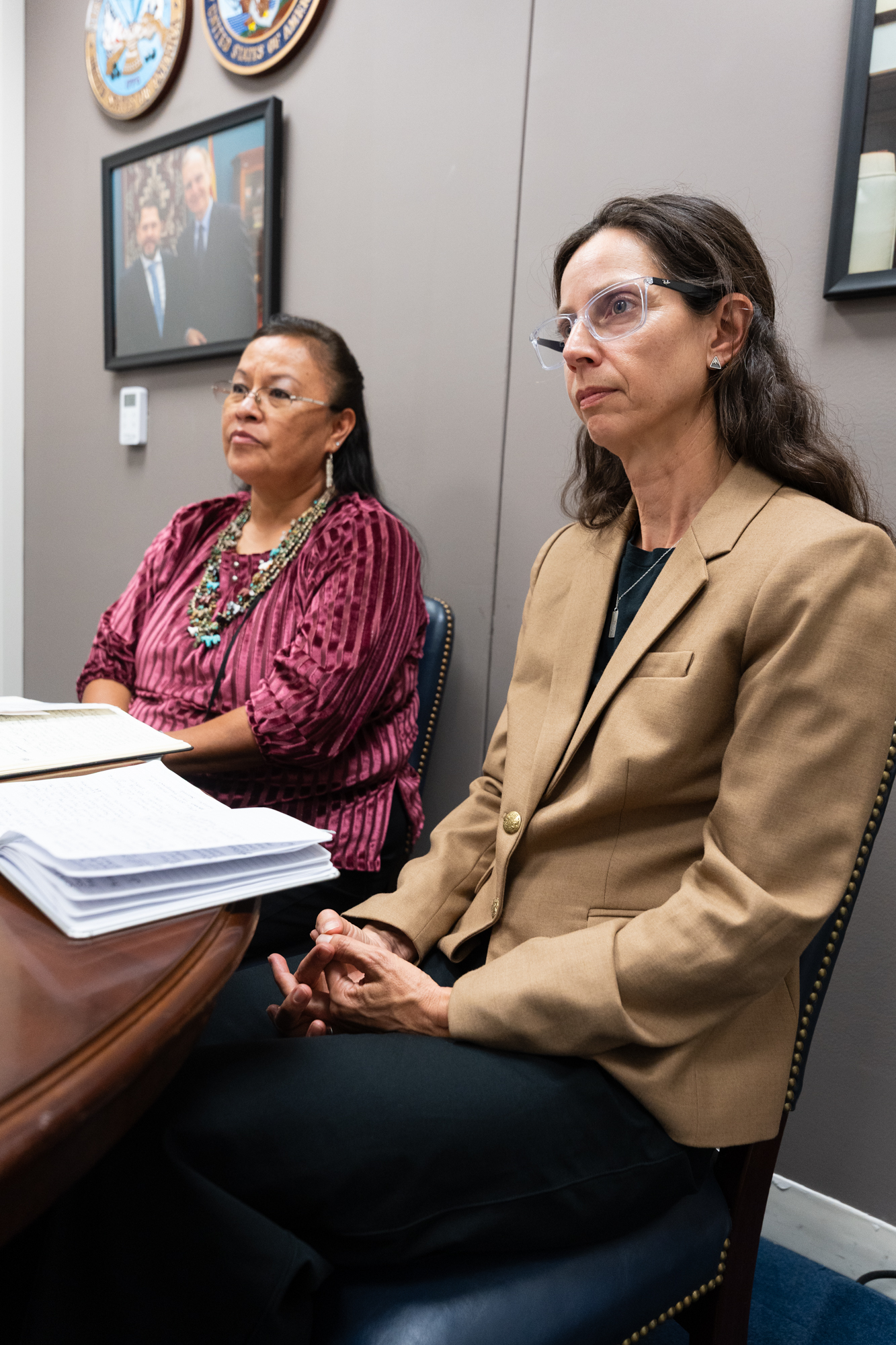
Photo: Austin Corbett
Q: The Forest Service has argued that rescinding the Roadless Rule would give states and local land managers more flexibility. What do you think that argument gets right, and what does it overlook?
A: Different national forests have different needs, and local land managers need the ability to respond to changing conditions, manage recreation, reduce wildfire risk, and make decisions that reflect the needs of their communities.
But the Roadless Rule already provides that flexibility. It allows for active forest management, including activities to reduce wildfire risk, while protecting some of our most important backcountry landscapes from new road construction and large-scale logging. It also allows for a wide range of recreation, including hiking, mountain biking, backcountry skiing, hunting, fishing, and motorized recreation.
The Roadless Rule has struck a practical balance for more than two decades. It establishes a consistent baseline of protection for our backcountry forests while giving local managers room to address specific needs. Rescinding the rule would remove that baseline, leaving these landscapes more vulnerable to new road construction and development and creating uncertainty for the recreation opportunities and communities that depend on them.
The question isn’t whether local managers should have flexibility. It’s whether we need to eliminate a successful, balanced policy to provide it. We don’t.
Q: Your Public Lands at Risk report highlights more than 20 public-land areas across the West. How did you choose which places to include?
A: The goal of the report was to put a human face on what can otherwise be a pretty abstract policy conversation. When we talk about rescinding the Roadless Rule or changing how the BLM manages public lands, it’s easy to get lost in the regulatory details. We wanted to show what those decisions could mean for actual places that people know and love.
We focused on places that illustrate the diversity of recreation opportunities on Forest Service and BLM lands, from mountain biking and climbing to hunting, fishing, paddling, and backcountry skiing. We also wanted to highlight a range of landscapes and communities across the West, including places that may not have the name recognition of a national park but are enormously important to the people who recreate there and the communities that depend on them.
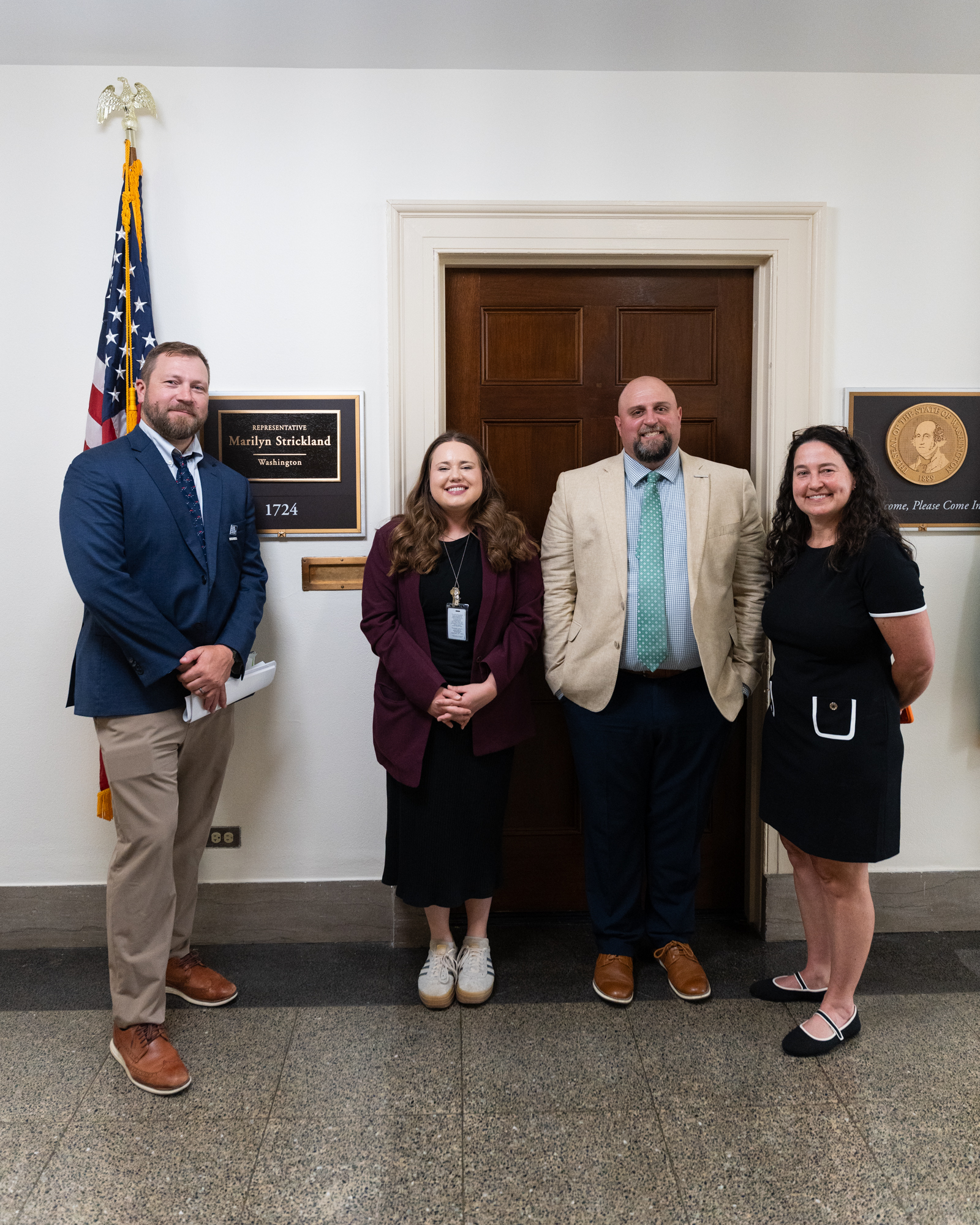
Photo: Austin Corbett
The places in the report are examples, not an exhaustive list or a ranking of which public lands are most important. We considered a broad range of examples and tried to choose ones illustrative of the broad recreation opportunities and threats to public lands. There are thousands of other recreation areas that could help tell this story. What these places have in common is that they illustrate how conservation, recreation, and other uses can coexist under balanced public lands management, and what could change if that balance is lost.
Q: The report focuses heavily on the personal and recreational value of public lands. What is also at stake from an economic and ecological perspective?
A: There is a lot of important research about the economic and ecological value of public lands, and those contributions are enormous. But we also wanted to tell a story about what these places mean to people.
Public lands are where people have formative experiences, build relationships with friends and family, challenge themselves, and develop lifelong connections to the outdoors. There is something irreplaceable about being able to get deep into the backcountry, experience solitude, or spend a day on a favorite trail or river. Those experiences are harder to quantify than economic output or acres of habitat, but they’re a fundamental part of why public lands matter.
At the same time, these benefits are deeply interconnected. Healthy, intact landscapes support high-quality recreation experiences, and those recreation opportunities help sustain local economies. When people travel to hike, bike, climb, ski, hunt, or fish, they support local businesses, including guides and outfitters, restaurants, lodging, and outdoor retailers. Those economic benefits are particularly important for many rural communities.
From an ecological standpoint, keeping backcountry forests intact helps protect wildlife habitat, clean water, and connected ecosystems. New roads can fragment habitat, introduce sediment into streams, and change the character of landscapes in ways that are difficult to reverse. These forests also store carbon and contribute to climate resilience.
Ultimately, these aren’t separate arguments for protecting public lands. The same healthy forests and watersheds that support wildlife and provide clean drinking water are also the places where people go to recreate and where communities build businesses and livelihoods around outdoor access. We wanted the report to help people understand what’s at stake in terms of their own experiences, while recognizing that the consequences extend far beyond recreation.
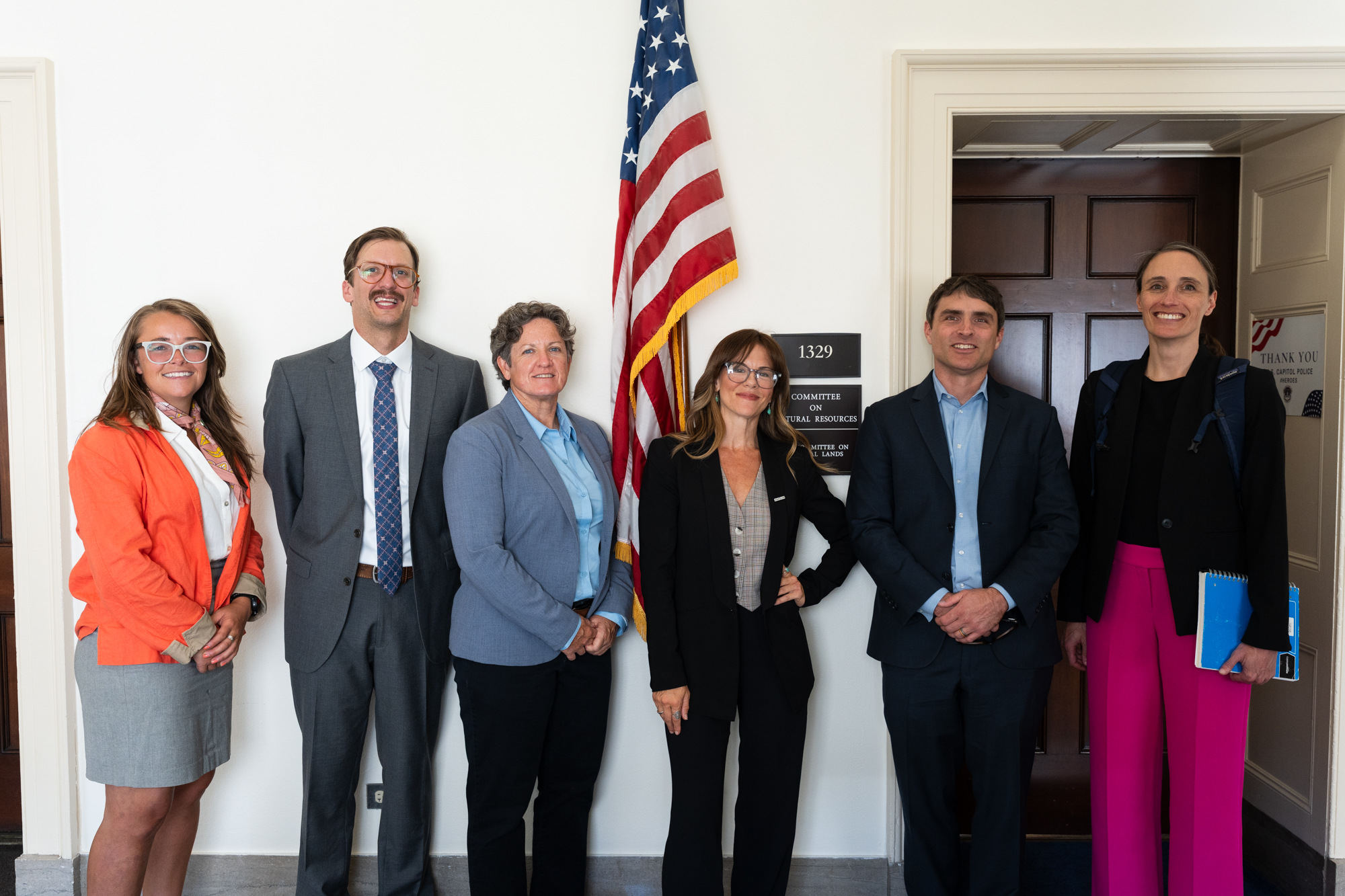
Photo: Austin Corbett
Q: What would you say to the outdoor recreation community as Congress heads into an election year?
A: If there’s one thing I (Nicole Brown, Communications & Public Engagement Manager) could tell The Trek audience, and the outdoor recreation community as a whole, it’s this: don’t stop showing up for public lands. Every letter you write to your member of Congress matters, and our fly in was proof that lawmakers are listening, even if they disagree with us. We’re proud to represent everyone who has acted with us, both this year and last.
Showing up in D.C., meeting with lawmakers and their staff, and making our voices heard is how we hold decision-makers accountable on the issues that matter to us across our nation’s parks and public lands.
A number of people who joined us this year are a part of our Grasstops Collective, many of whom had never met with lawmakers in D.C. before. These individuals are key in representing their local communities, and their voices carry a lot more weight because they’re a constituent of the office they’re meeting with. Lawmakers care about getting reelected and these individuals are the people in the room that they should be listening to, especially going into an election cycle.
Roadless Rule Comment Period Ends October 6
Want to weigh in on the proposed rescission of the Roadless Rule? You can submit a comment here through October 6.
Featured image: Austin Corbett
This website contains affiliate links, which means The Trek may receive a percentage of any product or service you purchase using the links in the articles or advertisements. The buyer pays the same price as they would otherwise, and your purchase helps to support The Trek's ongoing goal to serve you quality backpacking advice and information. Thanks for your support!
To learn more, please visit the About This Site page.
