
 ">
Six weeks to Mount Whitney
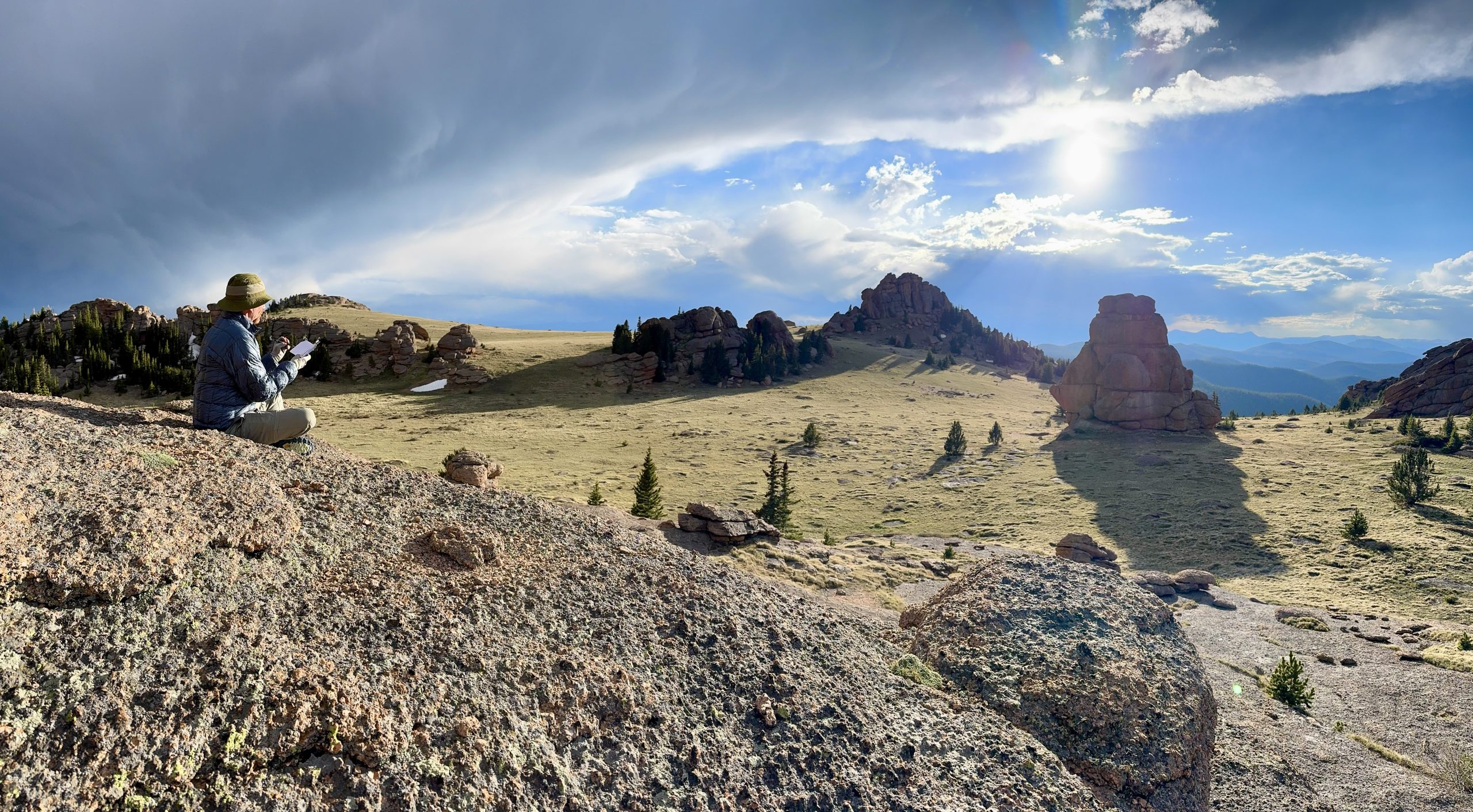
On a shakedown hike in Colorado’s Lost Creek Wilderness
Six weeks from now I begin hiking northward on the John Muir Trail. Preparation time has been flying by and I’m beginning to feel anxious about whether my 67-year-old body will get me back to the top of Mt. Whitney 38 years after I first submitted it.
We can always train more, eat less, and research more, but in all seriousness I feel pretty good about my chances. Here are a few highlights of my trail prep thus far:
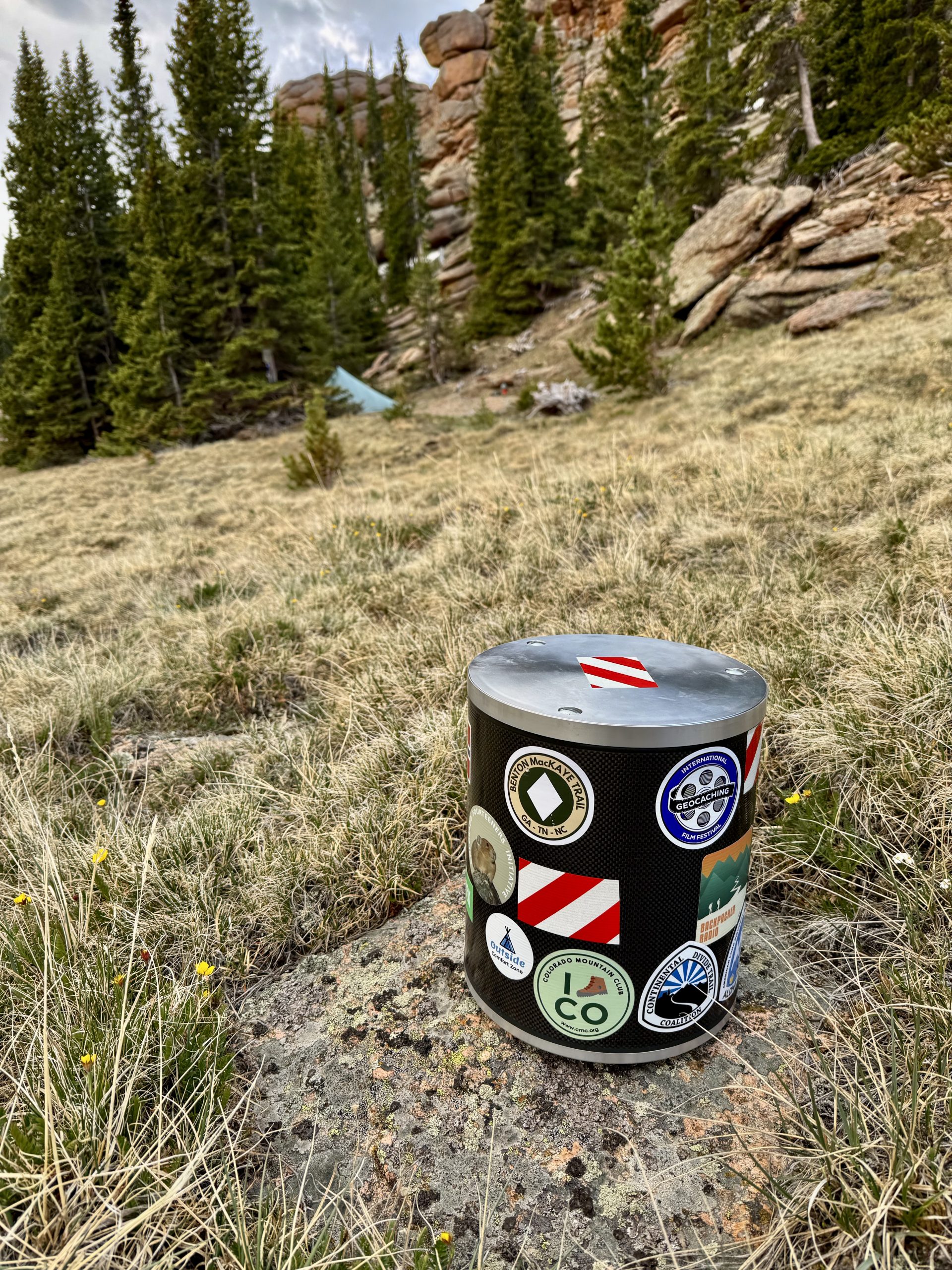
My Bearicade contains all the required stickers.
Resupply by pack mule
Probably the most unusual and interesting part of this trail’s resupply strategy is that I’ll be resupplied by pack mule near Kearsarge Pass, rather than having to take a two-day detour off the trail to the town of Independence (or carry ten days’ food in my backpack).
At first I thought the pack-mule option would be prohibitively expensive, but thanks to the JMT’s excellent Facebook pages run by JMT veteran Inga Aksamit, I was able to connect with other hikers departing NOBO (northbound) the same day as me and who were also interested in pack mule resupply. By combining our efforts we were able to keep our costs to under $200 each. That seems like a lot, but It’s still less expensive in money and time than to take a zero off trail.
Our pack-mule supplier is Sequoia Kings Pack Trains, and it’s clear they’ve been in business a long time and have this down to a science. Owner Dee Berner told me she’s been doing this for fifty years!
Resupply by paint bucket
While the pack mule company and Red’s Meadow allow you to send your resupplies in paper boxes, to deter critters Muir Trail Ranch requires you to ship your resupplies in plastic paint buckets – like the ones you see at Home Depot. MTR is another expensive resupply spot – they charge $95 – but the price is understandable considering that they have to use mules to get your precious Clif bars and ramen to the ranch.
Shakedown backpack trips
So far I’ve done two shakedown backpacks, the most recent within the Lost Creek Wilderness west of Denver. Backpacking and sleeping for two nights at nearly 12,000 feet was a good test of my altitude acclimation as well as my gear and fitness.
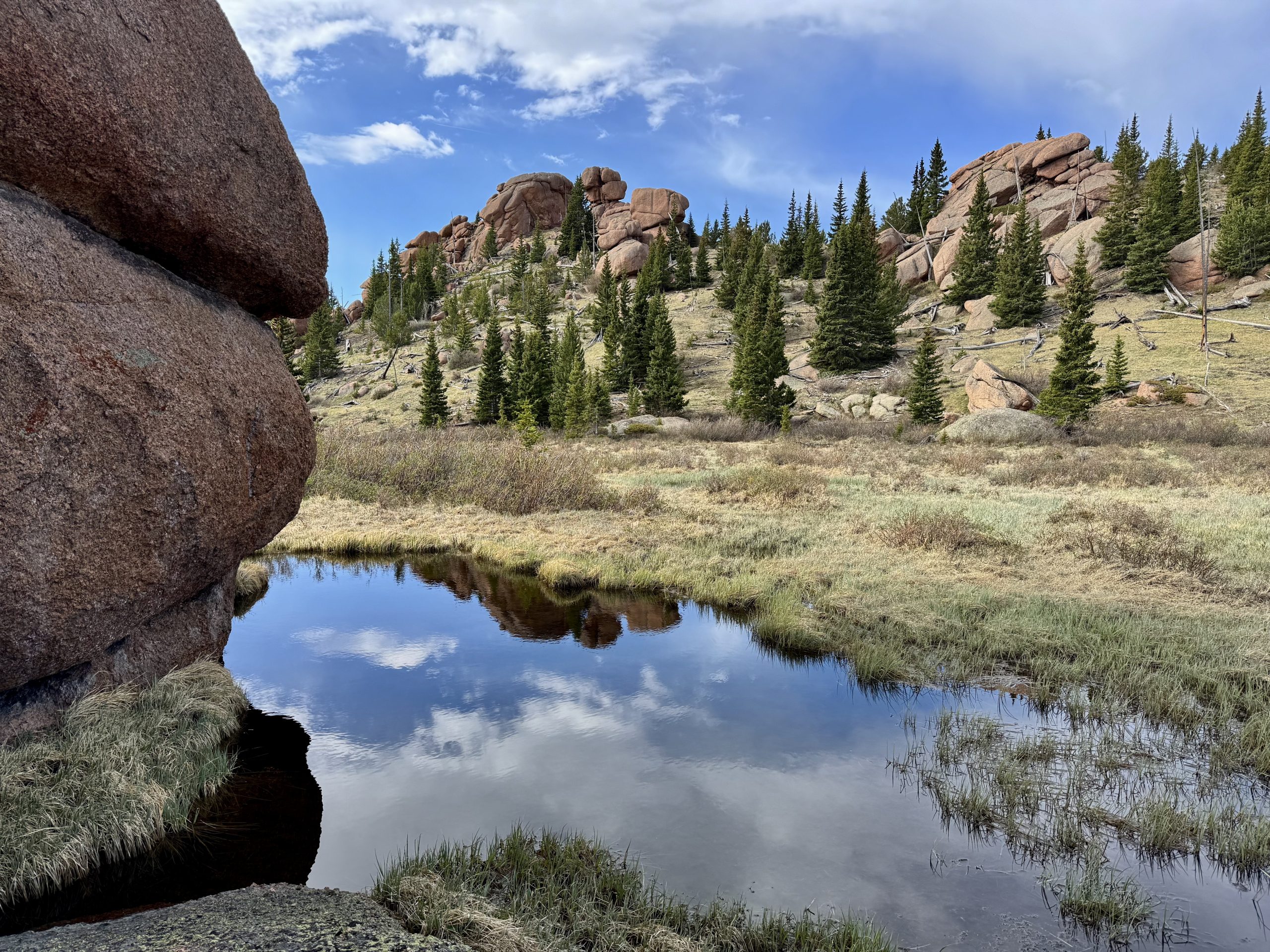
There’s no better place to do a shakedown than the Lost Creek Wilderness
I’ll do two more high-altitude backpacking overnights in July and several more day hikes. But I know nothing will fully prepare me for the high altitudes and difficult elevation gains of the JMT. I’ll just have to remember to pace myself and be ready to make adjustments depending on weather and my physical abilities.
New gear: Impressions of my new stove, sleeping pad inflator, bear canister, trekking shoes and backpack
While my Durston Kakwa 55 backpack isn’t exactly new, I still haven’t used it for that many days. So far I’m extremely impressed with its features and comfort.
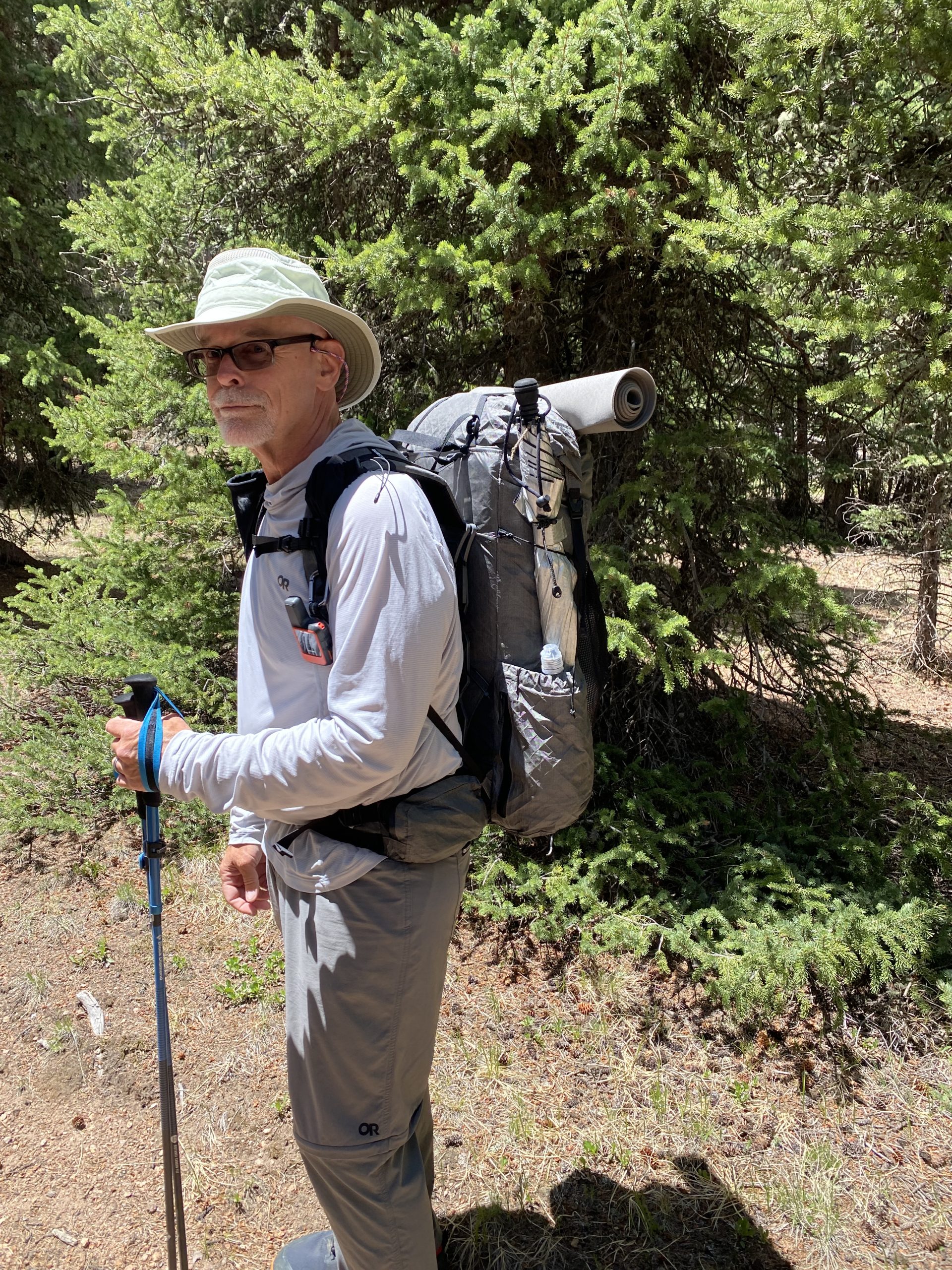
Testing out my Durston/Vaucluse backpack combo. Look at all those shades of grey!
One new wrinkle is that I’m trying out the Vaucluse backpack ventilation system: a plastic panel that offers fantastic ventilation between your pack and your back. It’s a little odd looking but I find it to be comfortable and the amount of ventilation it provides is unmatched. I’ll continue to test it but so far I think the extra 3.5 ounces is worth it. I feel refreshed from not having a soggy, sweaty back.
My stove system is also new, and I’m very impressed with it even though it’s about 2 ounces heavier than my old system. I’m now using a Firemaple stove and heat-exchanger pot combo. I love how the pot has grooves in the heat exchanger that allow the pot to rest securely on the stove, minimizing heat loss and maximizing stability.
The FireMaple stove is lightweight and includes an ignition button. I love how it screws onto the fuel canister without a hiss of escaping fuel, and how it lights up immediately without my having to mess around with a lighter.
Another new item I’m carrying is a ridiculously lightweight – and blessedly very quiet – Alpenblow sleeping pad inflator by Alpenglow Gear. Normally I carry my extra clothes in a Thermarest inflation bag, but I’ve needed to switch to a compression sack for my sleeping bag and clothes in order to get everything to fit in my backpack, so I’ve switched out the inflation bag for this well-designed inflator. Other inflators are faster but they’re also a lot louder; this one basically just emits a very soft hiss that can hardly be heard outside your tent.
Another bit of new gear I’ll be using are my Altra Lone Peak 9+ trekking shoes: the updated version of the Lone Peak with a Vibram sole and beefier fabric. I basically live in Lone Peaks at home, with about 8 pairs in circulation at any given time, so I’m very familiar with the general model. I’m very pleased that the new 9+ model fits like the old Lone Peak but is sturdier. The Vibram sole is a huge improvement on an already excellent shoe.
(Maybe I’m gentler with my gear but I haven’t had problems with my Lone Peaks wearing out prematurely as some other hikers have complained. It might help that due to plantar fasciitis I always substitute Superfeet Blue insoles for the standard Altra insole.)
Finally, I’m getting used to backpacking with a bear canister. As a concession to my age and knees I decided to splurge and buy a Bearicade Weekender carbon canister. It’s easier to open than the BearVault and weighs a lot less. I’ve already enjoyed sitting on it in camp.
Other gear remains the same from my previous thru-hikes: Black Diamond FLZ Carbon Z trekking poles, my beloved Durston X-Mid Pro 2 tent, and my warm Enlightened Equipment Enigma 20 quilt. My pants and shirts are from Outdoor Research and I have a very lightweight and comfortable Alpha 90-style fleece hoodie from – of all brands – Eddie Bauer.
Online planning aids
I can’t imagine what it was like hiking the JMT and other long trails back before online navigation, social media and the internet. The amount of information that’s available now is simply staggering. The author of the definitive JMT guidebook – Elizabeth Wenk – has even written a NOBO-specific version of her guidebook that’s available on Kindle.
The Lighterpack website is a godsend for creating gear lists with specific weights for all your equipment. Those ounces do add up into pounds!
I still have a lot left to do: Packing and shipping my meals – I love creating my own meals with help from backcountryfoodie – and I have to make sure that I have all my maps downloaded and printed out. Printing my trail permit and California fire permit – needed even if you’re just using a stove. Making sure my Garmin InReach is working and that I have it set so that I can send texts to and from my wife for a month without breaking the bank. Making sure my Sawyer Squeeze and bidet system are working. Downloading the latest trail comments from FarOut.
Wish me luck on my next couple of shakedown hikes! When not prepping for the JMT, I’m already starting to shuttle hikers to the start of the Colorado Trail, and I’m looking forward to doing some trail magic on the CT as well. Last year we had 44 hikers and bikers come by on one day of trail magic! Backpacking season has begun!

This website contains affiliate links, which means The Trek may receive a percentage of any product or service you purchase using the links in the articles or advertisements. The buyer pays the same price as they would otherwise, and your purchase helps to support The Trek's ongoing goal to serve you quality backpacking advice and information. Thanks for your support!
To learn more, please visit the About This Site page.

Comments 3
Hi Rolf,
You drove me to Waterton Canyon last July 4th so that I could start hiking the fabulous Colorado Trail. Wishing you the best on your JMT hike, and I’m glad to see you’re getting a second chance after last year’s heartbreak. I’ll be following along on The Trek, revisiting all those beautiful spots in the High Sierra vicariously with you. (I hiked the JMT SOBO in 2021.)
Regards,
Brian C
Brian, thanks so much for your comment! Wishing you many happy future hikes!
Rolf, I’m doing JMT NOBO this August and appreciated your story. I’m wondering about morning temperatures. It sounds like it was pretty hot midday, but did it go below freezing at the higher elevations? I have a three-season bag and a medium silk liner which I “think” should be sufficient, do you agree? — Papa George