
 ">


The Actual Spookiest Things That Can Happen on a Thru-Hike
Forget ghost stories and Halloween pranks; the true horrors on a thru-hike come from the logistical, psychological, and entirely real issues the trail throws at you. The backcountry has a unique way of making a minor inconvenience feel like you’ve been dropped into the middle of a full-blown psychological thriller.
In honor of spooky season, here are ten of the absolute spookiest things that can happen on a thru-hike, and how to survive them when they do.
1. You Hear A Weird Noise Outside Your Tent and Convince Yourself It’s Something Malicious
It’s 2 a.m. Total darkness. Total solitude. Suddenly, a twig snaps right outside the mesh wall of your flimsy tent. Your heart hammers and your brain immediately jumps to the most likely outcome: a mountain lion has come to eat you.
You grab your headlamp and shine the light out into the void, certain you’re about to come face-to-face with a bear. Instead, you see the smallest squirrel in existence hunting for food near your vestibule.

That mystery noise outside your tent is almost always a tiny, hungry critter. Photo via Katie Jackson
What To Do
Whenever you hear these noises, try to rationalize before panicking. 99% of the time, it’s just a curious raccoon, deer, chipmunk, or porcupine sniffing for your salt-covered trekking poles. Every noise sounds bigger in the dark. If you need peace of mind, turn on your headlamp and give an authoritative shout, with “Hey, bear!” being a classic.
The noisemaker will almost always scurry away and leave you safe and alone, albeit a little embarrassed for your reaction.
2. Your Phone is Dead and Your Battery Pack is Out of Juice
You’re relying entirely on FarOut for your map, water sources, and mileages, but your phone has just run out of its last bit of battery. You reach into your pack for your power bank, plug your phone in, and… nothing. A single blue light flashes on your battery pack to mock your hopes of a full charge.
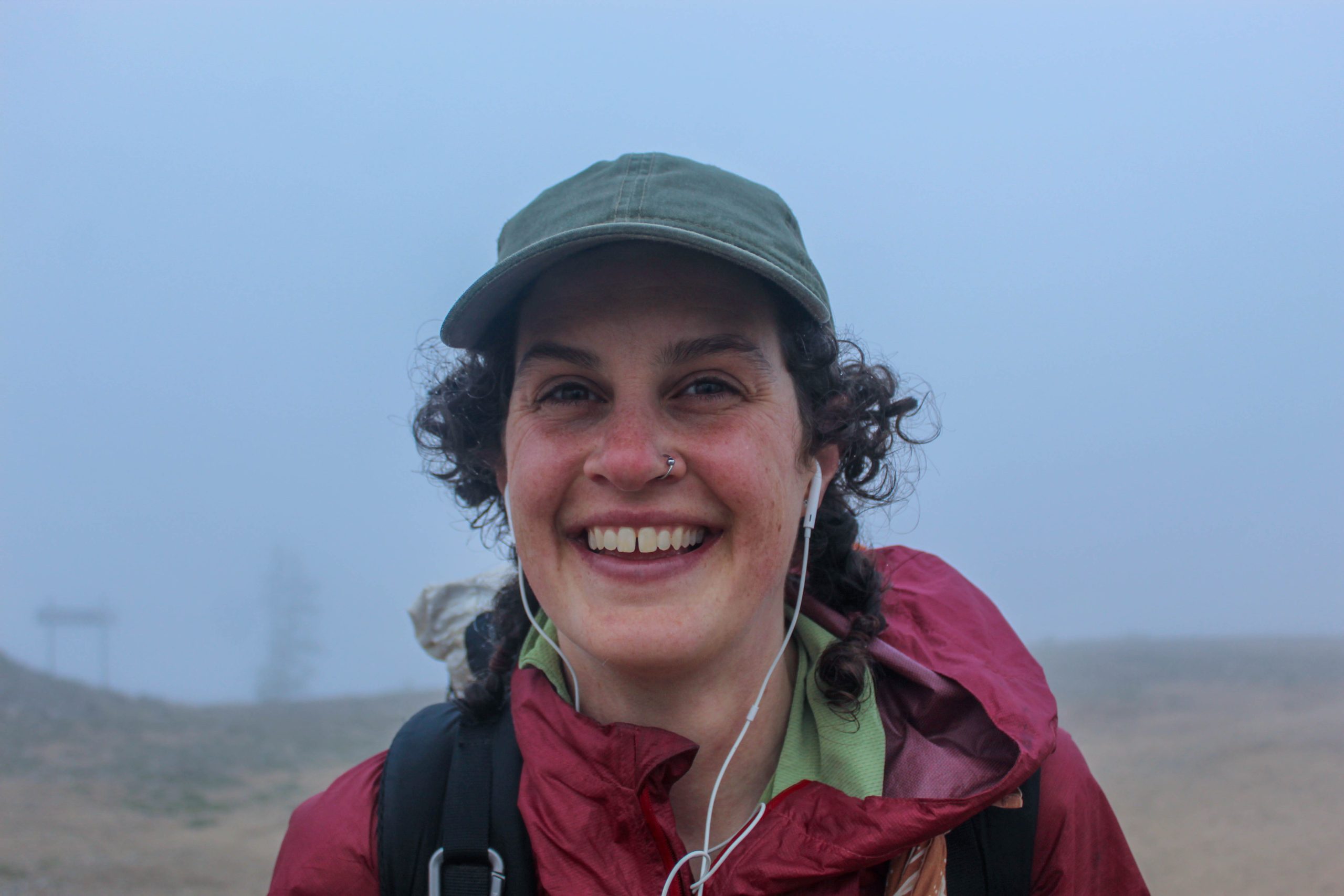
I’m always shocked by how quickly Spotify or an audiobook will drain my phone battery. Photo via Katie Jackson
What To Do
Prevention is your only good defense here, but if you do find yourself in this situation, rely on some old-school navigation. Always carry a physical paper map or section guide as a backup, and when your phone battery gets low, keep it completely off until you absolutely need to check the map at a junction. When you hit a road crossing, hitch a ride into town and get a full charge on both your phone and power bank at a public library, gas station, or hostel.
3. You Show Up in Town and the Post Office is Closed
You’ve been fantasizing about that resupply you mailed yourself two hundred miles ago, along with the new water filter to replace your current slow, clogged one. You hitch a ride into town at 4:45 p.m. on a Saturday only to find the post office closed — and it’s not opening again until Monday afternoon.
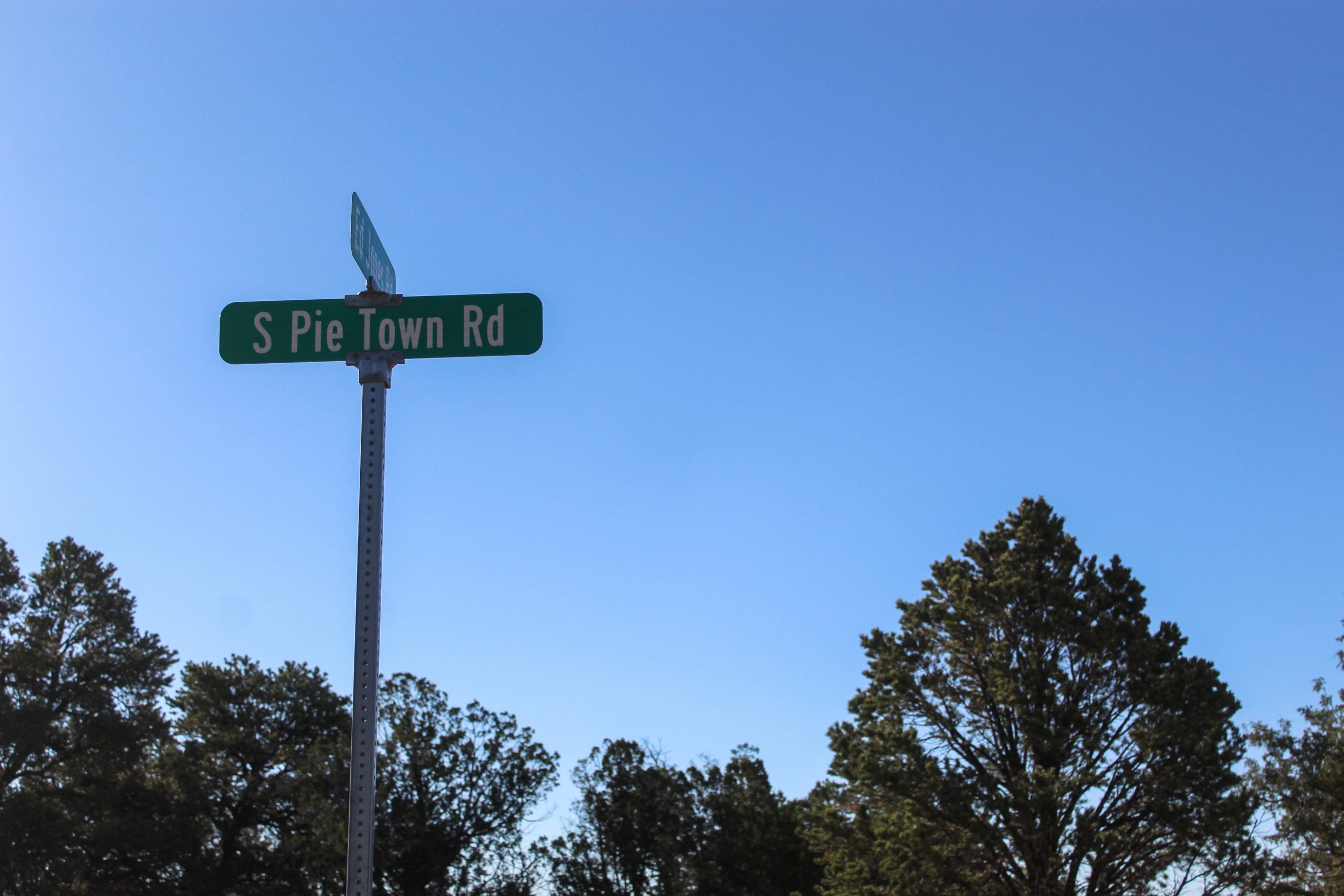
Tiny towns in particular may have unreliable or very narrow operating hours at their post offices. Photo via Katie Jackson
What To Do
Always check post office hours when planning your next stretch of trail. Many hikers prefer to hedge their bets by mailing packages to hostels and other private businesses that hold packages (if there are any), as their opening hours tend to be more flexible.
For now, though, you just have to decide whether it’s worth taking an unplanned zero day to wait for your package or if you’ll want to call and bounce the box to a town further ahead.
If you want to push on but you’re in desperate need of gear, look for local outfitters or even gas stations which may have something to serve as a stopgap. For food, most small mountain towns have at least a gas station or dollar store where you can buy enough to get through the weekend.
4. You Realize That You’re Outpacing Your Budget for Your Hike
There’s no spookier feeling than checking your bank statements and realizing that your unexpected gear failure has now set you on pace to run out of money before the terminus.
Between zero-day motel rooms, massive restaurant bills, expensive gear replacements, and unplanned medical expenses, it’s not hard to expend your safety cushion on a thru-hike.
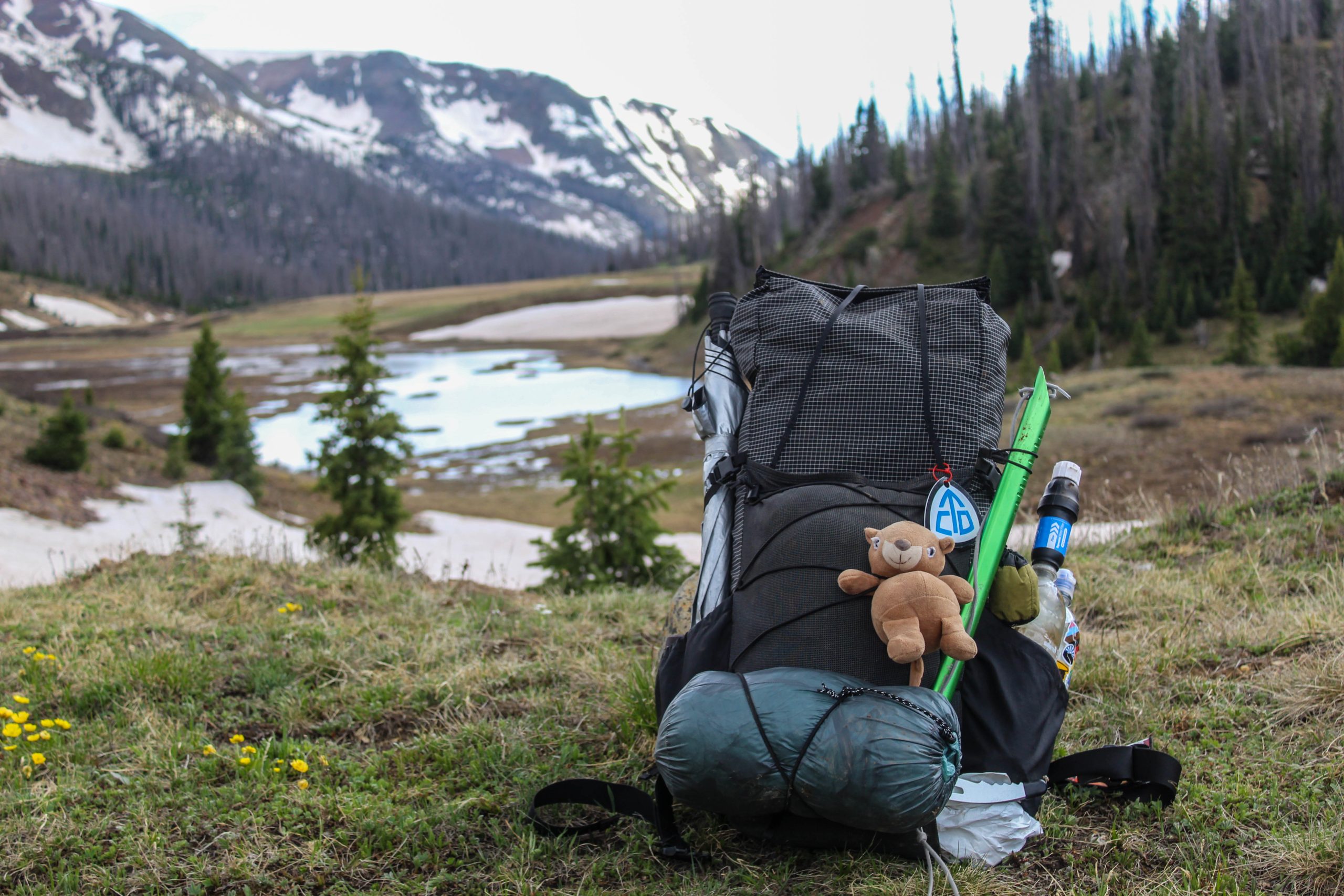
Gear isn’t cheap, and replacing it while hiking is oftentimes more expensive than the initial purchase. Photo via Katie Jackson
What To Do
I hate to say it, but it may be time to pivot to strict austerity. Avoid zero days in expensive resort towns, make yourself dinners in town instead of eating out, and lean into the nero day strategy so you don’t need to pay for motels in town. If cash is critically tight, consider taking a short-term break from the trail to grab a job for a few weeks and build some funds back up.
5. You Don’t Want to Hike With Someone Who Really Wants to Hike With You
Thru-hiking creates an intense, artificial bubble. After a few weeks, you realize you’re stuck in a bubble of hikers whose habits, conversations, or constant drama are grating on your last remaining nerve, but trail geography forces you into the exact same shelters and campsites every night. Or, a specific person or group may have identified you as a super fun, engaging buddy, and just won’t leave you alone.
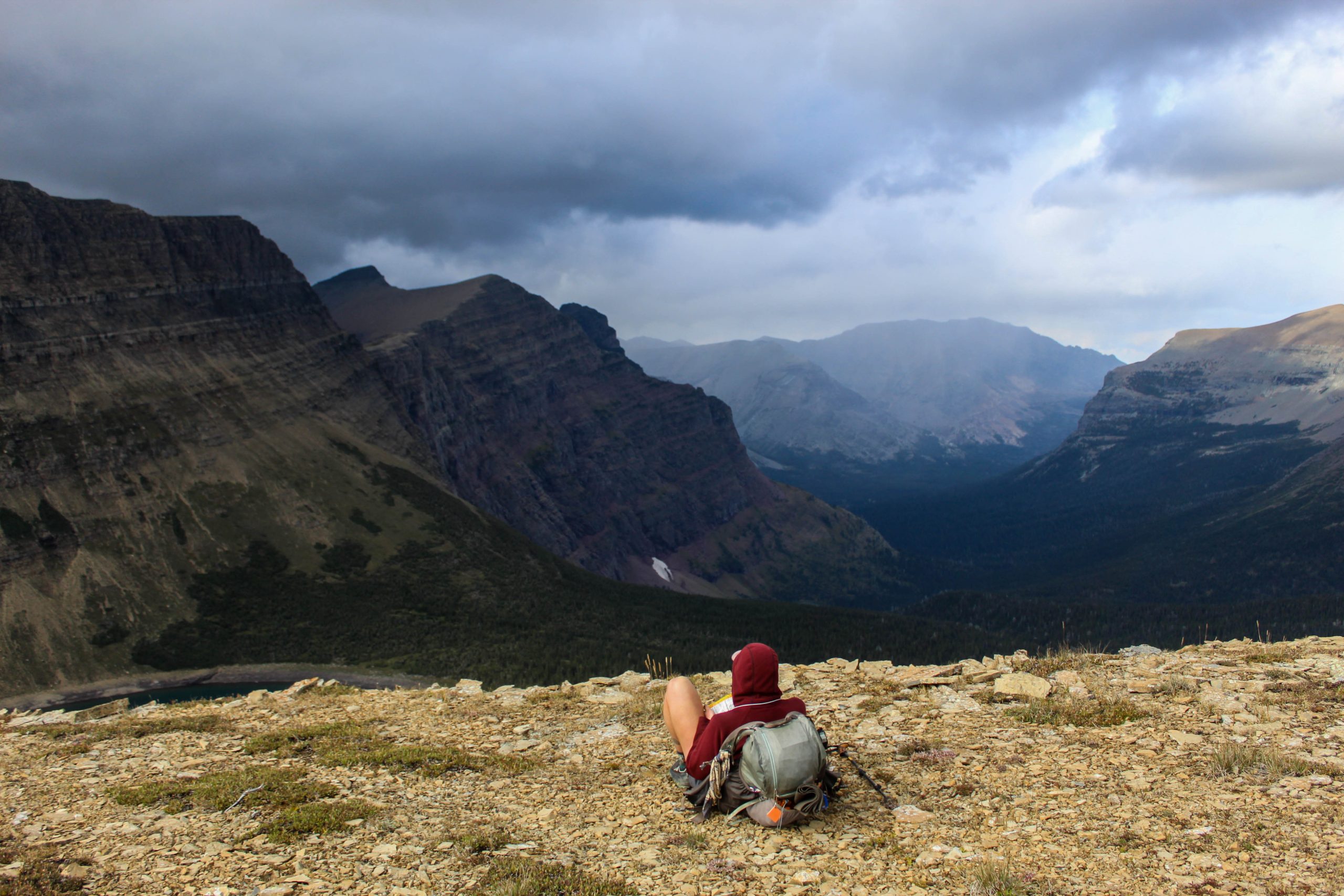
It’s occasionally nice to be completely alone in a beautiful place. Photo via Katie Jackson
What To Do
Break the bubble, and decide how awkwardly up-front you’re willing to be about why. Take an unscheduled zero day to let your current group pull ahead, or deliberately alter your daily mileage — drop down to 10 miles a day or push a massive 30-mile day — to completely reset the people around you.
If someone changes their pace to stay with you, work up the courage to have the uncomfortable conversation about wanting to shake up who you’re hiking with. Many of these long trails are crowded enough that both of you should be able to find different people to be around without any hard feelings.
6. Your Pack Gets Stolen
You walk into a popular hiker hostel or restaurant, leave your pack outside or near the door for five minutes, and walk back out to find it completely vanished. Inside is your shelter, sleeping bag, passport, wallet, and all your clothes. I challenge you to think of anything spookier than that; I have goosebumps just thinking about it.
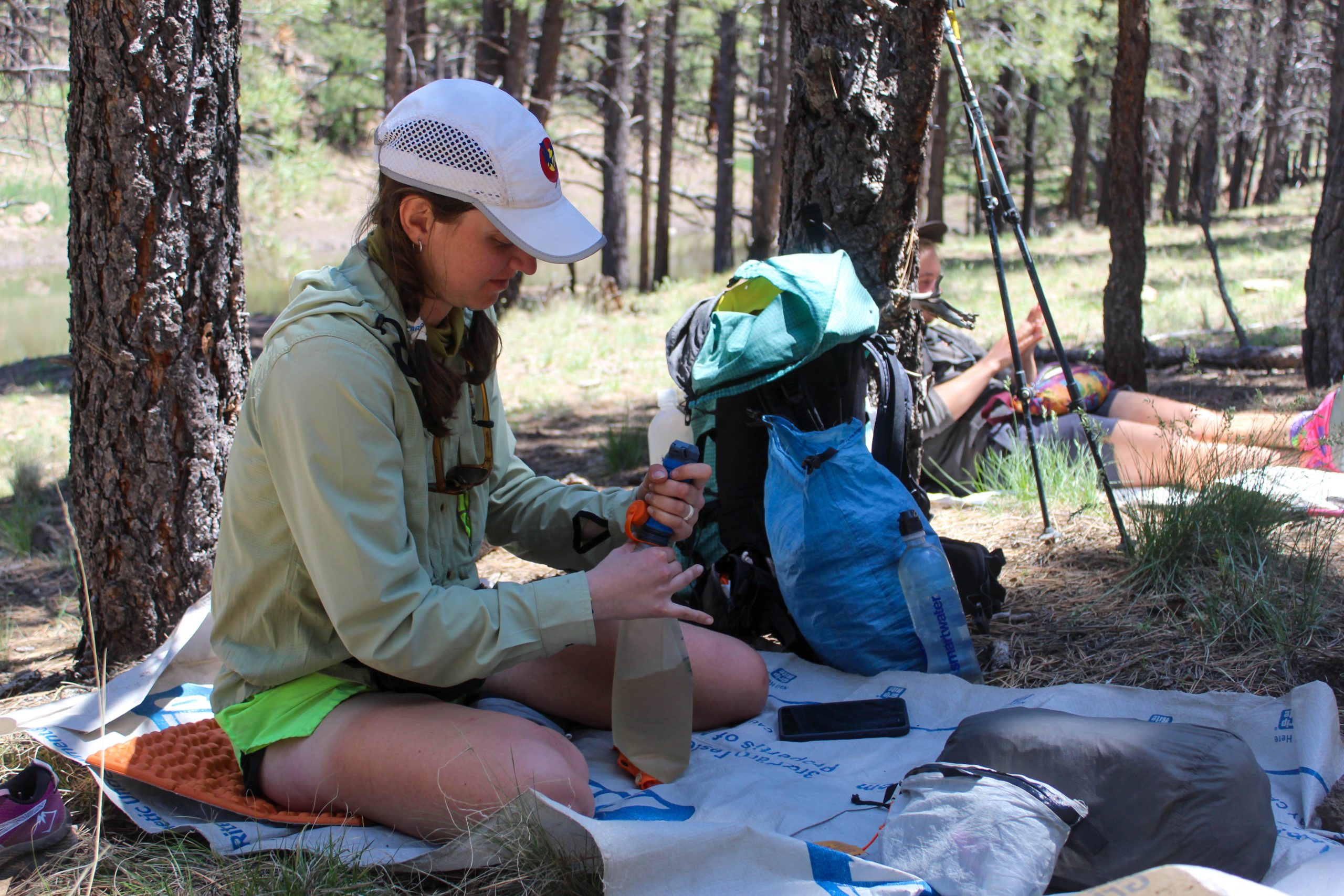
Your pack holds everything you need to get by on a thru-hiking; not only would replacing it all mid-hike be incredibly expensive, but it may not be possible in a smaller town. Photo via Katie Jackson
What To Do
Prevention is paramount: never let your pack out of your immediate sight in high-traffic tourist areas. If the worst happens, file a report with local police for insurance or family back home. Lean heavily on the trail community — hostel owners, local trail angels, and fellow hikers are remarkably generous and will often rally together with spare gear, clothes, and financial assistance to help you get back on your feet.
If you’re willing to accept the tiny weight penalty, an airtag at the bottom of a pack can give a ton of peace of mind if you do have to leave your pack unattended.
7. Your Inflatable Sleeping Pad Pops a Hole
You wake up shivering on the frozen ground at midnight because your high-end ultralight sleeping pad has completely deflated. Every rock, root, and pebble is pressing directly into your spine. Every minute leeches some of your hard-fought warmth into the frigid ground. Help!
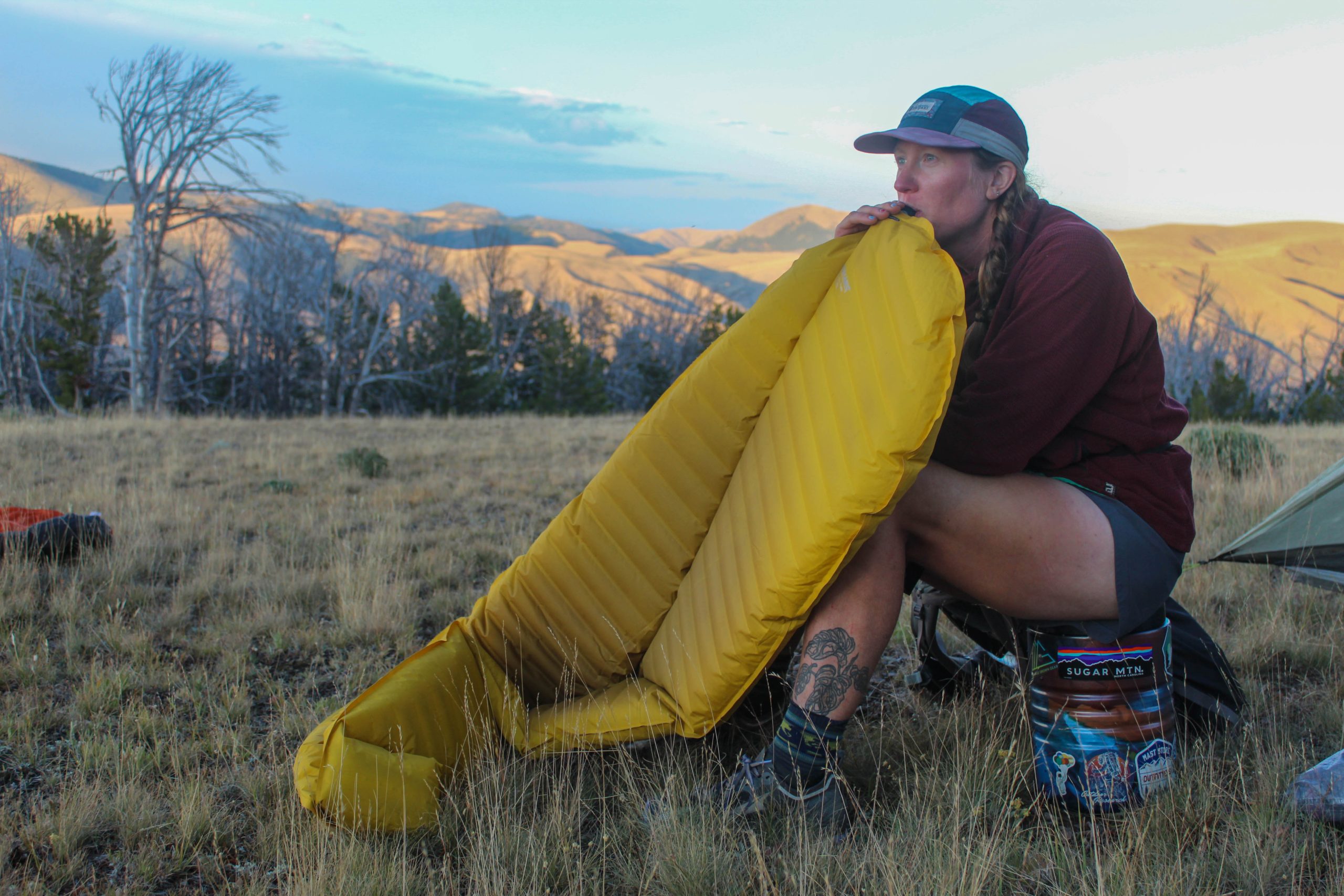
A foam pad may never pop, sure, but it’ll never be as comfortable as a nice, fully-inflated sleeping pad. Photo via Katie Jackson
What To Do
Pull out your patch kit and an alcohol wipe immediately. Blow the pad up, find the leak by listening or holding it near your face (or submerging it in water and looking for bubbles if a stream is nearby), clean the area, and apply a patch. If you don’t have a patch kit or the patches aren’t working, empty your pack and slide your sit-pad and extra clothes underneath your torso to create a makeshift thermal barrier.
Oftentimes, sleeping pad leaks are slow enough that you can periodically reinflate it throughout the night. You won’t get much sleep, but at least you won’t be lying directly on the ground the whole night.
8. You Get to the Water Source and It’s Bone Dry
You’ve been thinking about a cold, refreshing liter of water for the last four miles under a blazing sun. FarOut has promised a reliable water source nearby, so you drop your pack, scramble down the bank, and find nothing but dirt and a few stagnant puddles.
If you’re truly desperate, you may just need to suck it up and drink from the puddle after some careful filtration. Photo via Katie Jackson
What To Do
Always check user comments before you leave the previous water source to see recent updates on water flow. If you are caught dry, do not panic! Ration what little water you have left in your bottles, check your map for alternative road crossings or side trails, and be prepared to drop your mileage goal for the day to avoid heat exhaustion until you hit the next reliable source.
Dehydration can set in quickly, so keep careful tabs on how your body is holding up and have the means to call for help if that ends up becoming necessary.
9. You Find Mouse Droppings in Your Food Bag
You grab your bag of food in the morning, unroll the top, and spot a scattering of tiny black pellets mixed in with your protein bars. Worse yet, there’s a fresh, jagged hole chewed right through the side of your favorite freeze-dried meal.
Personally, I will never forget the feeling of getting halfway through my chips on the CDT before noticing the little black specks on my spork and finding the chewed corner on the bag.
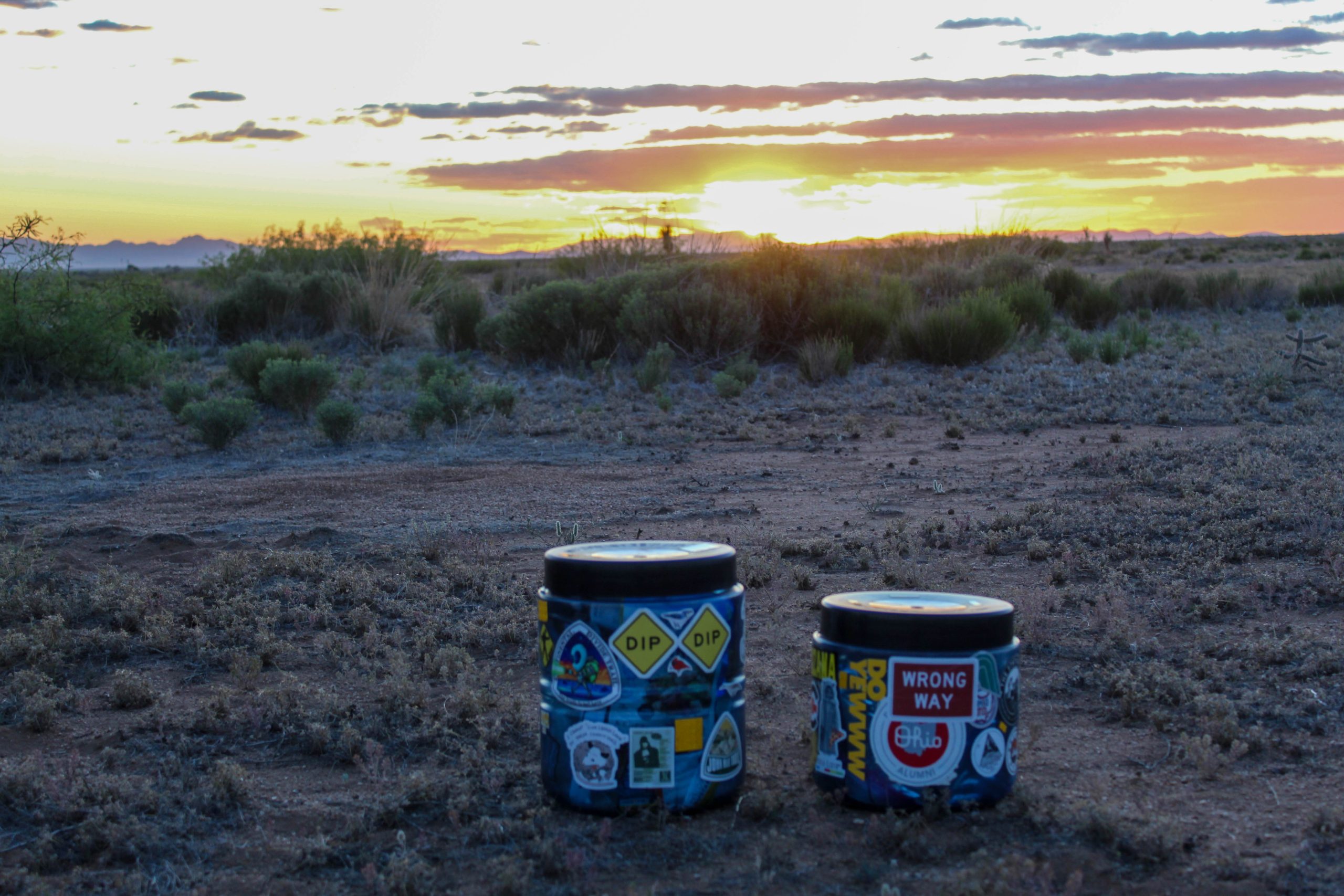
A hard-sided bear canister keeps your food safe from bears, but it also keeps the mice and other rodents out. Photo via Katie Jackson
What To Do
Inspect your food carefully. If packaging is chewed through, discard the item to reduce the risk of Hantavirus or foodborne illness.
Official FDA guidance is to throw away any food stored in plastic or paper containers that was exposed to rodents. –Ed.
To prevent this from happening, never store loose food in soft mesh pockets or unsecured fabric bags; upgrade to a hard-sided bear canister, or a properly hung bear hang far away from tree trunks where mice love to tightrope walk.
10. You Have the Sinking Realization That You Made a Wrong Turn Several Miles Back
You’ve been zoning out, listening to an audiobook or chatting with a friend for the last hour. Suddenly, you look down at your phone, notice the blue dot is way off the red line, and realize you haven’t seen a trail blaze or cairn in a very long time.
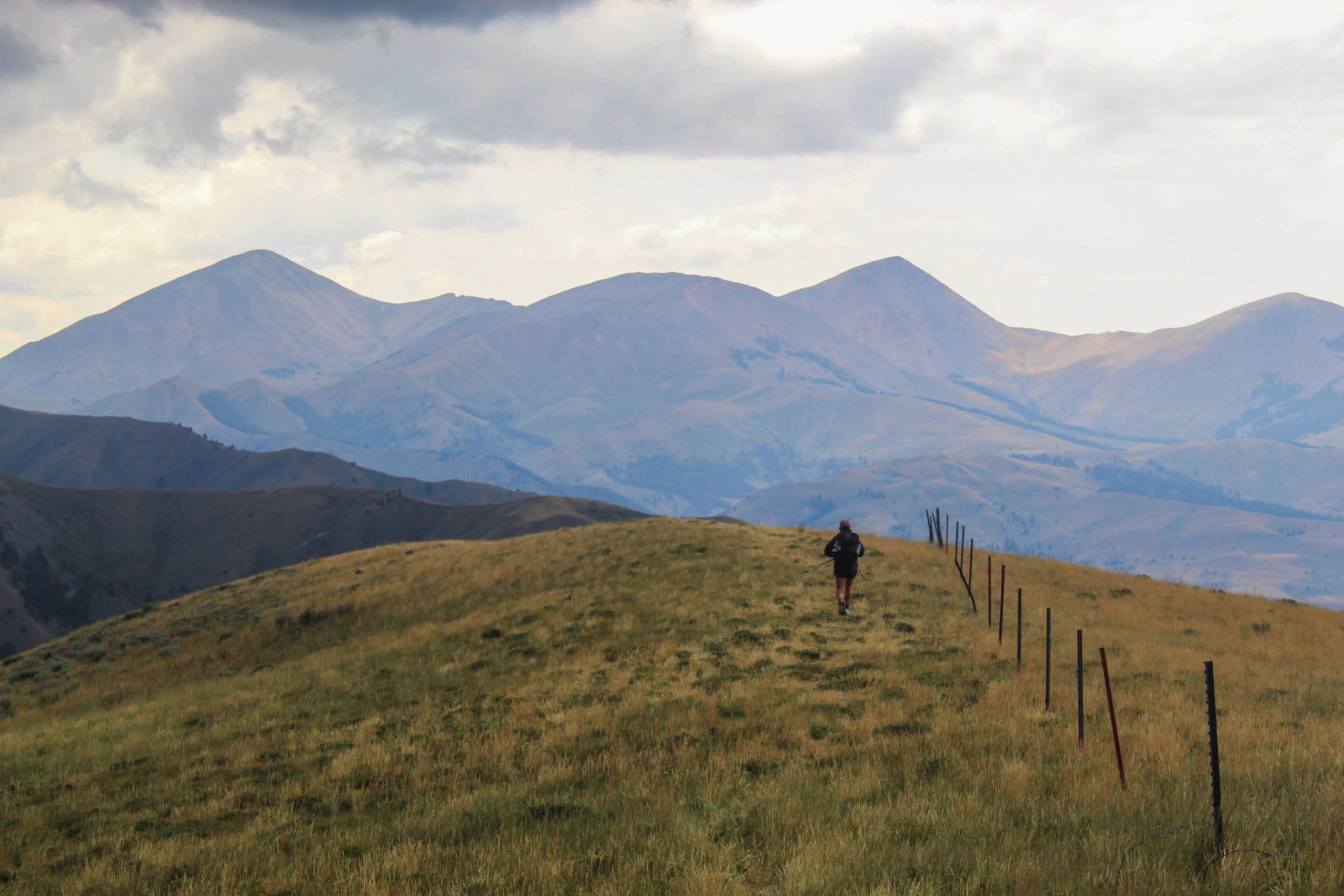
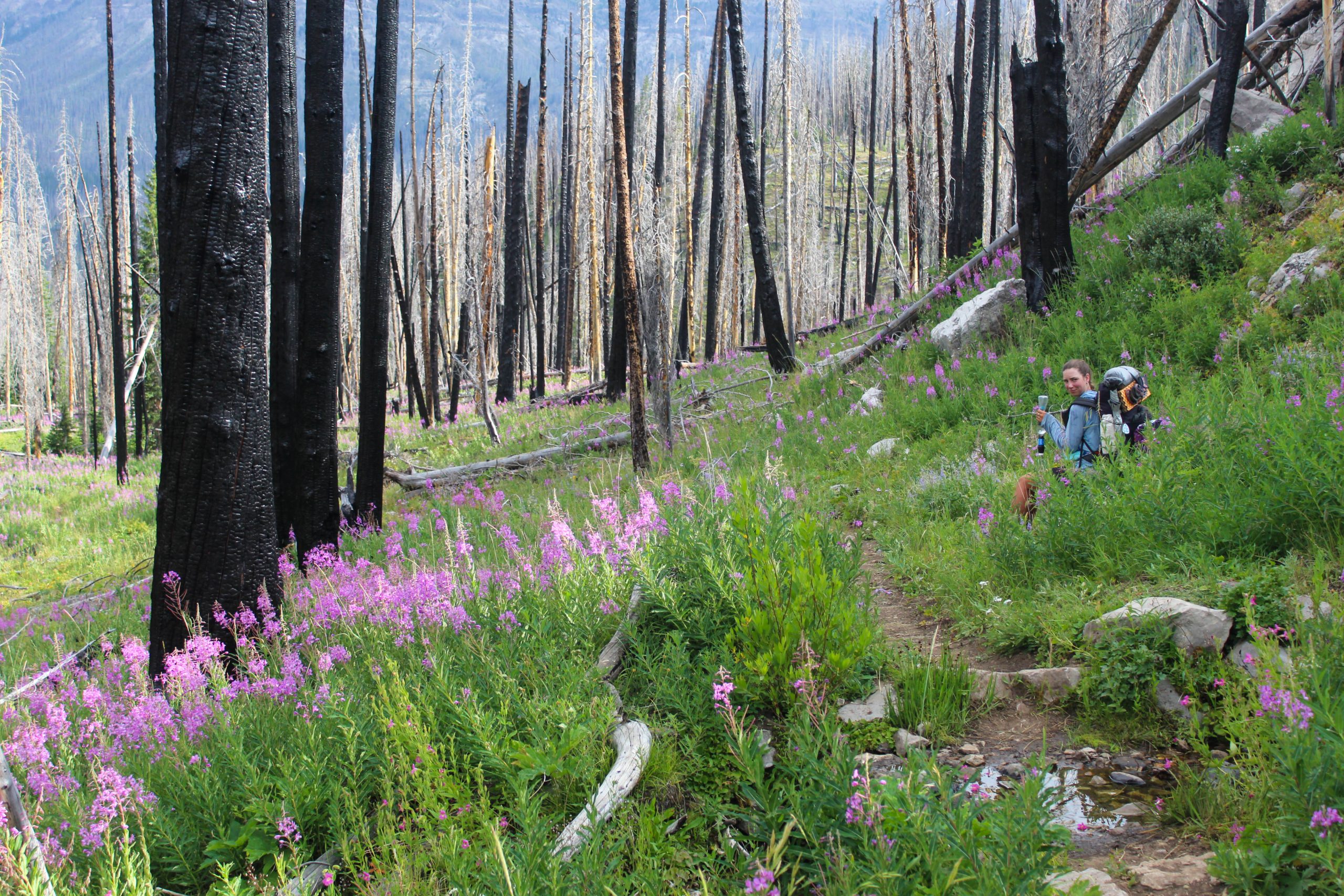
Sometimes, the trail is obvious. Other times, not so much. Photo via Katie Jackson
What To Do
Stop walking immediately. Do not keep going hoping the trail will magically loop back around. Look at your map, figure out where you went wrong, and either navigate back to the missed turn or figure out a viable alternate path forward.
When in doubt about a different way back to the trail, swallow your pride, accept that you’ve added a few bonus miles to your day, and just go back to the missed turn. Moving forward, pay a bit more attention to the map, especially if you can see some confusing intersections coming up.
As we say goodbye to October and head into the colder months, finding yourself unprepared in the backcountry may just be the spookiest experience of all. Make sure you’ve tested your gear and skills before heading out on a shoulder-season trail, and stay safe this Halloween!
Featured image: Peg Leg

This website contains affiliate links, which means The Trek may receive a percentage of any product or service you purchase using the links in the articles or advertisements. The buyer pays the same price as they would otherwise, and your purchase helps to support The Trek's ongoing goal to serve you quality backpacking advice and information. Thanks for your support!
To learn more, please visit the About This Site page.

Comments 1
I was camping solo along the AT in Vermont and heard some loud noises late at night, definitely not squirrels. I got up to check it out, hoping it was a sasquatch. I didn’t see anything then, but the following morning I saw some deer so that’s probably what it was.