
 ">
The hiking heroes’ society? First glimpses of American hiking culture
Already 15 days walking the Arizona trail! From amazement to questioning, I open the debate and share with you my feelings on my first steps in the culture of hiking in America.
“Harder, better, faster, stronger”, it’s the “ego-hiker”
“How many miles today?”. That’s the main question people ask when they come across a fellow hiker on the trail, even before they know his or her first name. On the Arizona trail, most hikers are experienced, prepared and sharp. They already have several thru-hikes under their belts. They know what they’re doing, where they’re going. Experts. They talk about average walking speed, calorie count, days to go and elevation gain. No detours, every inch of the trail counts. Their only ambition: to be a finisher. Beat a record if possible. To be able to post their performances on Strava, show off on Instagram, count the number of views on their YouTube account. Visibility is the key to our times. For the thru-hiker, being on the finisher’s list of the Class of 2025, winning a “crown” is a symbol of recognition comparable to that of the T-shirt given at the end of a running competition. An outward sign of success. The eyes of the world will be on the successful winner; the rest is just jealousy.
Invariably, the hiker’s mechanics fall into place. Whatever the weather conditions, whether it’s raining, burning or snowing, his schedule goes like this: get up at 5am, set off at 6am, walk until 5:30pm, have dinner at 6pm, go to bed at 7pm. Taking a lunch break? No time: protein bars and snacks as you walk. Appreciate the run of a wild animal or the flight of a bird? No time: it changes your statistics. Enjoy a concert in town? No time: resupply and set off again. Contemplating the starry sky? No time: get some sleep!
“But where are the others?”
Backpacks do make the hiker
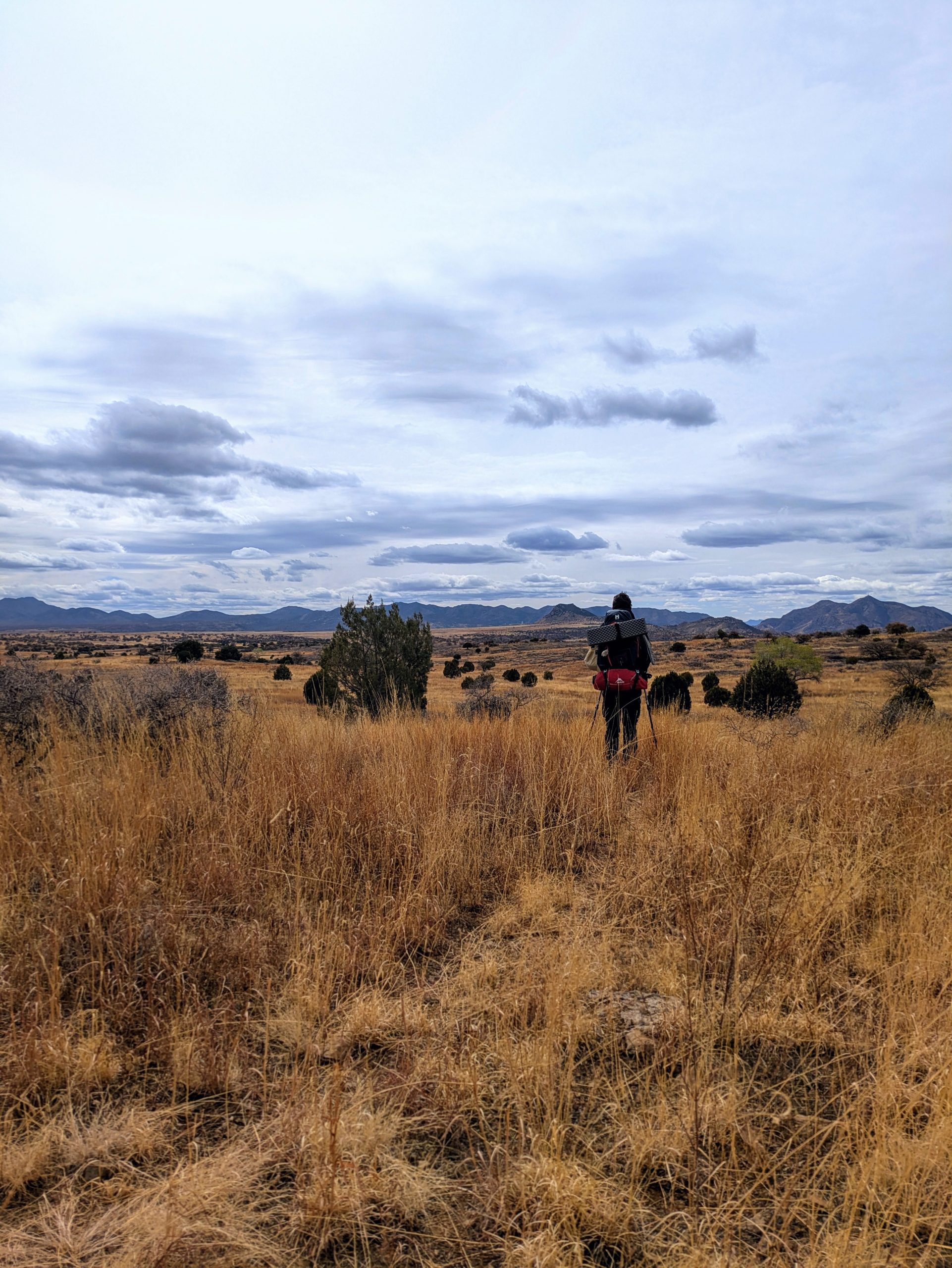
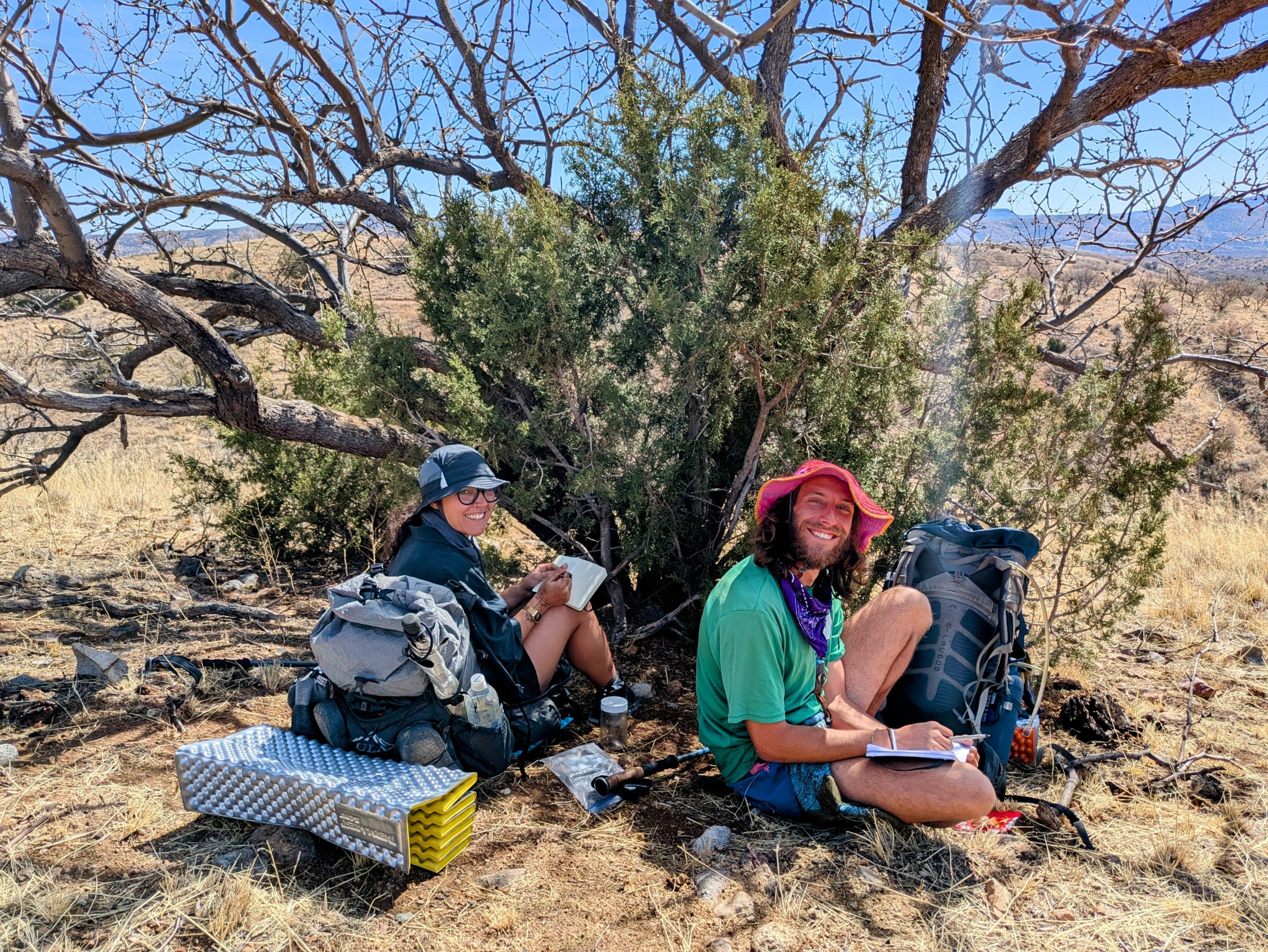
Hiking, like many other outdoor sports (such as mountain biking and trail running), is becoming increasingly professional. Even among amateurs. The days of romantic hikers like Cheryl Strayed seem long gone! There’s one fundamental accessory that distinguishes the seasoned hiker from the others: the backpack. The wind of minimalism is blowing across the trails. No choice is innocent, and the choice of a small backpack says a lot. The choice of material: quality, resistance, lightness. As if “small” meant “better”. But the small backpack is the privilege of those who can afford it. It calls for the best-designed, lightest and therefore most expensive equipment. Hence the theory: the richer you are, the lighter you are (and the faster you go). So I’m all for big backpacks: you always need someone bigger than you. You’ll recognize them on the trail, those “old school” hikers who sometimes take the time for a nap, load up on a book, notebook and pen, and sit down for hours, civilization restored, to remake the world over a meal (but is it only protein?).
“Relax, take it easy!”
The beauty takes it all
After all, isn’t hiking a reproduction of the social behaviours we see everywhere in our daily lives, at school, in the street or at work? Everyone on the trail has his or her own goals (and sometimes things to prove), and yet we’re all one big community. Therein lies the link between us all: beauty. Other motives are secondary, because there isn’t a day that goes by without being moved by the beauty that surrounds us. So what’s the point in looking for differences? Probably so that we never forget the essence of any hike: we go to the mountains so that our childlike gaze never fades. This is the jewel in our crown. No matter the size 😉

“Life in cartoon motion”

This website contains affiliate links, which means The Trek may receive a percentage of any product or service you purchase using the links in the articles or advertisements. The buyer pays the same price as they would otherwise, and your purchase helps to support The Trek's ongoing goal to serve you quality backpacking advice and information. Thanks for your support!
To learn more, please visit the About This Site page.

Comments 1
Thank you for the first honest, anti-establishment and yet humorous post I’ve read on The Trek!!
It wasn’t that many years ago when, in order to document your adventure, you needed to carry a 35mm camera and interchangeable lenses, spare rolls of film, a stack of bulky paper maps or guide books and like a latter-day Jeremiah Johnson, a trusty compass and metal cup with a handle to dip drinking water from the stream. Everyone I knew and hiked with during that era still thoroughly enjoyed their journeys, although today they would be subjected to ridicule and hyena-like laughter. Their primary goal was not to achieve any badges or set any trail speed records, but to enjoy what they were doing without the ulterior motives of increasing the numbers of their followers on YouTube and being subsidized by equipment companies to use and promote their products.
In the current hiker culture, every mile of your journey is almost instantly posted online, which serves to encourage others to experience that same moment of joy for themselves. We have learned to ignore one of the primary motivations for these posts of infinite trail wisdom…. the creator is often not only paid for their lyrical musings but is often sponsored by the manufacturers of the products we see prominently displayed in their postings. Of course, the inevitable result is that, according to a study by Virginia Tech University, the featured portions of the Appalachian Trail are becoming massively overloaded, not only resulting in environmental degradation, increased vandalism and general overuse, but also are becoming so popular that they cannot be properly maintained by the volunteer work force that has historically overseen trail management.
Likewise, in our modern society, those individuals who beg for food and water are classified as homeless who should get a job (or government aid) to support themselves. Yet when individuals venture into the woods for hiking and because of poor planning and an inability to properly assess their needs before divesting themselves from the comforts of a convenience store, they rely on the generosity of others to provide them with everything from replacement gear to food and water. Of course, when hiking this is totally acceptable and in many areas, irrationally expected and referred to as Trail Magic (the Trail provides). Compounding the hypocrisy, I’ve noticed lately that some hikers are openly soliciting donations to support their journey in their Trek posts. I can understand this practice if it is linked to a Patreon subscription where you get extra benefits for vicariously living through someone else’s steps and missteps or to raise funds for a trail-related organization, but to openly solicit donations so they can afford to stay in every hostel and motel near the trail seems to be no different than becoming an itinerant homeless beggar.
In order to introduce some otherwise unheard outside viewpoints related to the hiking “culture” in the United States, I sincerely hope that you will continue to post your observations!!!