
 ">
Vegan Trail Food
Simple Vegan Food on the Trail
One of the questions I get asked most often is what I eat while hiking. People often assume that vegan trail food must be complicated, expensive, or involve carrying lots of specialist products. The reality is much simpler.
When you’re carrying everything on your back, food needs to be lightweight, calorie-dense, easy to prepare, and readily available. After years of backpacking and multi-day hikes, I’ve learned that simple often works best.
Breakfast
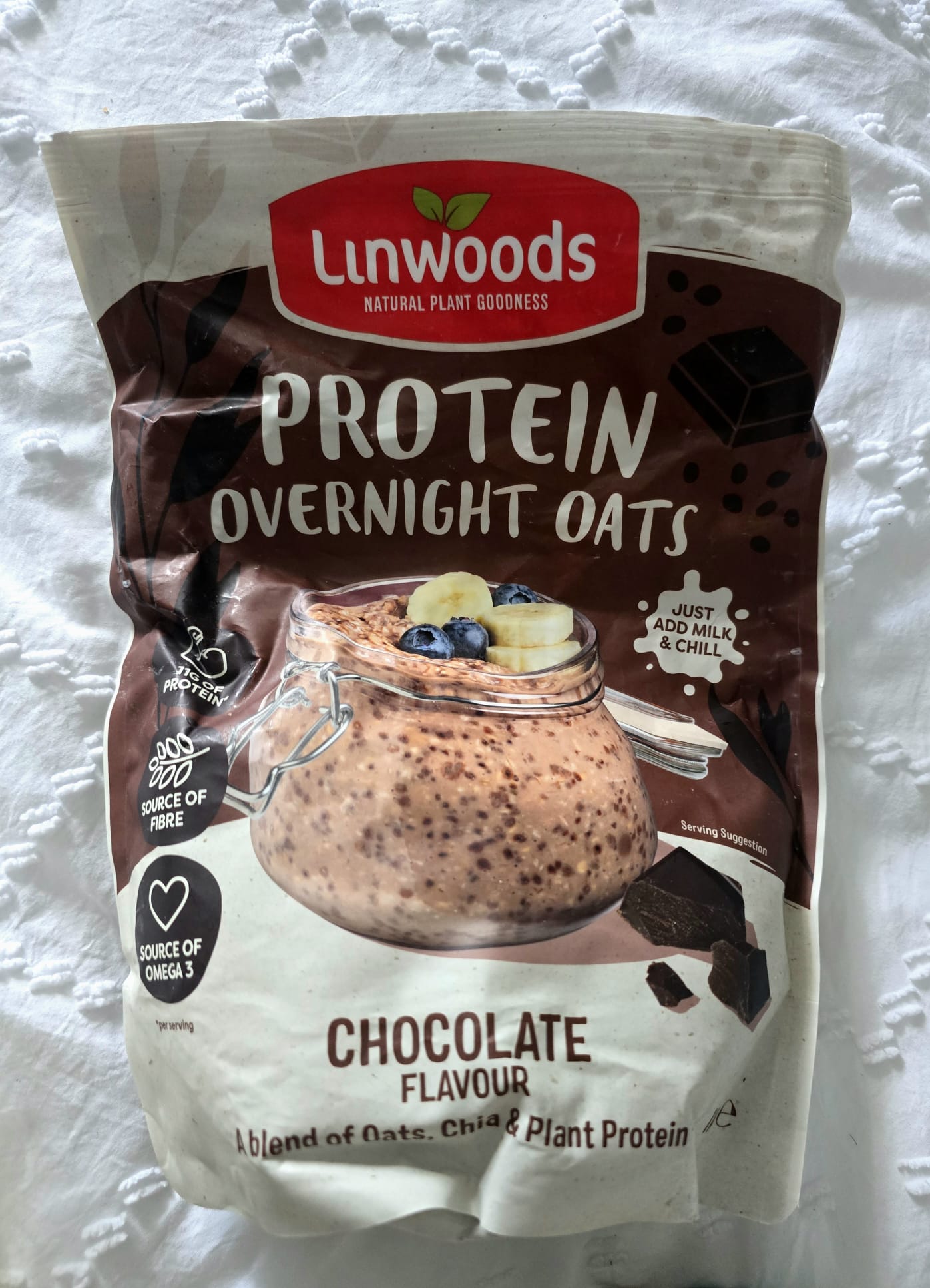
Most mornings on trail start with protein overnight oats.
I’ve been using the Linwoods protein overnight oats that I brought over from the UK. They’re quick, filling, and provide a good balance of carbohydrates and protein to start the day. The best part is that they require virtually no effort in the morning. I simply prepare them the night before, and breakfast is ready to eat as soon as I wake up.
When you’re packing up camp and eager to get moving, convenience matters.
Lunch
Lunch is usually something quick that can be eaten during a short break rather than a long stop.
My go-to options are rice cakes or lentil cakes topped with peanut butter. Instead of carrying a heavy jar, I’ve been bringing powdered peanut butter from MyProtein. It weighs significantly less and takes up less space, which makes a real difference when every gram counts.
Alongside that, I’ll usually have a muesli bar or energy bar, such as a LoveRaw bar or whatever similar vegan option I can find.
It’s simple, portable, and provides enough energy to keep moving through the afternoon.
Dinner
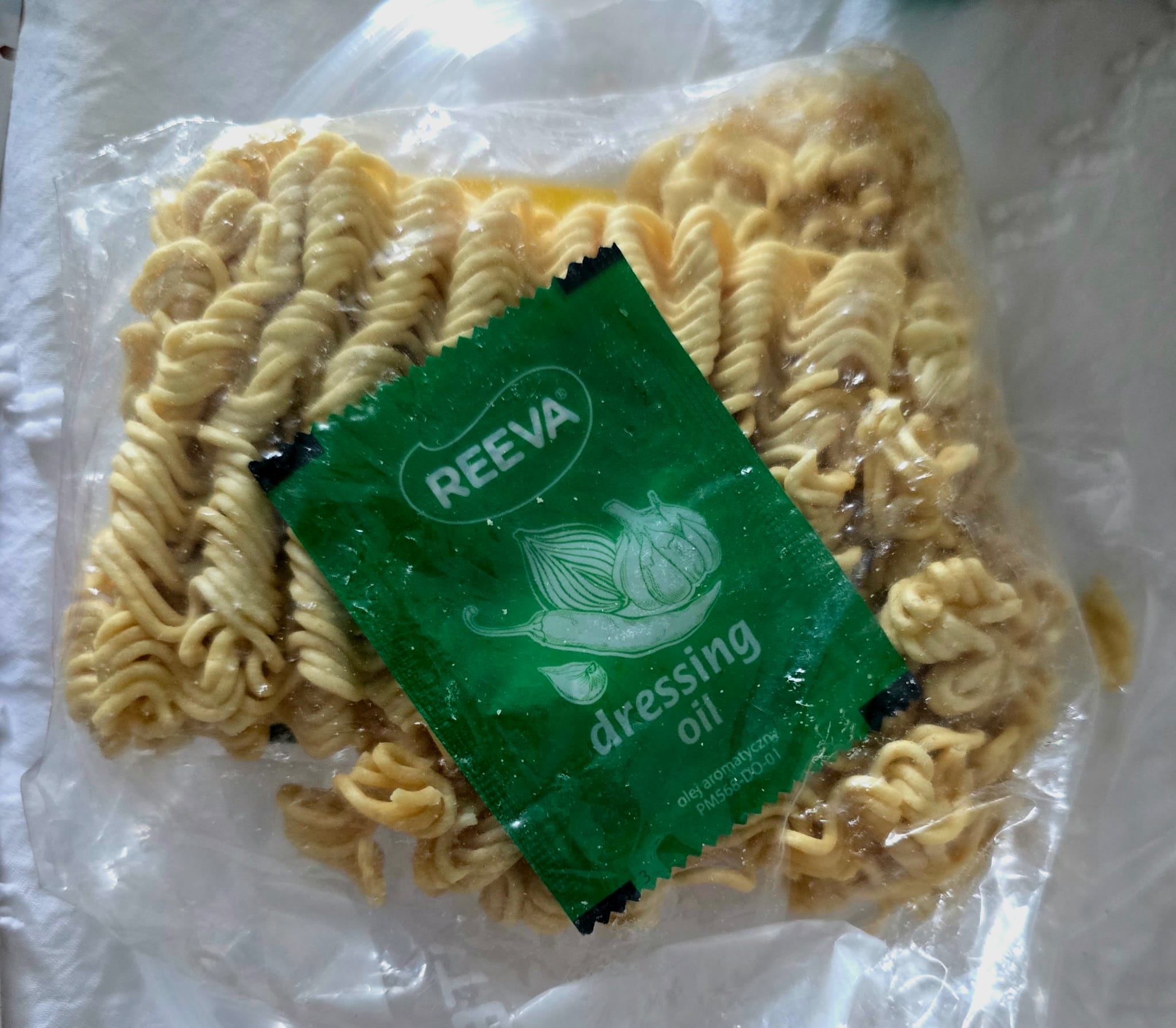
Packet noodles are always a reliable choice. They’re cheap, easy to find, and only require boiling water.
I’ve also been eating plenty of couscous. I brought some ready-seasoned Ainsley Harriott couscous from the UK, which simply needs hot water and three minutes to cook. It’s hard to beat for convenience.
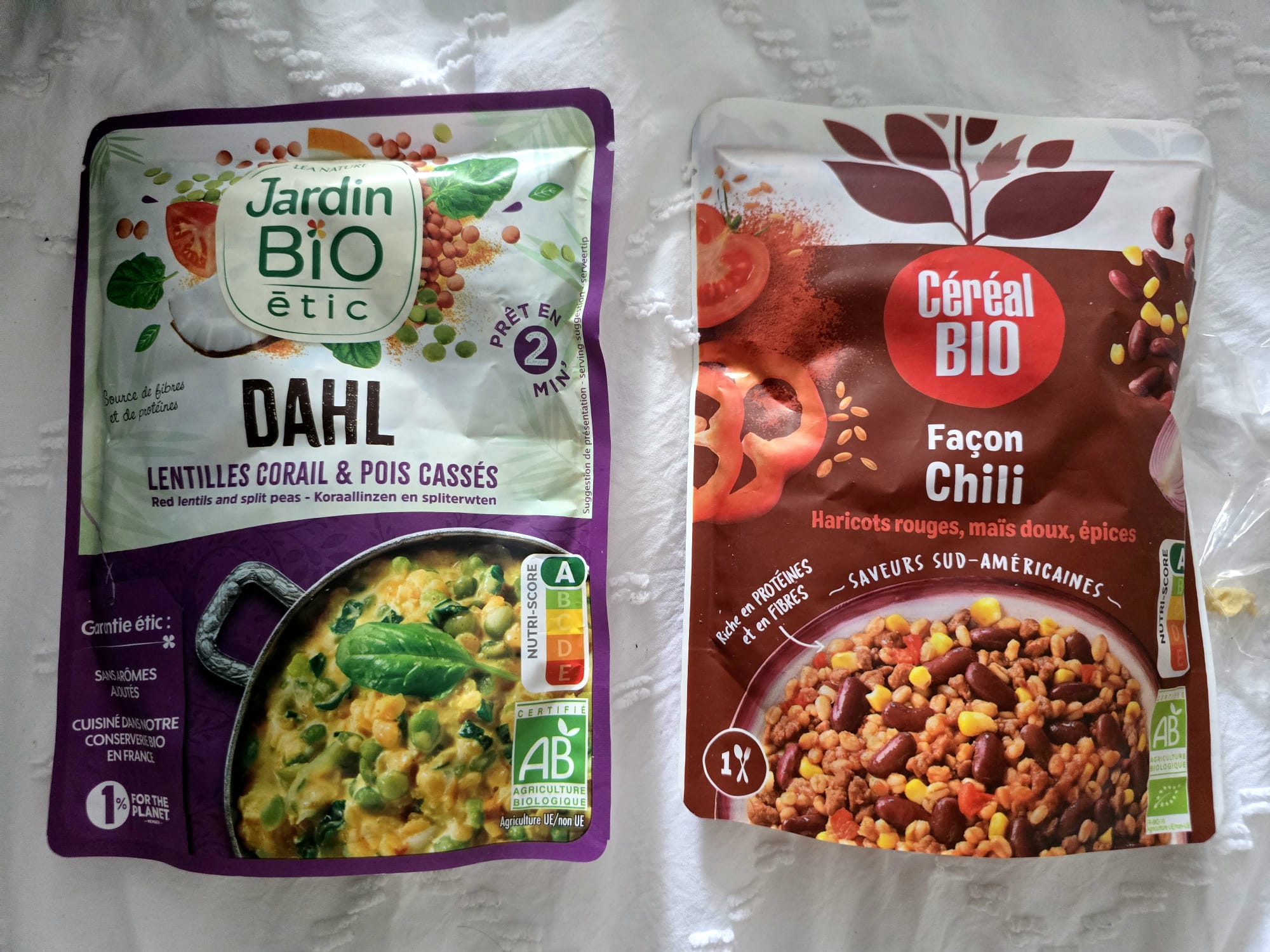
Whenever we pass through towns in France, I’ve also been picking up vegan ready meals. They provide a welcome change from the usual trail staples and help add some variety to my diet.
Snacks
Snacking is constant on a thru-hike.
Rather than sticking to three large meals, I tend to graze throughout the day to keep my energy levels up.
Current favourites include:
– Mixed nuts
– Dried fruit
– Dehydrated fruit
– Popcorn
– Coconut flakes
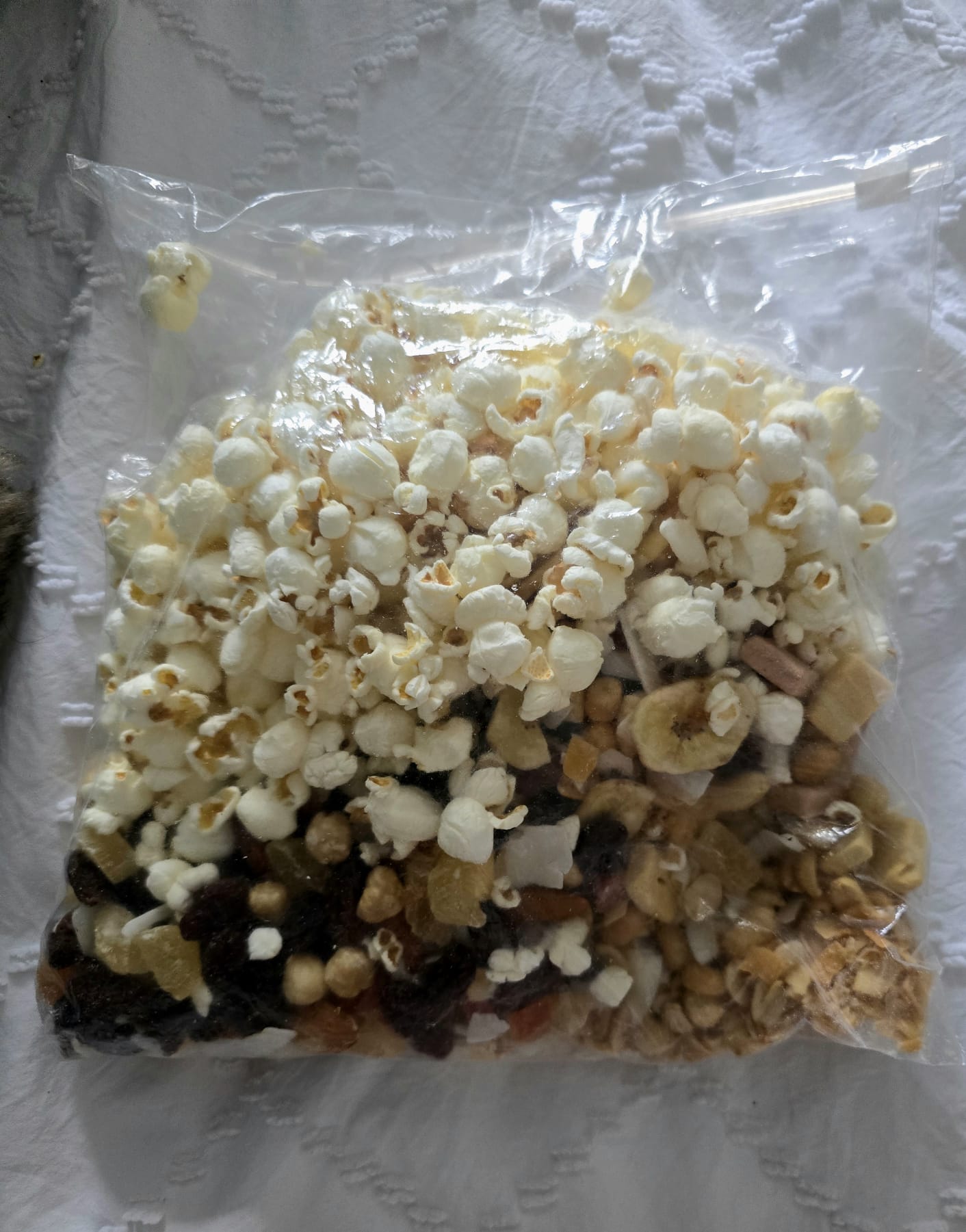
These are all lightweight, pack well, and provide a good mix of carbohydrates, fats, and nutrients.
Town Day Treats
Town days are a chance to enjoy fresh food and stock up on nutrients that can be harder to get while camping.
For breakfast, I’ve been enjoying a fresh fruit salad with vegan yoghurt. After several days of trail food, fresh fruit always tastes incredible.
Lunch is often a simple combination of hummus, fresh baguette, and more fruit. France does bread exceptionally well, so it would be rude not to take advantage of it!
For dinner I cook tofu with a homemade satay sauce. The sauce is surprisingly simple: powdered peanut butter mixed with coconut milk and a little salt. Served alongside a fresh salad, it feels like a proper meal rather than trail food.
Keeping It Simple
One thing I’ve learned over the years is that trail food doesn’t need to be complicated.
When you’re carrying everything you need on your back, food choices are often driven by practicality rather than nutrition. The reality is that many traditional trail foods aren’t particularly nutritious; they’re simply lightweight, easy to carry, have a long shelf life, and provide the calories needed to keep moving.
Of course, I try to include healthier options where I can, but on a thru-hike the priority is often getting enough energy without adding unnecessary weight to your pack. That’s why you’ll find hikers eating plenty of noodles, bars, nuts, and other calorie-dense foods that wouldn’t necessarily make it onto their plate at home.
Town days are a great opportunity to balance things out with fresh fruit, vegetables, and more varied meals, but out on the trail simplicity wins. If a meal is lightweight, easy to prepare, and gives you enough fuel to tackle the next climb, it’s earned a place in the food bag.

This website contains affiliate links, which means The Trek may receive a percentage of any product or service you purchase using the links in the articles or advertisements. The buyer pays the same price as they would otherwise, and your purchase helps to support The Trek's ongoing goal to serve you quality backpacking advice and information. Thanks for your support!
To learn more, please visit the About This Site page.