
 ">


Why So Many Thru-Hikers Regret Mailing Resupply Boxes
The anticipation leading up to a thru-hiker’s start date is palpable. You’ve spent months fine-tuning your gear, weighing the pros and cons of every ounce you carry, and meticulously planning. On top of all that, some hikers also spend countless hours preparing resupply boxes.
From creating spreadsheets to actually purchasing food, organizing the boxes, and coordinating with the people entrusted to ship them, mailing resupply boxes is a lot of work before ever setting foot on the trail. By the time hikers reach the end of their journey, many hikers feel it wasn’t worth the effort.
Here are five reasons why so many thru-hikers regret sending resupply boxes.
5 Reasons You Might Regret Sending Yourself Resupply Boxes
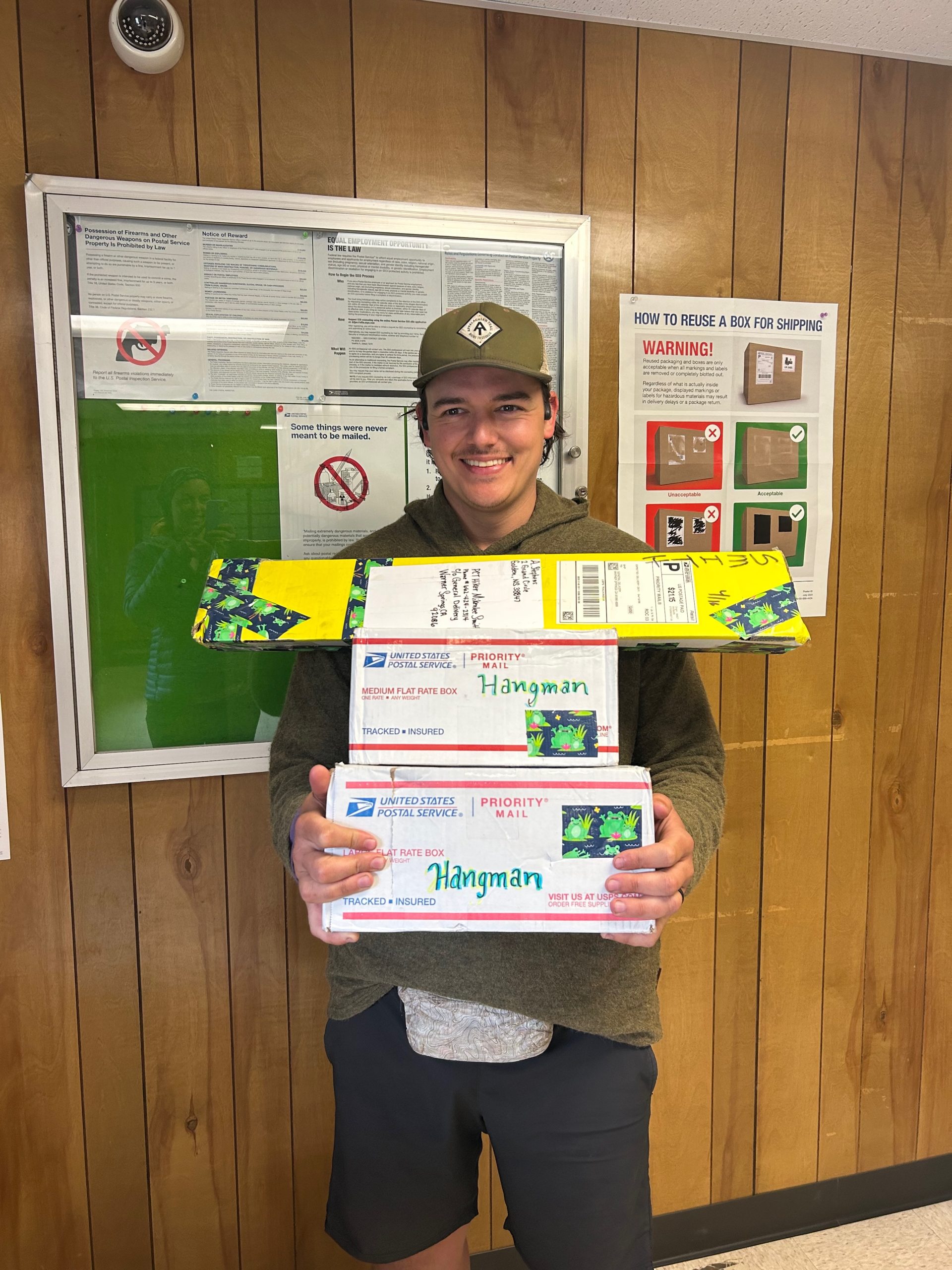
Hangman picking up several resupply boxes on the PCT in 2025.
1. You might send yourself a bunch of food you end up not liking.
Almost without fail, the staples you eat at the beginning of the trail will be different from what you’re eating by the end. If you’re prepping boxes before the trail, buying bulk items like freeze-dried mashed potatoes and ramen noodles is a gamble. It’s hard to predict what your taste buds will tolerate after months on trail, and many hikers find that the increased physical activity changes their cravings.
My go-to lunch while on the AT in 2021 was tuna. I ate countless packs as I hiked from Georgia to Maine, and while I had my favorite flavors, I never had issues scarfing them down. On the PCT in 2025, though, I hit my limit. Even the smell of tuna made me nauseous, and I had to find other foods I could stomach.
Had I prepped 6 months of boxes before the PCT, I undoubtedly would have filled every box with tuna, having loved it on the AT. I had no way of knowing my taste would change, and I would have wasted money by dumping my unwanted tuna packets in hiker boxes.
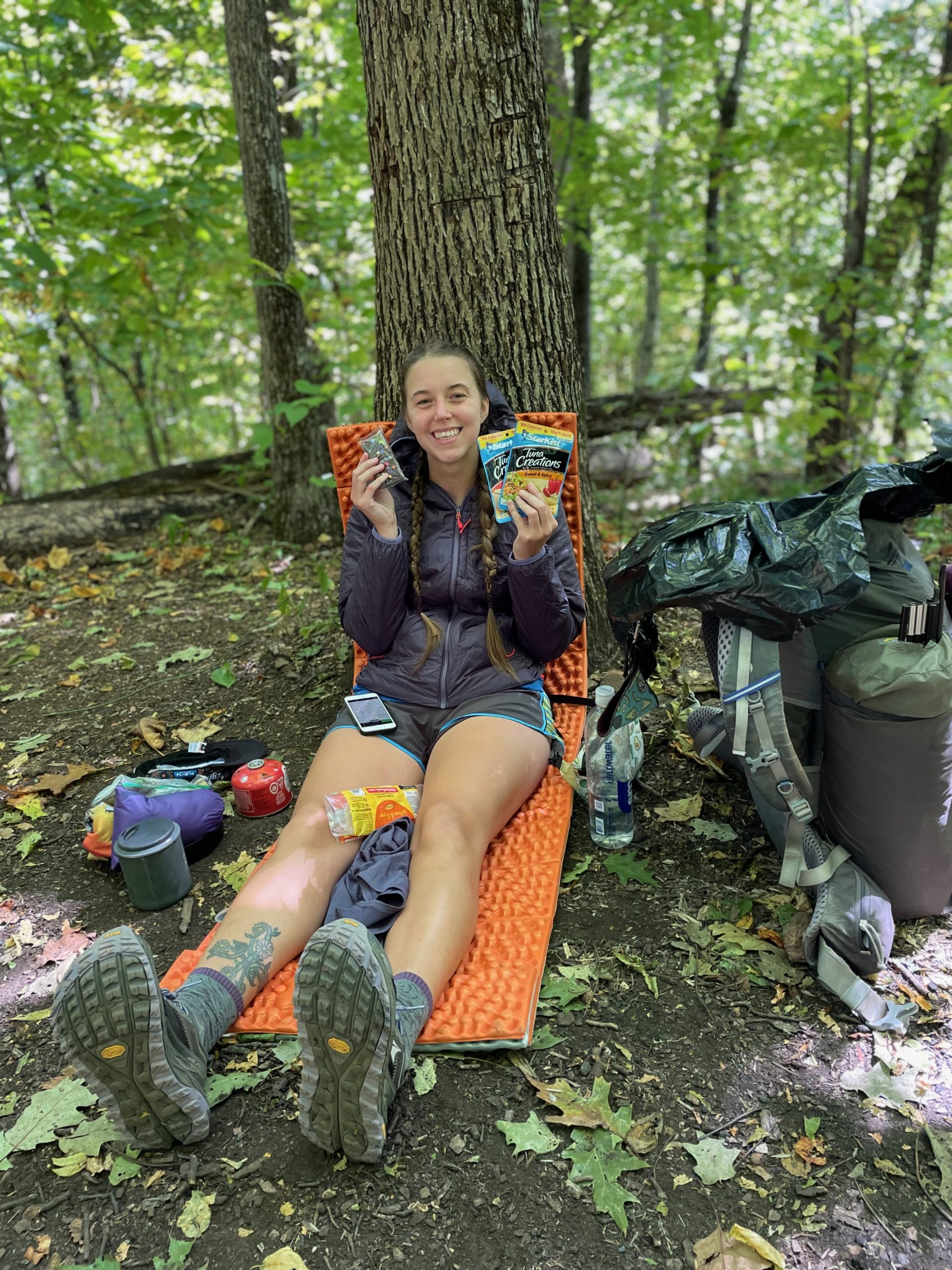
My former go-to trail lunch: tuna packs and Cosmic Brownies. I still like Cosmic Brownies, but I can’t stand tuna after several thousand miles.
2. Mailing Boxes Can Cost More Than In-Person Resupply
Speaking of money, mailing resupply boxes can cost more than buying food along the trail (contrary to popular opinion). While you might save money on the food itself by getting it in bulk at your local Costco ahead of time, you also have to factor in shipping and holding fees.
On the PCT, my partner and I mailed ourselves several resupply boxes from the trail. Our shipping and holding fees amounted to nearly $500, and that doesn’t include the food itself!
For some hikers, especially those who need specialty foods or are resupplying in remote areas, mailing boxes is worth the expense. But if you’re trying to stick to a budget, don’t commit to sending resupply boxes until you’ve compared the total cost with the cost of resupplying as you go.
3. Prepping Resupply Boxes Takes a Lot of Time and Energy
There’s no denying that it takes a tremendous amount of time and mental energy to prepare resupply boxes. Some people thrive on the planning process, but many hikers shy away from resupply boxes because of the amount of up-front effort.
For each box, you have to determine its destination, calculate how many days of food you’ll need, decide what to pack, and consider whether you’ll need additional supplies. Then comes the actual shopping, packing, and shipping. Multiply that process by however many boxes you plan to send, and you have a substantial project on your hands.
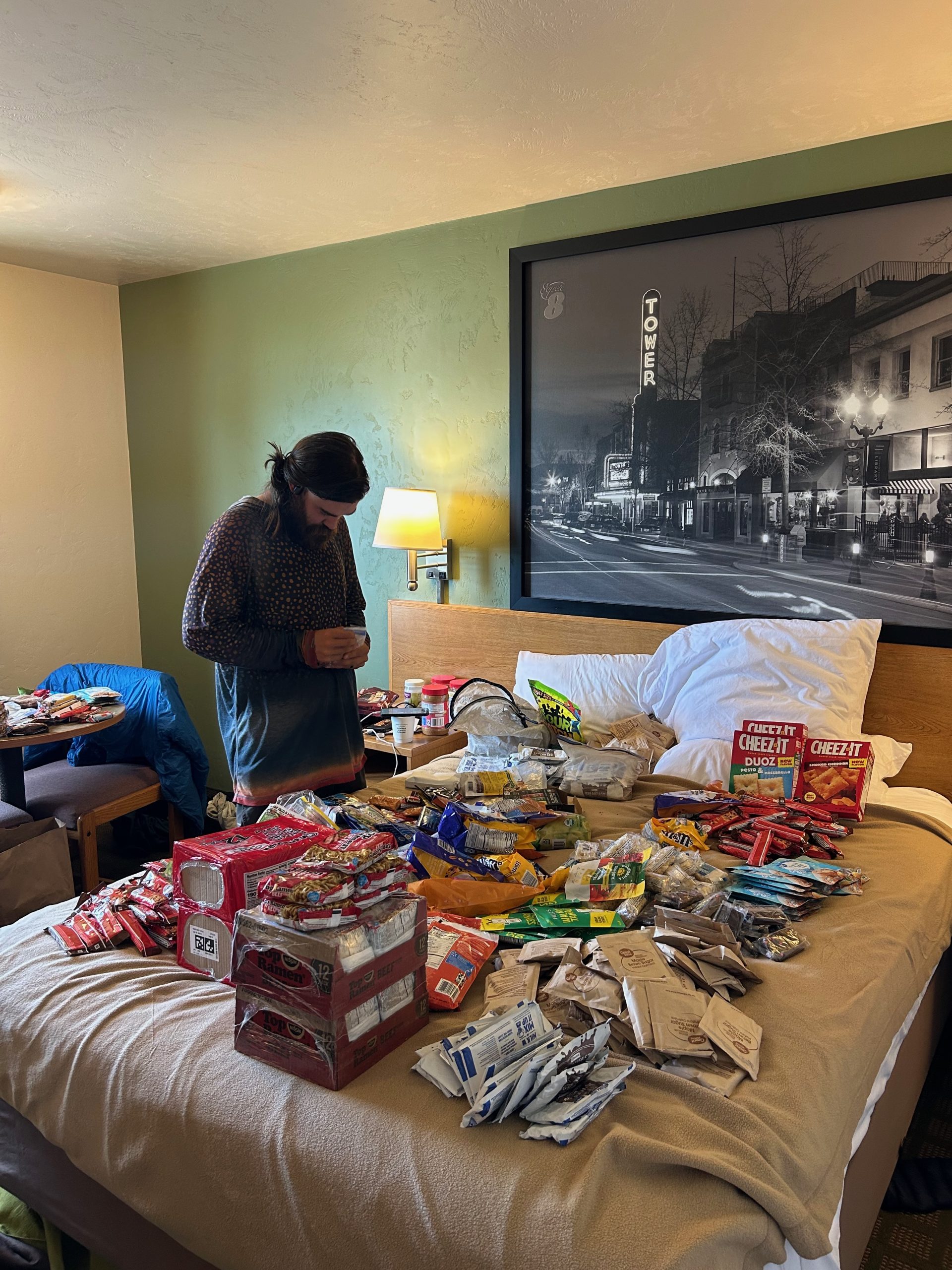
Spent an entire day in Bend, OR, preparing multiple boxes to ship to ourselves up the trail on the PCT in 2025.
My partner and I had a mixed resupply strategy on the PCT, alternating between buying food along the trail and mailing ourselves boxes when needed. This worked well for us, but preparing boxes meant sacrificing valuable relaxation time in town.
For example, while on the trail we mailed ourselves three boxes for further-up locations. We spent an entire zero day shopping, organizing supplies, and mailing everything out. That was a full day we could have spent resting, exploring town, or simply enjoying a break from hiking.
4. Resupply Boxes Lock You Into a Strict Itinerary
Mailing resupply boxes requires you to plan ahead and reach specific destinations on a relatively predictable schedule. There are other factors to consider as well, like what days the post office in a trail town is open and what their hours are. If you arrive after closing time, you might have to wait until the next business day to collect your package. If you hike into town on a Friday evening, you might be stuck until Monday morning when the post office is open again.
This can take some of the spontaneity out of a thru-hike. You can’t always change plans on a whim without risking a missed resupply. For example, on the PCT, your friends might decide to head into Ridgecrest to resupply from Walker Pass. If you’ve mailed a box to Lake Isabella, you have a decision to make: follow your friends or stick to your original plan to collect your package.
When we mailed ourselves boxes from Bend, that meant we had a set number of days to reach each destination. That schedule worked for a while, but it sometimes meant hiking faster or slower than we wanted simply to arrive in time to collect our food.
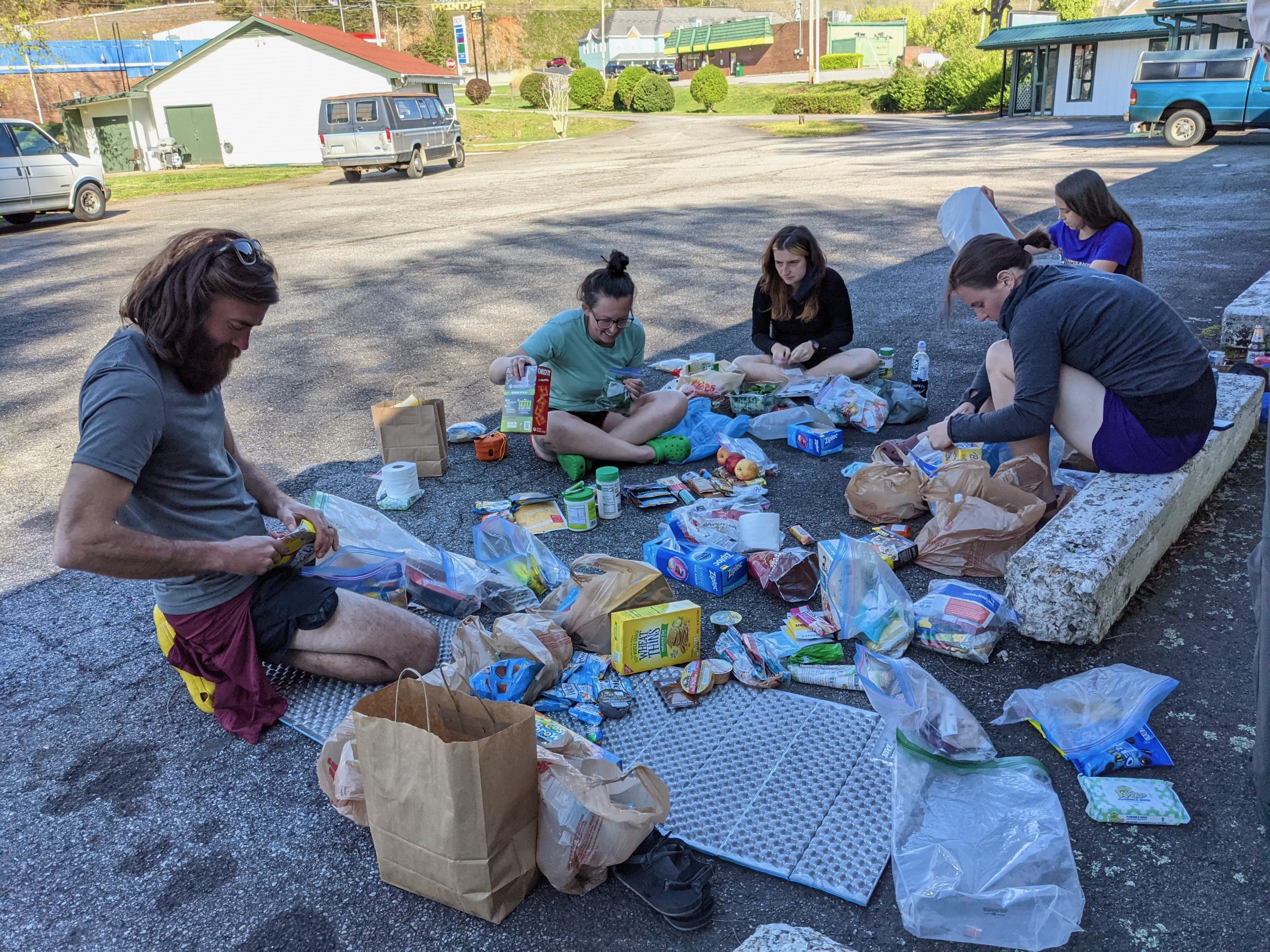
Organizing a resupply haul from a local grocery store in GA early on the AT in 2021.
5. Someone Back Home Has To Put in Work To Mail Your Resupply Boxes
As if hiking 2,000+ miles isn’t hard enough, relying on resupply boxes means there’s likely someone back home who’s also putting in work. Post offices and most businesses that accept hiker resupply boxes will only hold them for a limited time, so you generally can’t mail every box months in advance. That means you’ll need someone back home to store the boxes and mail them out to you as needed.
Many hikers prepare their boxes before departing and leave them with friends or family. The person (or people) in charge of managing a hiker’s resupply boxes are often referred to as “trail bosses.” It’s a selfless act of love and service, but it does put a lot of pressure on the designated trail boss. Depending on how much prep you did ahead of the trail, the role might include packaging and labelling resupplies, coordinating shipments with the hiker, possibly adding last-minute requests to the box, and taking the packages to the post office to be shipped.
With limited cell signal in remote sections of the trail, they might have to guess what you need or want without being able to reach you. Before committing to a resupply strategy that depends on someone back home, consider how much time and effort you’re asking them to contribute.
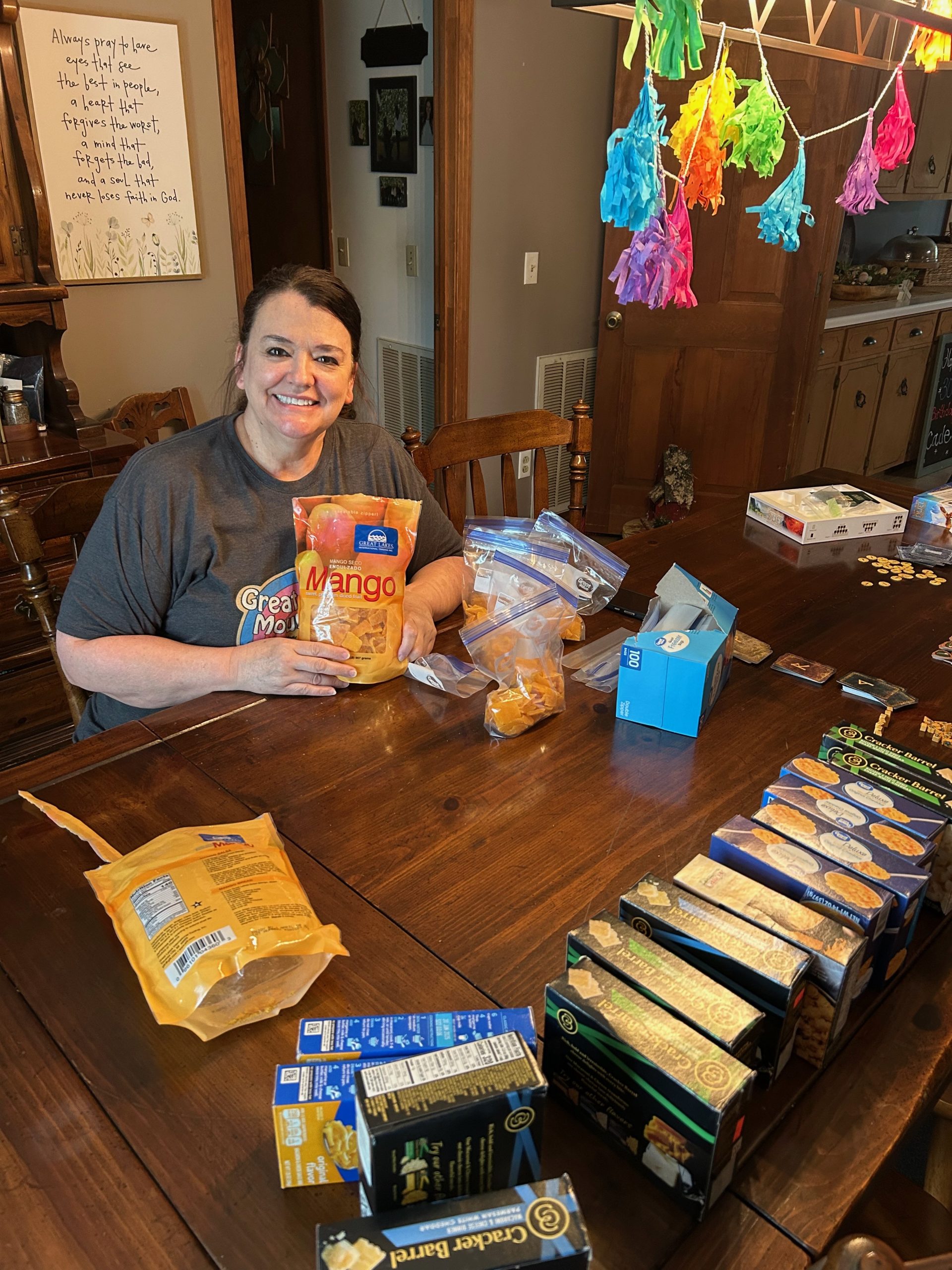
Our PCT trail boss, Truffle’s mom, helping us to organize and prep some food. Look at all that mac and cheese!
When Do Resupply Boxes Make Sense for Thru-Hikers?
Despite these drawbacks, resupply boxes can still be the best option for some hikers. If you have strict dietary requirements or food allergies, it may make more sense to send boxes. You can’t always count on small trail towns and gas stations to stock what you need if you are gluten-free or vegan, for example. Boxes can also be helpful when passing through particularly remote sections with limited resupply options.
You can also make yourself resupply boxes from trail towns along the way and ship them ahead to towns further along. Even if you know you’ll need a box in a specific location, there are advantages to waiting until you’re already on trail to pack and ship the box, rather than packing it at home months in advance. Mailing from the trail gives you more flexibility to adjust your food choices, mileage, and plans as you go.
Read Next: Resupply Dos and Don’ts: Mail Drops, Calorie Goals, Mistakes to Avoid
Every hiker is different, and so is every hiker’s appetite. Plenty of thru-hikers successfully resupply from trail towns without mailing a single box. As long-distance trails continue to gain popularity, the resources around the trails are growing as well. Remote areas where boxes were recommended in the past may now have shops or services that support in-person resupply.
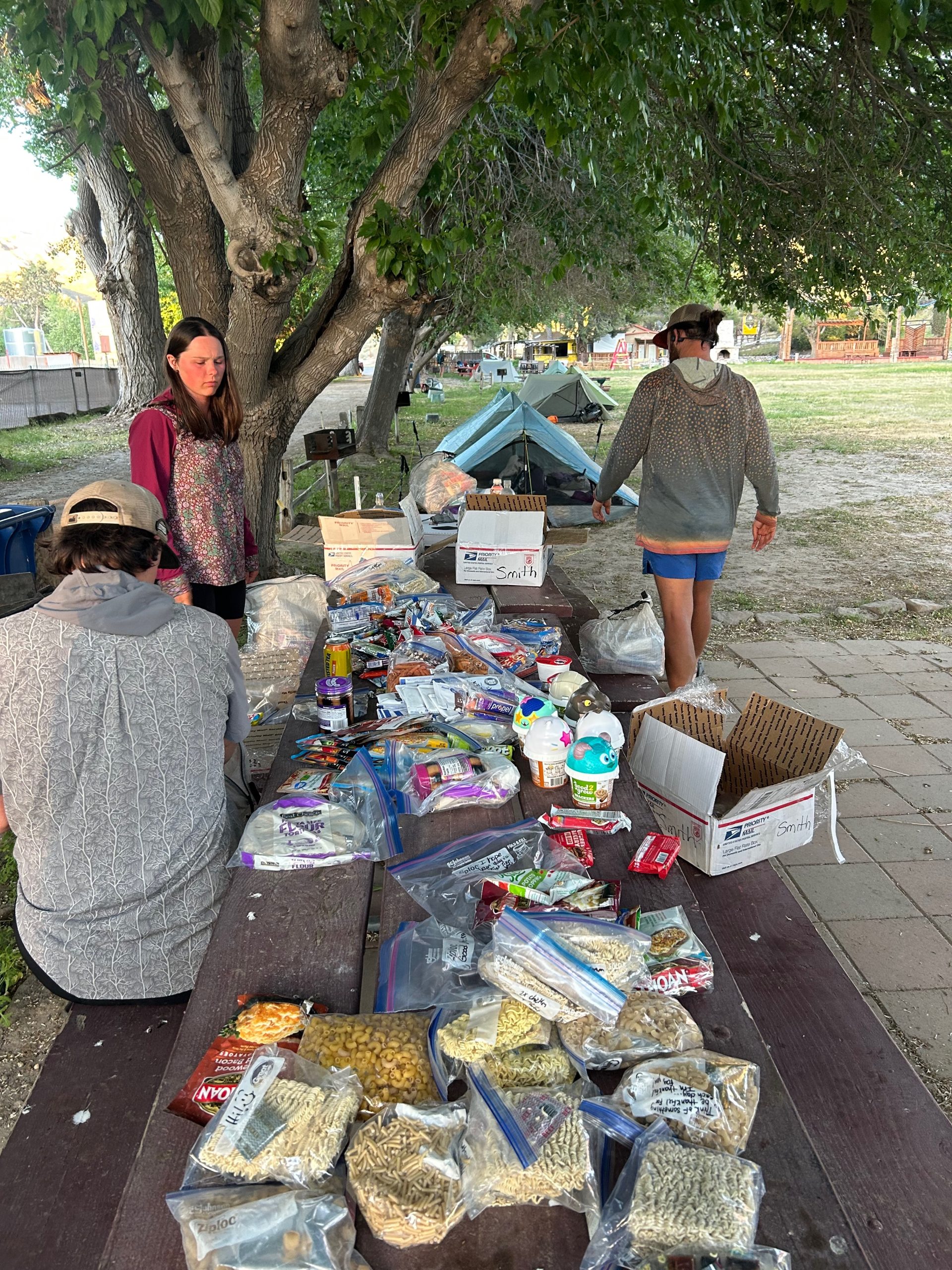
Sorting through resupply boxes on the PCT. Spoiler alert: a lot of this went into the hiker box!
Most importantly, remember that it’s okay to change your plans on a thru-hike. The resupply strategy you start with doesn’t have to be the one you follow for the entire journey. You’ll have plenty of opportunities to experiment and figure out what works best for you.
The trail teaches us to be flexible and gives us room to learn from our mistakes. If you’re planning your first thru-hike, don’t feel like you need to have every meal planned months in advance. Start with a strategy that makes sense for you, stay open to changing it, and let experience guide the rest.
Featured image: Laura Garcia

This website contains affiliate links, which means The Trek may receive a percentage of any product or service you purchase using the links in the articles or advertisements. The buyer pays the same price as they would otherwise, and your purchase helps to support The Trek's ongoing goal to serve you quality backpacking advice and information. Thanks for your support!
To learn more, please visit the About This Site page.

Comments 4
On the PCT this summer I noticed that the majority of the boxes on the shelf at resupply stops were the USPS flat rate boxes (large) that are now $32.75 with commercial pricing or $36.10 at a Post Office. Look into USPS Click-n-Ship. It’s easy and less expensive, I was able send the same size box for $10-15 for a 10# box. You can buy the boxes on Amazon for ~$2 each. This may vary based on where you are shipping from but it’s worth looking into.
I mailed myself a box on my TRT hike this summer. 100% unnecessary. If you have a grocery store, you have a resupply.
Shout out to all my fellow hikers still walkin the walk despite food allergies and other medical conditions, and the trail angels, friends and family, and postal workers making it possible 🙂 Couldnt do it without you!
Definitely not for everyone, but personally I prefer boxes. I do have some allergies, but I also just like the food variety that comes from shopping in a big town rather than the small trailside stores.
If you think you want to use resupply boxes, minimise the negatives of resupply boxes with a few simple moves:
1. Ship just a few boxes (if any) at the start, then any future boxes from on-trail. Grants you more flexibility – change what goes into boxes, or start/stop doing boxes as you choose. Yes, a batch of boxes eats into your zero time – but when you then reach these towns you don’t need to resupply shop, so you get back some time. It’s a trade-off.
2. Never use the USPS flat-rate boxes. Buy 99c boxes at Walmart, or get them free from grocery stores who are unpacking supplies, and use Pirate Ship for heavily discounted postage. I had one of those little luggage scales in my bounce box and used that to weigh boxes.
3. Wherever possible, don’t ship to post offices – there are many other options. Keep in mind you will likely end up using some of these pickup points anyway – new shoes, gear failures etc…even without boxes you’ll need to pickup some packages along the way.